
How to Become a Wedding Officiant in California: A Step-by-Step Guide
Becoming a wedding officiant in California can be an exciting journey for those wanting to share in the joy of love. To officiate weddings in California, you must be an authorized person under California law § 400. This means you need to be ordained or hold a specific title that allows you to perform marriages. This opens up a wonderful opportunity to help couples celebrate their special day while playing a significant role in their lives.
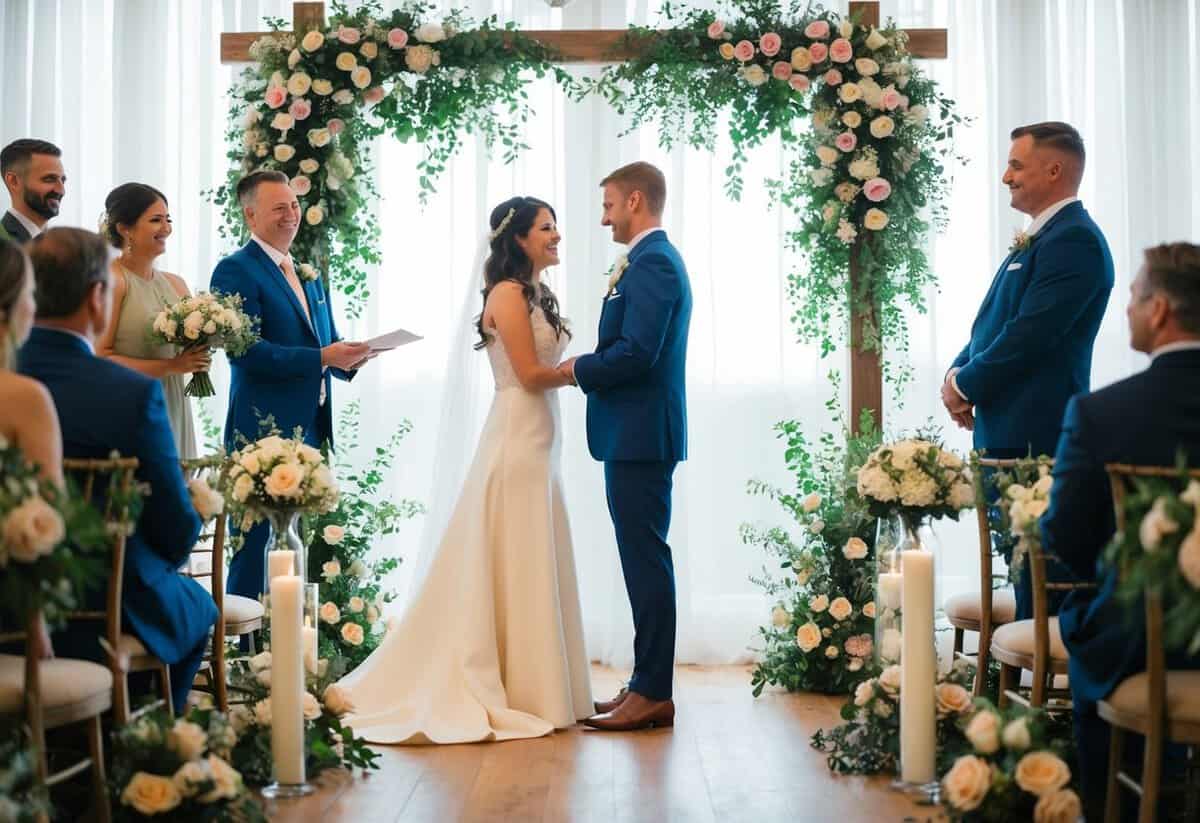
Before you start, it’s essential to understand what is required to obtain a California marriage license, as it is a key part of the marriage process.
While there are various ways to become an officiant, including online ordination, knowing the legal requirements will help you navigate this rewarding role with confidence.
Your first steps involve researching how to become ordained online or through a local seminary. Once you’re ordained, you’re ready to embrace the privilege of uniting couples in marriage across the beautiful landscapes of California. With a little preparation and knowledge, you can make wedding dreams come true!
Understanding California Marriage Laws
California has clear laws governing who can officiate weddings. Understanding these laws helps you ensure that your ceremony is valid and recognized. Here’s what you need to know about eligibility and key legal requirements.
Eligibility to Officiate Weddings
To legally officiate a wedding in California, you must meet specific eligibility criteria. Generally, you can become an officiant if you are:
- Ordained through a religious organization
- A judge or a retired judge
- A person authorized by a public agency
Many people choose to get ordained online. This is a quick process that generally involves filling out an application with an organization like the American Marriage Ministries. After you’re ordained, you can officiate weddings in California. Remember to carry proof of your ordination during the ceremony, as couples may need it for the marriage license.
Key Legal Requirements
California marriage laws are laid out in the California Family Code, particularly under § 400. This code states that only certain individuals can legally marry couples. Additionally, no formal registration is required for officiants to perform weddings, which makes this process more accessible.
Once you officiate a wedding, you must complete the marriage license and return it to the county clerk’s office. Ensure that you fill it out accurately, as mistakes can lead to delays in processing. Following these steps will help you navigate the legal landscape of officiating weddings smoothly.
The Ordination Process
Becoming a wedding officiant in California is an exciting journey. The ordination process can vary depending on your choices, such as opting for online ordination or pursuing a path through a religious denomination. Understanding these options will help you make the best decision for your officiant career.
Online Ordination
Online ordination is a popular choice for many aspiring officiants. It’s quick and convenient, allowing you to complete the process from home.
You can find several organizations that offer free or low-cost online ordination. For instance, some sites require you to fill out a simple application and may provide an ordination certificate upon completion.
This form of ordination is legally recognized in California. Make sure to choose a reputable organization that provides the necessary support and official ministry credentials.
Religious vs Civil Ordination
When considering your path, think about whether you want a religious or civil ordination.
Religious ordination allows you to perform ceremonies within a specific faith, requiring you to agree with the values of that denomination. Often, you may need to complete a seminary program or meet specific religious requirements.
Civil ordination, on the other hand, focuses on the legal aspect. This route can involve getting deputized in some counties or getting ordained through a secular organization. Both types can legally marry couples, so think about what aligns best with your values and goals.
Ordination Certification
After ordination, you’ll receive an ordination certificate. This document is essential when performing weddings.
Keep your ordination certificate safe, as you may need to show it when applying for a marriage license or when officiating a wedding. Each county may have different guidelines about what documentation is necessary to legally perform a marriage.
In California, some counties may require additional steps for registration or booking your officiant position. Check local regulations to ensure you have everything in order before the big day.
Preparing for the Wedding Ceremony
Preparing for a wedding ceremony involves several important steps. You need to understand the legal aspects and coordinate with local authorities to ensure everything goes smoothly. It’s also crucial to finalize the details of the ceremony to create a memorable experience.
Understanding the Marriage Certificate
Before you officiate a wedding, you need to grasp what a marriage certificate is. This document is proof that a couple is legally married. In California, the couple must apply for a marriage license from a local marriage authority. This license is usually valid for 90 days.
As the officiant, your role is to complete the marriage license after the ceremony. Be sure to fill it out correctly, as any mistakes can delay the official processing. It’s also important to return it to the local authority within the time frame required, typically within 10 days.
Coordination with Local Authorities
Coordinating with local authorities is vital to ensure you meet all legal requirements as a California wedding officiant. Research the specific rules in your area, as they may vary by county.
Contact your local clerk’s office for information about obtaining the necessary permits if required. Some counties may also have specific guidelines about where ceremonies can take place.
You should also be aware of any fees associated with the marriage license. It’s advisable to communicate with the couple about these details so there are no surprises on the wedding day.
Finalizing the Ceremony Details
Finalizing the ceremony details is the fun part! You’ll want to work closely with the couple to personalize their wedding. Discuss their vision for the ceremony, including readings, vows, and special rituals.
Creating a draft of the ceremony script is a great way to start. Include any important elements, like the order of events and the couple’s preferences. Make sure to rehearse the ceremony, either with the couple or on your own. This practice helps ensure that everything flows smoothly on the big day.
Don’t forget to check in with the couple a few days before the ceremony to confirm all details and make any necessary adjustments.
After the Ceremony
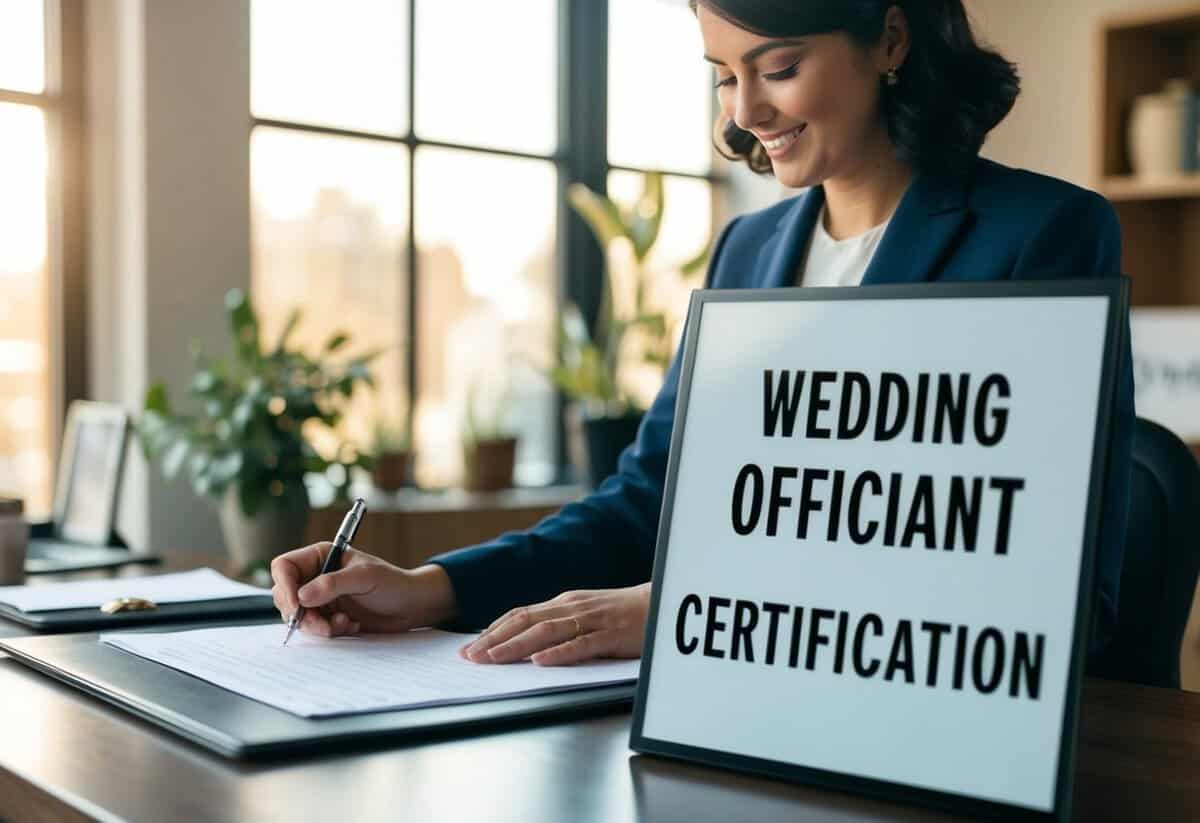
Once the ceremony is complete, there are important steps you need to follow. This section will guide you on properly handling the marriage license and how to continue your journey as a wedding officiant.
Filing the Marriage License
After officiating the wedding, your next task is to file the marriage license. You must fill it out accurately, including your full legal name, title, and ordination organization. Make sure at least one witness signs the license.
Once completed, return the license to the county clerk’s office within 10 days. This step is crucial because it ensures that the marriage is legally recognized in California. If you delay, it might create issues for the couple. Keep a copy of the license for your records, as it could be requested by the county clerk if needed.
Continuing as an Officiant
After your first wedding, you may want to continue officiating more ceremonies. Staying ordained is essential, so keep your ordination credentials handy for future weddings.
You don’t need to register with any government office, but being prepared helps.
Consider participating in training programs offered by organizations like American Marriage Ministries. They provide useful resources and support for officiants.
Networking with other officiants can also enrich your experience and lead to more opportunities. Always be ready to answer questions couples might have about the process. This will help you build your reputation as a reliable officiant.