
How to Become a Wedding Officiant in Scotland: A Friendly Guide to Getting Started
Becoming a wedding officiant in Scotland can be a fulfilling journey for those who enjoy celebrating love and special moments. If you have a passion for connecting with people and a desire to create memorable ceremonies, this path may be perfect for you. To become a celebrant, you typically need to complete a training course and ensure you meet the legal requirements under Scottish law.
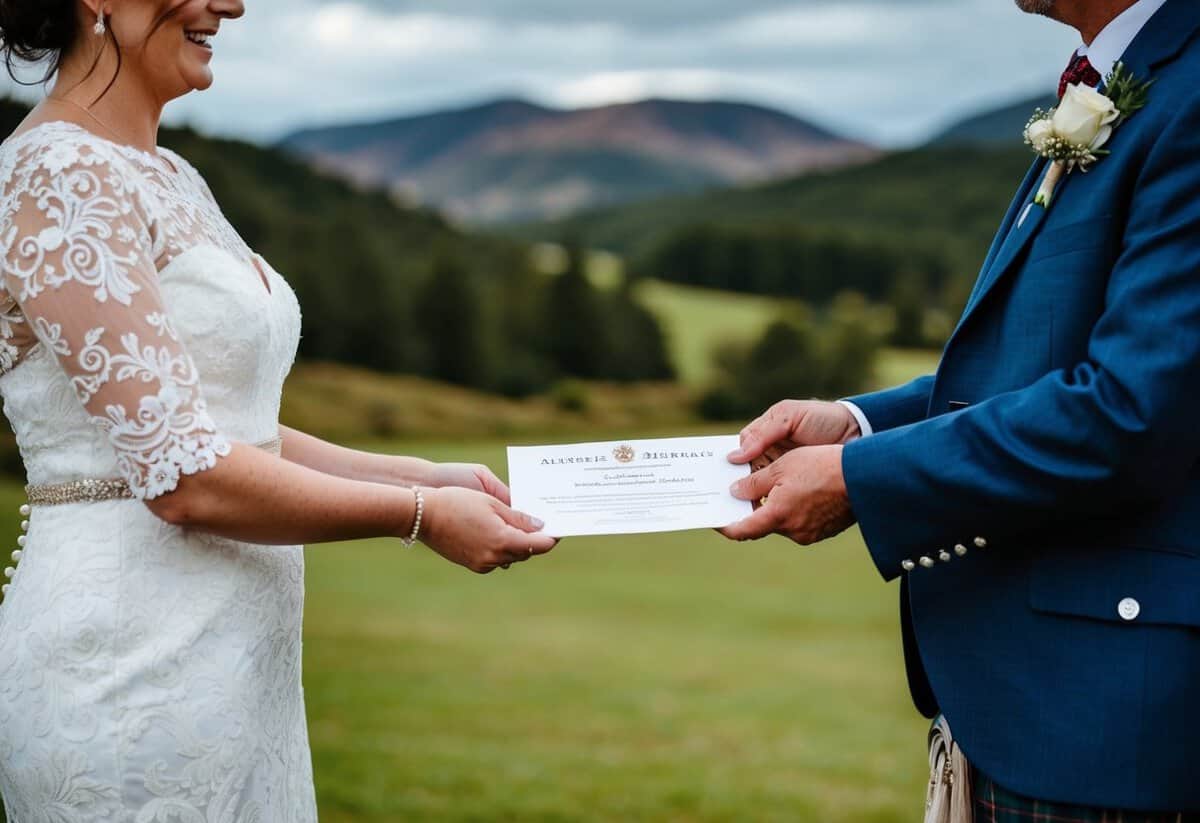
Understanding the different types of ceremonies you can perform, such as civil marriages and naming ceremonies, helps you find your niche. In Scotland, you’ll be part of a network that provides ongoing support and mentorship, giving you a valuable community as you start. Whether you’re looking to officiate weddings, civil partnerships, or other significant life events, there are rewarding opportunities waiting for you.
With the right training and dedication, you can make a real difference in couples’ lives by leading them through their vows. Get ready to embark on an exciting adventure as you bring love stories to life in your unique style.
Understanding Celebrancy in Scotland
Celebrancy in Scotland offers a range of meaningful services, including weddings, naming ceremonies, and funerals. As you explore this path, it’s essential to know the different types of celebrants and the legal requirements for officiating ceremonies.
Types of Celebrants
In Scotland, there are various types of celebrants who perform different roles. Here are the main types to consider:
-
Civil Celebrants: These officiants focus on secular ceremonies, such as weddings and naming ceremonies. They create personalized scripts to match the couple’s wishes.
-
Religious Celebrants: These include ministers or clerics who conduct traditional religious ceremonies. Their services often include spiritual elements and may follow specific rituals.
-
Funeral Celebrants: They help families plan and conduct funerals, creating a service that honors the deceased according to the family’s beliefs and wishes.
Understanding these different roles can help you decide which path you want to pursue as a celebrant.
Legal Requirements for Wedding Officiants
To officiate a wedding in Scotland, certain legal obligations must be met. Here’s what you need to know:
-
Registration: Only registrars, religious clerics, and those representing belief bodies can legally marry couples. If you want to be a wedding celebrant, make sure you’re affiliated with a recognized body.
-
Marriage License: You may need to help clients with necessary paperwork, including securing a marriage license.
-
Training and Support: Many organizations offer training and mentorship for new celebrants, guiding you through the process and helping you establish your practice.
Becoming a celebrant can be rewarding, especially when you understand the legal aspects involved in officiating meaningful ceremonies.
Steps to Become a Celebrant
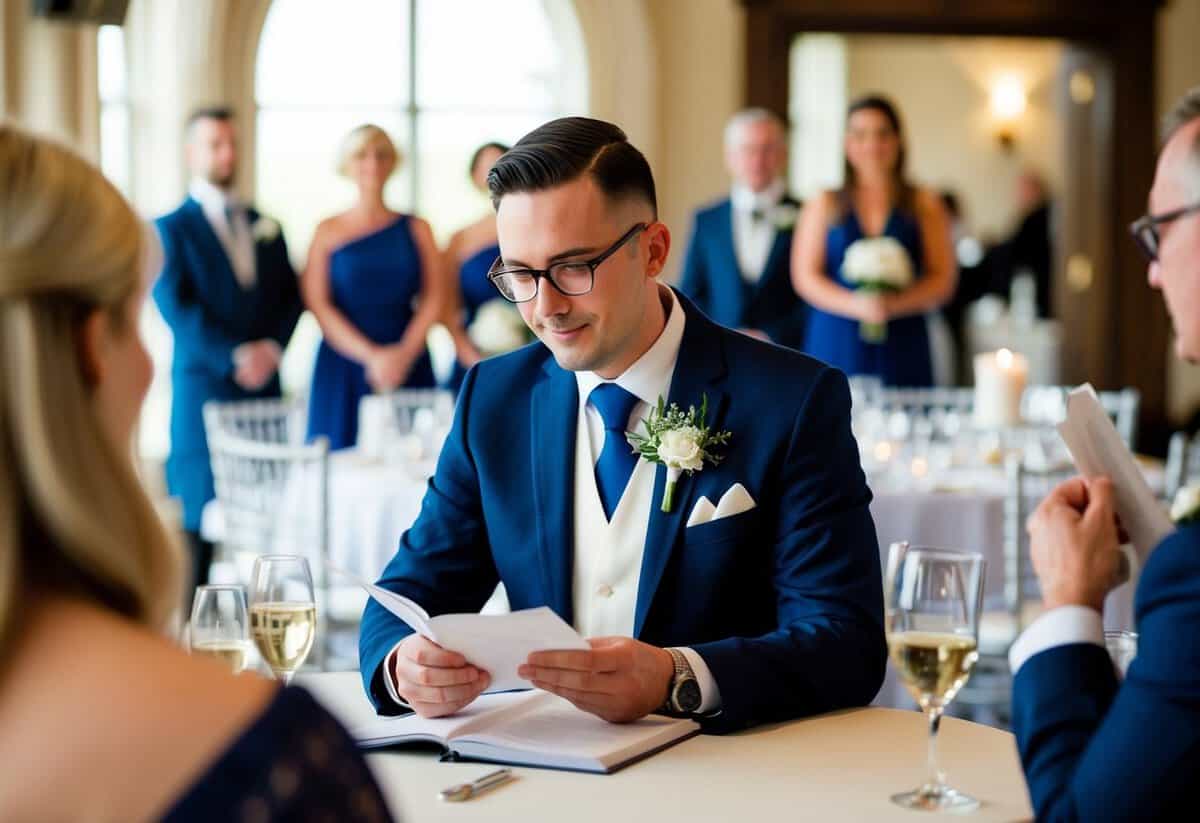
To become a wedding celebrant in Scotland, there are important steps you need to follow. This process focuses on obtaining the right qualifications and joining a recognized organization to help you succeed.
Obtain the Necessary Qualifications
First, you should know what qualifications you need to become a celebrant. While official qualifications are not mandatory, completing specific celebrant training courses can be very helpful. Look for programs that focus on ceremony planning and public speaking.
Many organizations offer training for new celebrants. Completing a course can give you skills and confidence. It also helps you understand legal requirements for performing weddings in Scotland. Additionally, some celebrants choose to get ordained to perform various ceremonies legally.
Gaining experience is also key. Volunteer at local events or shadow experienced celebrants. This hands-on approach helps you learn the ropes and build your portfolio.
Join a Recognized Organization
Joining a recognized body is a key step in your journey. Organizations like the Scottish Independent Celebrants’ Association (SICA) provide valuable resources and support. Becoming a member can enhance your credibility and connect you with other professionals.
Membership often includes training opportunities, networking events, and mentorship. Being part of a recognized group not only helps you learn more but also makes it easier for clients to find you.
It is advisable to check the specific membership requirements of organizations you are interested in. Each may have different criteria for joining, so read carefully to pick the best fit for you.
Developing Your Celebrant Practice
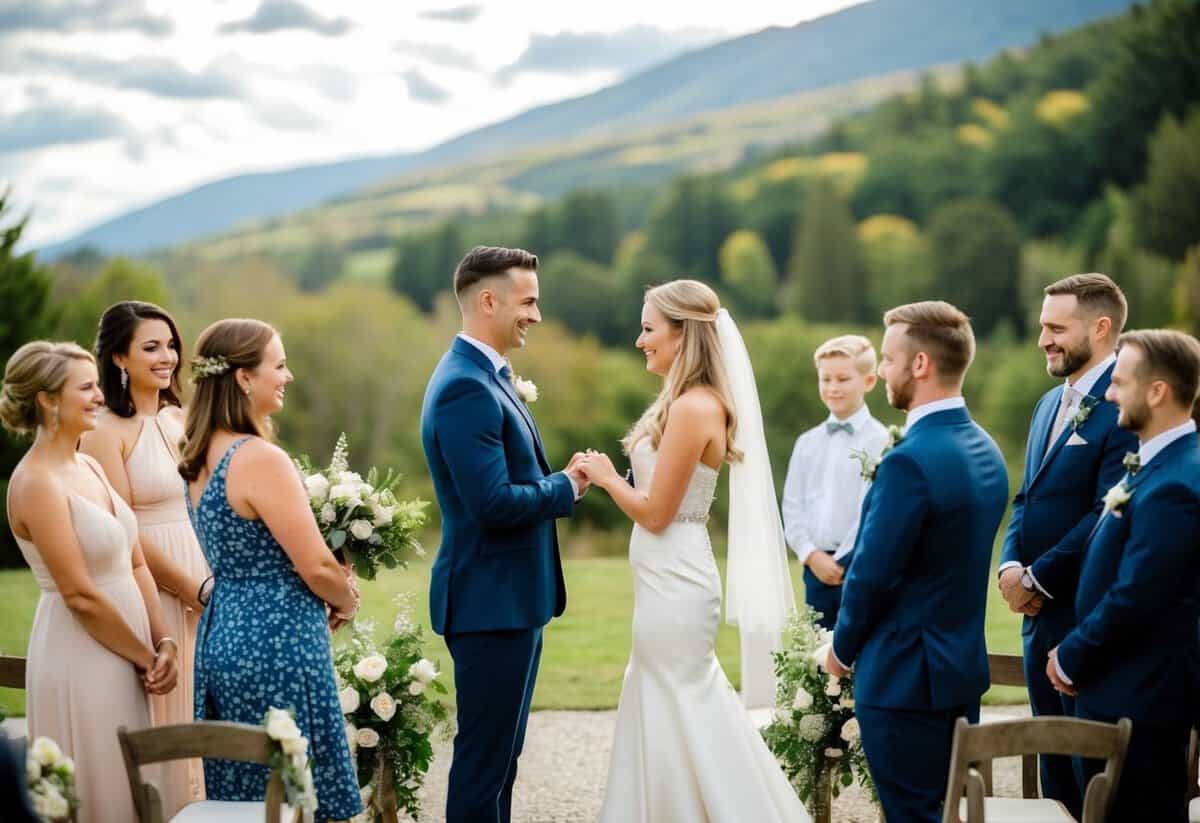
Building a successful celebrant practice involves gaining experience and offering a range of services. As you grow into your role, focus on these key areas to set yourself apart from other officiants in Scotland.
Gaining Experience
To become a skilled wedding officiant, hands-on experience is essential. Start by assisting seasoned celebrants at various ceremonies. This will give you practical insights into the flow of weddings, vow renewals, and other celebrations.
Consider volunteering for community events or offering to officiate for friends and family. This not only builds your confidence but also helps you create a portfolio of your work.
Join local wedding planning groups to network and learn more about the industry. This provides great opportunities to meet prospective celebrants and gather tips on best practices.
Offering Various Services
To appeal to a wider audience, offer a variety of services. This includes traditional weddings, vow renewals, and even unique ceremonies like naming days. Each event type allows you to showcase your versatility as an independent celebrant.
Create customizable packages that meet different needs and budgets. Being flexible in your approach will attract more clients who value tailored experiences.
Promote your services effectively using social media and a professional website. Highlight your experience, testimonials, and the range of ceremonies you can perform. This visibility will help you connect with couples looking for a celebrant who understands their vision.