
How to Become an Officiant in Texas: A Friendly Guide to Getting Started
Becoming an officiant in Texas is a rewarding way to help couples celebrate their love. To officiate a wedding in Texas, you need to be an ordained minister or meet specific requirements set by Texas marriage laws. This means you can officially conduct a wedding ceremony and make it legal for the happy couple.

In Texas, many people can become wedding officiants, including licensed ministers, priests, rabbis, and even certain officers of religious organizations. Whether you want to officiate in vibrant cities like Austin or Houston, knowing the rules will prepare you for this special role.
Are you ready to take the first step toward officiating weddings? With the right information and a little dedication, you can become a wedding officiant in Texas and create memorable moments for couples.
Understanding Texas Marriage Laws
Texas has specific laws that regulate marriage and officiants. These laws are important for you to know, especially if you want to marry a couple in Texas. Here are the key qualifications to become an officiant and the requirements for obtaining a marriage license.
Qualifications for Officiants
To officiate a wedding in Texas, you need to be at least 18 years old. You must also be ordained by a recognized religious organization or meet certain legal criteria. This includes ministers, priests, rabbis, and some government officials.
Being ordained is essential. You can obtain ordination freely through groups like the American Marriage Ministries. Once ordained, you can officiate weddings anywhere in Texas, including areas like Harris County.
Remember, it’s crucial to follow state laws laid out in the Texas Family Code, specifically Section 2.202, which discusses who can solemnize a marriage.
Marriage License Requirements
To get married in Texas, couples must obtain a marriage license. This license is issued by the county clerk’s office in the county where the marriage will take place.
Both parties must apply together and provide valid identification. Couples also need to pay a fee, which can vary by county.
It’s important to note that there is a waiting period. Couples must wait 72 hours after obtaining their license before getting married. However, this waiting period can be waived in certain situations.
Make sure your couple knows all about the requirements for obtaining their marriage license in Texas to ensure a smooth wedding day.
The Ordination Process
Getting ordained in Texas is a simple and rewarding journey. You have options to choose from various organizations that provide ordination, often online and for free. Understanding the steps and requirements will help you move forward confidently.
How to Get Ordained
To become an officiant, you first need to get ordained. Many organizations offer free online ordination. For example, American Marriage Ministries and the Universal Life Church provide a quick process to become an ordained minister.
You’ll typically fill out an online application, which may require basic personal information. Once approved, you will receive your ordination credentials, allowing you to officiate weddings legally in Texas.
Make sure the organization you choose is recognized and has good standing. This will help ensure that your ordination is accepted by local authorities.
Choosing a Religious or Non-Denominational Organization
When selecting an ordination organization, consider if you want a religious or non-denominational option. Organizations like the Christian Leaders Alliance and Christian Leaders Institute focus on faith-based ordination and often provide additional resources for your officiant journey.
Non-denominational groups, like Open Ministry, offer a more flexible approach. They allow you to define your own beliefs while still providing the necessary credentials.
Look for organizations that are IRS certified 501(c)(3) non-profits. This status can lend additional credibility and benefits to your role as an officiant. Research the programs available to find the right fit for you. Each group may have different requirements and support systems.
Registration and Legal Documentation

Becoming a wedding officiant in Texas involves a few critical steps regarding registration and legal documentation. These steps ensure you’re properly recognized to perform ceremonies.
Register with County Clerk and Obtain Required Documents
To officiate weddings in Texas, you must register with the county clerk. Start by checking the specific requirements in your county. In many cases, you will need to provide an ordination certificate, which proves legal authority to officiate.
Next, you might be asked for a letter of good standing from your ministry. This document confirms your active status and credibility. Keep your ministry credentials handy, as they reflect your qualifications.
Once you gather these documents, visit the county clerk’s office. Submit your paperwork, and they will guide you through the official process of registering as a wedding officiant. After approval, you’ll be ready to officiate weddings legally in Texas.
Conducting the Wedding Ceremony
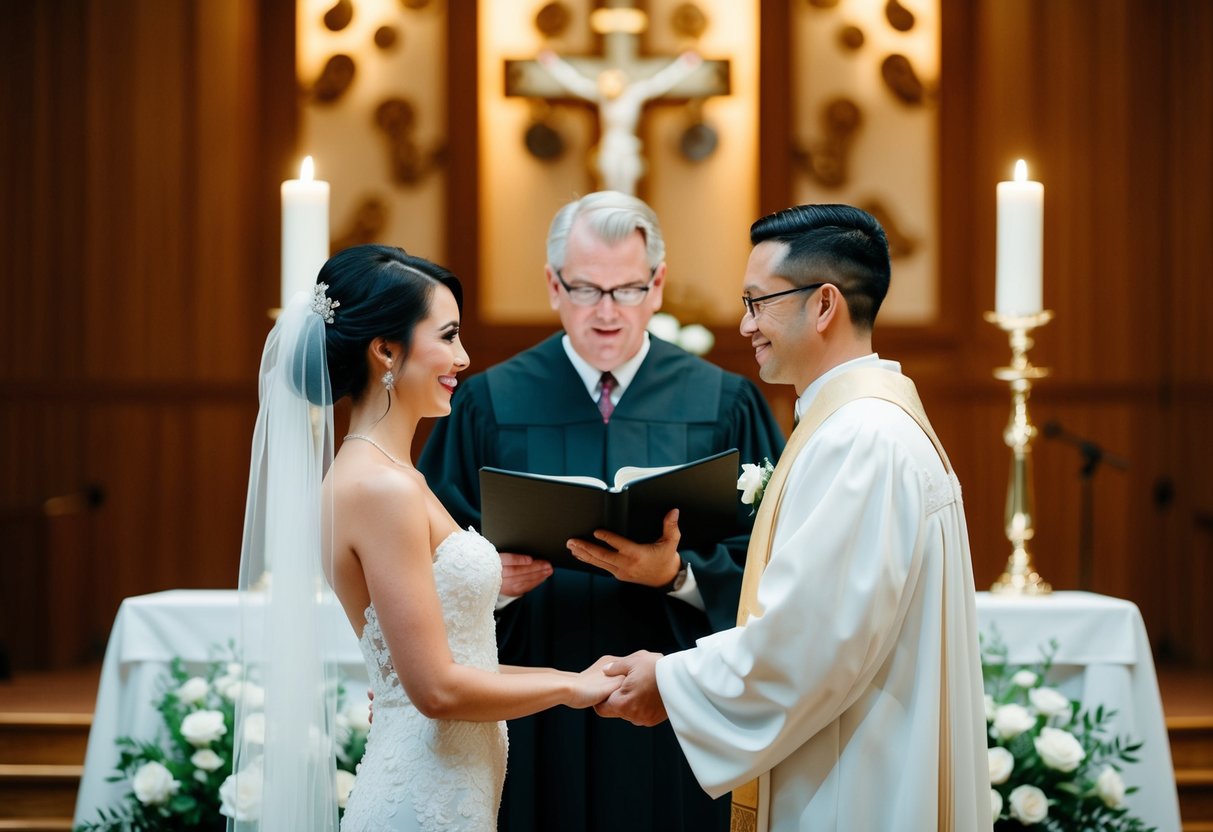
Conducting a wedding ceremony is an important role. As the officiant, you create a moment that the couple and their guests will remember forever. Preparation and personalization are key elements to ensure the ceremony runs smoothly and meets the couple’s wishes.
Preparation for Officiating Weddings
Preparing for the wedding ceremony is crucial. First, you need to meet with the couple to understand their vision. Discuss their preferences regarding the script, vows, and any special rituals they want to include.
Make sure to familiarize yourself with the legal requirements in Texas for officiating weddings. This includes how to complete the marriage license after the ceremony.
Consider creating a checklist to keep you organized. Key items might include your attire, any needed equipment, and the ceremony script. This preparation will help keep the focus on the couple during the special day.
Personalizing the Wedding Experience
Personalizing the wedding ceremony is a wonderful way to make the event unique. As the officiant, you can tailor the experience based on the couple’s stories, values, and backgrounds.
Share anecdotes that reflect their journey together. Incorporate special elements, such as unity rituals or readings that resonate with the couple.
You might include a resource like the Wedding Helper Suite, which can assist with writing meaningful vows or selecting readings.
As a non-denominational or ordained minister in Texas, you can adjust the ceremony style to fit the couple’s preferences. A personalized ceremony can create a deeper connection for everyone involved.