
How to Become an Ordained Pastor in the UK: A Friendly Guide to Your Faith Journey
Becoming an ordained pastor in the UK is a rewarding journey for those who feel a calling to serve within the Christian faith. Typically, you need to complete a theological training program and receive approval from your church or denomination. This process can vary depending on whether you are interested in the Church of England or other Christian organizations, but it generally involves both practical experience and formal study.
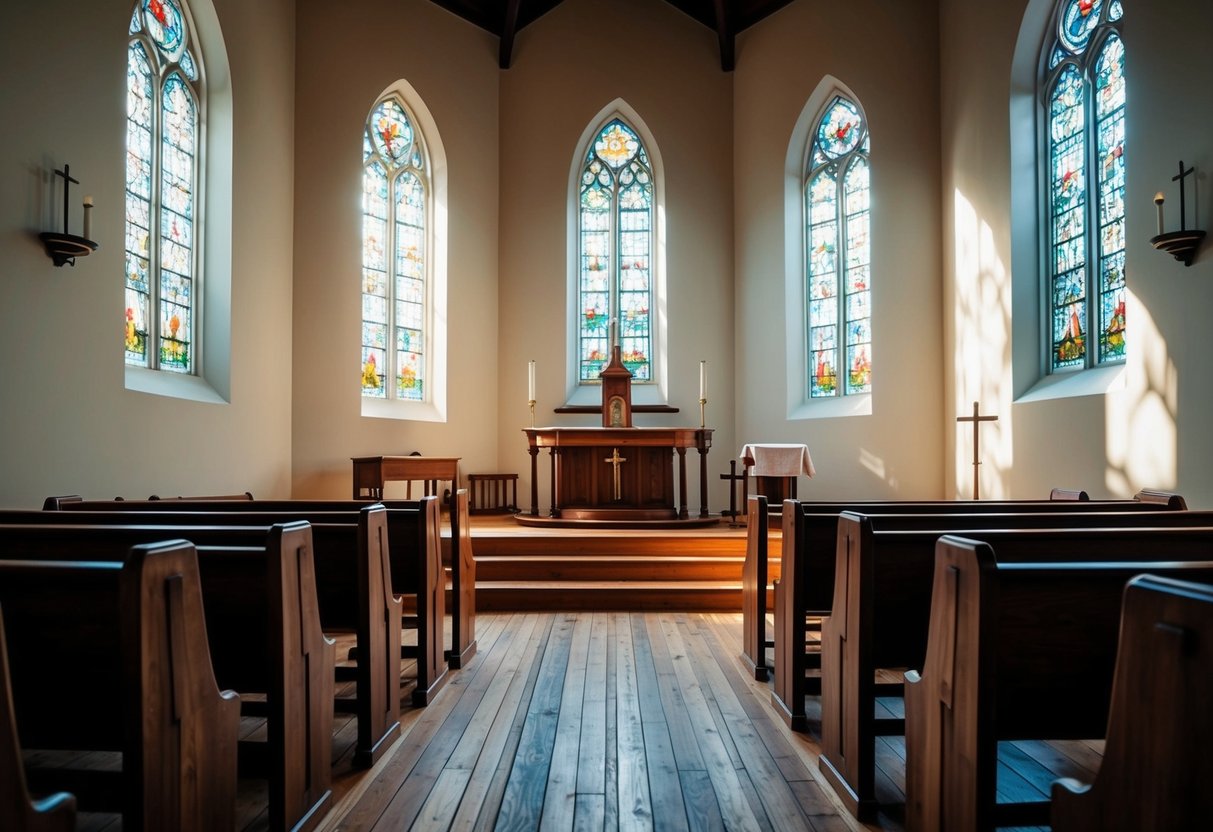
As you explore this path, you’ll discover that ordination offers a chance to make a positive impact in your community. You’ll learn essential skills in ministry and gain a deeper understanding of your faith. Whether you dream of preaching to a congregation or providing guidance to individuals, this journey can help you fulfill that vision.
Many options exist for your training, including online courses and in-person programs. Each step along the way will prepare you to serve effectively and connect with others in their spiritual journeys. Taking the first step toward ordination could be one of the most fulfilling decisions you ever make.
Understanding Ordination in the UK
Becoming an ordained pastor involves understanding the roles and commitments attached to this ministry. It’s essential to know what is expected of you and the specific path you’ll need to take within the Church of England or another denomination in the UK.
The Role and Duties of an Ordained Pastor
As an ordained pastor, your primary role is to lead and care for your congregation. This includes guiding church leadership, offering support during significant life events, and overseeing spiritual education.
You may serve as a vicar, deacon, or priest, each with different responsibilities. A vicar often leads a parish, while a deacon focuses on service and outreach. A priest administers sacraments like Holy Communion, weddings, and baptisms.
You’ll also be involved in pastoral care, helping members of your community during times of need. Building relationships is key, as you are seen as a source of support and wisdom. Being a bishop or having a role in the diocese adds further leadership responsibilities, guiding other pastors and shaping the church’s mission.
Ordination within the Church of England
If you’re interested in ordination within the Church of England, the process is specific. It usually starts with discerning your calling and finding a local Anglican pastor to discuss your goals.
You will likely go through a selection residential known as a Bishop’s Advisory Panel. Here, your readiness for ordination will be assessed. If recommended, you will enter a training pathway through a theological education institution.
Training involves deepening your understanding of Christian beliefs and practices. You’ll learn how to effectively participate in church life, prepare sermons, and lead services. This path will help you become a capable leader in your community, ready to fulfill various roles like officiating Holy Communions or weddings.
Training Pathways to Ordination
Becoming an ordained pastor in the UK involves a structured process with several key steps. You will navigate the assessment and selection process, choose an educational institution for theological training, and decide between residential and non-residential pathways.
Assessment and Selection Process
The journey begins with an assessment by the church. You will meet with a panel that evaluates your calling and readiness for ordained ministry. This step is essential, as the panel will recommend you to your bishop for ordination training.
Once recommended, your bishop will decide on your pathway. This decision considers your unique gifts and church context. You may be asked about your spiritual life, experience in ministry, and your educational background. This thorough assessment ensures you are well-prepared for the challenges of ordained ministry.
Educational Institutes for Theological Training
A variety of institutions offer theological training tailored to those seeking ordination. Notable colleges include Trinity College, Cranmer Hall, and Wycliffe Hall. Each has its own distinct approach, allowing you to find a good fit for your learning style.
Additionally, there are varied courses like the Eastern Region Ministry Course and the Local Ministry Programme, focusing on practical engagement in church life. Institutions like St. Stephen’s House and Ridley Hall offer strong theological foundations, while Emmanuel Theological College provides flexibility for part-time students.
Residential vs. Non-Residential Training
You have options when it comes to your training pathway. Residential training typically involves living in a college setting, such as Cuddesdon or Westcott House. This immersive experience allows you to be part of a close community, sharing in learning, worship, and prayer.
If you prefer flexibility, non-residential pathways can also support your journey. Full-time non-residential programs let you balance study with church responsibilities. Institutions like Lindisfarne College of Theology specialize in these structures, offering various courses tailored to your needs. Each option has its benefits, so consider what aligns best with your personal and ministry goals.
Curacy and Ongoing Development
During your curacy, you will work closely with an experienced minister. This period is a key time for hands-on learning.
You will gain skills in leading services, preaching, and pastoral care.
Your tasks may include:
- Assisting in church events
- Conducting baptisms and weddings
- Participating in church meetings
It’s also vital to establish habits of prayer. Regular prayer helps you stay grounded in faith.
Additionally, seek further training opportunities. Workshops and courses can enhance your understanding and skills.