
How to Calculate Wedding Guests: A Simple Guide for Your Big Day
Planning a wedding can be exciting, but it can also feel overwhelming. One of the biggest questions you might face is how to calculate the number of guests you can expect at your wedding.
To get a good estimate, consider the types of guests you are inviting, like local friends and family versus those traveling from out of town.
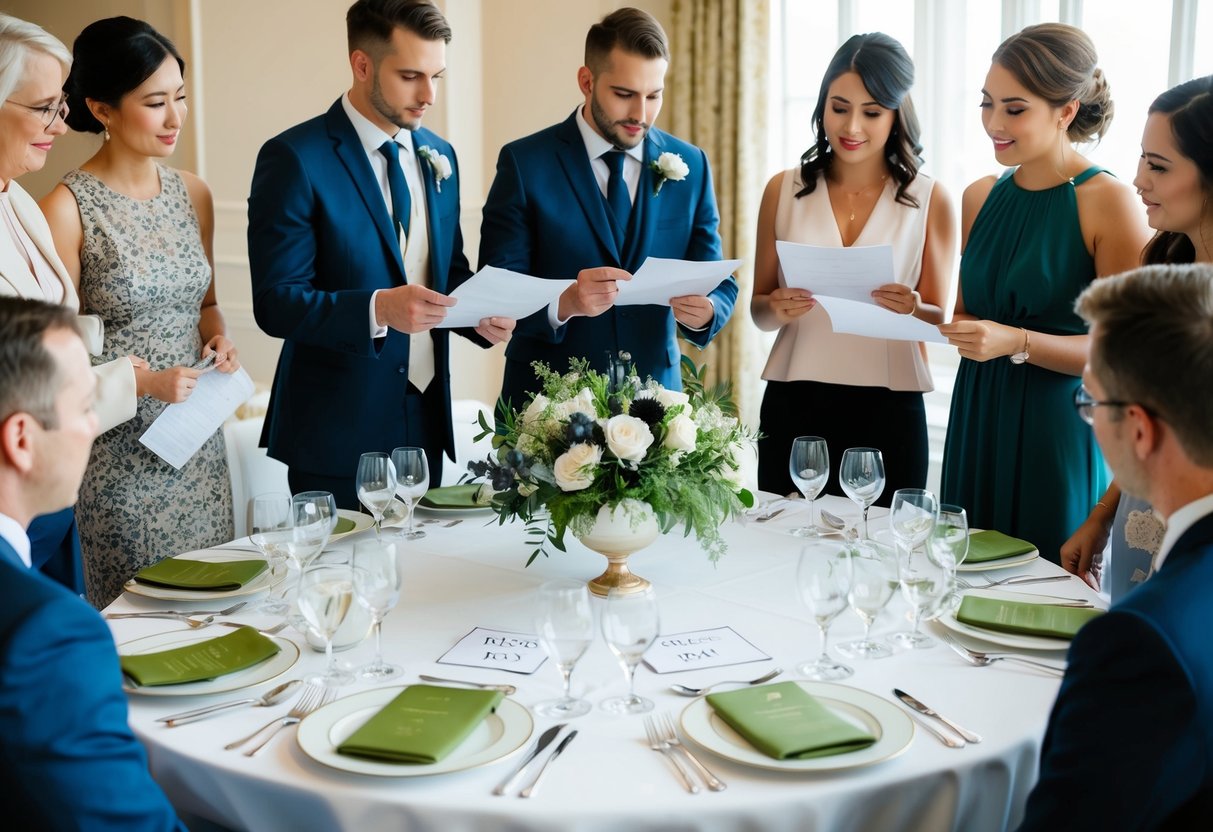
Using a wedding guest calculator can make this process easier. You can input the number of local and out-of-town guests, and the calculator helps you see a clearer picture of your expected attendance.
By having a better idea of the numbers, you can make more informed decisions about budget, venue size, and catering.
Think about your relationships and how likely each group is to attend. Understanding these factors will ensure your special day is memorable with all the important people by your side.
Understanding Guest Count Basics
Calculating the right number of guests for your wedding is essential for planning. Knowing how to define your wedding size and the importance of RSVPs will help you manage your expectations and budget effectively.
Defining Your Wedding Size
Start by deciding on the size of your wedding. Think about whether you want a large wedding with hundreds of guests or a more intimate small wedding with only close friends and family.
A wedding guest calculator can be a useful tool here. It can help you estimate attendance based on your invited guests. Remember that the average number of wedding guests typically hovers around 100.
When making your guest list, include everyone you want to invite. This group should encompass parents, close family, and friends. Consider the relationship you have with each potential guest, as this often influences their likelihood of attending.
The Role of RSVPs in Planning
RSVPs are crucial for managing your guest count. They give you a clearer picture of who plans to attend, which is especially important for caterers and venue arrangements.
Track your RSVPs carefully to refine your guest estimate. Attendance rates can vary, so plan for about 85% of local guests to attend and 55% of out-of-town guests.
You’ll also want to account for guests who might bring a plus-one. This can impact your numbers and budget. Using an RSVP tracking system can simplify this process, ensuring you get accurate counts in time for your wedding planning.
Building and Organizing Your Guest List
Creating a well-organized guest list is crucial for your wedding planning. It helps you decide who makes the cut and allows you to keep track of details like invitations and meal choices. This will also assist your caterer in planning accurately based on your final headcount.
Categorizing Guests into A-List and B-List
Start by dividing your list into A-List and B-List guests. Your A-List includes must-have guests, such as close friends and family. These are the people you want to share your special day with, so don’t hesitate to include them.
Your B-List contains those you’d like to invite if space allows. These could be acquaintances or distant relatives. It’s a good idea to estimate the number of A-List guests first. Keeping a clear distinction helps you stay within venue and budget limits.
Consider using a simple table to visualize your guest list:
| Guest Type | Names | RSVP Status |
|---|---|---|
| A-List | Jane Doe, John Smith | Confirmed |
| B-List | Mike Brown, Emily White | Pending |
This method keeps everyone organized and helps you track who responds to your invitations.
Considerations for Plus-Ones and Children
When deciding on plus-ones and whether to invite children, think about your overall wedding vision. If you’re aiming for an intimate setting, consider limiting plus-ones to significant others only. This protects your guest count, ensuring you can include your priorities.
If you choose to invite kids, make it clear on the invitations. You can specify if it’s a family-friendly event or an adults-only celebration, which can help prevent confusion.
Create a separate section in your list for plus-ones and children, noting their names:
| Name | Plus-One | Child |
|---|---|---|
| Jane Doe | John Doe | – |
| Mike Brown | – | Lily Brown |
Balancing your preferences with your capacity will lead to a smoother planning process.
Accommodations for Different Types of Guests

When planning for your wedding, it’s important to consider the different types of guests you will host. Local guests often have different needs compared to out-of-town visitors. Understanding these differences can help you create a comfortable experience for everyone.
Local vs. Out-of-Town Guests
Local guests can usually travel to your venue easily. Since they are nearby, their attendance rate may be higher, often around 85-90%. This group might not need accommodations, but offering them information on nearby hotels or local attractions can enhance their experience.
For out-of-town guests, attendance may be lower, usually between 55-65%. Their travel can involve costs and logistical issues, so it’s crucial to estimate the number of rooms you will need for these guests. You can do this by calculating the expected number of out-of-town attendees and multiplying it by the percentage likely to need accommodations.
Additionally, consider booking a block of hotel rooms, which can offer discounts and make their stay more convenient.
Handling Destination Wedding Dynamics
Destination weddings come with their own set of challenges and considerations. Since most guests are traveling to a new location, they may require guidance on travel arrangements. Providing clear information about flights, transportation options, and local accommodations can help ease their concerns.
Encourage your guests to book early for better rates. You might even consider providing welcome packets with helpful tips and small wedding favors to make them feel appreciated. Also, think about scheduling group activities to allow everyone to bond before the big day. This extra effort can enhance their overall experience and make your special event memorable.
Budgeting for Your Wedding Guests
When planning your wedding, budgeting for your guests is crucial. The number of guests affects many costs, including catering and venue selection.
Start by determining your wedding budget. Decide how much you can spend overall. A common average wedding cost is around $30,000, but this varies by location and style.
Next, consider your venue capacity. Make sure it can comfortably hold your guest list. You don’t want to feel cramped or worry about seating.
A caterer often charges per person. Typical costs range from $30 to $150 per guest, depending on the menu. Multiply the number of guests by the average cost to estimate catering expenses.
For example:
- 50 guests x $50 = $2,500
- 100 guests x $100 = $10,000
Don’t forget to factor in additional costs for drinks, appetizers, and desserts.
Also, be mindful of potential plus-ones. If you allow them, your guest count could increase significantly. Review your list and estimate around 30% may bring a date.
Tracking your expenses using a spreadsheet can help you stay organized. Update it as plans change to keep control over your budget. This makes it easier to adjust if needed.
By planning wisely, you can enjoy your special day without financial stress.