
How to Cater for 80 Guests: Tips for a Memorable Event
When planning an event for 80 guests, it can be a little overwhelming, but it doesn’t have to be. Aim for around 6 to 8 trays of food, focusing on variety to please different tastes. This ensures everyone has enough to eat and can try different dishes.
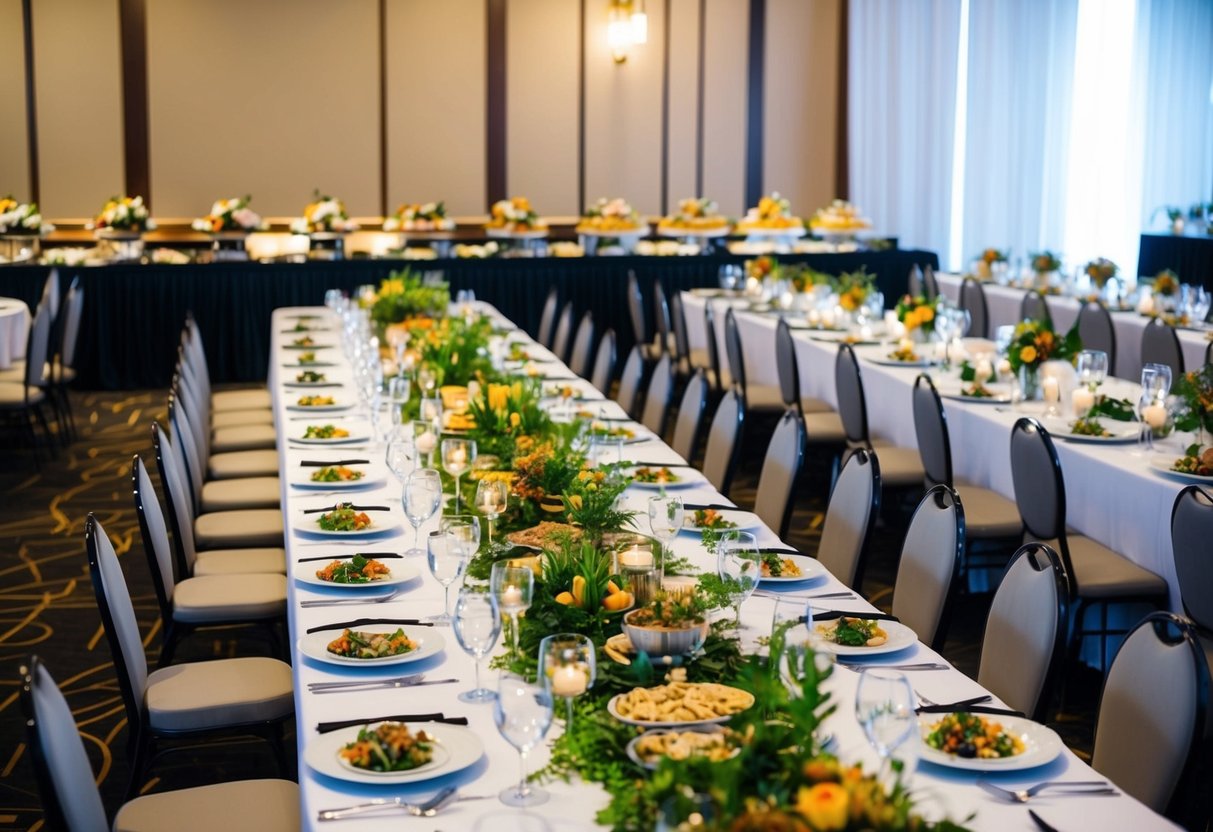
Consider the type of event you are hosting. A buffet-style meal typically requires more food since guests will want to sample multiple items. Planning for about 1.5 servings per person is smart, bringing your total to around 120 servings.
Don’t forget to think about dietary restrictions and preferences. Offering a mix of proteins, vegetarian options, and desserts will help to make sure that all your guests are happy and satisfied.
Planning Your Catering Needs
When you’re planning to cater for 80 guests, it’s important to think carefully about the quantities of food you’ll need. Also, make sure to consider any dietary restrictions or preferences that your guests may have. This will help you create a menu everyone can enjoy.
Calculating Food Quantities
To ensure everyone has enough to eat, a good rule of thumb is to plan for about 1.5 servings per person. For 80 guests, that means you should prepare around 120 servings of food.
You can break this down by following typical portion sizes:
- Entrées: 5-6 oz. per person
- Sides: 3-4 oz. per person
- Salad: 2-3 oz. per person
- Dessert: 2-3 oz. per person
If it’s a buffet-style meal, this approach gives guests flexibility. Keep in mind certain types of cuisine, like Mexican or Italian, can fill guests up quickly. So, you might need fewer sides with those dishes.
Considering Dietary Restrictions and Preferences
A variety of dietary restrictions and preferences may impact your guest list. Common considerations include vegetarian, vegan, gluten-free, and nut-free options.
Ask your guests ahead of time if they have any specific needs. Offering at least two options per course will help everyone feel included.
For example:
- Entrée Options: Grilled chicken and a vegetable stir-fry
- Side Options: Quinoa salad and roasted vegetables
Label each dish clearly at the event to aid guests in making informed choices. This will make your catering not only delicious but also considerate of every guest’s needs.
Selecting the Menu
Creating a menu for 80 guests requires careful thought about options that will satisfy all tastes. Diversity is key, as it ensures that everyone finds something they enjoy.
Choosing Appetizers and Hors d’Oeuvres
Start by offering a mix of hot and cold appetizers. A good rule of thumb is to plan for about 6-8 pieces per person. Options like meatballs, mini quiches, and vegetable platters are popular.
Consider including some unique selections, such as skewers or spring rolls, to add variety. You might want to include vegetarian options to cater to different dietary needs.
Here’s a quick list for inspiration:
- Hot Appetizers: Stuffed mushrooms, shrimp cocktail, and cheese sliders.
- Cold Appetizers: Caprese skewers, crudité platters, and deviled eggs.
Designing the Main Dishes
For the main courses, aim for at least two different proteins. Consider options like roasted chicken, beef brisket, or a vegetarian lasagna. Offering a good mix of flavors will keep your guests happy.
Plan for around 6-8 ounces of protein per person, along with more carbohydrates such as pasta or rice.
Don’t forget about gluten-free and vegetarian options! Here are some suggestions:
- Meat Options: Grilled chicken, pulled pork.
- Vegetarian Options: Stuffed bell peppers, quinoa salad.
Assortment of Sides and Desserts
Side dishes enhance the meal and should complement your main courses. A balance of flavors and textures will keep things interesting. Think about including a mix of greens and starches.
For your sides, consider:
- Salads: Caesar or garden salad.
- Starches: Roasted potatoes, rice pilaf.
Desserts are essential for a well-rounded meal! Offering a selection, like brownies, fruit tarts, and mini cheesecakes, gives guests a chance to indulge.
You may want to calculate about 1-2 servings of dessert per person for larger groups. An assortment will ensure there is something for everyone.
Organizing the Buffet Setup
Setting up a buffet for 80 guests requires careful planning. You need to determine the right tray sizes and quantities, as well as create an effective layout for the buffet line. This ensures everyone has a smooth experience when serving themselves.
Determining Tray Sizes and Quantities
Choosing the right tray sizes is critical to ensure you have enough food for everyone. For 80 guests, plan on using full trays that hold enough food for about 25 servings each.
For example, you might consider:
- 2 Full Trays for a main dish (like pasta or meat)
- 1 Full Tray for each side dish (vegetables, rice, etc.)
- 1-2 Half Trays for appetizers (like salads or small bites)
This means you may need around 6-8 full trays depending on what you serve. Always round up to ensure no one goes hungry!
Layout and Flow of the Buffet Line
The layout of your buffet table affects how smoothly guests can serve themselves. To prevent a bottleneck, arrange your table so that guests can access both sides.
Start with plates at one end, followed by salads, main dishes, sides, and then desserts.
Consider using clear signage to label each tray. This helps guests know what to expect.
Keep the most popular dishes at the front to encourage flow. If you have various dishes, stagger the trays to allow easy access without crowding.
Ensure there’s space for guests to move and enjoy their meal comfortably!
Executing a Smooth Catering Event
Successful catering for a large group involves careful coordination and timing. By working closely with your catering staff and managing the event’s schedule, you can create a memorable and enjoyable experience for your guests.
Coordinating with Catering Staff
Effective communication with your catering staff is crucial. Before the event, share your vision and specific needs. Discuss the menu choices, dietary restrictions, and any special requests. This ensures everyone is on the same page.
Designate a point person from your catering team to handle questions and concerns during the event. This staff member will manage food service and guest interactions. Make sure they have the necessary information about your guests.
Consider creating a checklist for the catering staff. Include tasks like setting up food stations, replenishing supplies, and monitoring food temperature. This will help them keep track of important details and ensure a smooth operation.
Managing the Timing of the Event
Timing can make or break your catering experience. Start by developing a detailed timeline. Include when food preparation begins, when it should be served, and how long each course will last.
Factor in the duration of the event when planning the menu. For instance, if you have a long event, consider serving appetizers before the main course. This keeps guests engaged and satisfied while waiting for the main dishes.
During the event, make sure to maintain flexibility to accommodate any changes. Work with your catering staff to manage delays or difficulties smoothly. Avoid rushing dishes, as this can impact quality.
Plan for leftovers, too. If you anticipate extra food, arrange for proper storage or consider giving guests to-go containers. This adds value for them while reducing food waste.