
How to Create a Budget Spreadsheet for a Wedding: A Simple Guide to Managing Your Big Day Costs
Planning a wedding can feel overwhelming, especially when it comes to managing expenses. A budget spreadsheet is a practical way to keep track of your spending and ensure you stay within your limits. This tool will help you outline all necessary expenses, from the venue to the flowers, making the planning process smoother and more organized.
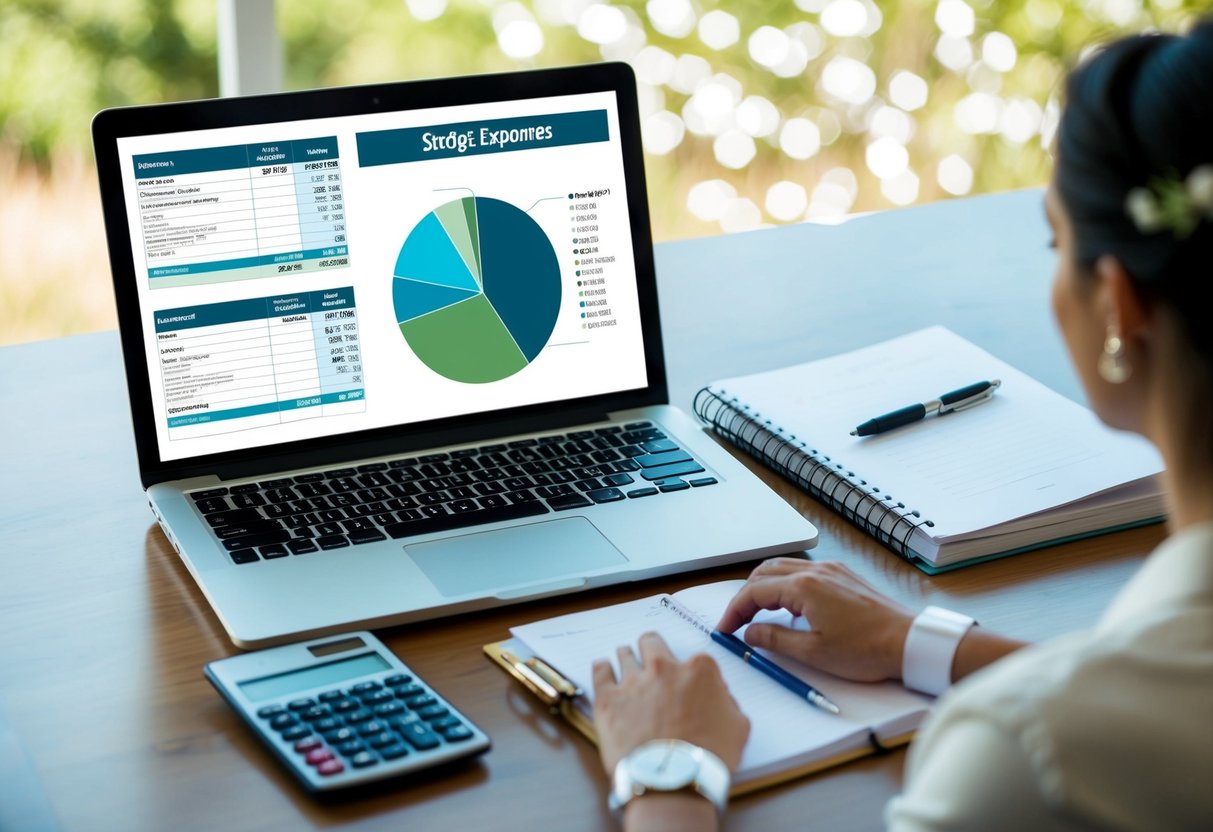
You don’t have to be a spreadsheet expert to create one. Start by listing all expense categories, like catering, décor, and entertainment. Then, include estimated costs alongside actual amounts spent, so you can see how well you’re sticking to your plan. With easy access to a wedding budget spreadsheet, you can adjust your spending as needed and avoid surprises along the way.
By understanding where your money goes, you can make informed decisions and prioritize what matters most for your special day. Stay on top of your budget, and you’ll have more time to enjoy the exciting moments of wedding planning!
Getting Started with Your Budget Spreadsheet
Creating a wedding budget spreadsheet can keep your planning organized and stress-free. You’ll want to choose the right platform first and outline essential categories to track your expenses effectively.
Choosing the Right Platform
You have a few options when it comes to platforms for your wedding budget spreadsheet. Microsoft Excel and Google Sheets are two of the most popular choices.
Excel offers advanced features like graphs and charts, which can help visualize your spending. On the other hand, Google Sheets is perfect for collaboration. You can share it with family members or your partner for feedback.
If you prefer a ready-made solution, look for a free wedding budget template online. This saves time and ensures you start with a clear structure.
Essential Columns and Categories
To make your budget effective, set up essential columns and categories. Start with basic headers like:
- Category: This could include venue, catering, and entertainment.
- Estimated Cost: The projected expense for each category.
- Actual Cost: Track what you end up spending to see any differences.
- Paid: Mark off which items you’ve already paid for.
These headers can help you organize your budget worksheet clearly. Consider also adding columns for notes and due dates to manage payments effectively.
Setting Up Your Wedding Budget
Begin setting up your wedding budget by inputting the average wedding cost statistics. According to recent studies, many weddings can range from $20,000 to over $30,000.
Start by listing all categories, such as the venue, attire, and photography. Be specific and break down larger categories into subcategories. For example, under catering, list food, drinks, and staff.
Set your estimated costs by researching local prices or using resources to gather information. This initial setup will give you a clearer financial picture as you make decisions. Regularly update your spreadsheet to reflect real expenses, ensuring your budget stays on track.
Detailed Budgeting for Key Wedding Categories
Creating a wedding budget requires careful planning for several key categories. Each area can significantly impact your overall costs and requires attention to detail to stay on track. Here’s a look at the essential categories you should budget for.
Venue and Accommodation
Choosing the right venue is often the first big decision in your wedding planning. You need to consider both the ceremony and reception venues. Costs can vary widely based on location, size, and the day of the week.
- Ceremony Venue: Prices may range from $1,000 to $5,000, depending on whether it’s in a church, park, or banquet hall.
- Reception Venue: This often takes the biggest chunk of your budget, usually between $2,500 and $10,000.
Don’t forget to include accommodation for guests if your wedding is out of town. Booking a block of rooms can save money. It’s wise to compare venue options and factor in rental fees, deposits, and any extras like tables and chairs.
Catering and Food
Food can be one of the most memorable parts of your wedding day. You will want to choose a catering style that fits your vision and budget.
- Types of Catering: Options include buffet meals, plated meals, or even food stations. Costs generally range from $25 to $150 per person.
- Beverages: Consider whether you will offer an open bar, cash bar, or limited drinks. Budgeting for alcohol can add another $15 to $75 per person.
Make sure to account for tastings and additional fees for servers. Planning your menu around seasonal ingredients can also help save on costs while making your meal delightful.
Photography and Videography
Capturing your special day through photos and videos is essential. You’ll want to budget for professionals who can deliver quality work.
- Photographers: Prices can vary from $1,000 to $5,000. Look for packages that include engagement shoots or albums.
- Videographers: Expect to spend between $1,200 and $3,500 for coverage.
Consider the importance of having a second shooter for more angles and coverage, though this will increase costs. Always read reviews and check portfolios to find a style that resonates with you.
Attire and Beauty
Your attire plays a crucial role in your wedding day and budget. This includes the wedding dress, tuxedo, and accessories.
- Wedding Dress: Costs can range from $500 to $5,000. Include costs for alterations and accessories like shoes and veils.
- Groom’s Attire: Rental suits are usually more budget-friendly at around $200 to $400.
Don’t forget to budget for hair and makeup. Professional services can range from $100 to $300 per person, so it can add up quickly depending on the number of bridesmaids.
Decors and Flowers
Deciding on decor and flowers sets the tone for your wedding. These elements can transform your venue into a dreamy setting.
- Floral Arrangements: Bouquets and centerpieces can start from $1,500 to $5,000. Seasonal flowers can help cut costs.
- Decor: Think about lighting, table settings, and any rental items like linens. Budget between $1,000 and $3,000 for these items.
Consider DIY options where possible, but make sure to balance your time and effort. Simplified decor themes can also be beautiful and cost-effective.
Entertainment and Music
Music can create a great atmosphere at your wedding. Choosing between a band or a DJ will impact your budget.
- Live Band: This typically costs between $2,000 and $7,000, depending on the size and length of performance.
- DJ Services: A DJ can range from $800 to $2,500, which is often more budget-friendly.
Also, consider additional entertainment like photo booths or performers. Getting quotes in advance helps you compare options and negotiate effectively.
Stationery and Favors
Your wedding invitation sets the first impression for guests. Budgeting for stationery includes more than just invites.
- Invitations: Costs typically range from $300 to $1,200, depending on design and printing methods. Consider digital invitations to save money.
- Favors: Plan on spending between $2 and $10 per guest for thank-you gifts, such as personalized items or edible treats.
Don’t overlook postage costs and potential save-the-date cards. Simple designs can be elegant and cost-efficient, while thoughtful favors will be appreciated by your guests.
Budget Management and Monitoring
Managing your wedding budget effectively is essential to ensure you stay on track. Focusing on tracking expenses, adjusting allocations, and planning for unexpected costs can help you maximize your budget.
Tracking Expenses and Payments
Begin by listing all your wedding expenses in a budget spreadsheet. Include items like venue costs, catering, and decorations. Using a wedding budget calculator can help you break down costs into manageable categories.
Create a detailed table to track payments. For example:
| Expense | Estimated Cost | Actual Cost | Paid? |
|---|---|---|---|
| Venue | $5,000 | $5,000 | Yes |
| Catering | $3,000 | No | |
| Photography | $2,000 | $2,000 | Yes |
This table helps you see where you stand. Regularly update it to reflect changes and keep everything organized.
Adjusting Budget Allocations
After tracking expenses, you may find that some areas need more funding. Review your budget breakdown to identify areas where you can shift funds. If you spent less on flowers, for instance, consider reallocating those funds to the photographer or catering.
Prioritize your must-have items. Make a list of items that are important to you, and those you can reduce if needed. This flexibility helps keep you within your budget while allowing you to celebrate your special day.
Planning for Unexpected Costs
Unexpected costs can arise, so plan ahead. Consider buying wedding insurance to cover cancellation or vendor issues. Set aside a small percentage of your total budget for surprises. This could be 5-10% of your wedding budget.
Use your wedding budget spreadsheet to add a “Contingency Fund” line item. When budgeting, think about potential hidden costs, like gratuities or travel for guests. Being prepared helps you stay calm and focused.
Finalizing the Guest List and Its Impact on the Budget
Creating your guest list is an important step in your wedding planning. The number of guests you invite directly affects your budget. Each guest adds to costs like catering, invitations, and favors.
Start by determining your guest count. Aim to balance the number of guests with your budget. A smaller guest list usually leads to lower costs.
Use a wedding checklist to manage your task. It makes tracking your list easier. You can note RSVPs and any special needs guests might have.
Consider using a printable wedding budget to visualize your expenses. You can categorize costs, making it simple to see how much you can spend per guest. This helps you keep your budget in check.
When finalizing your list, think about:
- Close family and friends
- Work colleagues
- Plus-ones for significant others
Each decision will impact your guest count and, ultimately, your wallet. Remember to check if your venue has a maximum capacity to avoid over-inviting. Keep in mind that even small changes in the guest list can change the overall cost. With careful planning, you can create a guest list that fits your vision and budget.