
How to Create a Seating Chart for a Wedding: Your Simple Guide to Organizing Guests
Creating a seating chart for your wedding can feel like a daunting task, but it doesn’t have to be! The key to an effective wedding seating chart is thoughtfully grouping your guests in a way that fosters enjoyment and connection. By carefully considering relationships, interests, and dynamics, you can help ensure that everyone has a great time during your special day.
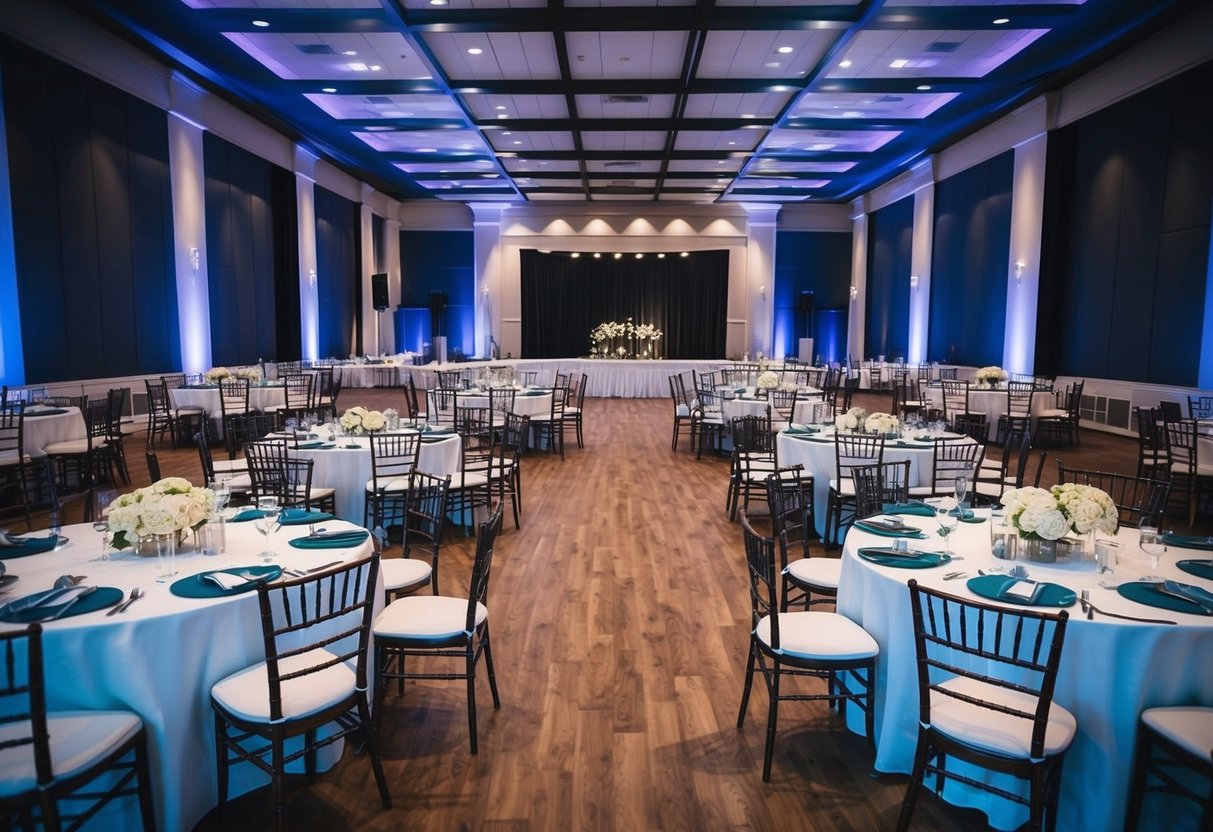
As you embark on this part of your wedding planning journey, remember that a well-organized seating chart not only enhances the flow of your reception but also can reduce stress for your guests. Taking the time to create clear seating arrangements shows your guests that you care about their experience. Plus, using online tools can simplify this process and make it more enjoyable.
From figuring out how many tables you need to deciding who sits where, there are several steps involved in making your seating chart. With the right approach, you’ll find that creating a seating chart can be a fun and rewarding part of your wedding planning!
Preparing Your Guest List
Creating a wedding seating chart starts with a solid guest list. You’ll need to collect RSVPs and understand your guests’ needs to form a seating arrangement that makes everyone comfortable.
Collecting RSVPs and Confirmations
Start by reaching out to your guests well in advance. Send out invitations that include an RSVP request. You can use traditional mail or online platforms for convenience.
Make a list to keep track of who responds. A simple table can help:
| Guest Name | RSVP Status | Notes |
|---|---|---|
| John Smith | Yes | Bringing girlfriend |
| Jane Doe | No | Family emergency |
| Alex Johnson | Maybe | Waiting on work schedule |
Follow up with guests who haven’t replied. Knowing the final count is crucial for planning your seating arrangement and catering.
Understanding Guest Needs
Every guest has unique needs that can affect seating plans. Some may require special dietary arrangements, while others might have mobility issues. Make a note of these details.
When collecting RSVPs, ask about dietary requirements. You could include a simple survey question about food restrictions or preferences. Here are common dietary categories to consider:
- Vegetarian
- Vegan
- Gluten-free
- Allergies (e.g., nuts, dairy)
Understanding these needs will help create a welcoming atmosphere for all your wedding guests. Place guests with similar dietary needs at the same table to simplify meal distribution.
Pay attention to relationships among guests too. Seating friends or family members together will enhance comfort and enjoyment during your big day.
Choosing Seating Chart Tools and Templates
Creating a seating chart can be easy and fun with the right tools. You can choose between digital makers or printable templates. Each has its benefits that can help you organize your wedding seating efficiently.
Digital Seating Chart Makers
Using a digital seating chart maker is a great way to customize your seating arrangements. Many online tools allow you to drag and drop guests into their seats. You can use various wedding seating chart templates to match your wedding theme.
For instance, platforms like Canva offer a wide range of designs that you can easily edit. Most online tools also let you download your chart in multiple formats, such as PDF or PNG. This way, you can share it with your venue or print it out for guests.
Additionally, these tools often let you rearrange guests and tables quickly. You can also add notes or special instructions for each table. This flexibility makes digital chart makers very handy for weddings.
Printable Templates and Downloads
If you prefer a hands-on approach, printable templates are a good option. You can find many seating chart templates online that you can download and print at home. These templates are often customizable, allowing you to fill in guest names and table numbers on your own.
Some websites offer free downloads, while others may charge a small fee. You can choose from different styles, such as classic, modern, or rustic themes. With printable options, you also have the chance to use decorative fonts and colors that match your wedding vibe.
Once your seating chart is ready, simply print it out in a size that everyone can read. Consider placing it in a beautiful frame or on an elegant stand at your wedding entrance for easy access.
Arranging the Seating Layout
Creating a wedding seating layout involves careful planning to ensure your guests feel comfortable and enjoy the celebration. You’ll need to consider table shapes, placement for key guests, and how to enhance the overall experience for everyone.
Deciding on Table Shapes and Sizes
Choosing the right table shapes and sizes is important. Round tables promote conversation, making them great for social interactions. Rectangular tables can create a more structured look and may work well for larger guest lists.
Think about your reception venue space. A floor plan creator can help visualize how different table arrangements fit within your layout.
For instance, a mix of round and rectangular tables can add visual interest and cater to different group sizes. Ensure there’s enough space between tables for guests to move easily.
Positioning the Wedding Party and VIPs
Position your wedding party and VIPs strategically. The sweetheart table, often placed front and center, allows you to focus on each other while interacting with guests. Your head table should be close to the dance floor or main activities.
Consider creating a separate area for VIPs like close family or important guests. This shows appreciation and ensures they have a prime view of the ceremony and reception highlights. Make sure their table assignments are clear on your seating chart for easy navigation.
Optimizing Guest Experience
The goal is to make sure your guests feel comfortable and included. Take into account your wedding theme when deciding where to place tables. A cohesive look helps create a warm atmosphere.
Organize seating by grouping friends and family together while mixing different social circles to encourage new friendships. Avoid placing people who may not get along at the same table.
Clearly label tables and provide a seating chart to manage seating effectively. A simple layout will guide your guests smoothly to their assigned spots, enhancing the overall guest experience.
Final Touches and Day-Of Coordination
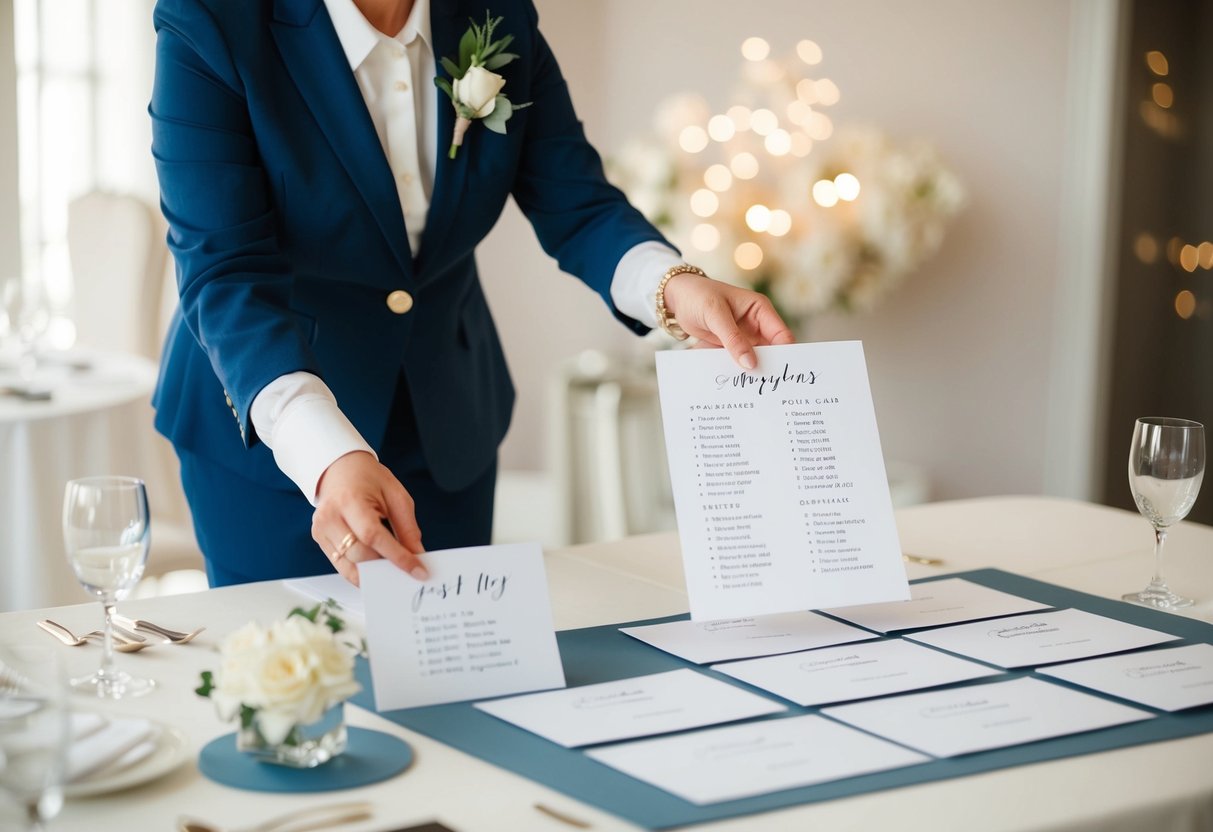
As you get closer to your wedding day, it’s time to focus on the final details that bring your seating plan to life. You’ll need to create seating cards that match your theme and ensure everything runs smoothly on the big day.
Creating Seating Cards and Chart Displays
Start by designing your seating cards. These cards should reflect your wedding style, whether elegant, rustic, or fun. Consider using a mix of textures and colors that fit your theme.
Each card should include the guest’s name and their assigned table number. You can choose to have a visual representation of the seating arrangement, such as a wedding reception seating chart that can be displayed at the entrance.
Make sure it’s clear—offer a chart view for those who prefer a visual guide, and a list view for others. This helps guests quickly find their names.
Using a wedding planner or a seating layout tool can simplify this process. Don’t forget to place extra seating cards at each table.
Implementing Seating on the Wedding Day
On your wedding day, appoint a point of contact for seating arrangements. This person could be a bridesmaid or groomsman who can help with any last-minute needs.
Setting up a designated area for your seating chart is important. Make sure it’s easy to spot as guests arrive. This helps everyone find their seats quickly and keeps the reception moving smoothly.
Be flexible and anticipate any changes. Some guests might need to switch seats due to unexpected circumstances. Have a plan in place to accommodate any changes without causing chaos during the event.
With careful planning, you can create an enjoyable experience for you and your guests.