
How to Do a Buffet for 100 Guests: Tips for a Stress-Free Celebration
Planning a buffet for 100 guests can seem daunting, but it can be a fun and rewarding experience. To successfully cater for 100 guests, focus on serving a variety of buffet-style meals that everyone can enjoy. Think about all the different types of food that can appeal to various tastes, like proteins, sides, and desserts.
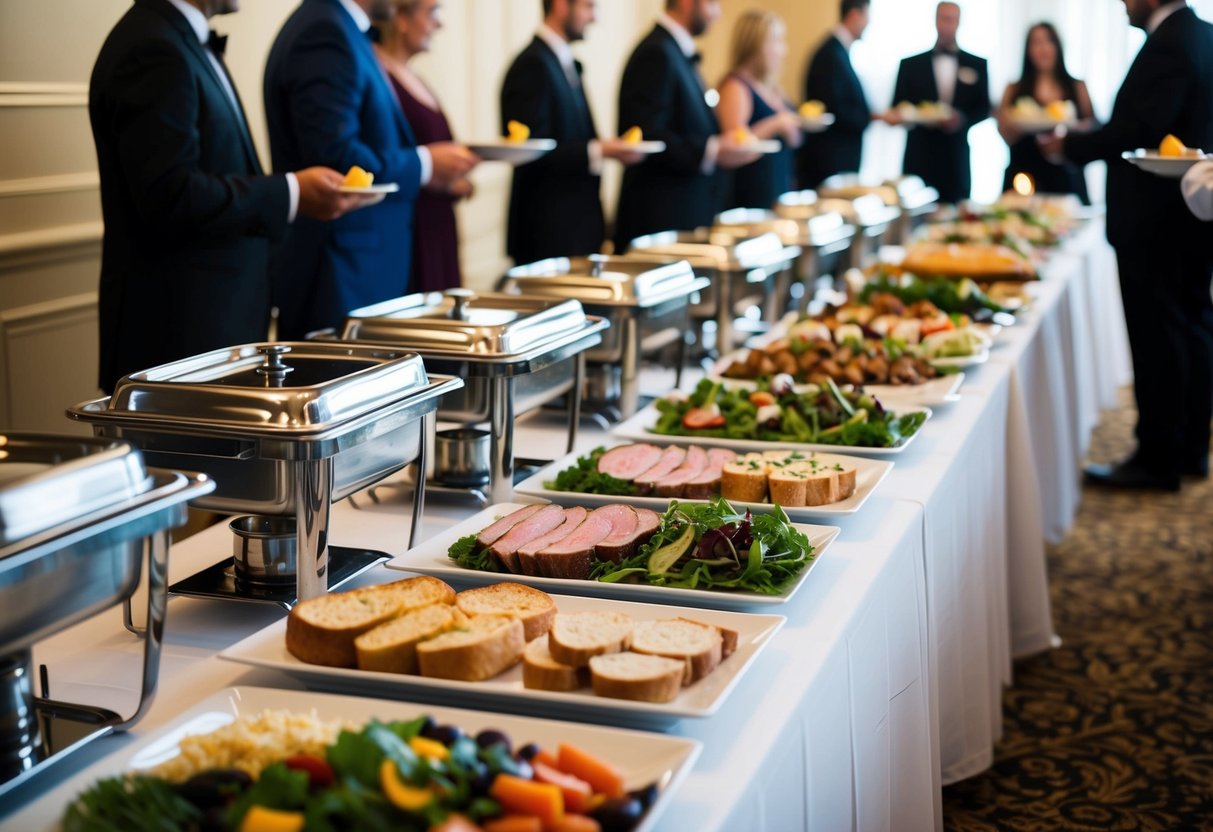
Cooking for a crowd means you can prepare larger batches of popular dishes, which often leads to cost savings and less stress in the kitchen. Utilize seasonal and locally sourced ingredients to keep the menu fresh and affordable. By embracing simple yet delicious options, you can ensure all your guests leave satisfied.
Setting up the buffet line is crucial for a smooth flow during the meal. Plan your layout so guests can easily access food and find a variety of options without feeling rushed.
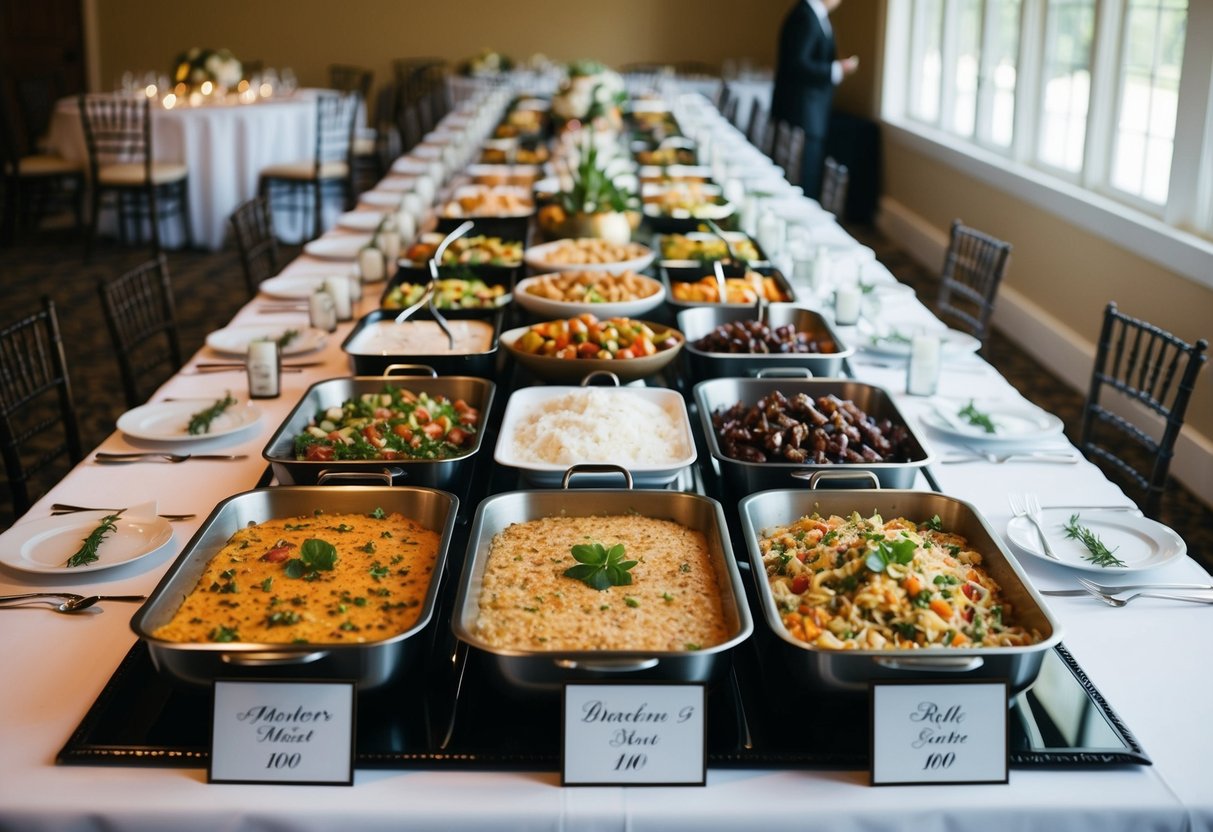
By keeping these tips in mind, you’ll create an enjoyable dining experience for everyone involved.
Planning Your Buffet
When planning a buffet for 100 guests, it’s essential to consider both the menu and the quantities of food you’ll need. Careful planning helps reduce food waste and ensures everyone has a delightful dining experience.
Determining the Menu
Start by finalizing your menu. Offer a variety of options to cater to different tastes and dietary restrictions. Aim for a balance of flavors with appetizers, a main course, side dishes, and desserts.
Sample Menu Breakdown:
- Appetizers: Choose light options like vegetable platters or cheese boards. Aim for about 2-3 pieces per person.
- Main Course: Select 2-3 choices, such as chicken, beef, or a vegetarian dish, to satisfy different dietary needs.
- Side Dishes: Include salads and seasonal vegetables—about 5-6 ounces per guest.
- Desserts: Offer a selection of bite-sized sweets to keep it light, such as mini cupcakes or cookies.
Calculating Food Quantities
Next, calculate the amount of food needed. Proper planning helps avoid excess waste and ensures everyone is satisfied. General guidelines suggest:
- Appetizers: Around 6-8 ounces per guest.
- Main Dish: Approximately 6-8 ounces per guest.
- Side Dishes: About 4-6 ounces of each side per guest.
- Desserts: Plan for 2-3 small desserts per guest.
Consider making extra for popular items, but avoid overdoing it to minimize food waste. Make adjustments based on your guests’ preferences, and don’t forget to label food items to help guests with dietary restrictions.
Setting Up the Buffet

Setting up a buffet for 100 guests involves careful planning and organization. You want to ensure everything flows smoothly, from the table arrangement to serving stations. Here’s how to make your buffet a hit!
Buffet Table Arrangement
Begin by choosing the right table arrangement. Use several buffet tables to avoid crowding. Placing tables in a U-shape or parallel lines allows guests to access food easily from both sides.
Stack plates at the beginning of the line. This helps guests get their plates quickly before serving.
Include warming trays for hot dishes to keep food at the right temperature. Label all food items to make choices easier. Have dessert plates ready on a separate table to keep things organized. Don’t forget to include drinks, coffee, and utensils close to the buffet.
Serving Stations
Setting up multiple serving stations is key for a smooth buffet experience. If your buffet includes a variety of items, consider dedicated stations for appetizers, main dishes, drinks, and desserts.
This allows guests to spread out and reduces long lines. For example, one side can feature salad and soup, while another has the main course.
Keep beverages separate for easy access. Provide options, like iced tea, coffee, and water, to cater to everyone.
Having a dessert station at the end not only rounds out the meal but keeps guests excited. Ensure each station is clearly marked to guide guests through the meal. This makes serving buffet-style meals much easier for you and your guests.
Beverages and Accompaniments

When planning a buffet for 100 guests, providing the right beverages and accompaniments is key. This enhances the overall experience and ensures your guests stay refreshed and satisfied.
Beverage Options
It’s important to offer a variety of beverages to cater to everyone’s tastes. Consider including:
- Water: Always have plenty of water available. You can offer both still and sparkling options.
- Soft Drinks: Provide a selection of popular sodas. Aim for different flavors to please all ages.
- Iced Tea: A refreshing choice, iced tea can be sweetened or unsweetened. You might also offer flavored versions, like peach or raspberry.
- Coffee and Tea: Setting up a coffee station is a great addition. Include cream, sugar, and alternative milk options to suit various preferences.
Make sure to have enough ice on hand to keep drinks cold throughout the event. You want your guests to feel comfortable and well taken care of.
Breads and Butters
At any buffet, you must have breads. They can complement the main dishes and provide added variety. Here are some options:
- Rolls: You can offer a mix of dinner rolls and breadsticks. They are easy to grab and pair well with many dishes.
- Sliced Bread: Include options like white, whole wheat, or even artisan bread for more choices.
Accompany your bread selection with butter. Providing butter pats makes it easy for guests to spread on their rolls. You might also consider offering flavored butters, such as garlic or herb, for extra flair.