
How to Do a Good Seating Plan: Tips for Creating the Perfect Arrangement
Creating a good seating plan is key to the success of any event, whether it’s a wedding, corporate gathering, or a family reunion. A thoughtful seating chart can enhance the experience for your guests by encouraging conversation and making them feel comfortable. When you take the time to strategically arrange seating, you can create an environment that fosters connections and laughter.
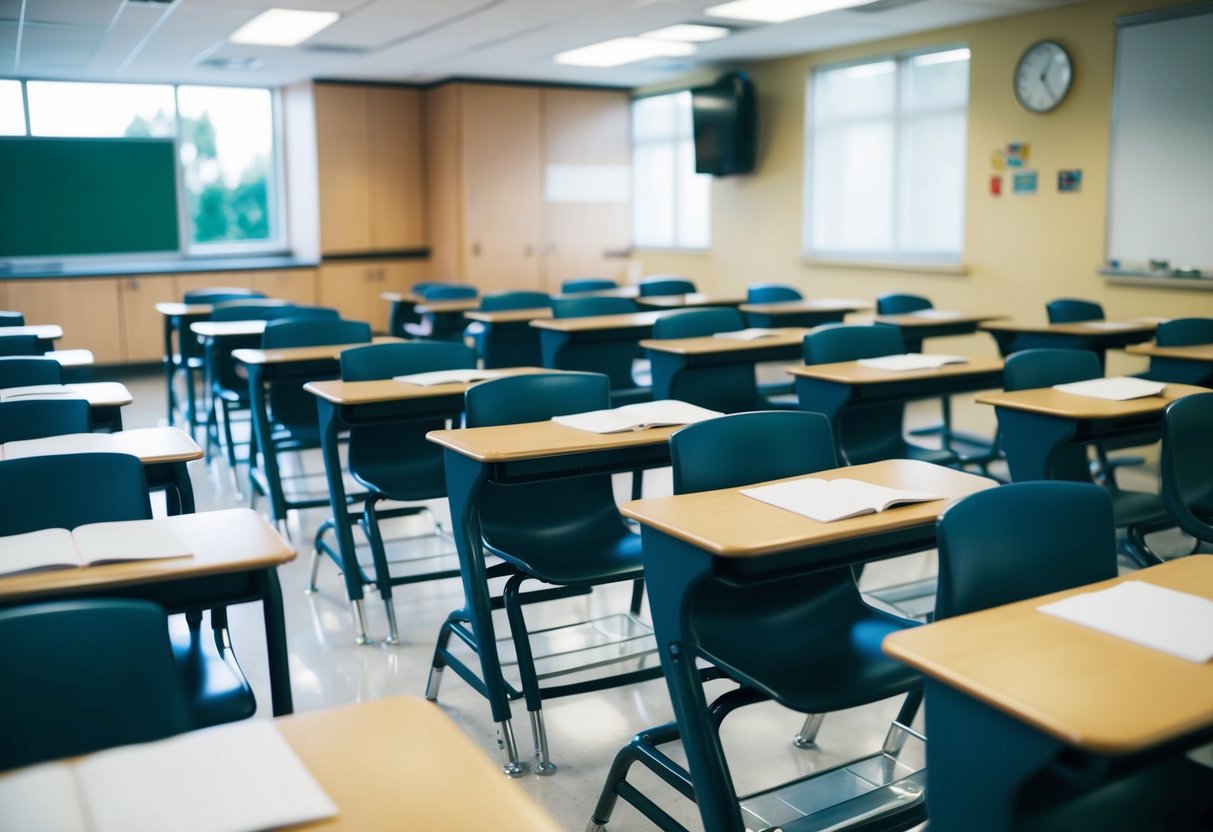
Start early by considering your guests’ relationships and personalities. This will give you ample time to experiment with different seating arrangements and make adjustments as needed.
Utilizing tools and online platforms can make it easier to visualize your plan, allowing you to see how each arrangement impacts the overall flow of the event.
A good seating plan is not just about placing people; it’s about crafting an enjoyable atmosphere. By carefully selecting where each guest sits, you’ll set the stage for memorable interactions and an overall positive experience.
Designing Your Seating Plan
Creating an effective seating plan is essential for any event or setting. It involves selecting the right tools, considering the layout of your space, arranging seats for interaction, and ensuring accessibility for all guests.
Selecting the Right Tools
Start by choosing the right tools to design your seating plan. Software like EdrawMax offers user-friendly options and templates for creating seating charts that suit your needs.
You can find various seating chart templates tailored for specific events such as conferences, weddings, or theatre setups.
Using digital tools makes adjustments easier and allows you to visualize the space better. You can drag and drop elements, change shapes, or simply delete items when plans change. These features save you time and help avoid confusion during the setup.
Considering the Floor Plan
Your floor plan is crucial for an effective seating arrangement. Take measurements of the venue to ensure every table and seat fits comfortably.
Pay attention to entry and exit points, as well as pathways. A good layout keeps guests moving freely.
When setting up a conference room seating arrangement, consider how many people will attend. For larger gatherings, circular or U-shaped setups can foster discussion. For events like theater seating, a staggered layout can improve sightlines for all guests.
Arranging Seats for Optimal Interaction
Arranging seats thoughtfully encourages interaction among guests. For a more engaging event, use a mix of seating styles. You can opt for round tables that promote conversation or long rows for a more formal feel.
Ensure that everyone can see and hear the speaker if there’s a presentation. Seating placement should avoid placing tall objects that block views. A well-thought-out seating arrangement can make all the difference in the guest experience.
Incorporating Accessibility
Accessibility is key when designing your seating plan. Ensure there are designated seats for those with mobility issues.
It’s important to create clear pathways and avoid clutter, allowing easy movement for everyone.
Incorporate spaces for wheelchairs or assistive devices into your seating chart. When planning an event seating layout, check that seating locations meet accessibility standards. Always think about how to make your event enjoyable for all guests, including those with disabilities.
Seating for Different Venues
Choosing the right seating arrangement for various venues matters greatly. The layout impacts the comfort and engagement of your guests. Here are some specific seating options tailored to different settings.
Event and Conference Seating
For events and conferences, consider your audience and the activities planned. Popular arrangements include theatre-style, where chairs face the stage, ideal for presentations.
Classroom-style is another option, with tables and chairs arranged in rows, promoting interaction during discussions.
U-shape layouts encourage conversation and are beneficial for workshops. When planning, ensure the aisles are clear for easy movement.
A well-thought-out seating plan enhances the experience and ensures all attendees are included.
Academic Settings and Classroom Management
In education, seating can influence learning and student interaction. A traditional classroom layout with rows is common but can limit engagement.
Consider group seating, where students collaborate in small clusters. This setup fosters teamwork and communication.
Flexible seating options, like bean bags or movable desks, allow for a more dynamic learning environment.
Make sure to arrange seating to support teacher visibility and interaction, creating a more effective classroom setting.
Entertainment Venues
When designing seating for theatres or cinemas, the layout must focus on comfort and sightlines. A theatre seating plan typically includes staggered rows to enhance visibility.
VIP areas with cushioned seating can elevate the experience for paying guests.
For cinemas, a cinema seating plan should consider the viewing angle and legroom to ensure an enjoyable experience.
Creating designated sections, like family-friendly areas, can also help tailor experiences to different audiences.
Maximizing Engagement and Learning
Creating a classroom seating plan can greatly influence how engaged students are in their learning. A well-thought-out plan can support lower ability students and enhance group work, ultimately leading to an increase in attainment. Here are some effective strategies to consider.
Strategies for Lower Ability Students
For lower ability students, seating them strategically can help them feel more comfortable. Place these students near the teacher or a peer who can offer support. This arrangement allows you to provide more immediate help and guidance.
You might also consider using varied seating styles, like pairs or small groups. This encourages collaboration and can boost confidence. Utilize a classroom seating chart to keep track of these arrangements and make adjustments as needed.
Implementing Group Work
Incorporating group work in your seating plan is essential for boosting engagement. Group seating, in a circular or U-shape, fosters communication and teamwork. It allows students to easily interact with each other while working on tasks.
Assign roles in each group, so everyone has a responsibility. This encourages participation and helps students feel valued.
Frequent rotation of groups can also expose students to different perspectives, which can enhance their learning experience.
The Role of Classroom Seating in Attainment Increase
A thoughtful classroom seating plan can significantly impact student attainment. Arranging desks in angled rows, like stadium seating, focuses attention on the front of the class. This setup allows you to see all students clearly, making management easier.
Additionally, a comfortable environment reduces distractions. Ensure that seats are arranged to minimize noise and encourage focus.
Regularly evaluate and adjust the seating chart according to student needs and performance to maintain engagement levels.
Practical Tips and Considerations
Creating a good seating plan involves careful thought about your guest list, using a seating chart, and being flexible with adjustments. These elements help ensure your event runs smoothly and everyone feels comfortable.
Crafting a Functional Guest List
Start with a clear guest list. Knowing who will attend shapes your seating arrangement.
Make sure to consider relationships among guests. Group friends, family, or colleagues together but also consider mixing groups for better interaction.
Identify key guests who may need special attention. If you’re organizing a wedding, this could mean placing the wedding party near the head table. For business events, seat key speakers or executives prominently.
Maintain an updated list to avoid last-minute surprises. Keeping track of RSVPs helps ensure the numbers match your seating chart.
Visualizing with a Seating Chart
A seating chart is a crucial tool in planning your event layout. It allows you to visualize how everything fits together.
You can create a digital seating chart using software tools or even do it the old-fashioned way with pen and paper.
Consider the type of seating you need. For formal dinners, a banquet style may work best. For a classroom setting, rows might be more appropriate. Include pathways for easy movement and avoid cramped spaces.
Use color coding or labels for easier understanding. For example, you can use different colors for various groups or purposes. This will make it easy to identify where everyone should sit.
Adjusting Plans as Necessary
Managing seating arrangements requires flexibility. You should always be ready to adjust your seating chart as needed. Last-minute changes can happen, like unexpected guests or cancellations.
Make sure to shift people around for comfort. Also, if someone has mobility issues, seat them where they can navigate easily.
You should keep communication open with your guests. If it’s a large gathering, consider letting them know their seats ahead of time. This helps avoid confusion when they arrive and saves time.