
How to Do an Online Wedding: Tips for a Beautiful Virtual Celebration
Getting married online can be a simple and enjoyable process that allows you to celebrate your love from anywhere. To do an online wedding, you need to choose a platform for your ceremony, ensure you have the right legal documents, and plan how you want to include your guests virtually.
With advancements in technology, couples can now have a beautiful and meaningful wedding without being limited to traditional venues.
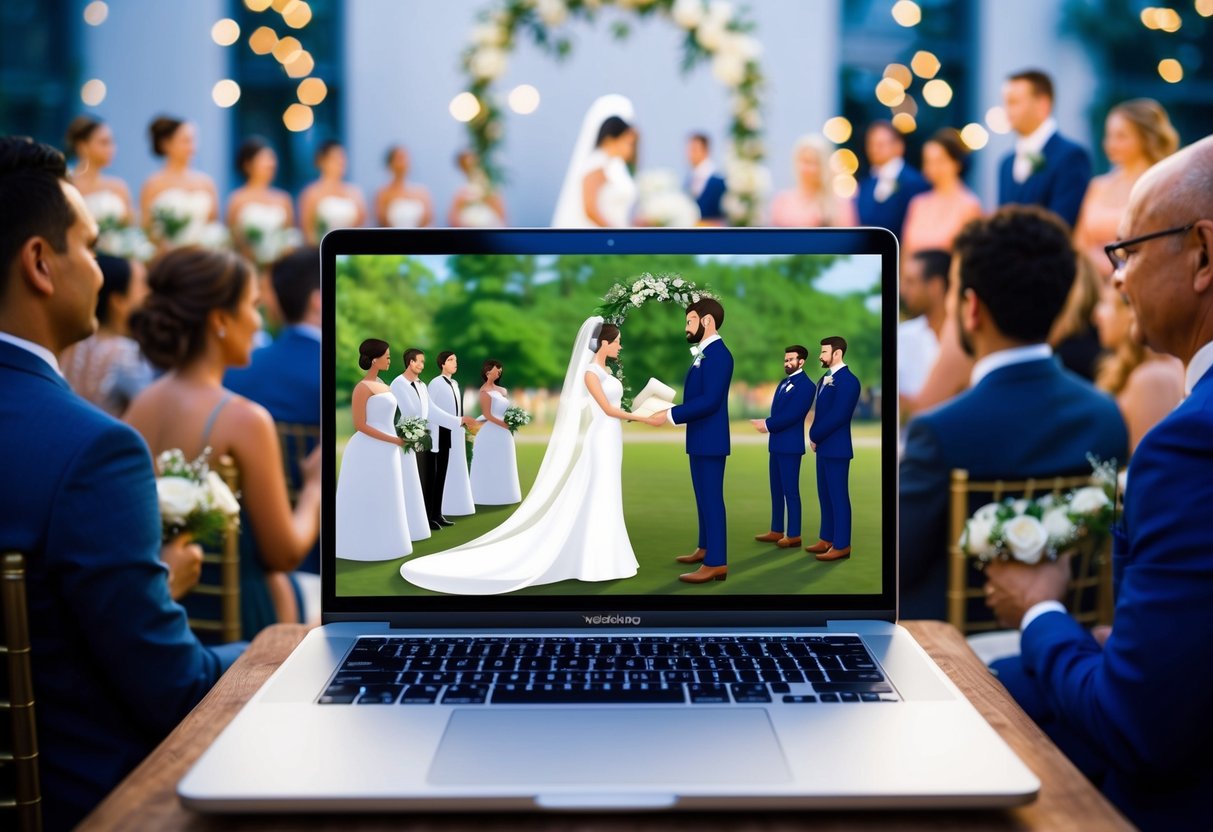
You can personalize your online marriage by picking a unique setting for your ceremony, whether it’s a favorite spot or your cozy home. Many services help you navigate the legal steps, including obtaining a valid marriage certificate, making it easy to ensure everything is official.
Embracing this modern approach not only brings convenience but also opens doors to creative planning.
As you explore the idea of a virtual wedding, consider the ways to connect with your loved ones online. Whether through live streaming or interactive elements, you can create a memorable experience that feels intimate, even from afar.
With the right preparation, your online wedding can be an event filled with joy, love, and cherished memories.
Getting Started: Understanding Online Marriages
Online marriages can offer a unique way to celebrate your love, especially if distance or circumstances make traditional ceremonies difficult. Understanding the basics of online weddings and their legal implications is essential before you begin planning.
What Is an Online Wedding?
An online wedding is a virtual ceremony where you exchange vows using video conferencing tools. This format allows couples to celebrate their marriage even when they are miles apart or in different countries.
To have a successful online wedding, you will need a few key elements. You must obtain a marriage license from your state or country, ensuring that it is valid where your ceremony will occur.
Next, a licensed officiant is needed to conduct the ceremony, which can also take place online.
As part of the process, you and your guests will connect through a web conference platform. This keeps your experience personal and engaging. Many couples find this way to be relaxed and meaningful, allowing them to focus on each other without the stress of a large wedding.
Legality of Online Weddings
The legality of online weddings varies by state and country. Before you proceed, it’s crucial to check the specific legal requirements where you live.
Many states in the U.S. allow for virtual marriages, but you’ll need to ensure that all necessary documents are in order.
Your marriage will be considered legally binding if you follow the rules set by your location. After the wedding, you will need to obtain an official marriage certificate.
This document is essential for various legal processes, such as changing your name or applying for joint finances.
If you are marrying from another country, you’ll want to consider the apostille process. This authentication verifies the marriage license internationally, making it a legal document recognized outside your home country.
Be sure to research what applies to you to avoid any complications down the road.
Planning Your Virtual Wedding
Organizing your virtual wedding can be fun and exciting. You’ll want to consider your platform for streaming, how to add personal touches, and the vendors you’ll need to make your day special.
Choosing the Right Platform
When selecting a platform for your online wedding, consider options like Zoom, FaceTime, or other video conferencing tools. Each platform has different features that can enhance your event.
For example, Zoom allows for larger guest lists and breakout rooms, perfect for mingling after the ceremony.
Before deciding, test a few platforms with friends or family.
Don’t forget about having a stable internet connection. This is crucial to avoid interruptions during your big day. A wired connection often works better than Wi-Fi for streaming events.
Personalizing Your Online Wedding
To create a personalized experience for your guests, consider fun themes or custom backgrounds. You can also encourage guests to dress up according to a color scheme or theme, making it feel festive.
Think about interactive elements, like live music or readings from family and friends. This adds a special touch that makes your wedding feel intimate.
Consider using streaming services that allow for features like chat and reactions, letting guests feel involved.
Personalization can transform an online ceremony into a memorable event that reflects you and your partner.
Selecting Your Vendors
Choosing the right vendors is key to a successful virtual wedding. Look for vendors who specialize in online events. Many offer wedding packages that include everything from decorations to catering.
Research local services that can provide quality food and decor. Virtual wedding planning services like Wedfuly can help coordinate details, ensuring everything runs smoothly.
Make sure to connect with your chosen vendors before the event. Discuss your vision and any technology you’ll use for streaming. Communication helps everyone stay on the same page for the big day.
Navigating Legal Requirements
When planning an online wedding, it’s crucial to understand the legal requirements involved. You need to apply for a marriage license online and ensure your marriage is recognized internationally, especially if you are planning to celebrate your love across borders.
Applying for a Marriage License Online
To get started, you will need to fill out an online marriage application. Most states allow you to complete this process via their official websites.
Make sure you provide all required information accurately, as any errors could delay your application.
In many cases, you may need to submit additional legal documents, such as identification or proof of residency. Be sure to check if your state has a waiting period after applying.
Once you obtain your marriage license, it will be valid for a limited time, so plan your online wedding accordingly.
If you are in the U.S., consider using Utah-based officiants, as they can legally perform your ceremony online. They are familiar with the laws surrounding online marriages, ensuring everything is done correctly.
Ensuring International Recognition
If you and your partner are international couples or plan to move abroad, you must ensure that your marriage is recognized in your respective countries.
One important step is to obtain an apostille for your marriage certificate. This official certification helps validate your marriage documents for international use.
After your online wedding, request a certified copy of your marriage certificate. You may also need to translate it into another language, depending on the country.
Research the legal requirements for marriage recognition in the countries you may reside in or visit.
This way, you can enjoy your marriage without worrying about legal issues.
Executing the Virtual Ceremony
Executing your virtual ceremony involves careful planning and attention to detail. From coordinating the big day to obtaining your marriage certificate, it’s important to ensure everything goes smoothly.
Coordinating the Big Day
To begin, choose a reliable platform for your online wedding ceremony, like Zoom or Google Meet.
Make sure your wedding officiant is familiar with the platform and can guide you through the process.
Send out digital invitations to your guests with clear instructions on how to join. Include links and a brief guide, ensuring everyone knows what to expect.
Next, set a cozy and inviting backdrop for your ceremony. This could be a warm space in your home or even a scenic outdoor spot.
Proper lighting will enhance the experience, so consider natural light, if possible.
Prepare for technical issues by performing a trial run. Check your internet connection, audio, and video settings ahead of time.
This practice will help ease any nerves as you approach your big day.
After the Ceremony: Obtaining Your Marriage Certificate
Once you say “I do,” you need to officially complete your online marriage. Check your state laws to ensure your virtual wedding is legally recognized. Some states may require a specific online marriage process.
Proceed to secure your marriage certificate. Many online services can help with this, making the process easy. After your ceremony, your officiant will often submit the necessary paperwork for you, but you should verify with them.
If your state doesn’t allow for online marriage licenses, you might need to visit your local courthouse. This can often be a straightforward visit if you have the required documents ready.
Make sure to confirm any waiting periods. You should also understand how to obtain certified copies of your marriage certificate. This ensures that all your legal needs are met, allowing you to enjoy your new life together fully.