
How to Exclude Family from a Wedding: Navigating Sensitive Choices with Care
Planning a wedding can be a joyful experience, but it can also come with challenges, especially when it comes to your family. If you need to exclude certain family members, it’s important to handle the situation with care and thoughtfulness.
Open communication and setting boundaries are key steps to ensure that your day remains special without unnecessary drama.
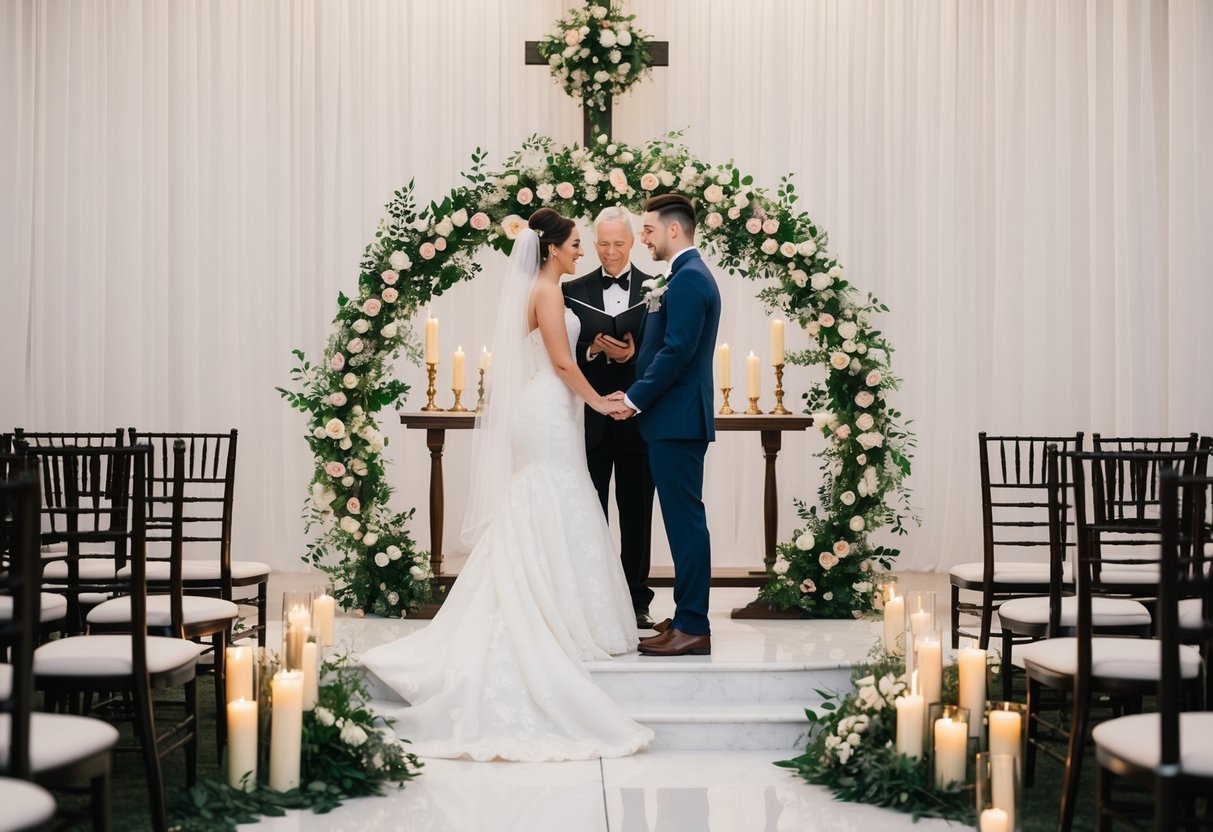
You may have valid reasons for not inviting specific family members, such as past conflicts or their behavior. Remember, your wedding should be a day filled with love and support, which might mean making tough decisions about your guest list.
Focusing on the people who bring positivity can help create the atmosphere you desire.
Consider how you will inform uninvited family members. Whether through a conversation or a letter, being honest yet respectful will ensure they understand your choices.
Engaging with your partner to find the best approach can also strengthen your bond as you navigate these tricky waters together.
Understanding Your Wedding Vision

Creating the perfect wedding vision is about making choices that reflect your style and preferences. To ensure your day is special, consider what an intimate wedding means for you, along with any venue constraints that may affect your decisions.
Defining an Intimate Wedding
An intimate wedding often involves a smaller guest list, focusing on close friends and family. This setting fosters a warm environment where meaningful connections can flourish.
Think about the atmosphere you want to create. Do you prefer a cozy home setting or a charming outdoor space?
Key aspects to consider:
- Guest List: Aim for around 20 to 50 guests.
- Personal Touches: Incorporate details that reflect your relationship.
- Connections: Prioritize guests who support your journey.
You can also explore unique venue options such as gardens, small halls, or family homes. Each location adds to the intimacy and special feel of your event.
Assessing Venue Constraints
Choosing a venue is crucial to your wedding’s vibe. Limited space is one key factor you’ll need to navigate.
Here are some points to assess:
- Capacity: Ensure the venue comfortably fits your intended guest count.
- Layout: Consider how your guests will move around and interact.
- Restrictions: Some venues have rules that may not fit your vision.
You may find beautiful places that set the right tone but realize they can only hold a small number of guests. Understanding these constraints helps you make informed decisions while planning.
With the right focus on your vision and venue, you can create a delightful and intimate celebration.
Crafting Your Guest List
Creating your wedding guest list can feel daunting. Balancing who to invite with your budget can lead to tough choices. Here are some tips on prioritizing your closest friends and family while dealing with budget constraints.
Prioritizing Close Friends and Family
When deciding who to invite, start by listing your close friends and family. Focus on those who have supported you through thick and thin.
Consider these categories:
- Immediate Family: Parents, siblings, and children.
- Close Friends: Friends you can’t imagine celebrating without.
- Extended Family: Think about those who you regularly see or connect with.
If a family member isn’t close, weigh their importance against your overall guest count. Aim to invite people who bring positivity to your day. This way, you can create a joyful atmosphere that reflects your values.
Dealing With Budget Limitations
Your wedding budget plays a big role in shaping your guest list. Start by determining your total budget and how much you can allocate for each guest.
Keep in mind:
- Venue Capacity: A smaller venue may limit your numbers.
- Cost Per Person: Catering and other expenses add up quickly.
Make hard choices by considering which guests you truly want versus those who feel more like obligations. It’s okay to prioritize friends and family who mean the most to you.
Remember, the goal is to celebrate with those who matter most, ensuring your day is special, memorable, and within budget.
Communication and Etiquette
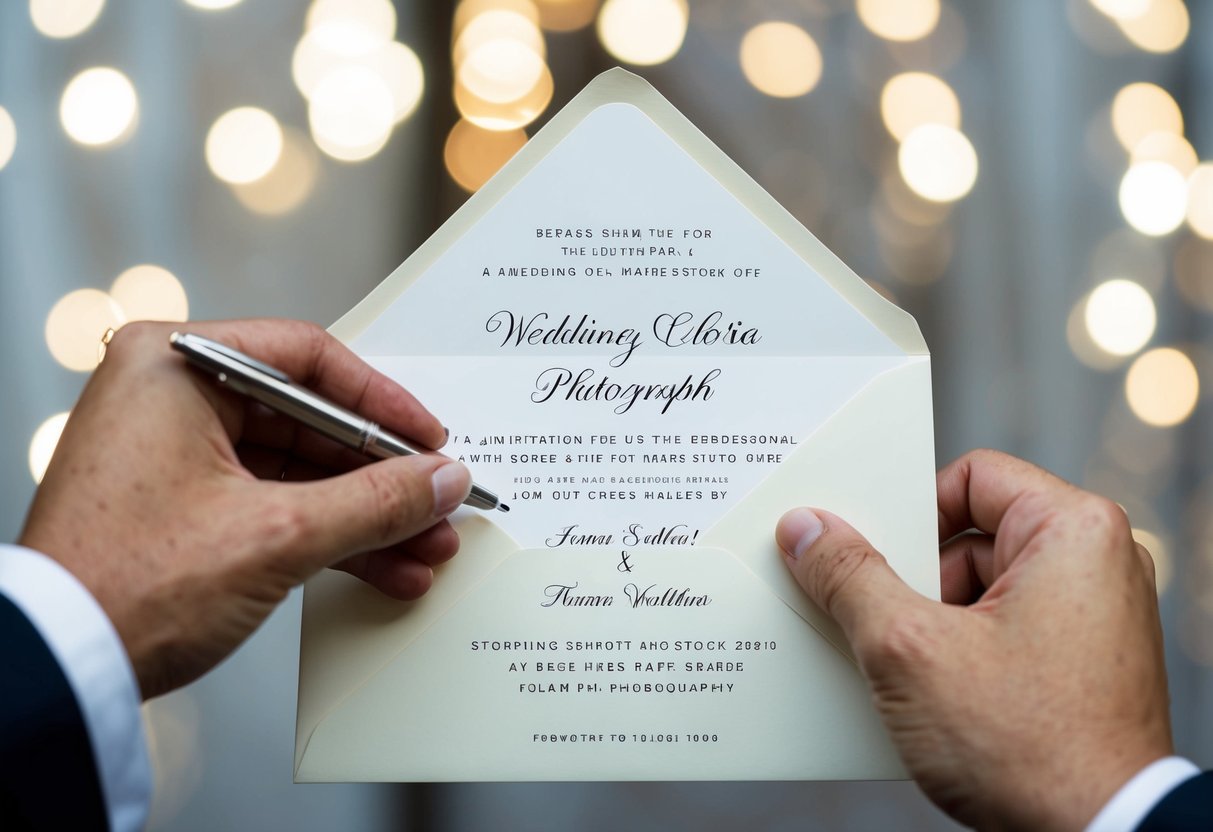
Clear communication is key when deciding to exclude family from your wedding. It helps to prevent misunderstandings and hurt feelings during this exciting, yet sometimes sensitive, time. Here are some strategies to make the process easier.
Sending Out Wedding Invitations
When sending wedding invitations, address them specifically. Instead of a generic “Smith Family,” consider naming only the adults who are invited, like “Mr. and Mrs. John Smith.” This often conveys your intention of a smaller gathering.
You can also include a polite note that explains your choice for a more intimate ceremony. You might write, “We are excited to have a small wedding and hope you understand our decision.” This simple approach can soften the impact of not inviting family members.
Handling Sensitive Conversations
If family members ask why they were not invited, be ready to explain your reasons kindly.
You could say, “We are limiting our guest list to keep the event small.” Sticking to your decision calmly can make conversations less awkward.
It’s important to be honest but gentle. Emphasize that while you appreciate your family, you want a specific atmosphere for your wedding. Surrounding yourselves with the closest friends can make the day feel just right for you.
Additional Considerations

When deciding to exclude certain family members from your wedding, there are some important factors to keep in mind. Managing childcare arrangements and creating a wedding website can help address common issues that arise during planning.
Managing Childcare Arrangements
If you have decided on a kid-free wedding, it’s essential to think about childcare arrangements early on. This decision might affect guests who normally would have brought their children.
Consider providing a list of local babysitting services or nurseries.
You could also suggest that family members team up to arrange group childcare. This way, they won’t feel left out, and they’ll have peace of mind during your big day.
You might even consider asking trusted friends or family to help watch children during the ceremony. This fosters a friendly environment, allowing everyone to enjoy the event while ensuring kids are entertained elsewhere.
Creating a Wedding Website
A wedding website can help you share your decisions with guests clearly and kindly. For example, you can include a section explaining your choice not to include children.
Be honest and direct to prevent misunderstandings.
You can address important details such as accommodations and logistics. List nearby hotels and attractions for visitors and your exclusion policy.
Consider adding a FAQ section to answer common questions. This will help set expectations and ease any concerns.
Having a dedicated place for information allows you to manage communication effectively. For specific roles like a flower girl, clarify expectations for family members who might be impacted by your decisions.