
How to Get Into Planning: A Friendly Guide to Starting Your Career
Getting into event planning can seem daunting at first, but it’s a rewarding path that allows you to express your creativity while helping others bring their visions to life. If you enjoy organizing, coordinating activities, and working with people, you may have what it takes to succeed in this field.
Start by gaining some experience through volunteering or internships. This will help you build connections and understand the basics of event planning.

There are various ways to enter the planning world. You can pursue specialized education in event management or related fields that teach essential skills. Additionally, networking with industry professionals can open doors to job opportunities and offer valuable insights into the industry.
As you begin your journey, remember that passion and dedication play a huge role in your success. Dive into resources, attend events, and keep learning to develop your skills further. Embrace the challenges and enjoy the process of creating unforgettable experiences for others.
Exploring the Field of Urban Planning

Urban planning is a dynamic field focused on improving the spaces where people live and work. Understanding the basics is crucial for anyone interested in shaping communities and addressing urban challenges.
Understanding the Basics of Urban Planning and Design
Urban planning involves designing and organizing land use in cities and towns. As an urban planner, you will work on projects like zoning, transportation, and public spaces. Your goal is to create environments that promote sustainability, efficiency, and quality of life.
You will need a solid understanding of land use principles. This includes where to place homes, businesses, parks, and roads.
Working closely with communities helps planners understand local needs. Additionally, knowledge of urban design is key. This focuses on the aesthetics and functionality of spaces.
By balancing beauty with practicality, you can create vibrant urban areas that enhance residents’ experiences.
The Role of City and Town Planning in Community Development
City and town planning plays a vital role in community development by ensuring organized growth. You help shape areas that serve various purposes, like housing, recreation, and business.
Your work as a planner impacts community well-being. You will analyze issues such as traffic congestion, environmental challenges, and housing shortages.
Solutions may involve creating parks, improving public transit, or increasing affordable housing. Collaboration is essential. Engaging with local residents and stakeholders allows you to gather input and build trust.
This engagement leads to more effective planning since it reflects community values. You impact people’s lives by using your skills to build a better environment.
Educational Pathways to a Planning Career

To pursue a career in planning, you typically start with an educational foundation in related fields. This involves choosing the right degree programs. From there, advancing your knowledge with a master’s degree can also enhance your skills and opportunities in urban planning.
Pursuing an Undergraduate Degree in a Related Field
You can start your journey with an undergraduate degree in areas like geography, architecture, or civil engineering. These programs provide valuable knowledge about land use, human behavior, and design principles crucial for planning.
Courses in environmental planning and spatial analysis also add depth to your education. They help you understand the relationship between spaces and the environment.
Moreover, many schools offer specific planning programs or urban studies that combine these disciplines. This can better prepare you for the challenges of a planning career.
Securing a Master’s Degree in Urban Planning
Obtaining a master’s degree in urban planning is often essential for advanced positions. This program typically covers topics such as urban design, policy analysis, and community development.
In many cases, accredited programs focus on practical skills. This can include hands-on projects and internships that connect theory to real-world applications.
You might explore specialties like environmental planning or transportation planning during your master’s. Each specialty can lead to different career paths.
Check for schools that offer these advanced degrees, and consider those with strong ties to local communities. This can provide unique opportunities for networking and job placement after graduation.
Gaining Professional Experience and Credentials

Gaining hands-on experience and proper credentials is essential in pursuing a career in planning. These steps will help you build a solid foundation for your urban planning career.
Engaging in Internships and Apprenticeships
Internships and apprenticeships are valuable opportunities for you to gain real-world experience. They allow you to work alongside seasoned professionals.
You should seek positions in local government agencies, planning departments, or private firms. These roles help you understand daily planning tasks and give you networking opportunities.
Look for internships that align with your interests, whether that’s land use, transportation, or community development. Many colleges also offer internship programs that can support your journey.
Obtaining Certification from the American Institute of Certified Planners (AICP)
Becoming certified through the American Institute of Certified Planners (AICP) can enhance your credentials significantly. To qualify, you must meet specific education and experience requirements.
Start by registering for the certification program when you feel ready. Once you have the necessary work experience, schedule and prepare for the exam.
Passing this exam shows potential employers that you are knowledgeable and dedicated to your field. It can open doors for advancement in your planning career.
Leveraging Work Experience in Relevant Sectors
Your work experience is key in building a successful career in urban planning. Focus on roles that relate to planning, such as positions in government, environmental agencies, or community organizations.
Each experience you gain adds to your understanding of planning principles. Volunteering for community projects can also showcase your skills.
Keep track of your achievements and responsibilities in each position to strengthen your resume. This information will be important when applying for certification and jobs in the future.
Technical Skills and Specializations in Urban Planning
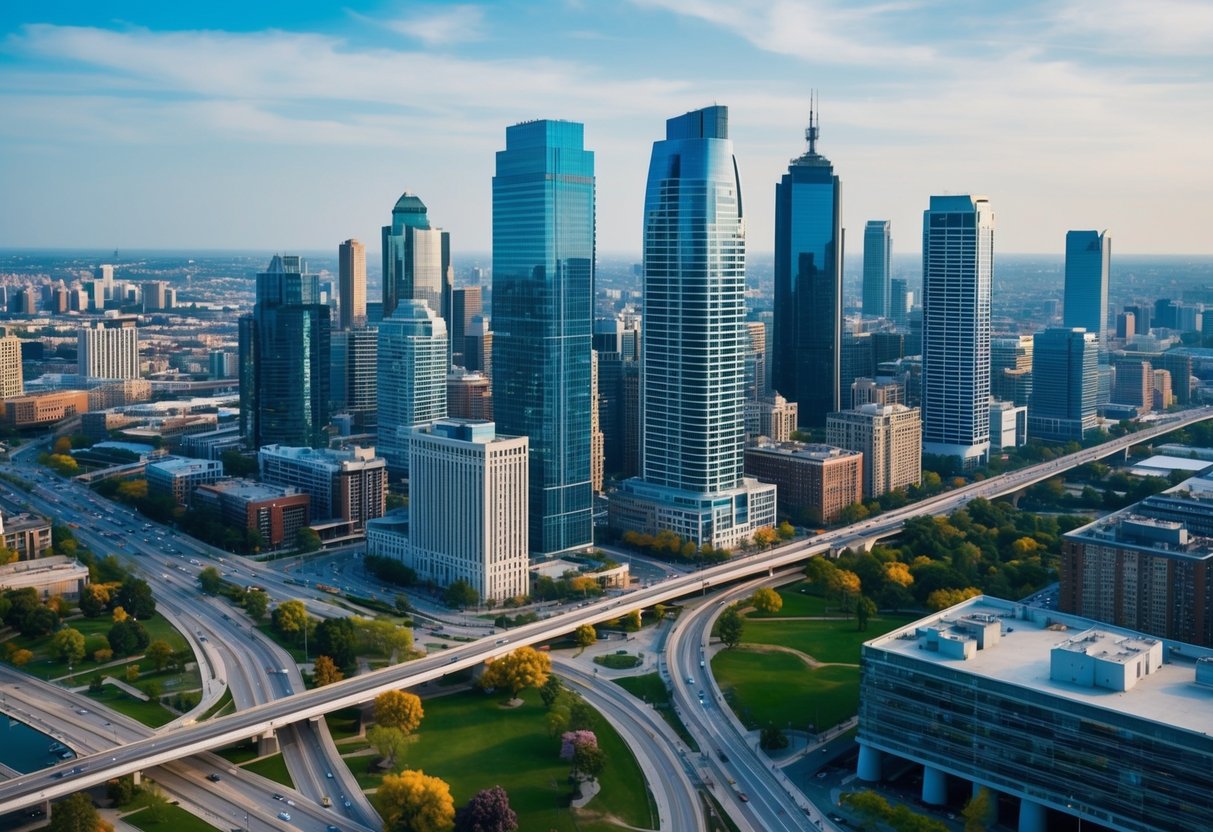
To succeed in urban planning, you need a mix of technical skills and specialized knowledge. These skills help you create effective plans for communities. Focusing on specific areas like GIS, zoning laws, and sustainable development is crucial for your career.
Mastering Geographic Information Systems (GIS) and Spatial Analysis
Geographic Information Systems (GIS) are essential tools for urban planners. They allow you to analyze spatial data and visualize information about land use, infrastructure, and demographics.
With GIS, you can create detailed maps that illustrate current conditions and future plans.
Learning GIS involves understanding its software and applications. Familiarize yourself with tools like ArcGIS or QGIS. These platforms help you conduct spatial analysis, identify trends, and make informed decisions.
Enhancing your computer literacy will make working with these programs easier. You should also try hands-on projects to build real-world experience. This combination of skills will make you a valuable asset in urban planning.
Understanding Zoning Laws and Building Codes
Zoning laws and building codes are critical for maintaining organized development in communities. Zoning laws dictate how land can be used, affecting residential, commercial, and industrial spaces.
Knowing these laws helps you plan effectively and ensure compliance with local regulations.
Building codes set standards for construction, ensuring safety and access. Understanding these codes is vital for projects on any scale, from affordable housing to historic preservation.
You can stay updated by reviewing local regulations and attending workshops. Building relationships with local officials can also provide insight into zoning processes. This knowledge will equip you to navigate the complexities of land use effectively.
Focusing on Sustainable Development and Environmental Design
Urban planning is increasingly prioritizing sustainable development. This approach promotes practices that meet current needs without compromising future generations. Integrating environmental design in every project you undertake is a key part of this.
Learn about green building practices and renewable energy. You should also look into eco-friendly materials. Incorporating sustainable elements can enhance urban design and improve quality of life. You will also want to engage in site planning that respects local ecosystems.
Consider the transportation planning aspect as well. Effective public transport options can reduce reliance on cars, benefiting both the environment and residents. This holistic view will help you create balanced, resilient communities.