
How to Get Married in Virtual: A Step-by-Step Guide to Your Online Wedding
Getting married virtually is an exciting option that many couples are exploring today. You can choose a service that meets the regulations for your state to have a legal wedding online. This means you can celebrate your love from anywhere, whether it’s a cozy home gathering or a big online event with friends and family.

Planning a virtual wedding can be just as special as a traditional ceremony. You will need to consider the right platform for streaming, how to obtain a marriage license, and who will officiate the event. Each step adds to the experience, making your big day memorable, even from a distance.
Embracing technology can make your wedding unique and personal. With the right preparation, your virtual ceremony can be filled with just as much joy and love as any in-person event. There are many resources available to guide you through the process, ensuring you don’t miss any important details along the way.
Getting Started with Virtual Marriage
Virtual marriage offers a flexible way for couples to tie the knot without the limitations of location. Understanding the process and legal requirements is essential to have a smooth experience.
Understanding Virtual Marriage
A virtual marriage allows you to get married online, often using video conferencing tools. It’s a great option if you want to avoid large gatherings or can’t be physically present for a traditional wedding. Many states have begun to accept virtual weddings, especially since the pandemic.
Before you start, check the laws in your state. Some states allow online ceremonies, while others may have specific requirements. You’ll typically need an authorized officiant who can perform the ceremony online. Also, your guests can join in virtually, making it feel special even from a distance.
Marriage License and Certificates
To get legally married online, you usually need a marriage license. The rules for obtaining this license vary by state, so it’s important to research your specific state’s requirements. Some states may allow you to apply for a license online.
Once you are married, an officiant will provide you with a marriage certificate. This certificate proves you are legally married. Be sure to request both a digital and a hard copy for your records. It’s a good idea to check with your officiant about how this will be delivered, especially for online marriages. Having this documentation ensures that your virtual wedding is just as valid as a traditional one.
Legal Aspects of Getting Married Online
Getting married online has its own legal requirements. You need to understand the paperwork and recognition involved to ensure your marriage is valid wherever you are.
U.S. Marriage Certificate and Apostille
When you marry online, obtaining a U.S. marriage certificate is important. After the marriage ceremony, the officiant will complete your marriage license and file it with the county clerk. Once it’s processed, you can request your marriage certificate.
If you plan to use this certificate abroad, you might need an apostille. An apostille is a form of authentication that verifies your marriage certificate’s legitimacy. This is often required for other countries to recognize your marriage legally.
Make sure to check the specific requirements in your state and for the country where you’ll use the certificate. This ensures that you have all necessary documents in order.
Immigration and Legal Recognition
Legal recognition of your marriage can affect immigration status. If one spouse is from another country, the U.S. marriage certificate may help in obtaining residency or a visa. Immigration services will generally require proof of your marriage when applying for benefits.
It’s essential to review the immigration laws in the country where you plan to live. Also, be aware of any specific documents needed to prove the legality of your online marriage. This can include the marriage certificate and the apostille if it is needed.
Consulting an immigration attorney can help you navigate these requirements smoothly, ensuring both partners have the right to live together legally.
Planning Your Virtual Wedding
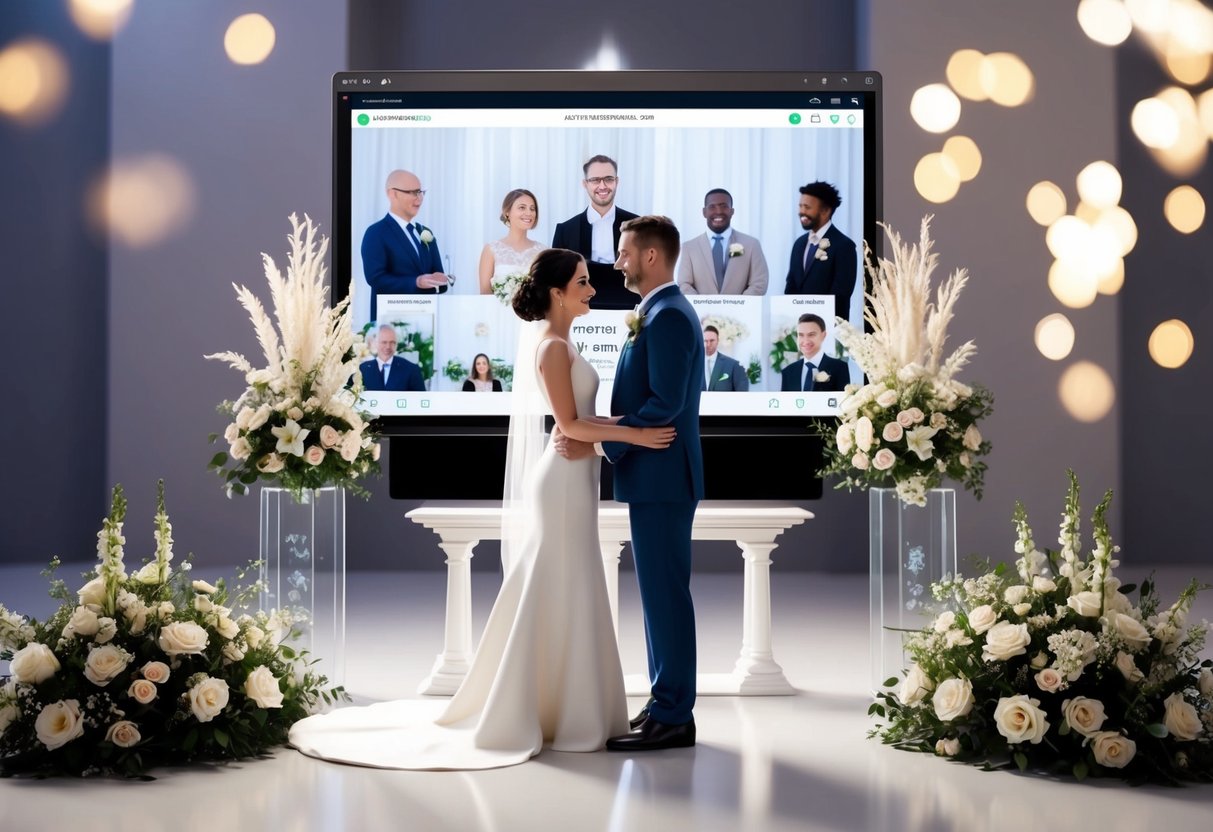
When you decide to get married virtually, careful planning is key. You need to choose a platform that works for you, select a qualified wedding officiant, and handle all necessary documentation. Each of these steps is important to ensure your online wedding is smooth and legal.
Choosing the Right Platform
First, think about the platform you want to use for your online wedding. Popular choices include Zoom, Google Meet, or Skype.
Consider these factors:
- User-Friendliness: Make sure it’s easy for you and your guests to navigate.
- Video Quality: Look for platforms that offer clear video and audio.
- Capacity: Check how many guests can join the virtual ceremony without issues.
You may even want to test the platform beforehand with a few friends. This way, you can troubleshoot any problems.
Selecting a Wedding Officiant
Next, you’ll need a wedding officiant. This person is essential for legally binding the marriage. Ensure they are licensed to perform weddings in your state.
Here are some tips for selecting an officiant:
- Research: Look for officiants who specialize in virtual ceremonies.
- Reviews: Read testimonials from other couples.
- Communication: Schedule a call to see if you feel comfortable with them.
Some officiants may even offer packages that include technology support for your live stream.
Documentation and Application
Finally, don’t forget about the documentation needed for your marriage application. Requirements can vary by state, so check local laws.
You will typically need:
- Marriage License: Apply for this ahead of time, as it can take a few days.
- Identification: Usually, a driver’s license or passport is required.
- Witness: Some states may require a witness to attend.
Be sure to complete all applications well before your wedding date. This planning keeps everything organized and stress-free.
Costs and Considerations
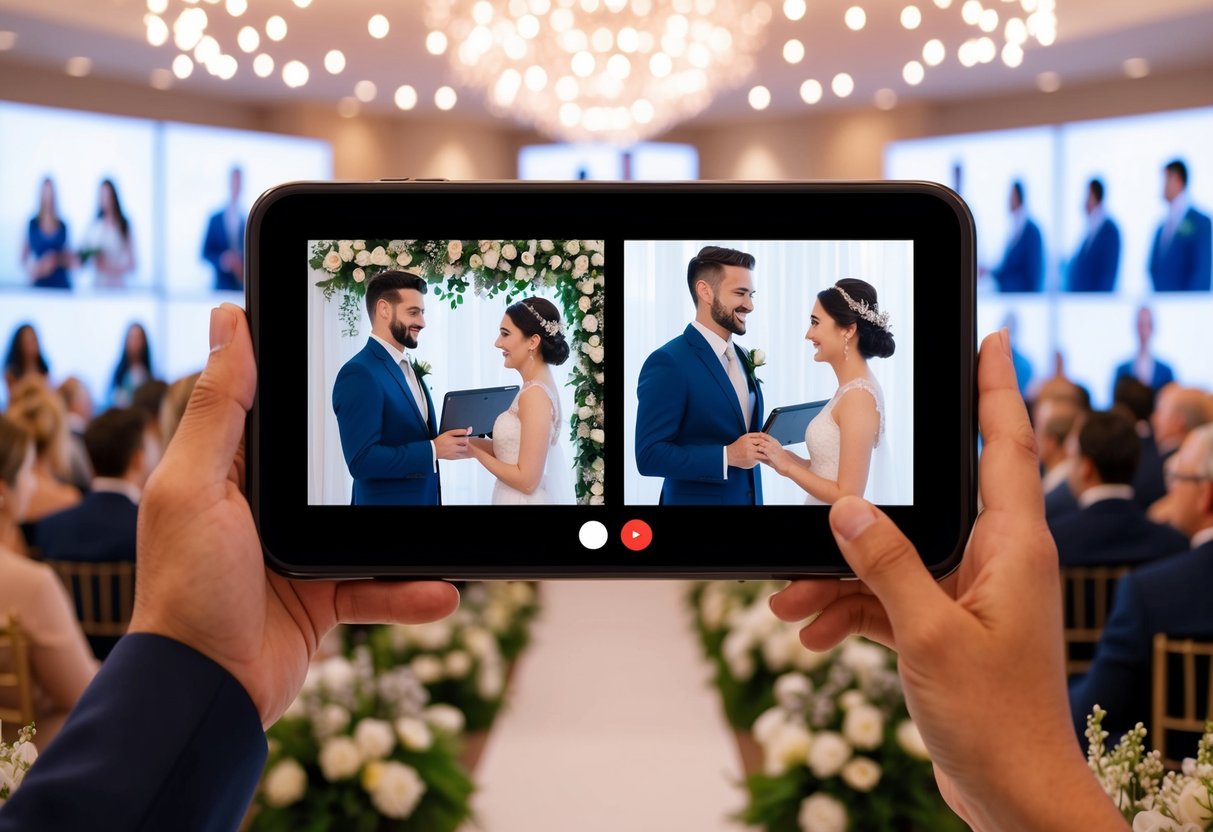
When planning your virtual wedding, it’s essential to consider the costs involved. Various elements will affect your budget, including the pricing structure of services and any additional features you might want.
Pricing Structure
The cost of a virtual wedding can vary widely. You may find packages starting at a few hundred dollars. Typically, a basic package includes an officiant and a live-stream service.
Here’s a breakdown of potential costs:
| Item | Estimated Cost |
|---|---|
| Officiant Fee | $100 – $300 |
| Streaming Service | $50 – $150 |
| Marriage License | $40 – $100 |
| Wedding Package Total | $200 – $600 |
Ensure you check what each package includes. Sometimes, you’ll get technical support, which can be very helpful on the big day.
Additional Services and Features
You may want to consider extras to make your virtual wedding special. Some services offer customizable options like:
- Photography: You can capture your day with packages ranging from $200 to $1,000.
- Decorations: Renting virtual backdrops or themed decorations starts around $50.
- Guest Interaction: Interactive features can enhance your experience and usually cost extra.
When picking services, look for providers that bundle several features together to save both time and money. Also, always read reviews to find reliable and quality services that fit your needs.