
How to Get Married Quickly and Quietly: A Simple Guide for a Stress-Free Ceremony
If you want to tie the knot without the fuss of a big wedding, you’re not alone. Many couples are looking for ways to get married quickly and quietly. You can achieve this with minimal planning by considering options like elopements, civil ceremonies, or even virtual weddings. These choices allow you to focus on what truly matters: your commitment to each other.
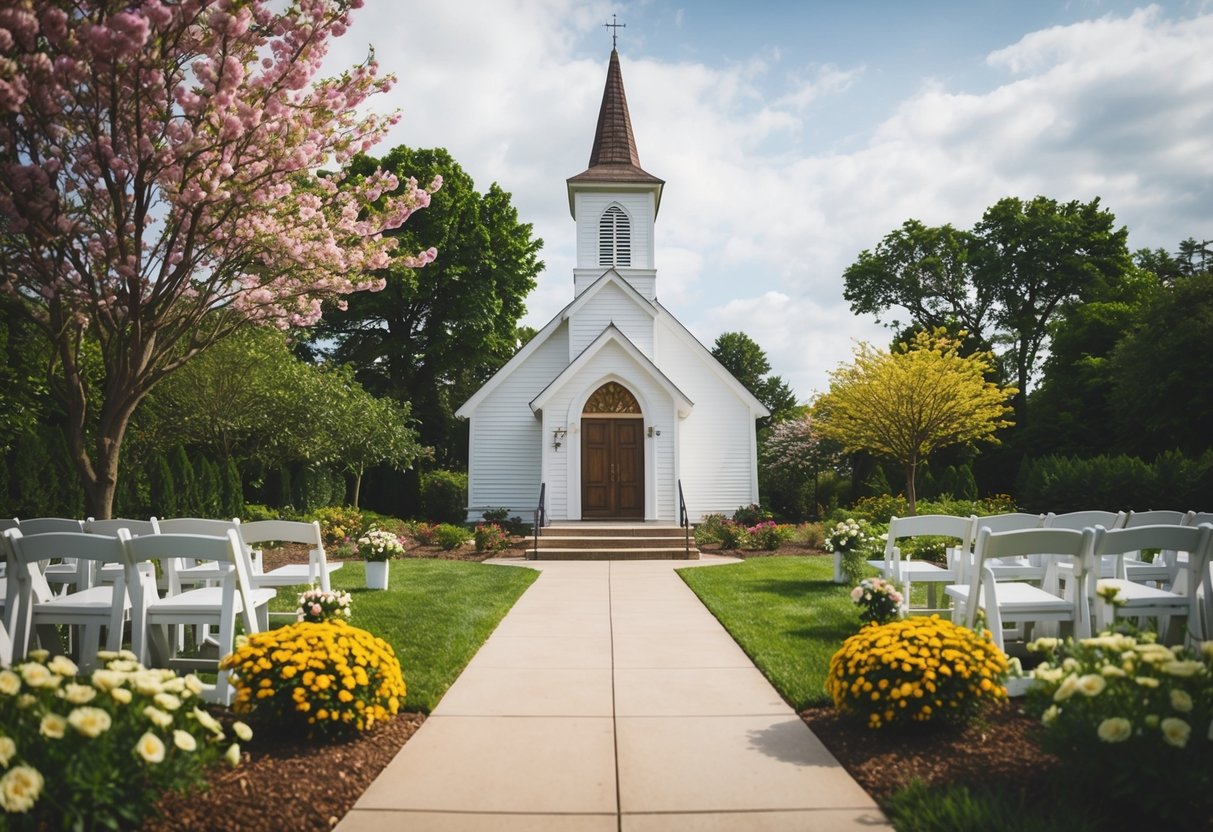
Imagine saying “I do” in a beautiful setting that reflects your style without the stress of a traditional wedding. With just a few essential steps, you can navigate the process smoothly. All you need is a little preparation, like obtaining a marriage license and choosing a location that feels right for both of you.
As you explore these options, you’ll discover that a simple ceremony can be just as meaningful, if not more so. Embracing a quick and quiet wedding allows you to celebrate your love without the usual pressures, making your special day all about you.
Understanding the Legalities
Getting married quickly and quietly involves some important legal steps. You need to know about the marriage license and certificate, as well as the laws related to marriage in your state. Understanding these can help you navigate the process smoothly.
Marriage License and Certificate
A marriage license is essential for a legal marriage. You must apply for it in your county or state before the wedding. Requirements can vary, but generally, both partners need to be present when applying. Be ready with valid identification, like a driver’s license or passport.
Once you have your marriage license, you can get married. After the ceremony, your officiant will sign it and file it with the local government. This turns your license into a marriage certificate, which proves that you are legally married. Keep this document safe; you might need it for name changes or other legal matters.
Marriage Laws and Requirements
Marriage laws differ from state to state, so it’s crucial to check the specific regulations where you live. Most states require you to be of a certain age, typically at least 18 years old. Some might allow younger individuals to marry with parental consent.
You may also need to wait a certain period after applying for a marriage license before you can get married. It’s a good idea to research these details beforehand. Make sure to gather all required documents to avoid any delays on your special day. Understanding these legalities helps ensure that your marriage is recognized wherever you go.
Planning Your Quiet Elopement
Planning a quiet elopement can be a beautiful and stress-free way to tie the knot. Choosing the right type of ceremony and selecting the perfect officiant and venue are key steps in your journey.
Choosing the Right Type of Ceremony
When planning your elopement, you first need to decide on the type of ceremony. A civil ceremony is often quick and straightforward, usually held at a courthouse. This option is budget-friendly and allows for a simple wedding without elaborate planning.
If you prefer something more personal, consider a small wedding with close friends or family. You can have a religious ceremony in a place of worship if that reflects your beliefs. Decide what feels special to you. Each type offers a unique experience.
Keep in mind your desired surroundings and the atmosphere you want to create. A scenic park or a beach is great for a relaxed vibe. A more formal setting, like a community hall, could suit a civil wedding perfectly. Think about what makes your day feel right.
Selecting an Officiant and Venue
Finding the right officiant is crucial for your elopement. For a civil wedding, look for a local judge or someone who’s authorized to perform marriages. They often know the legal requirements and can guide you through the process.
If you’re leaning toward a religious ceremony, reach out to your faith leader to discuss your plans. They can help you navigate any special rituals you’d like to include.
As for the venue, think about locations that fit your vision. A courthouse is convenient and often requires little planning. Alternatively, you could book a charming spot that holds special meaning for you.
Consider visiting potential venues beforehand. Make a list of what you need, such as seating arrangements and decorations. A little planning will ensure your day is just as you imagined.
Essentials of Elopement Weddings
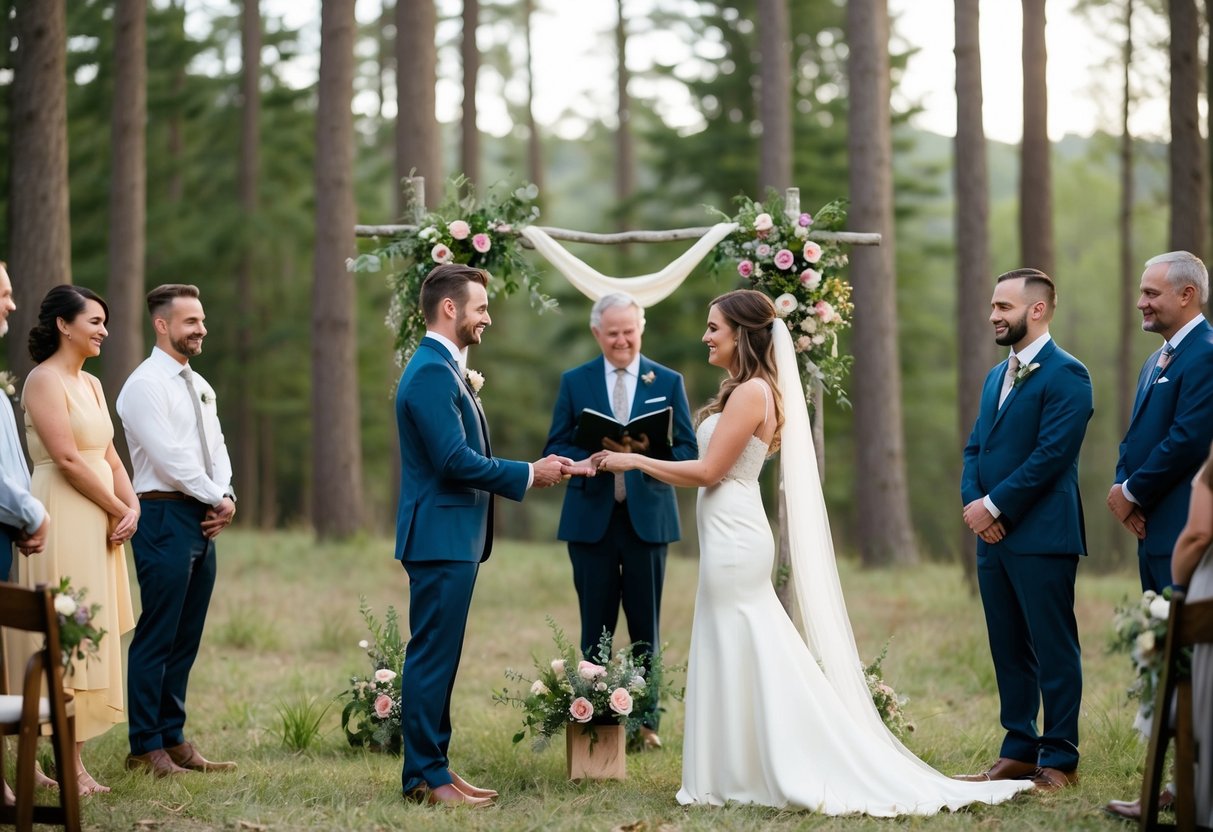
When planning an elopement, you want to focus on the key elements that make your day special. From choosing the right planner and vendors to selecting the perfect attire and decorations, these details can enhance your intimate ceremony.
Wedding Planner and Vendors
Having a wedding planner can simplify your elopement experience. They understand the unique needs of a smaller wedding and can help organize your day. Look for someone who specializes in elopements.
Here’s what to consider:
- Consultation: Discuss your vision and budget.
- Vendors: Ask about reliable officiants, photographers, and florists.
- Testimonials: Check reviews or ask for references.
If you prefer to keep it low-key, some officiants can step in to make the process smooth. They know how to handle paperwork and rituals, keeping the focus on you and your love.
Wedding Attire and Decorations
Choosing your wedding attire is a fun and personal part of the elopement. Consider wearing something that reflects your style and is comfortable for your venue. Whether you want a simple dress or a tailored suit, make sure it feels right for you.
For decorations, think minimal yet meaningful. You could opt for:
- Flowers: A bouquet or boutonniere adds a touch of romance.
- Backdrop: Consider a natural setting, like a scenic view or park, that requires little extra decor.
When planning, keep in mind that less can often be more. This way, you can focus on what truly matters—celebrating your love in a way that feels authentic to you.
Modern Alternatives: Online Solutions
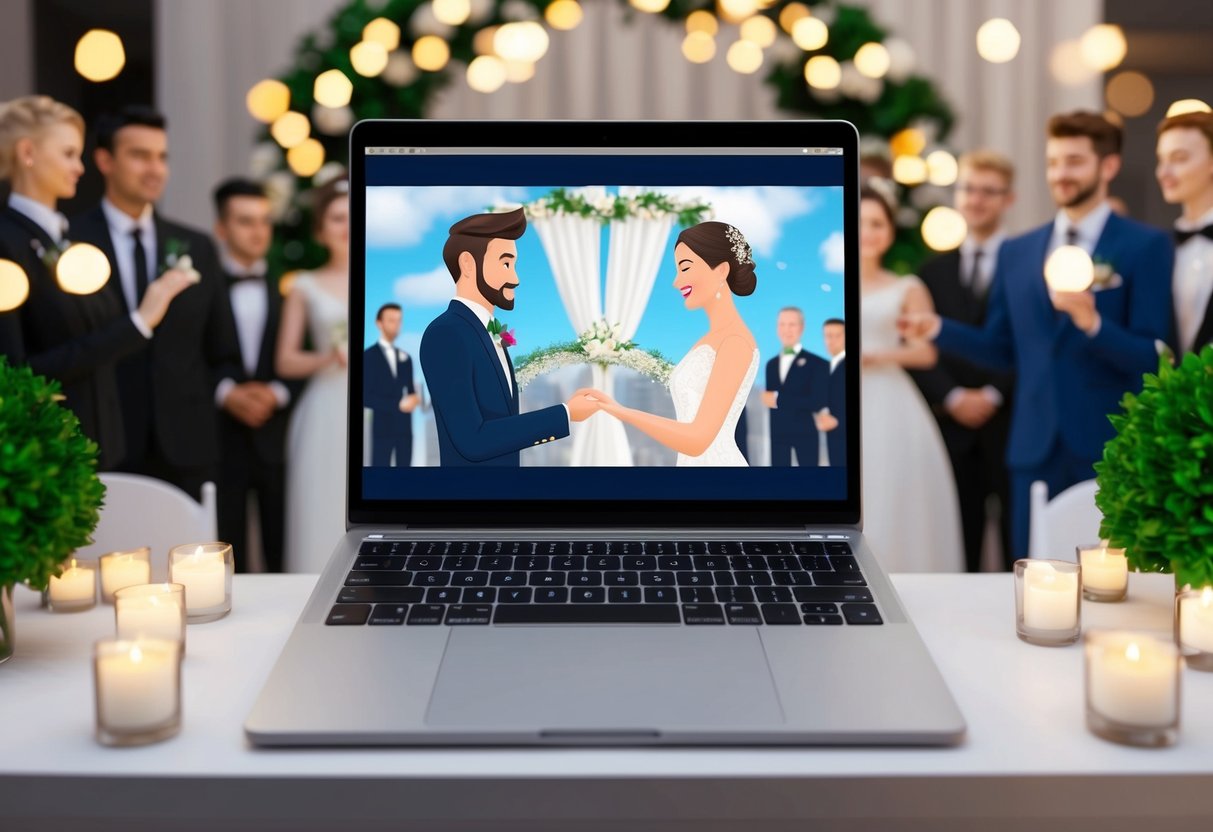
Getting married quickly and quietly has never been easier with modern online solutions. You can now choose virtual ceremonies and find various digital services that can make your wedding experience simple and stress-free.
Virtual Ceremonies and Digital Services
Virtual ceremonies offer a unique way to say “I do” without the need for a big gathering. You can connect with friends and family through video calls or live streams, making your wedding feel personal even at a distance.
Many services allow you to customize your ceremony. You can choose your officiant, write your vows, and include guests in real-time. Just make sure to have a reliable internet connection and a quiet space to celebrate your special moment.
These ceremonies can be as formal or casual as you want. They save time and money while allowing you to focus on what truly matters—your commitment to each other.
Understanding Online Marriage Services
Online marriage services provide a convenient way to get legally married. You can fill out applications, book ceremonies, and receive official documents like your marriage certificate—all online.
Some platforms also offer assistance with obtaining marriage licenses. However, this can vary by state or country, so check the specific requirements in your area.
Using online marriage services is often faster than traditional methods, allowing you to complete everything in a few hours.
Many couples find these services refreshing and simple. You can take the steps at your own pace and make arrangements that best suit you and your partner, without the fuss of a traditional wedding.