
How to Get Married Without a Ceremony in the UK: Your Guide to Simple Legal Options
If you’re considering tying the knot without a formal ceremony in the UK, you’re not alone. Many couples choose to focus on the legal side of marriage rather than the traditional celebration. You can legally get married by signing the necessary documents at a registry office without any ceremony, meeting the legal requirements along the way. This option can be especially appealing for those who prefer a low-key approach or want to avoid the stress of planning an event.
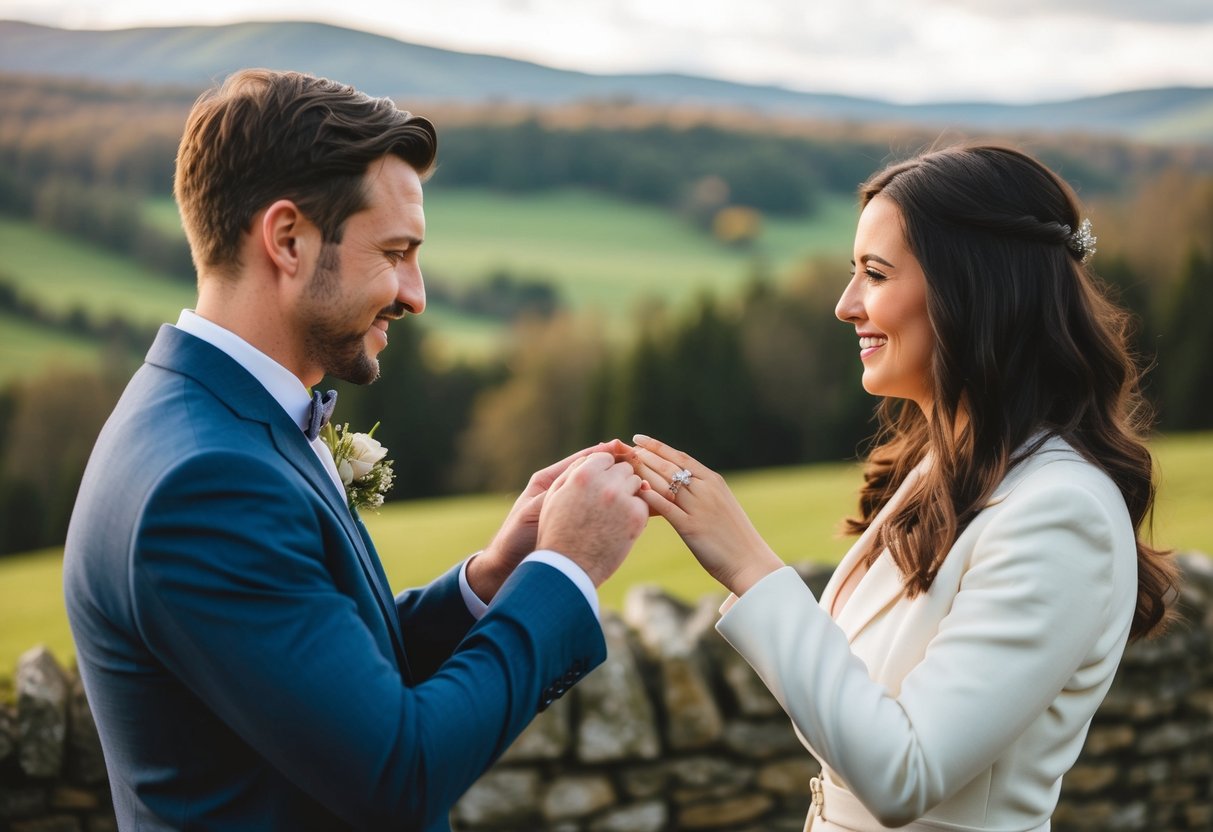
Another option is to form a civil partnership, which has similar legal standing to marriage but may suit your preferences better. The key is to ensure you understand the legal requirements involved, such as being at least 18 years old and not already in a civil partnership or marriage.
This way, you can make the process smooth and straightforward.
If you want to personalize your union, you might consider planning a private celebration after signing the paperwork. This way, you can still share the moment with loved ones in a way that feels right for you, without the formalities of a traditional ceremony.
Understanding Legal Marriages in the UK
Getting married in the UK involves some important legal steps. You need to meet certain requirements to have a legally binding marriage. There are also differences between a civil partnership and a marriage that you should know about.
Requirements for a Legally Binding Marriage
To have a legally binding marriage in the UK, you must meet specific criteria. First, you should be at least 18 years old. You also cannot be already married or in a civil partnership.
You need a licensed venue where the ceremony can occur. This could be a registry office or an approved place of worship.
Before your wedding, you must give notice at your local register office. This process involves filling out a form and may require documents like your passport.
A registrar will need to be present at the ceremony. The marriage must be solemnized, meaning it needs to follow legal requirements. After the ceremony, you will receive a marriage certificate, which is proof of your legal union.
Differences Between Civil Partnership & Marriage
While both civil partnerships and marriages offer legal recognition, they have some key differences. A civil partnership is designed for same-sex couples and offers similar legal rights as marriage. However, the terminology and ceremony can be different.
In a marriage, you can choose between a civil ceremony and a religious ceremony. In contrast, civil partnerships typically require only a civil ceremony.
Legal dissolution differs slightly between the two. You must go through a divorce for marriages and seek dissolution for civil partnerships. Knowing these differences helps you choose the right option for your relationship.
Preparing for a Marriage Without a Ceremony

If you’re looking to marry without hosting a traditional ceremony in the UK, the process is straightforward. You will need to give notice at your local register office and obtain a marriage schedule. Understanding these steps can help make your experience smooth and stress-free.
Giving Notice at Your Local Register Office
The first step is to give notice of your intention to marry. You must visit your local register office for this. It’s best to make an appointment in advance.
When you arrive, expect to provide necessary documents, such as:
- Proof of identity (passport or driver’s license)
- Proof of residence (utility bill or bank statement)
- Details about your partner (full name, address, date of birth)
You will also need to answer questions about your intent to marry. A registrar will handle this process. After giving notice, you must wait at least 28 days before you can get married.
Obtaining a Marriage Schedule
Once you’ve given notice, the next step is obtaining a marriage schedule. This document is essential for your union to be legally recognized.
Your local register office will provide the marriage schedule after the notice waiting period. You both need to be present to collect it.
Make sure you have your schedule before your wedding date. You cannot marry without it.
You also need two witnesses present at the signing of your marriage schedule. They must be over 16 years old and can be friends or family.
Life After Marriage: Legal Benefits and Changes
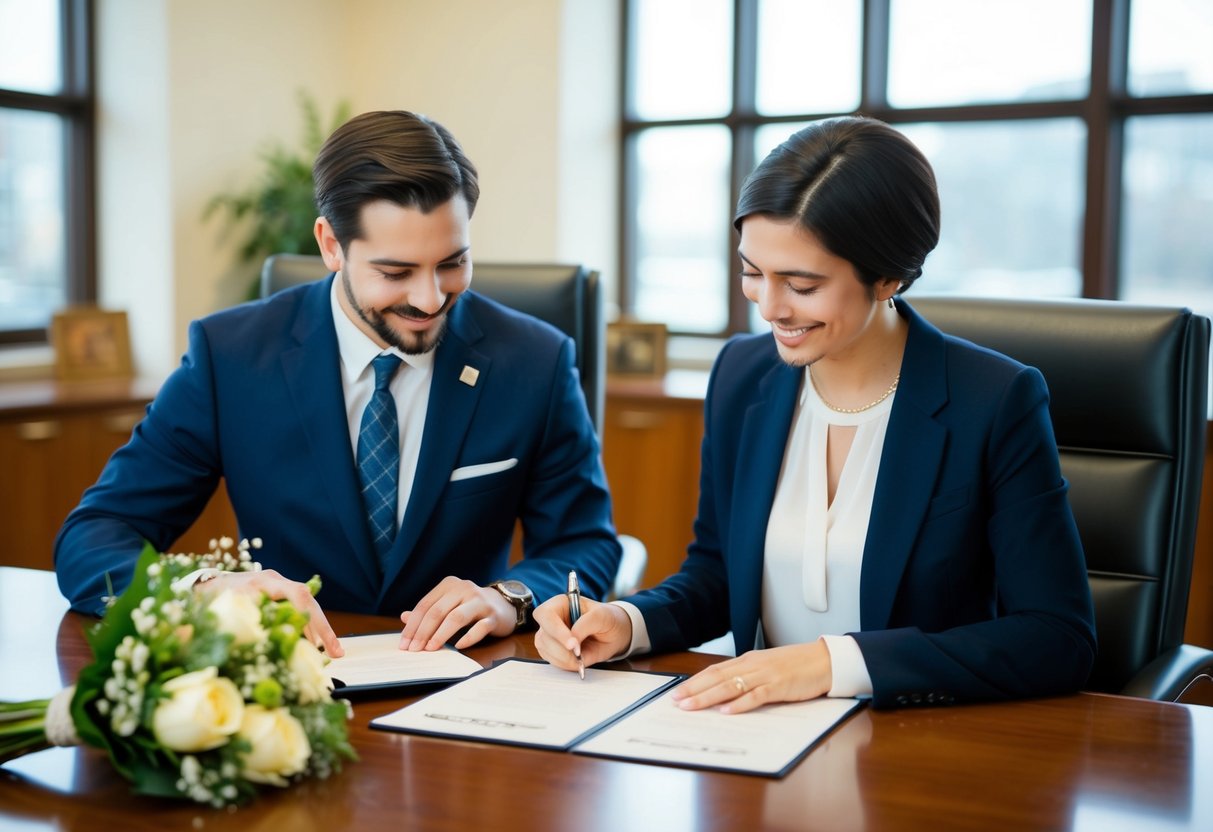
Getting married brings several important legal benefits and changes that can affect different areas of your life. These include various advantages related to your personal status and the need to update your documents after tying the knot.
Legal Benefits of Marriage
When you marry, you gain specific legal rights that can enhance your life together. These include access to benefits like health insurance through your spouse’s employer.
Many companies offer this perk without any waiting periods after marriage, making it easier for you to cover medical needs.
You also gain rights regarding property and inheritance. If one partner passes away, the surviving spouse typically inherits all the assets unless stated otherwise in a will. This means your home and any joint assets are protected under your marital rights.
Additionally, if you are an EU citizen, marriage can affect your status under the EU Settlement Scheme. You may qualify for settled status if your spouse is a UK citizen, giving you rights to remain and work in the UK without hassle. You can also explore options for indefinite leave to remain if you’re not from the UK.
Changing Your Name and Personal Documents
After marriage, many choose to change their surname to their spouse’s. If you decide to do this, you’ll need to update important documents.
Start by obtaining your marriage certificate, as it serves as proof of your name change.
You’ll want to update documents like your passport, driving license, and bank accounts. Also, notify your workplace and the Home Office of any name changes, especially if they affect your pre-settled or settled status.
These changes should be done promptly to avoid any confusion down the line.
If you’re an Irish citizen, changing your name on your identification is straightforward, but ensure that all your documents are consistent with your new name. This helps avoid issues with travel or financial matters later on. Keep a checklist of all documents that need updating for a smoother transition.
Special Considerations
When considering getting married without a ceremony in the UK, you should think about different cultural and religious views, arrangements for any non-UK citizens involved, and possibilities for elopement or simple ceremonies abroad.
Cultural and Religious Considerations
Different cultures and religions have unique traditions surrounding marriage. Some cultures may expect a ceremonial celebration, with specific rituals and witnesses present.
If you or your partner come from a background that values these traditions, consider how this decision might impact your families and communities.
It’s important to be respectful of these beliefs while making your plans. You might explore a simple religious or cultural engagement that satisfies both your desire for a low-key ceremony and your family’s expectations.
Arrangements for Non-UK Citizens
If you or your partner are not UK citizens, be aware of the immigration laws that may affect your wedding plans. Non-UK citizens may face additional requirements to get married legally.
To provide the necessary documentation, you typically need to apply for a marriage license in the UK, which may involve showing proof of residency or legal entry.
Ensure you understand the rules regarding visas. Some visa types do not allow for marriage in the UK, so careful planning is key.
Elopement and Simple Ceremonies Abroad
Eloping can be an exciting alternative if you want to skip traditional formalities. Many couples choose to elope to picturesque locations, making their wedding personal and memorable.
You can plan a simple ceremony abroad with just a few witnesses or family members if desired. Research local marriage laws in your chosen destination to ensure everything goes smoothly.
Elopement can also allow you to incorporate unique traditions into your ceremony, making it reflect your personality and values. Be mindful of travel arrangements as you plan, particularly if you want family to join you.