
How to Gracefully Decline a Wedding Invitation: Tips for Polite Responses
Receiving a wedding invitation can be exciting, but sometimes, you may need to decline. Whether it’s due to a schedule conflict or personal reasons, you can gracefully decline a wedding invitation while maintaining a positive relationship with the couple.
Knowing the right etiquette can make this process easier and help you express your regrets sincerely.
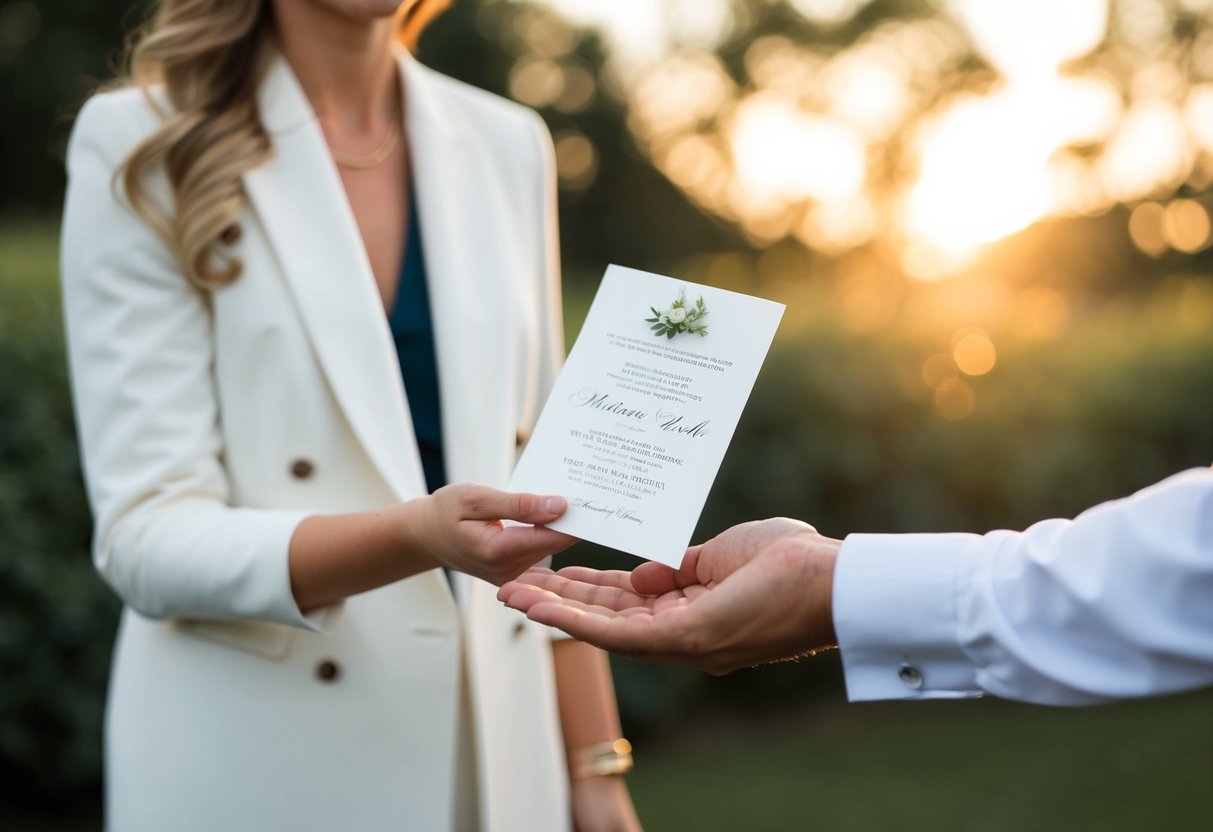
When you decide to decline, consider how you deliver the message. A polite response, whether in person, by phone, or through a heartfelt note, shows respect for the couple’s special day.
It’s important to be honest without going into too much detail about your reasons. This way, you keep the focus on your relationship and their happiness.
Understanding how to politely decline an invitation is a valuable skill. By following simple etiquette tips, you can ensure that both you and the couple feel good about your decision. Whether you’re a close friend or an acquaintance, your thoughtful reply will be appreciated.
Recognizing Wedding Etiquette

When you receive a wedding invitation, it’s important to understand the etiquette involved. This not only shows respect for the couple but also helps maintain good relationships.
Responding promptly and following polite refusal tips can make the process smoother for everyone.
Understanding the Importance of RSVP
An RSVP, which stands for “Répondez S’il Vous Plaît,” is vital for any wedding. It indicates whether you will attend the event.
By responding promptly, you help the couple finalize their plans.
Ignoring the RSVP or delaying your response can cause stress for the couple. They rely on guest counts for seating, food, and other arrangements.
Therefore, sending your answer as soon as possible is polite and respectful.
If you need to decline, communicating your decision kindly is equally essential. This maintains a good relationship. Remember, the couple has extended a special invitation, showing their trust and regard for you.
The Elements of Polite Refusal
Declining a wedding invitation can be tricky, but there are ways to do it politely.
Start by expressing gratitude for the invitation. A simple “Thank you for inviting me” sets a positive tone.
Next, clearly state your inability to attend without going into too much detail. Saying “I’m unable to attend due to prior commitments” is enough. Avoid making up excuses; honesty is valued.
Finally, add a heartfelt note wishing the couple well. A message like “I hope you have a wonderful day” shows you care.
Sending a personal note can make your refusal feel warm and sincere.
By following these steps, you can decline gracefully while adhering to wedding etiquette.
Crafting Your Response
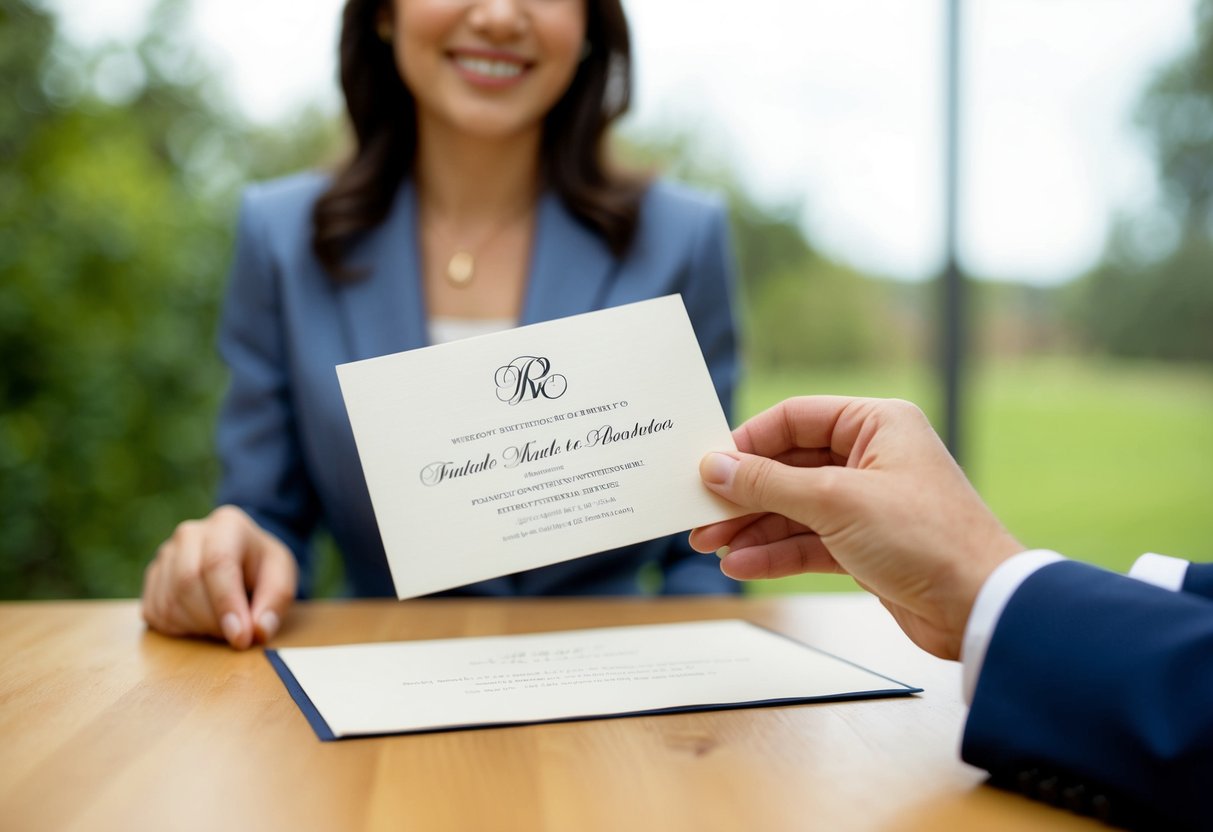
When you need to decline a wedding invitation, how you express your decision matters. Your response should be respectful and thoughtful.
There are different ways to communicate your decline, and writing a kind message can maintain your relationship with the couple.
Choosing the Right Medium for Communication
Choosing how you communicate your message is important. Consider the couple’s preferences and your relationship with them.
-
Email: This is a quick and simple option. It allows you to convey your message clearly and gives the couple a chance to read it at their convenience.
-
Phone Call: A phone call can feel more personal. If you are close to the couple, this option can show you care enough to share your feelings directly.
-
Written Note: Sending a card or a letter is thoughtful. It feels special, especially for important events like weddings. A nice card can make your message more meaningful.
Writing a Thoughtful Decline
When crafting your message, include a few key elements. Start with expressing gratitude for the invitation.
-
Thanks: Begin by thanking the couple for inviting you. This shows you appreciate their gesture.
-
Heartfelt Congratulations: Share your excitement for their upcoming wedding. A simple, “I’m so happy for you both!” adds warmth to your message.
-
Officially Decline: Clearly state that you cannot attend. Use phrases like, “Regrettably, I must decline.”
Keeping your message straightforward yet sincere will help convey your feelings effectively. This thoughtful communication can help maintain your friendship even when you can’t celebrate in person.
Navigating Common Reasons for Declining

Declining a wedding invitation can be tough, especially when you have valid reasons. It helps to communicate your situation clearly and kindly.
Here are some common reasons you might decline, along with suggestions on how to address each one.
Work and Prior Commitments
Work obligations are often a strong reason for not attending a wedding. Many people have job-related responsibilities that conflict with the wedding date.
If this is your situation, it’s best to let the couple know as soon as possible.
You might say, “I have a work commitment that I can’t change.” This keeps it simple and clear.
If you can, offer to meet up with the couple another time to celebrate. That way, you show that you still care about their special day.
Health and Travel Considerations
Health issues can be personal but are important to mention if they impact your ability to attend. If you’re feeling unwell or have a medical appointment, it’s perfectly fine to decline.
You can mention, “I’m not feeling at my best” or “I have a health concern.”
If travel is involved, such as long distances or international flights, that can also be a valid reason. Explain any travel constraints clearly but politely.
Providing a little context helps the couple understand your situation better.
Financial and Scheduling Constraints
Finances often play a key role in deciding whether to attend a wedding. Weddings can be expensive due to travel, accommodations, and gifts.
If you’re facing financial constraints, let the couple know.
You could say, “Unfortunately, I’m working with a tight budget right now.” This honesty can help the couple understand your situation without feeling hurt.
Additionally, scheduling conflicts with other events or personal responsibilities can also come into play. Just say, “I have prior commitments that day,” without going into too much detail. Your honesty is appreciated, and they will likely understand.
Showing Appreciation and Support
When you need to decline a wedding invitation, showing appreciation and support for the couple can soften the situation. Simple gestures and thoughtful communication can help you maintain a positive relationship.
Sending a Gift as a Gesture
Sending a gift is a wonderful way to express your gratitude and support. Even if you can’t attend, a thoughtful wedding gift shows that you care.
You can choose something that reflects the couple’s interests or needs. For example, consider items from their registry or a meaningful book.
Personal notes attaching your gift can add a special touch.
This gesture can help avoid hurt feelings. It acknowledges the importance of their day and keeps you connected, even from afar.
Avoiding Misunderstandings
Clear communication is key to avoiding misunderstandings when declining an invitation. Be honest yet gentle in your message.
Simple phrases like “I’m so grateful for the invite” or “I wish I could be there” help convey respect.
If you want, you can briefly explain your reason for declining. However, it’s often enough to politely say you cannot attend without going into detail.
Being clear and warm in your response assures the couple that your feelings are genuine. This helps maintain your friendship and keeps doors open for future connections.