
How to Have a Micro Wedding Without Hurting Feelings: A Guide to Celebrating Intimacy with Loved Ones
Planning a micro wedding can be a beautiful way to celebrate your special day with those who truly matter to you. Communicate your reasons for keeping the guest list small and emphasize the importance of intimacy on this occasion. By being open about your choices and the constraints you may face, you can help your loved ones understand the decision.
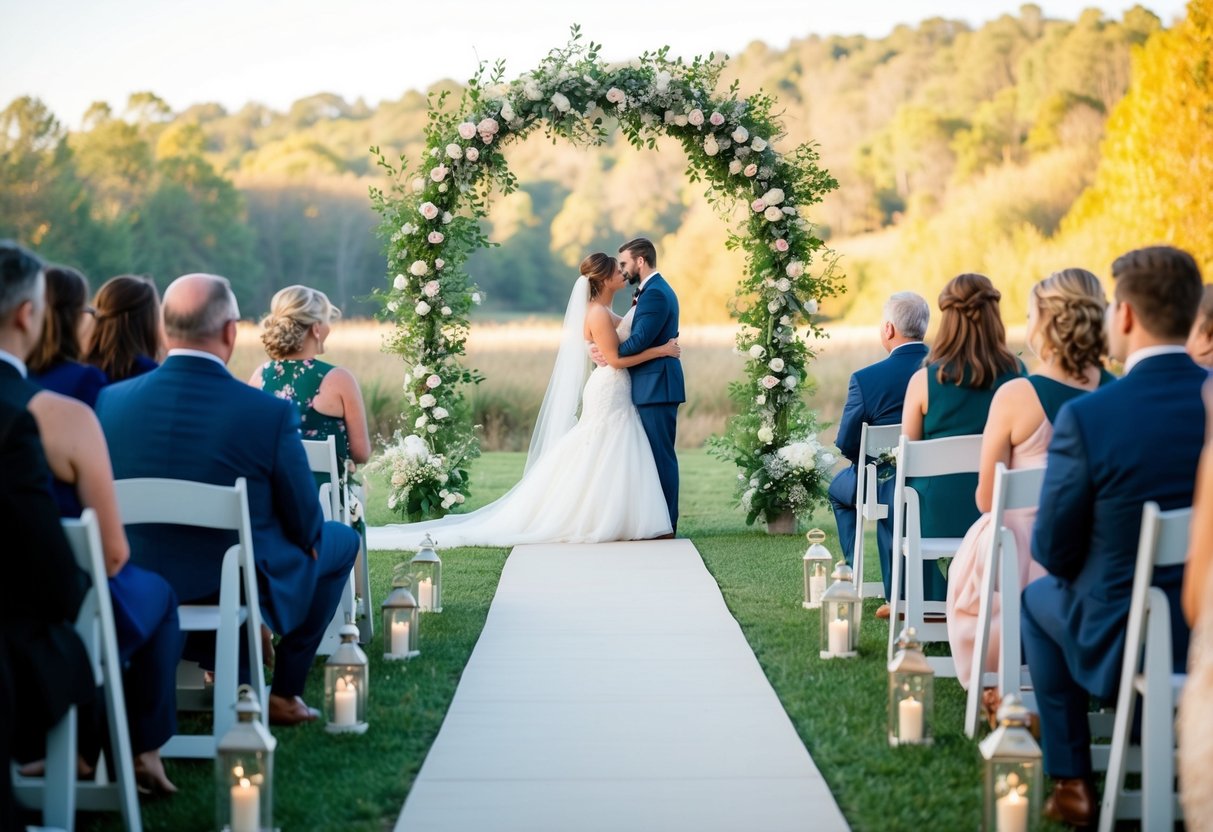
You might worry about how friends and family will react, but remember that most people appreciate honesty. Sharing your excitement about a cozy gathering can also shift the focus from who is not invited to the meaningful connections shared in your small celebration. This thoughtful approach can help alleviate concerns and reinforce the love that surrounds your special day.
Every wedding is unique, and a micro wedding allows you to focus on what truly matters—your commitment to each other. Embrace the joy of a small celebration while being sensitive to the feelings of others, and you’ll likely find your loved ones supporting your choice wholeheartedly.
Understanding Micro Weddings
Micro weddings are a special way to celebrate your big day with just a few loved ones. They provide an intimate atmosphere and can help you create lasting memories without the stress of a large event. Let’s explore what micro weddings really are and some benefits of having a smaller guest list.
Defining a Micro Wedding
A micro wedding is typically a small gathering, often defined as having 50 guests or fewer. This allows for a more personalized and intimate celebration.
In many cases, couples choose to invite only close friends and family. This can make the event feel more meaningful.
You can still have all the traditional elements of a wedding, like a ceremony and reception, but on a smaller scale. Micro weddings can take place in unique locations, such as a backyard, a beach, or even a cozy venue.
If you prefer a simpler atmosphere, you might consider an elopement. Nonetheless, a micro wedding balances intimacy with a little bit of celebration, making it an appealing choice.
Benefits of a Smaller Guest List
Having a smaller guest list offers several advantages. First, it can help you save money. With fewer people, you can focus on quality over quantity. This means spending more on every detail, like beautiful décor, tasty food, or memorable entertainment.
Another benefit is the chance to connect deeply with your guests. When you invite only close friends and family, you can share meaningful conversations and experiences. Each person at your wedding can add to the joy of your intimate celebration.
Additionally, planning a micro wedding can reduce stress. You will have fewer logistical details to manage, making it easier to enjoy your special day. Overall, a smaller gathering can lead to a relaxed and joyful atmosphere for you and your guests.
Planning Your Micro Wedding
Planning a micro wedding can be both exciting and challenging. It is important to focus on your guest list, venue, budget, and whether you need a wedding coordinator. Paying attention to these details will help you create the celebration of your dreams without worrying about hurting anyone’s feelings.
Creating Your Guest List
Begin by deciding who you want to invite. Since a micro wedding typically has 50 guests or fewer, keep your list intimate. Start with close family and friends who mean the most to you.
To avoid hurting feelings, be clear about your reasons for a smaller guest list. You might mention budget constraints or a desire for intimacy.
Consider a few strategies like a spreadsheet with names and notes. This will help you track who is invited and any plus-ones. If needed, you can explain your choices personally to those not invited.
Choosing the Right Venue
Your venue sets the tone for your celebration. Look for places that suit small gatherings, like a cozy garden, a private home, or a boutique hotel. Make sure it aligns with your vision.
Consider accessibility for your guests. You want everyone to feel comfortable getting to your wedding. Check if the venue has space for a ceremony and reception that feels welcoming.
Also, think about the atmosphere. A nice view can be a great backdrop for photos. Make a list of venues to visit and ask specific questions, like rental costs and availability, to help narrow your choices.
Setting a Realistic Budget
Budgeting is crucial in planning your micro wedding. Start by listing all possible expenses, such as venue, food, and decorations. Don’t forget smaller details like invitations and favors.
Think about any potential budget constraints. It can help to prioritize what matters most to you. For example, if great food is a priority, allocate more funds there and cut back on flowers.
Make use of tools, like budgeting apps or spreadsheets, to track your expenses. This will prevent overspending and help you stay on target.
The Importance of a Wedding Coordinator
Having a wedding coordinator can relieve a lot of stress. They help with the logistics, from timelines to vendor coordination. This is beneficial, especially for a micro wedding where details still matter a lot.
A good coordinator understands your vision and budget. They can suggest local vendors that fit your style, saving you time.
Think about your wedding timeline. A coordinator helps create a smooth flow, ensuring everything runs as planned. This way, you can relax and enjoy your special day without feeling overwhelmed by all the tasks.
Communicating Your Decision
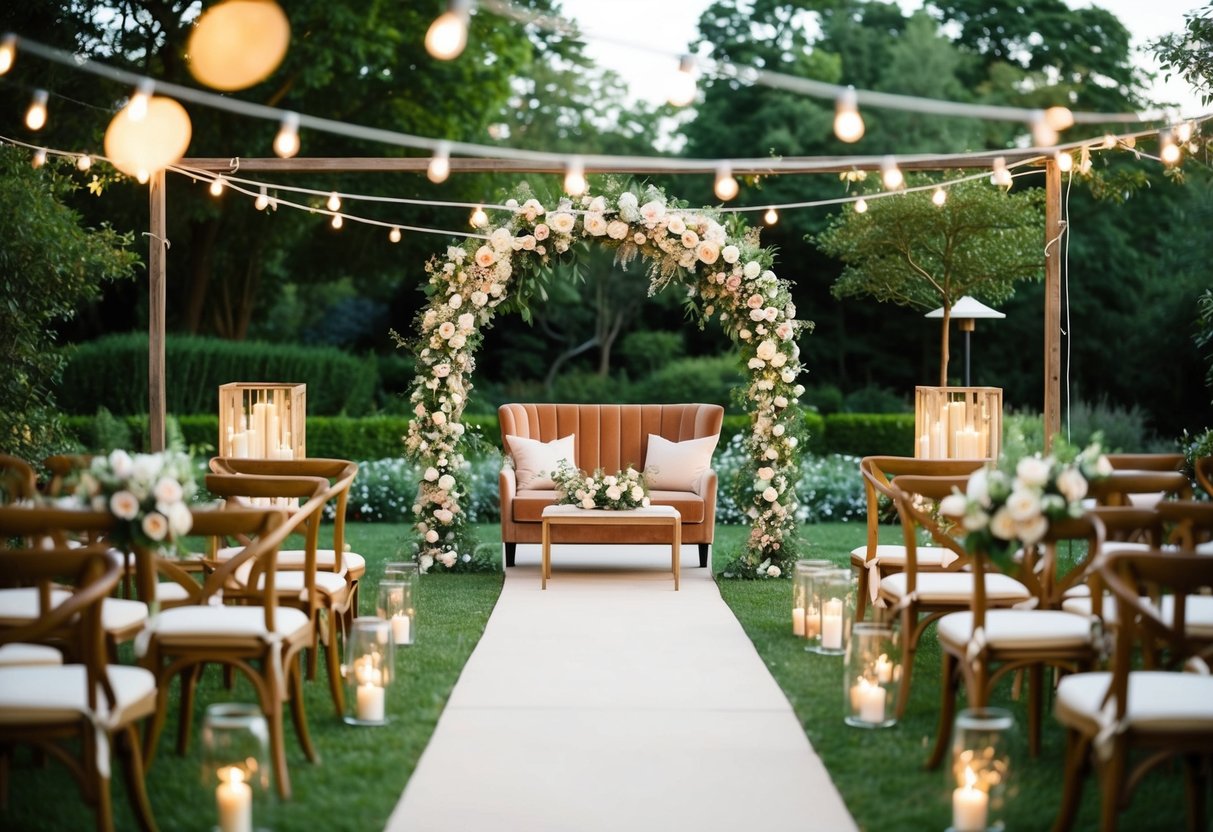
Communicating your choice to have a micro wedding is important to avoid hurt feelings among your guests. Being clear and sincere can help your loved ones understand your decision and feel included in your celebration.
Addressing Potential Hurt Feelings
When sharing your decision, be upfront about your reasons for a smaller wedding. Explain that it may be due to budget constraints, personal preference, or simplifying the celebration. You can say something like, “We love you and wish we could invite everyone, but we made this decision for our own reasons.”
Acknowledge that some may feel left out. It’s helpful to offer personal messages or calls to those not invited. Sharing your excitement and keeping the conversation open can ease potential hurt feelings. Make it clear that your choice isn’t a reflection of your feelings toward them.
Sending out Invitations and Notices
When sending out invitations, keep your message warm and inviting. Use language that reassures your loved ones of their importance to you. A note like, “Though our celebration is small, you mean the world to us,” can make a difference.
Consider sending a digital announcement or a personal message to explain your plans. You can also suggest a get-together after the wedding to celebrate with those not included in the guest list. This way, they will feel valued and part of your journey, even if they’re not at the wedding itself.
Executing the Perfect Day

Planning your micro wedding includes careful attention to details. Focus on logistics, capturing memories, and ensuring that everything runs smoothly. Here’s how to make your special day enjoyable and stress-free for you and your guests.
Navigating Wedding Day Logistics
Start by creating a detailed timeline. List the order of events, from the ceremony to the wedding reception. Make sure to assign specific roles to your closest friends or family members. This way, everyone knows their responsibilities.
Consider the venue layout. Ensure there’s enough space for guests and the essentials like a cake table and seating areas. Don’t forget to plan for any unexpected situations. An emergency kit with basics like safety pins, snacks, and first aid items can be a lifesaver.
Lastly, keep communication open with your vendor team. Regular check-ins will ease any wedding stress and keep everything running smoothly on the big day.
Capturing Memories with a Photographer
Hiring a great wedding photographer can make a significant difference. Look for someone experienced with micro weddings, as they understand the unique dynamics. Meet with potential photographers to discuss your vision and preferred styles.
Create a shot list of important moments you want captured. Include key family members and any special details like rings or décor. Discuss the timeline with your photographer to ensure they’re available for all critical moments.
Don’t forget to take candid shots throughout the day. These can capture genuine emotions and interactions, creating lasting memories.
Ensuring a Smooth Celebration
Smooth celebrations come from thorough planning.
Set a realistic budget for your micro wedding. Keep in mind the essential costs like food, venue, and photography.
Use your budget wisely to avoid overspending. Overspending can lead to unnecessary stress.
Consider hiring a day-of coordinator. A day-of coordinator can manage tasks and handle any issues that arise. This support lets you focus more on enjoying your day.
Make your guests feel special, even in a smaller setting.
Personal touches like handwritten notes or favors can go a long way in making everyone feel included.
Keep the mood light and encourage relaxation to ensure a joyous atmosphere.