
How to Have a No-Fuss Wedding: Simple Planning Tips
You have a no-fuss wedding by choosing a few priorities, setting a firm budget, and keeping each decision focused on the celebration you want. You can make the day feel personal and relaxed without filling your calendar with planning tasks or adding details that do not fit your style.
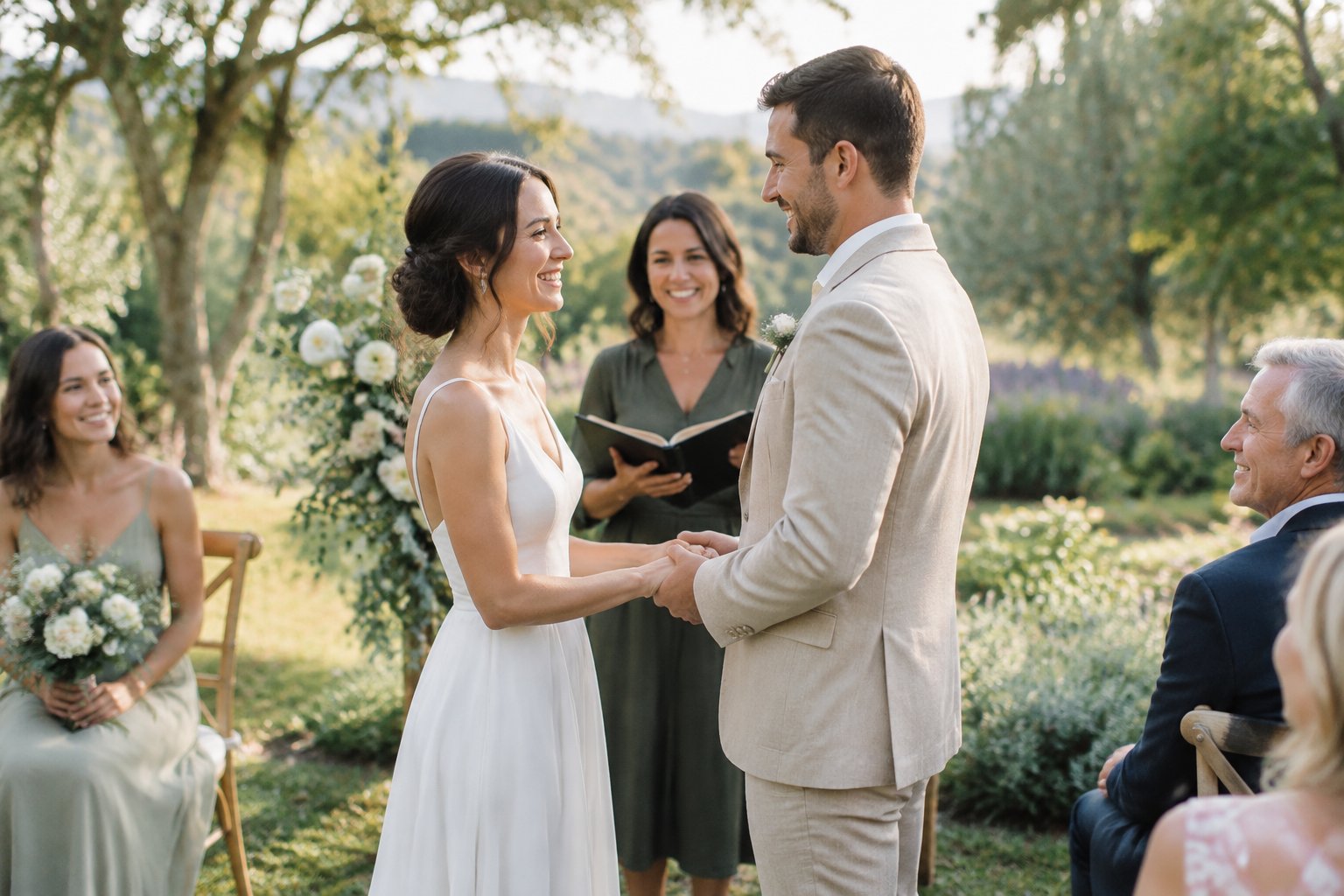
Start with a conversation about what you both want to remember: the vows, time with loved ones, a favorite meal, or dancing together. Use those answers to guide your plans, then give yourself permission to let go of choices that feel like extra work.
What Makes a Wedding Feel No-Fuss?
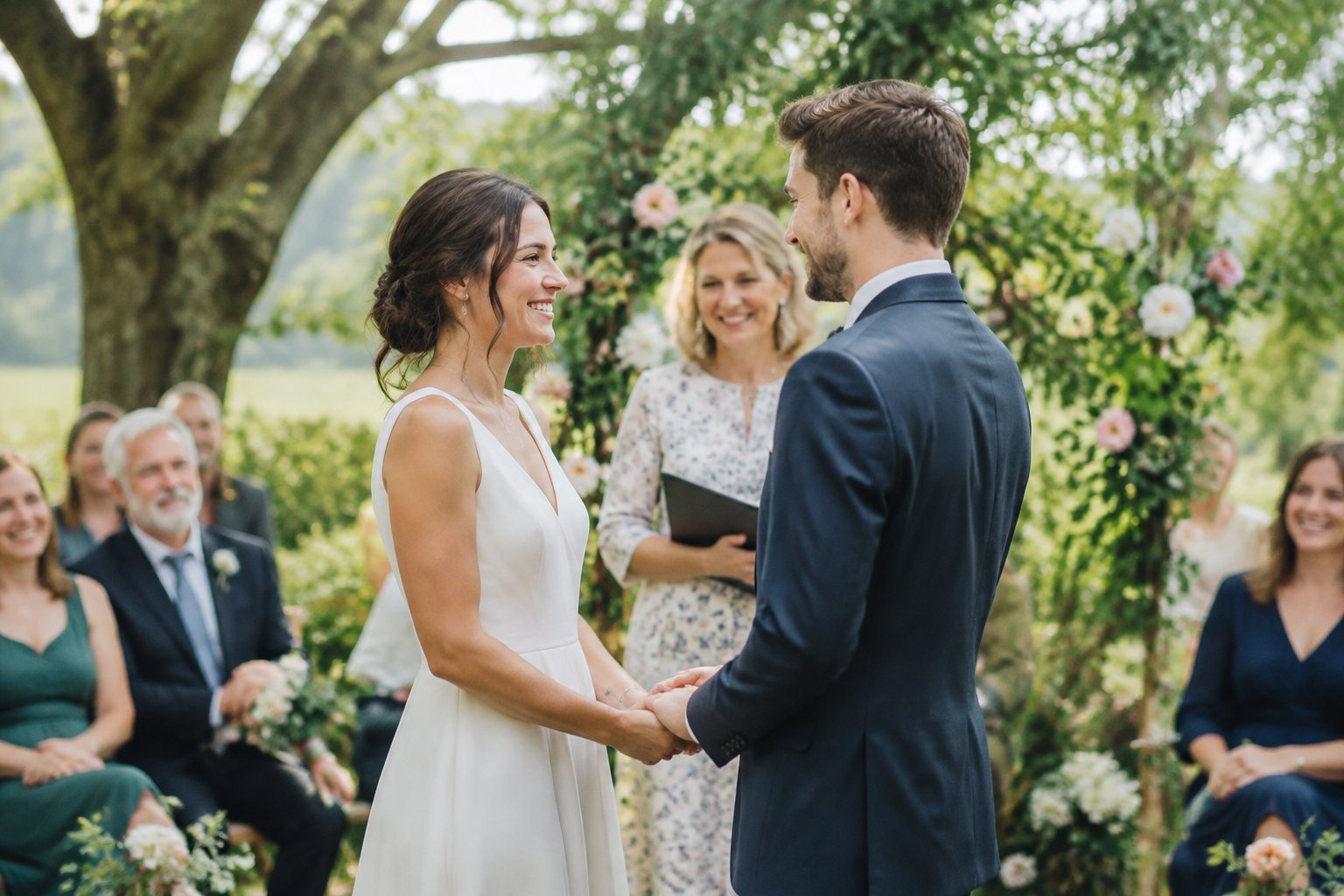
A no-fuss wedding feels comfortable, personal, and easy to enjoy. You set the tone by choosing traditions and details that suit you, then keeping the focus on your commitment and the people gathered for your wedding celebration.
Choose the Feeling You Want, Not a Rulebook
Start with the mood you want your guests to feel. A casual wedding might feel like a warm backyard dinner, while an informal wedding at a neighborhood restaurant could feel like a lively night out. Both can be thoughtful and memorable.
Describe your ideal day in a few words, such as cozy, joyful, or outdoorsy. Use those words to guide decisions about the venue, dress code, and food. If a tradition feels meaningful, include it. If it feels like an obligation, leave room for something that fits you better.
Keep the Focus on Your Commitment
Keep the ceremony centered on your promises to each other. A short ceremony, personal vows, or a reading from someone close to you can make the moment feel special without adding complicated plans.
Choose one or two details that reflect your relationship, such as a favorite song or a family recipe. That gives your wedding celebration a personal touch while keeping your planning manageable.
How Can You Simplify Wedding Planning?

Simple wedding planning works best when you make key decisions together, track only the tasks you need, and choose support that saves you time. A clear wedding planning checklist helps you keep details in one place, while the right wedding planner can take logistics off your hands.
Set Priorities Together
Write down the parts of the day that matter most to each of you, then compare your lists. Agree on a short set of shared priorities before you contact venues or suppliers. You can use those priorities to sort essential choices from optional extras; this wedding planning priority guide can help you start the conversation.
Set a limit on how much time you want to spend planning each week. A regular check-in gives you a chance to make decisions together and assign next steps, while leaving some evenings free of wedding talk.
Use a Simple Wedding Planning Checklist
A simple wedding planning checklist keeps dates, tasks, and decisions easy to find. Start with your ceremony date and venue, then add the next steps that apply to your plans, such as booking food service or sending invitations. This step-by-step wedding checklist offers a useful framework to adapt.
Keep the checklist in one shared document or calendar. Add an owner and due date to each task, and remove items once you decide they do not belong in your plans. That keeps the list useful instead of letting it grow into a record of every idea you have considered.
Decide Whether You Need a Wedding Planner
A wedding planner can help when you want expert support with vendor coordination, schedules, or planning decisions. You can also organize your own wedding if you have time to manage the details and prefer to make each choice yourselves; this guide to planning your wedding without a planner can help you weigh that option.
If a full-service planner does not fit your needs, consider hiring a day-of coordinator. Ask what tasks they handle, when their support begins, and what information they need from you. Clear answers make it easier to choose the level of help that suits your plans.
How Do You Keep the Budget and Guest List Manageable?

You keep wedding planning manageable by deciding what you can spend before booking and setting a guest list that fits your priorities. Those early choices shape your venue options, food plans, and the amount of coordination your day requires.
Set a Firm Budget Before Booking
Choose a total spending limit together, then list the costs you expect, including the venue, food, clothing, and transportation. Set aside a cushion for last-minute expenses so an unexpected fee does not force you to cut something important. A realistic wedding budget gives you a clear starting point.
Assign a spending limit to each major category before you sign contracts. Keep estimates and final costs in the same document, and check the remaining balance before adding a new service or upgrade.
Invite the People You Most Want There
Build your guest list around the people you want beside you on the day. A smaller gathering can give you more time to talk with each guest and may open up additional venue choices. These guest list tips for a small wedding can help you make decisions with care.
Agree on a consistent way to handle invitations, such as inviting close family and friends from both sides. If you feel pressure to add names, return to your budget and the atmosphere you want. A clear limit makes it easier to explain your plans kindly.
Trim Extras That Do Not Matter to You
Review each planned expense and ask whether it adds something you value. You might spend on a favorite meal and skip favors, custom signage, or extra decor. Your choices should reflect your interests, not a list of expected purchases.
Keep a short “skip” list as you plan. When a new idea comes up, check it against your priorities and budget before adding it to your tasks.
Which Setting and Details Suit a Casual Wedding?
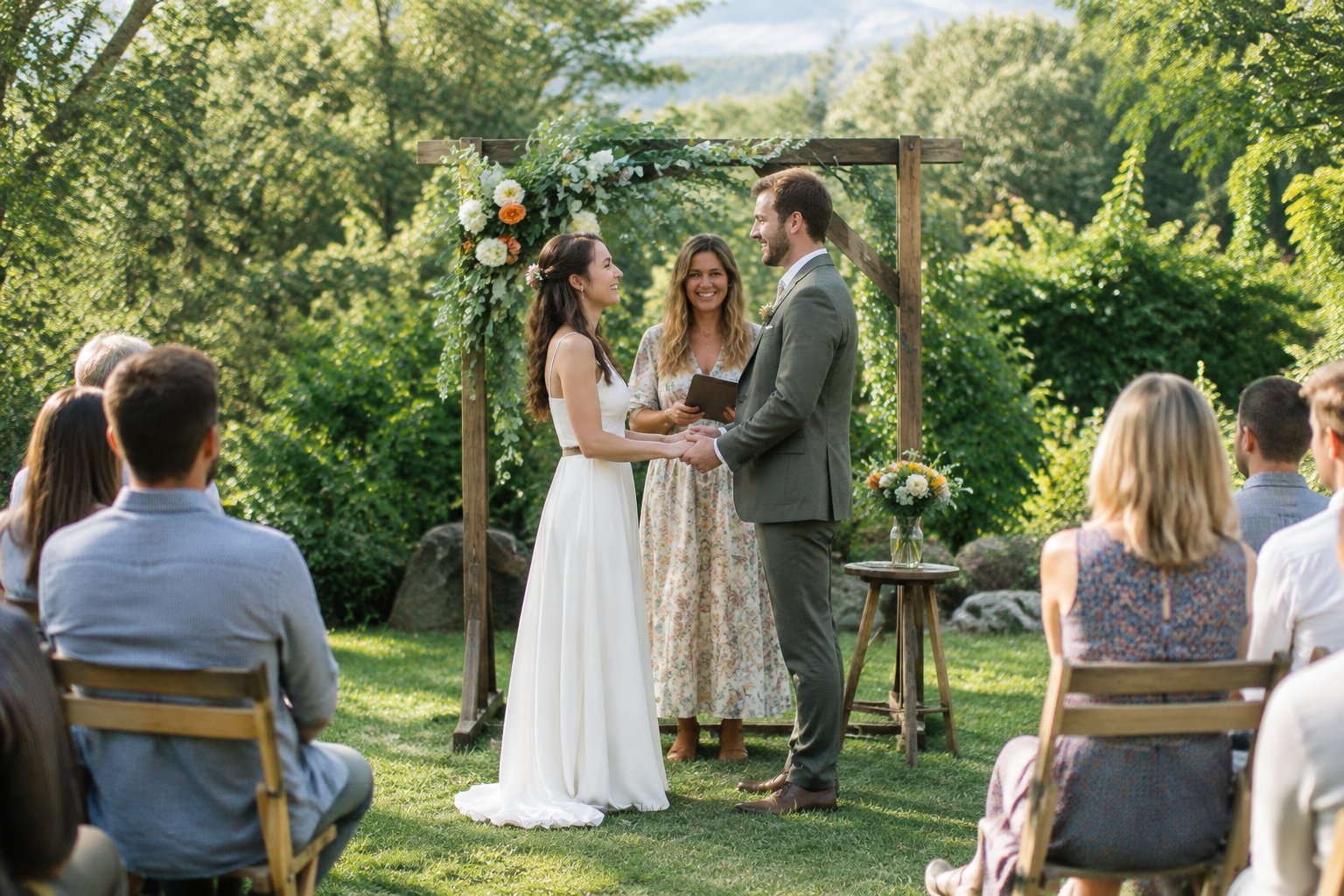
Choose a comfortable setting and a few practical details to create a casual wedding that feels welcoming. A familiar venue can set the mood on its own, while relaxed food service and simple decor keep the wedding celebration easy for you and your guests.
Choose a Meaningful, Comfortable Venue
Look at places that feel connected to your life together, such as a backyard, favorite restaurant, community garden, or local park. Check the guest capacity, accessibility, restrooms, and weather plan before you book. A venue that already suits your style also gives you a clear starting point for decor.
Hosting the ceremony and reception in one place can reduce travel and scheduling tasks. Browse these casual wedding ideas for inspiration that you can shape around your venue and guest list.
Serve Relaxed Food and Drinks
Pick a meal that suits the setting and gives guests a comfortable way to eat. A buffet, family-style dinner, food truck, or favorite local restaurant can all work for an informal wedding. Confirm what the venue allows and ask how food service will fit into your schedule.
Keep the drink plan simple, too. You might offer a few selected beverages or set up a self-serve station if your venue permits it. Make sure guests can find water and nonalcoholic options.
Use Simple Decor, Seating, and Lighting
Let the venue guide your decor choices. A garden, beach, or attractive restaurant may need only flowers on the tables and a few personal touches. You can also reuse ceremony flowers at the reception to reduce setup and expense.
Plan enough comfortable seating for your guests, especially during the meal. Soft lighting, such as candles or string lights where permitted, can create a warm feel without requiring elaborate styling. Check venue rules for open flames, outdoor fixtures, and setup times before buying supplies.
What Should You Wear and Delegate?
Choose wedding clothes that let you feel comfortable, then assign day-of responsibilities to people or suppliers you trust. A clear dress plan and a short list of delegated tasks help you stay present during the celebration.
Choose a Wedding Dress That Feels Like You
Choose a wedding dress that fits your taste, venue, and plans for the day. You might feel most at ease in a classic gown, a simple dress, a jumpsuit, or an outfit you can wear again. Try walking, sitting, and moving in your choice so you know it feels good throughout the event.
Set a clothing budget before you shop, and include alterations, shoes, and accessories. Share a clear dress code with guests so they know how formal the celebration will be.
Hire Suppliers Who Make Decisions Easier
Choose suppliers who explain their services, prices, and process clearly. Before you book, ask what they need from you, when you need to make decisions, and who will handle last-minute changes. A clear process gives you fewer details to chase during planning.
Give each supplier a concise brief with your priorities, schedule, and contact person. Confirm the important details in writing, including delivery times and payment dates, so everyone knows what to expect.
Ask Someone You Trust to Handle Day-Of Details
Choose one reliable person to answer questions and handle small tasks on the wedding day. Give them a written schedule, supplier contact details, and instructions for any items that need to be delivered or set up.
You can also assign a separate person to gather gifts or keep track of personal belongings. Share these tasks before the wedding, then let your helper manage them.
Keep your own day-of checklist short, with only the items you need to bring and the time you need to arrive.