
How to Have a Small Wedding Without Hurting People’s Feelings: Tips for Thoughtful Invites and Celebrations
Planning a small wedding can feel daunting, especially when you want to keep everyone’s feelings in mind. Many people have expectations about weddings, and it can be tricky to navigate those while also creating the intimate atmosphere you desire. You can achieve this by having open and honest communication about your intentions and the reasons for having a smaller celebration.
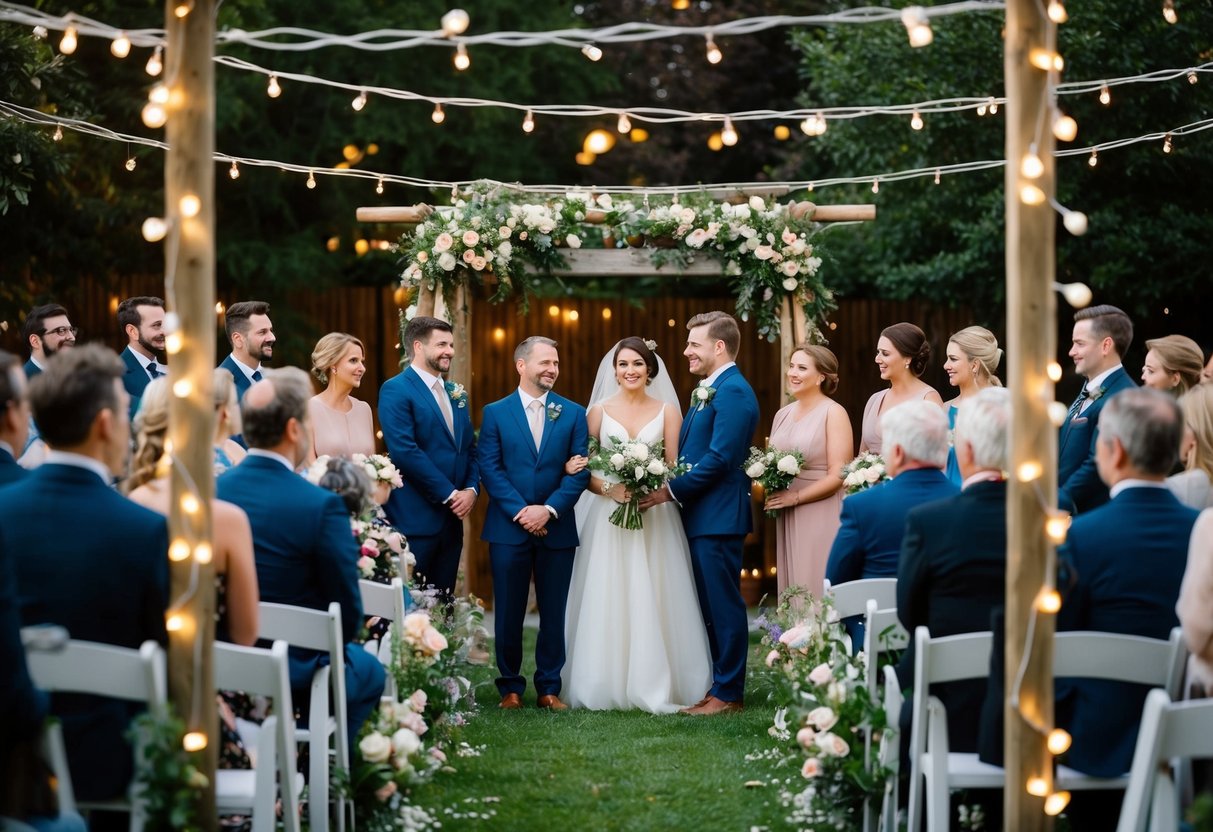
As you set out to plan your special day, remember that prioritizing your happiness is important. An intimate wedding allows you to focus on what truly matters: your love story and the bonds that bring you joy. Sharing your vision with friends and family will help them understand your choices, making it less likely that they will feel hurt or excluded.
Embrace the opportunity to explain that you’ve made thoughtful decisions, whether due to budget, space, or personal values. Balancing these factors while being considerate of others’ feelings can lead to a memorable event that honors both your desire for a small gathering and the relationships that matter most to you.
Deciding the Scope of Your Intimate Wedding
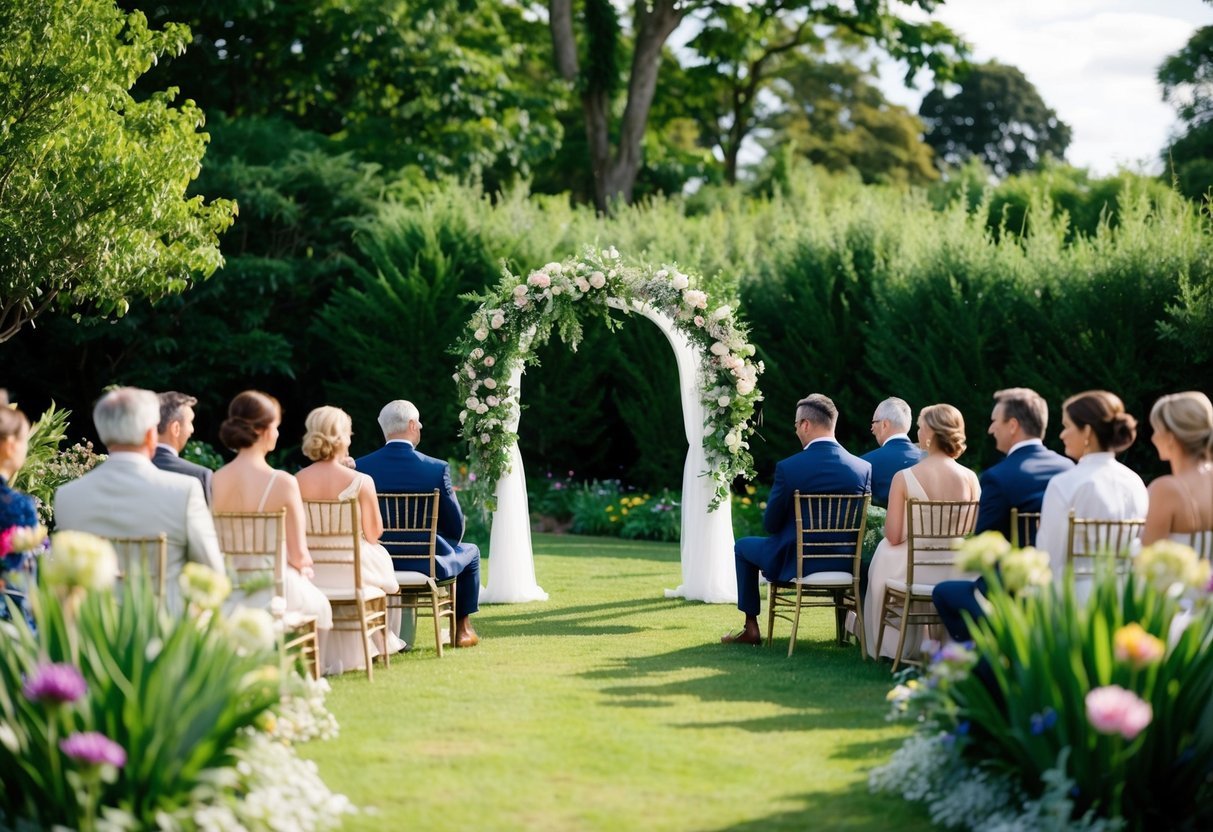
When planning a small wedding, it’s important to define what an intimate celebration looks like for you. Key decisions include determining the size of your guest list and deciding whether an elopement or a micro wedding suits your vision best.
Determining the Guest List Size
Your guest list is a crucial part of your wedding planning. Start by listing people who matter most to you. Consider inviting close family members and best friends. Limiting your list to about 10-50 guests often helps keep the event personal and authentic.
You can create a few categories: “Must-Have Guests,” “Optional Guests,” and “No-Show List.” This helps you visualize who truly belongs at your celebration. Remember to communicate with your loved ones, explaining why you chose a small gathering. This way, they’re less likely to feel hurt or left out.
Choosing Between Elopement and Micro Wedding
You might wonder between eloping or hosting a micro wedding. An elopement usually means just the two of you, possibly with a witness. It’s perfect if you prefer a private moment and want to skip elaborate planning. This choice often feels spontaneous and freeing.
On the other hand, a micro wedding includes a small guest list but retains elements of a traditional ceremony. You can still have a venue, decor, and a small reception. This option allows you to cherish your closest relationships in a more intimate setting while still celebrating your love. Decide which option aligns best with your vision for your special day.
Communicating Your Wedding Decisions
Clear communication is key when planning a small wedding. It helps set the right expectations and ensures that your loved ones understand your choices. Addressing boundaries and sharing invitations thoughtfully can minimize hurt feelings and keep everyone in the loop.
Setting and Communicating Boundaries
Establishing boundaries is crucial to avoid misunderstandings. Before planning, think about who you want on your guest list. This helps you decide how intimate the event will be. Be open with your family and friends about your intention to keep the wedding small.
When you communicate your boundaries, do so kindly and clearly. Explain why you are choosing a smaller wedding. Use phrases like, “We love you, but due to budget or space, we are limiting our guest list.” This honesty helps others feel less hurt about not being invited.
Sending Wedding Announcements and Invitations
When sending out wedding announcements and invitations, think about the best way to share the news. Personalized messages can make people feel included, even if they’re not on your guest list. Consider sending a heartfelt note to those uninvited, explaining your decision.
Use direct messaging or emails for a personal touch. Your invitations should reflect the small nature of your wedding. Make it clear that the event is intimate and that it’s not a slight against anyone. This way, all guests understand your choices and can celebrate with you, in spirit.
Managing Expectations and Hurt Feelings
It’s natural for some people to feel disappointed if they’re not invited. To manage expectations, start by discussing your wedding plans with close family. Make sure they understand your reasons for a small gathering.
Let them know you appreciate their support and love. Be prepared for mixed reactions and acknowledge their feelings. Open conversations can go a long way in preventing hurt feelings. If needed, remind them that you value each friendship deeply, even with a smaller wedding size.
Personalizing Your Small Wedding
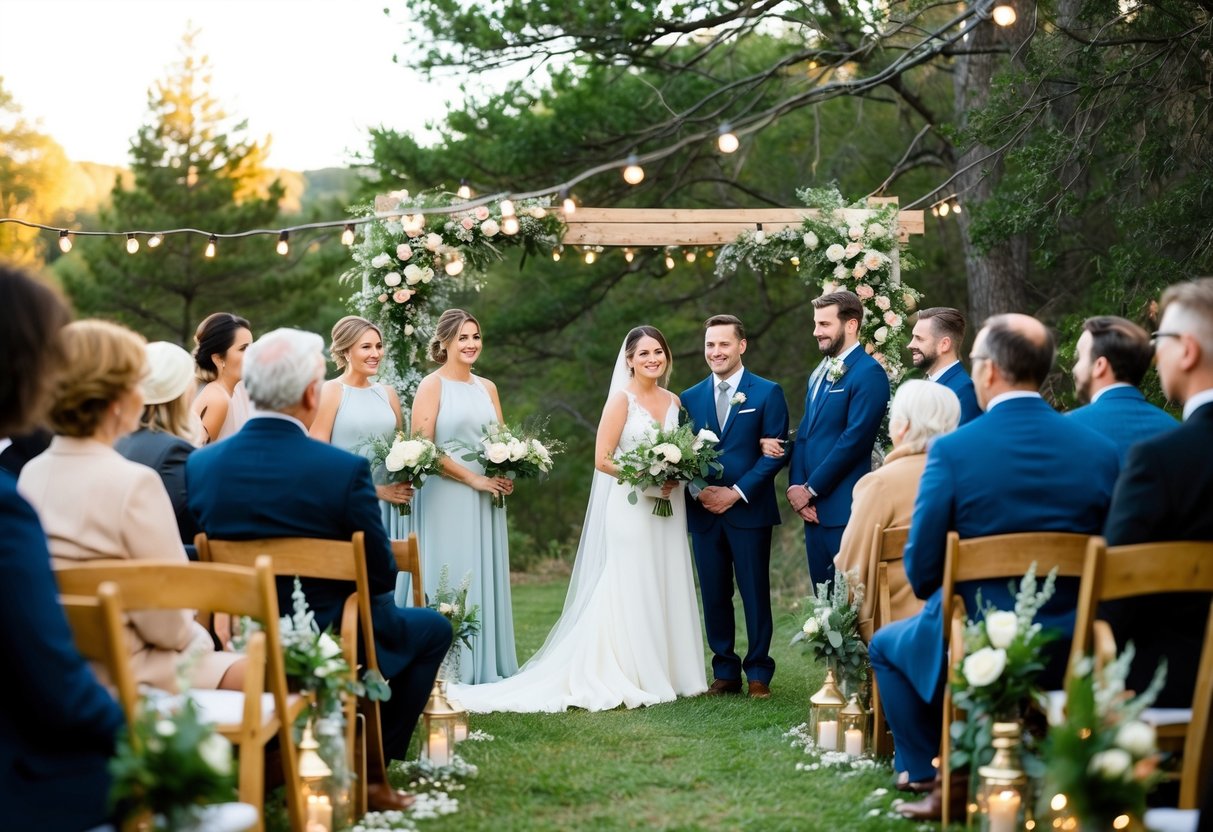
Small weddings offer a special chance to create a unique celebration tailored to your style and wishes. Personalizing your wedding makes it memorable for you and your guests. Let’s explore how to choose the right venue, plan an unforgettable reception, and design a unique celebration.
Selecting the Right Venue
Choosing the perfect venue is key for your small wedding. A cozy, intimate setting can make all the difference. Consider a backyard wedding if you want a personal touch. It allows greater flexibility and can feel very warm.
Alternatively, local parks, art galleries, or small event spaces can add charm. These venues often have unique features, making them special. Make sure to consider how the venue aligns with your theme and how it can accommodate your guests comfortably.
Planning a Memorable Reception
The reception is where you can express your creativity. With fewer guests, you can afford to add unique elements. Think about a family-style meal or a themed buffet that reflects your tastes.
Consider fun ideas like personalized cocktails or a dessert bar featuring your favorite treats. This adds a personal connection to your celebration. Don’t forget about entertainment. A live band or a small playlist can set the tone for a relaxed vibe.
Designing a Unique Celebration
Your wedding celebration should reflect your personalities as a couple. Start with personalized decor that speaks to who you are. Items like custom centerpieces or photo displays can highlight your story.
Incorporate special touches that resonate with your relationship, such as favorite quotes or unique traditions. Handmade items, like favors or signage, add a personal flair. Finally, create a warm atmosphere with soft lighting and cozy seating. This helps everyone feel included and creates lasting memories.
Managing the Logistics
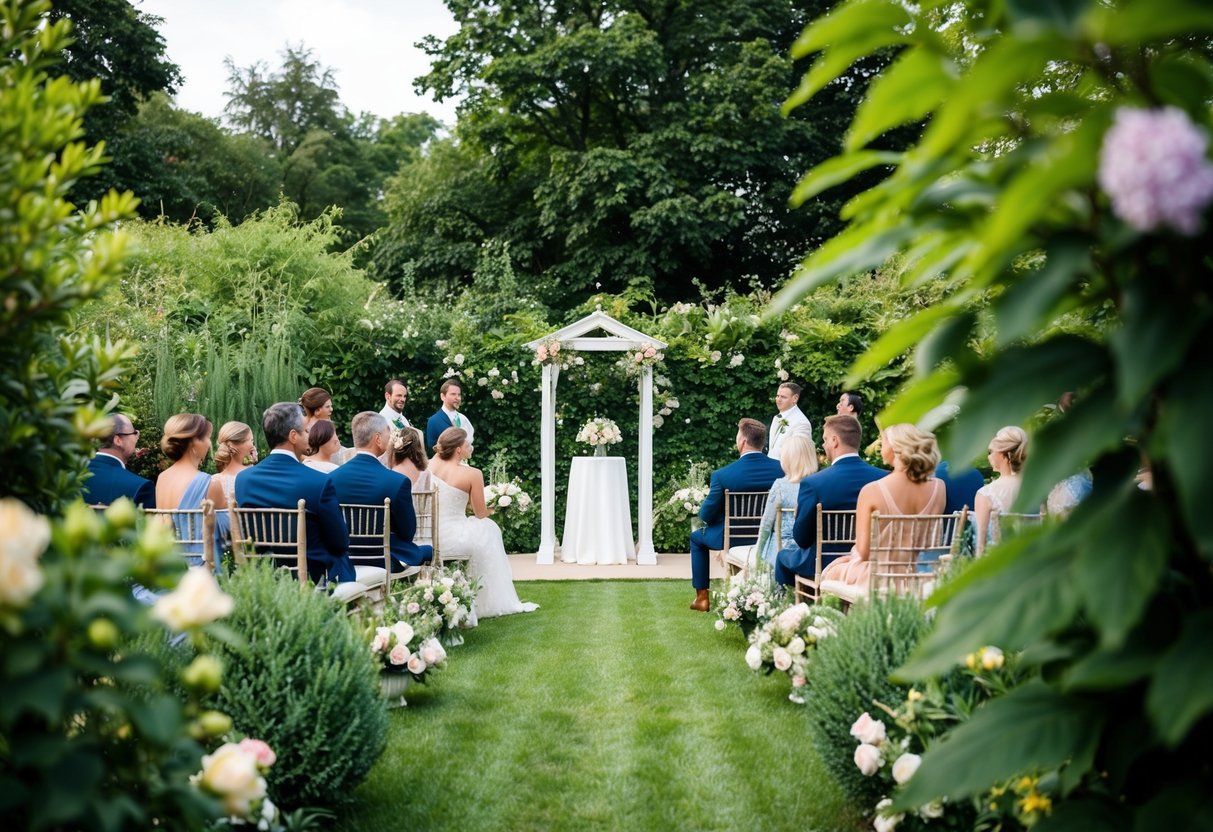
Planning the logistics of a small wedding can help you keep costs in check and make the day enjoyable for everyone. You’ll want to think carefully about your budget, attire choices, and whether to invite children to ensure that your event runs smoothly.
Controlling Wedding Costs
Creating a budget is a crucial step. Start by listing all potential expenses, like venue, food, and decor. With a smaller guest list, you can allocate more funds per person, which might allow for higher-quality food or unique decorations.
Consider a destination wedding. Often, this means fewer guests as it can be pricey for some. Make sure to communicate clearly with your close friends and family about why you chose a smaller event to avoid hurt feelings.
Look for ways to save, such as choosing an off-peak season or a smaller venue, which will also cut down the overall wedding costs. Research local vendors who can provide services without breaking the bank.
Choosing Wedding Attire and Plus Ones
Selecting wedding attire plays a big role in the planning process. For a small wedding, think about whether formal wear is necessary. You might opt for something more casual that reflects your style.
When it comes to plus ones, it’s important to set clear rules. Invite those closest to you, but be honest about why you can’t extend invitations to everyone. You can explain that you want to keep the celebration intimate. Consider whether your close friends and family would prefer to celebrate with you rather than bring someone else along.
Make sure to communicate what’s expected regarding attire for everyone invited. Clear guidance can help avoid confusion and ensure everyone feels included.
Considering a Child-Free Ceremony
A child-free ceremony can simplify logistics. It also provides a more relaxed atmosphere for adults and avoids distractions during the ceremony.
You may want to explain your choice to family and friends. Make it clear in your invitations. Stating this upfront is best to prevent misunderstandings. You can also suggest nearby childcare options for guests who may need help.
Some family members might be disappointed. Focusing on the enjoyment of your special day can help ease tensions. Ultimately, a child-free celebration lets you spend quality time with your adult guests and create a memorable experience.