
How to Legally Officiate a Wedding in the UK: A Simple Guide for Couples
If you’re dreaming of officiating a wedding in the UK, you need to know the legal steps involved. Only a licensed member of the Church or someone registered by the local authority can legally officiate a wedding. Depending on your relationship with the couple, this might seem like a challenge, but there are ways to make it work.
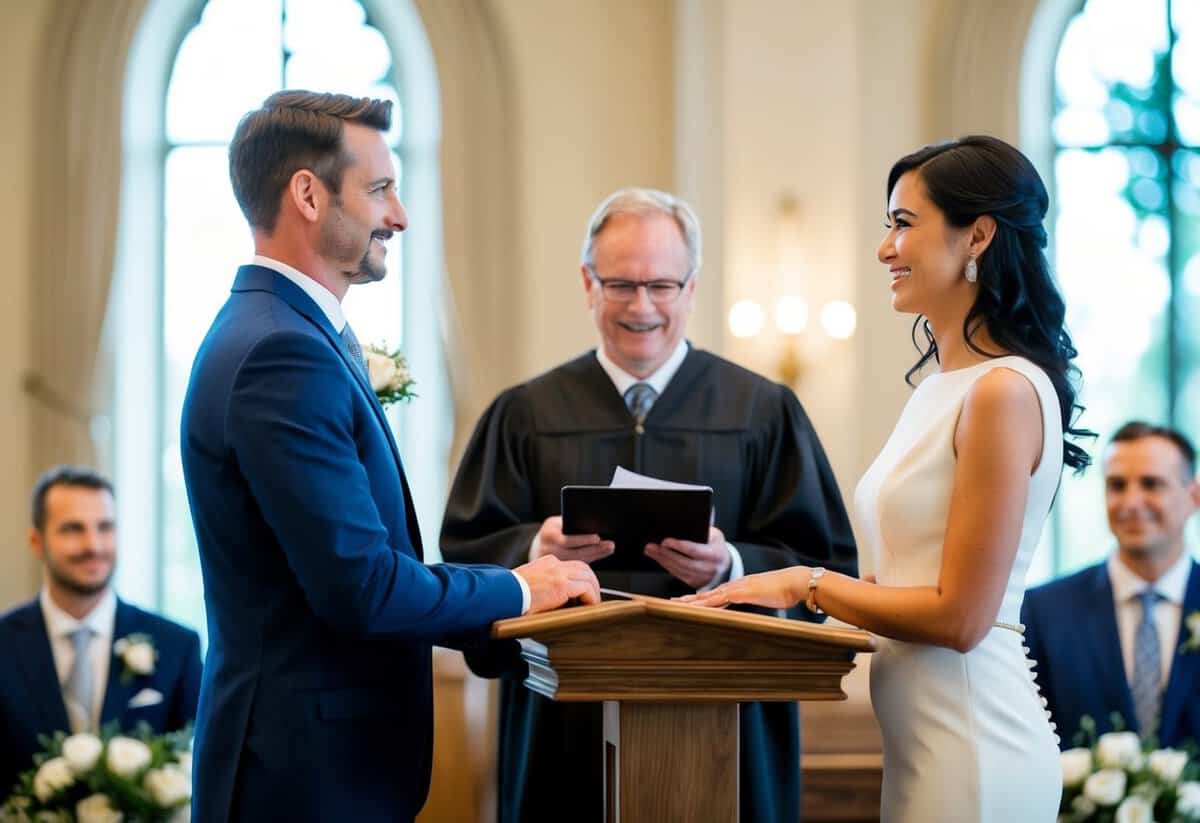
Many people wonder if a friend or family member can lead a wedding ceremony. While anyone can perform a non-legally binding ceremony, making it official requires specific credentials. Understanding these requirements can help you navigate the process more easily and make the couple’s dreams come true.
By familiarizing yourself with the laws and options available, you can take meaningful steps toward becoming a legal officiant. This guide will walk you through everything you need to know to make a wedding memorable and recognized by law.
Understanding the Legal Requirements
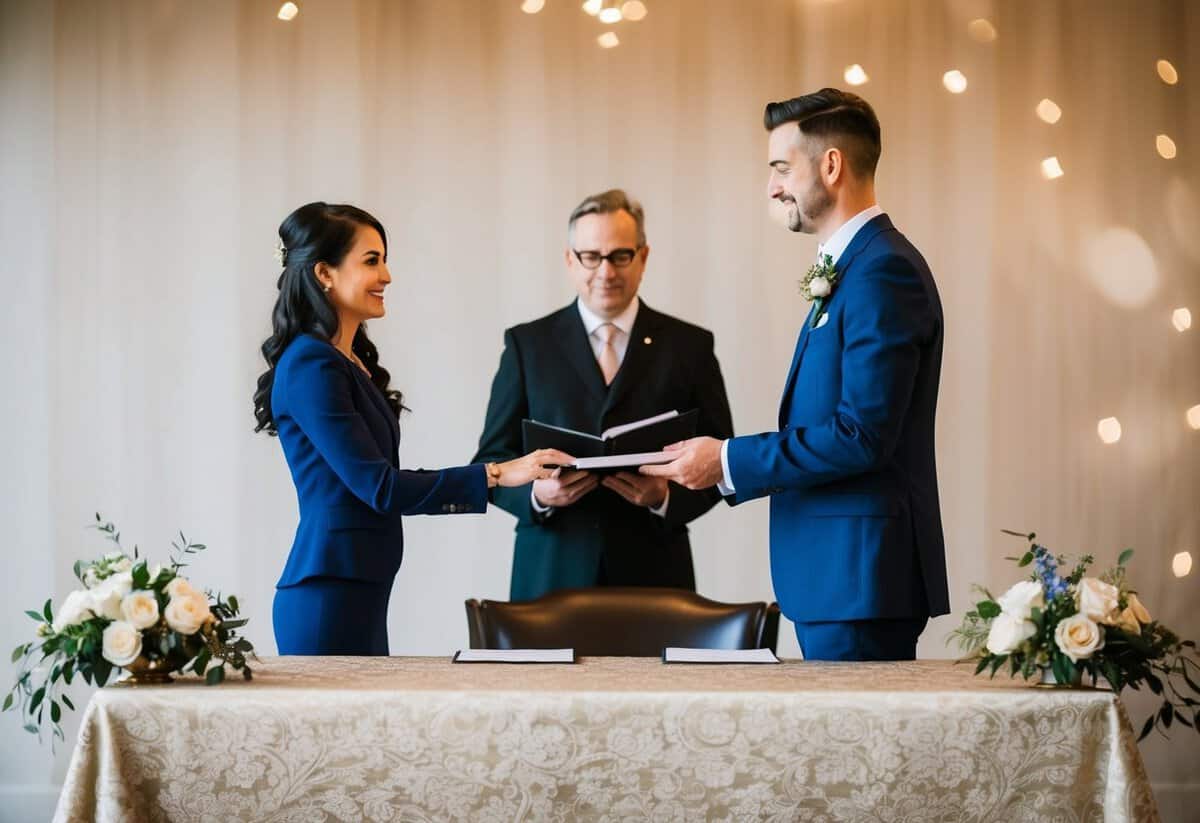
To officiate a wedding in the UK legally, you need to be aware of specific legal requirements. These include understanding the roles of registrars and authorized persons, the requirements for both civil and religious ceremonies, and the necessary documentation you’ll need.
The Role of the Registrar and Authorised Person
In the UK, a registrar plays a key role in officiating weddings. They are appointed by the local authority to conduct marriage ceremonies. If you want to have a civil ceremony, a registrar must be present to ensure everything is legal.
An authorised person can also officiate a wedding. This includes religious leaders from recognized faiths. They must be registered with the local authority. Both roles are essential for making your marriage legally binding.
You cannot just choose anyone to officiate; it has to be someone who is legally recognized. This ensures that your ceremony will be valid in the eyes of the law.
Legal Requirements for Civil and Religious Ceremonies
For a civil ceremony, the couple must give notice at the local register office. This is a formal declaration of your intention to marry. You need to do this at least 28 days before the wedding. During this time, you’ll receive a marriage schedule, which is crucial for the day of the ceremony.
For religious ceremonies, additional rules may apply depending on the faith involved. The officiant must be authorized to perform weddings. Certain denominations may have their own requirements on how to conduct the ceremony. Always check what your chosen religious body expects.
Whether civil or religious, you must ensure all legal aspects are covered. This guarantees your marriage is recognized officially.
Required Documentation
To get married, you’ll need several documents ready. First, proof of your identity, such as a passport or driver’s license, is necessary. Each partner must provide this documentation when giving notice.
You will also need proof of residence. This could be recent utility bills or bank statements showing both names and addresses.
On the wedding day, bring the marriage schedule you received after giving notice. After the ceremony, the registrar or authorised person will fill out a marriage certificate. You usually receive this soon after the wedding, confirming your legal marital status.
Being prepared with the right documents helps the process run smoothly.
Choosing the Right Type of Ceremony
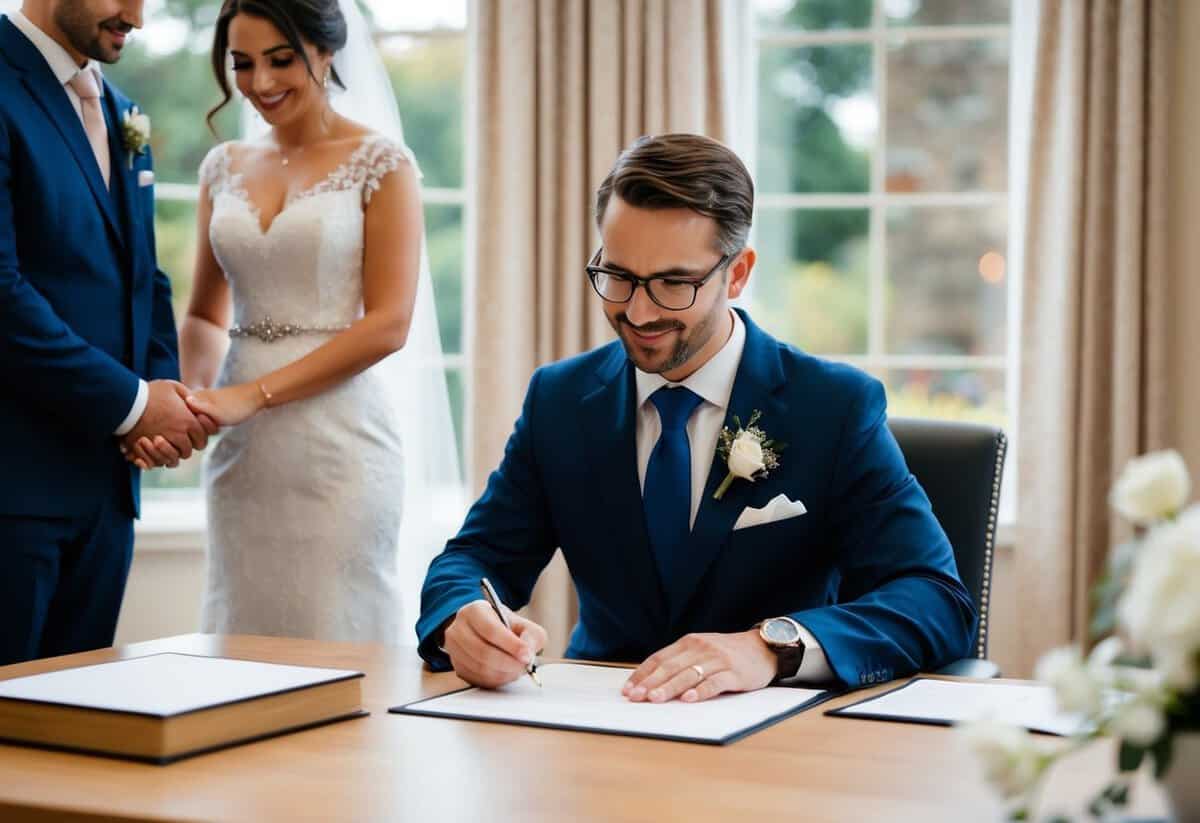
Selecting the right type of ceremony is an important step in your wedding planning. You can choose from a variety of options, each offering a unique way to celebrate your union. Here, we will explore civil ceremonies, religious ceremonies, and humanist celebrants to help you make an informed decision.
Civil Ceremonies in the UK
A civil ceremony is a legally binding wedding officiated by a registered authority, such as a local council or venue that has been approved for marriages. You can hold this type of ceremony in various approved locations, including registry offices and other public venues.
During your civil ceremony, you will need to exchange vows and rings while having a celebrant conduct the proceedings. This type of ceremony is straightforward, typically lasting around 20-30 minutes. You can personalize some aspects, but it may not be as flexible as other options.
Keep in mind that civil ceremonies do not include any religious elements. If you want a formal, simple wedding without religious influence, a civil ceremony may be the perfect choice for you.
Religious Ceremonies and Leaders of the Church
Religious ceremonies offer a more traditional way of marrying and are conducted by leaders of the church, such as priests or ministers. If you are part of a faith community, this option may hold significant meaning for you.
For a Church of England wedding, you must be a licensed member of the church and follow specific guidelines. Your ceremony will include readings, prayers, and blessings. You can choose hymns that hold personal value, making the day special.
While religious ceremonies are legally binding, some couples opt for non-legally binding religious blessings after their civil ceremony to add a spiritual aspect without legal requirements.
Humanist Celebrants and Personalised Ceremonies
Humanist celebrants create personalized ceremonies tailored to reflect your values and beliefs. This option is ideal for couples who prefer a non-religious approach but want more freedom in how their ceremony is conducted.
A humanist ceremony can be held anywhere you choose, including outdoor settings or private venues. Your celebrant will work closely with you to craft unique vows and elements that represent your love story.
In this format, you have full control over the content, style, and tone of your ceremony, making it as special and meaningful as possible. Remember, though, that while a humanist ceremony is heartfelt, it is not legally binding, so you may need a civil ceremony to fulfill legal requirements.
Becoming an Officiant
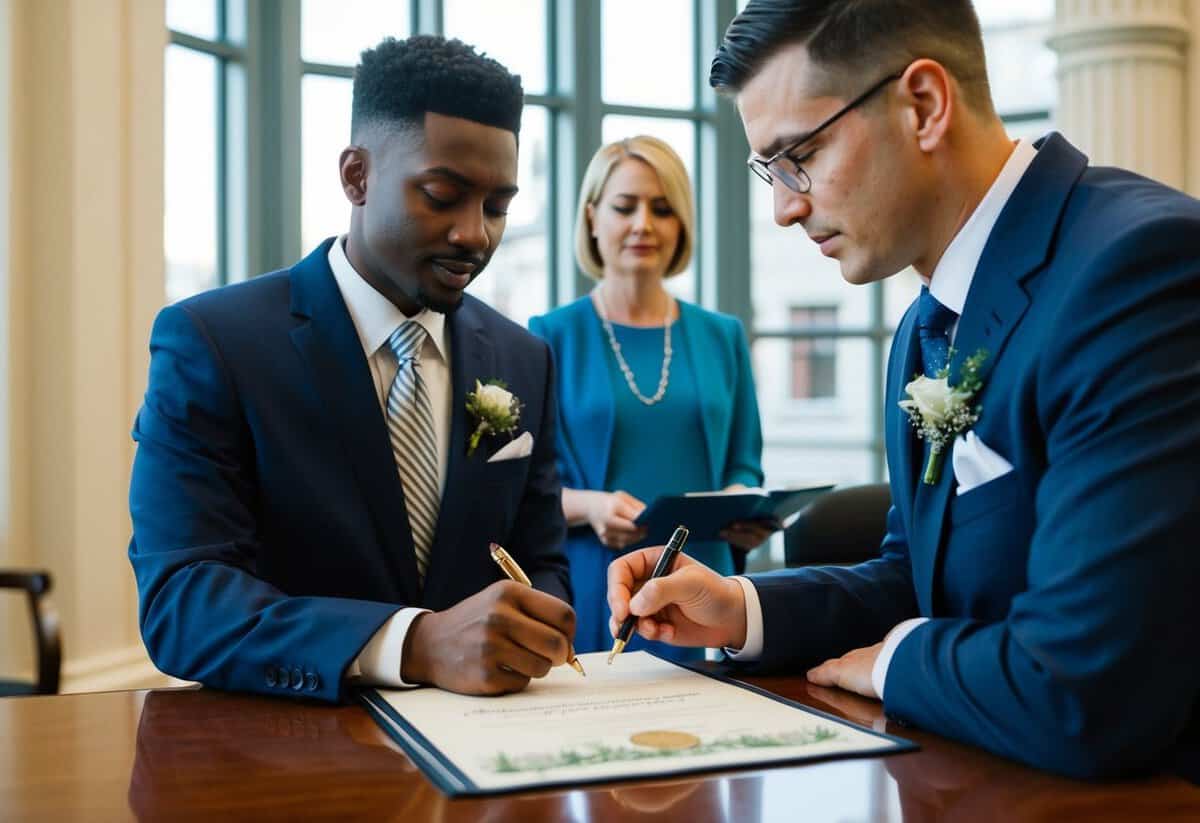
If you’re looking to officiate a wedding in the UK, there are specific paths you can follow. Understanding ordination options is key, especially if you’re considering online or traditional routes.
Ordination Through Recognized Institutions
To officiate legally, you need to be ordained. Many people choose to go through recognized institutions. Churches or theological institutions like the Universal Life Church or Open Ministry can provide ordination credentials.
These organizations typically offer a simple application process. You’ll fill out an ordination request form and meet their requirements. Once ordained, you can perform weddings, but know that some local laws may apply.
This path often lends credibility, especially if you plan to officiate multiple ceremonies. Remember to check whether your ordination is recognized in the area where you’ll be officiating.
Online Ordination and International Considerations
Online ordination has become a popular option. Many websites allow you to get ordained online in just a few minutes. These services often cater to people who want a quick and convenient way to become an officiant.
However, if you choose this route, ensure the site is legitimate and that your ordination will be legally recognized in the UK. Some couples may want to hire a friend to officiate, but this is only legal if the person is a registered officiant.
If you plan to officiate weddings internationally, be aware that laws vary by country. Research the specific requirements where the wedding will take place.
Preparation for the Wedding Ceremony

To prepare for officiating a wedding ceremony, you need to focus on the script, handle legal matters, and involve friends and loved ones meaningfully. Each of these steps plays a vital role in ensuring a smooth and memorable wedding day.
Creating the Ceremony Script
Your ceremony script sets the tone for the entire event. Begin by including the couple’s love story, which personalizes the ceremony. You can use a wedding ceremony script generator for ideas on structure and wording.
Include sections for the opening remarks, vows, and ring exchange. Personal vows are especially touching, so ask the couple to write their own. This adds sincerity and uniqueness to the ceremony. Don’t forget to practice reading the script out loud to ensure it flows well.
Handling the Legal Aspects on the Wedding Day
On the wedding day, it’s your responsibility to ensure all legalities are in place. In the UK, only certain individuals, like registered officiants and leaders of the Church, can legally officiate a wedding. If you are an unordained friend, you may need to work with the couple to ensure everything is compliant.
Make sure to have the marriage license signed after the ceremony. This step confirms the couple’s agreement to marry and is essential for the legal validity of the marriage. Check that you have the required documents in hand before the event to avoid any last-minute stress.
Involving Friends and Loved Ones
Involving friends and family can make the ceremony even more special. You might ask someone to read a poem or share a personal story about the couple during the ceremony. This creates a warm atmosphere and engages guests more deeply.
Consider appointing a close friend or family member to assist with logistics, such as seating and timing. This support can help the ceremony run smoothly. Encourage the couple to choose someone who knows them well so that the shared moments feel genuine and heartfelt.