
How to Limit Plus Ones at a Wedding: Smart Strategies for an Intimate Celebration
Weddings can be joyful celebrations, but managing guest lists can become tricky, especially when it comes to plus ones. To limit plus ones at your wedding, clearly state on the invitation who is invited and use your wedding website to share your policies. This helps avoid confusion and makes sure everyone knows the rules upfront.
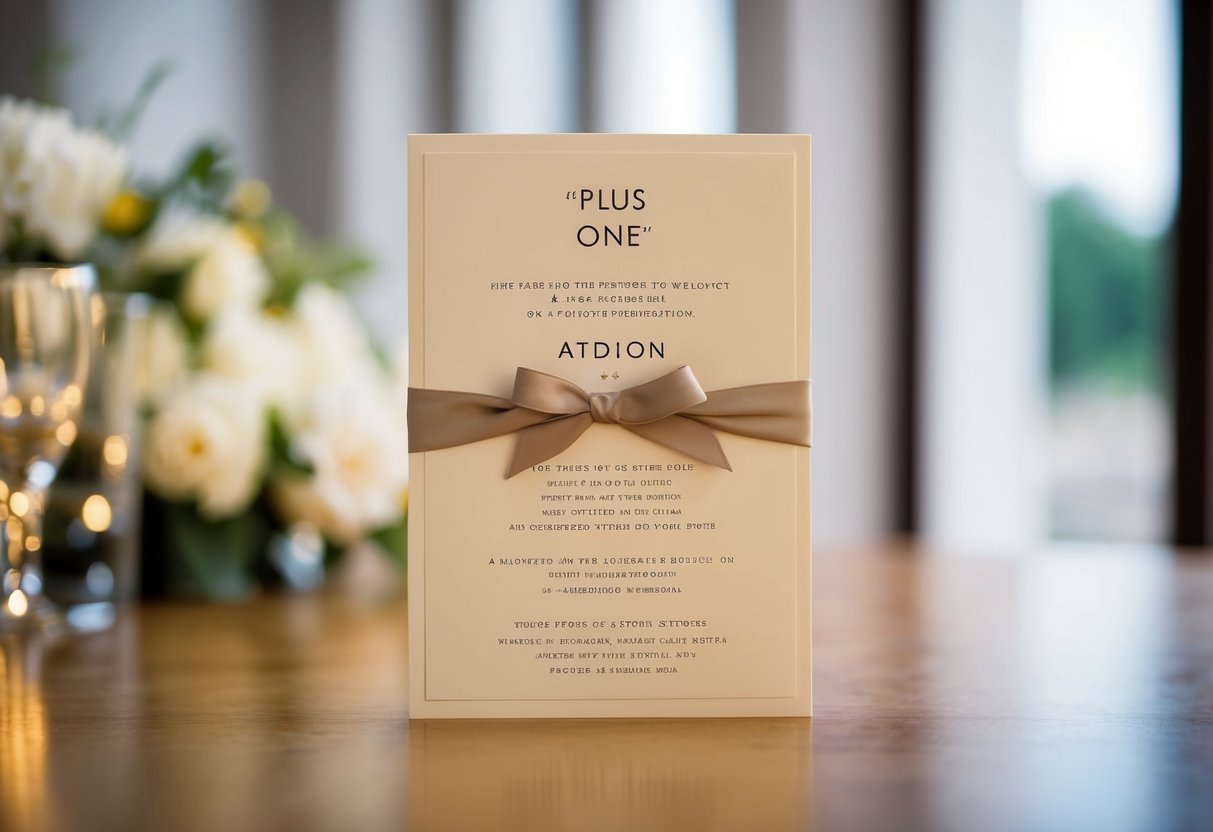
Start by checking your guest list and deciding who will receive plus ones. You might consider offering them to single guests or those in serious relationships. Communicating this early can save you from uncomfortable conversations later.
Remember, every extra guest can add to your budget and venue limitations. By being clear about your invitation policy, you can stay within your desired guest count while ensuring your day runs smoothly.
Understanding Plus-One Etiquette
Plus-one etiquette is important for managing your wedding guest list effectively. It helps you decide who can bring a guest while keeping your special day budget-friendly and organized. Let’s break down the key points.
The Basics of Plus-One Invitations
A plus-one invitation means that your guest can bring someone along. This is typically offered to single guests or those in serious relationships. It’s a way to ensure they feel comfortable and enjoy your wedding.
Determine who qualifies for a plus-one. Friends, partners, or close relatives may be included. When sending invitations, clearly state if a guest has a plus-one. You can use phrases like “plus one” or “and guest” to communicate this.
You should keep track of your guest list closely. This helps you avoid confusion and ensures your venue can accommodate everyone comfortably.
Assessing Your Guest Relationship Status
You need to consider your relationship status with each guest. Close friends or family members may deserve a plus-one, while acquaintances may not.
Think about the significance of each relationship. If a guest has a long-term partner, it’s kind to allow them to bring that person. For single guests, you can assess whether inviting a plus-one is necessary.
Communicate clearly to prevent misunderstandings. Let guests know your decision ahead of time. A simple explanation can help keep feelings from being hurt.
Navigating Budget and Venue Constraints
Budgeting is a major factor when deciding on plus-ones. Weddings can be expensive, and each additional guest adds to costs. Consider how many people you can afford and how that affects your wedding budget.
When planning the event, think about your venue size and capacity. Make sure you don’t exceed the limits. If your venue can only hold a certain number of guests, it’s important to stick to that.
Also, communicate any limits you have in a compassionate way. Guests who understand your situation will be more likely to respect your choices regarding plus-ones.
Creating Your Guest List
When planning your wedding, creating your guest list is an important step. This is where you will decide who gets a plus-one, how to balance your friends and family, and ensure you avoid overcrowding. Here are some helpful tips.
Deciding Who Gets a Plus-One
Start by identifying which guests should receive a plus-one. Generally, this includes married couples and those in long-term relationships. For your wedding party members, offering a plus-one is often a thoughtful gesture since they play a significant role in your day.
For close friends, consider whether they are coming alone or with someone special. If they are in a serious relationship, it’s considerate to include their partner. Limiting plus-ones in this way helps manage your guest count while being fair to your closest friends.
Balancing Friends and Family Members
Your guest list should reflect both your family and your close friends. A common mistake is to lean too much on one side, causing potential tension.
To balance everything, list out family members alongside your friends. You might feel pressured to invite every relative. However, think about your relationship with them. Prioritize those who are closest to you while maintaining a fair representation from both sides.
Use a simple chart to visualize this balance. Create columns for family, friends, and wedding party members. This visual will guide you in ensuring no group feels left out, helping to avoid any bruised feelings.
Avoiding Overcrowding and Bruised Feelings
Keeping your guest list manageable is key to a successful wedding. This means you may have to make tough calls about who gets invited.
Inform guests early if you can’t accommodate their plus-ones. Be honest and direct. Most people will understand your need to control guest count, especially if you explain the situation.
Consider crafting a small message on your invitations to clarify that you are only allowing plus-ones for specific guests. Doing this helps set clear expectations, preventing misunderstanding and potential hurt feelings.
Communication and Clarification
Clear communication is key when limiting plus-ones at your wedding. It helps set expectations for your guests and avoids any confusion. You want your loved ones to feel appreciated while respecting your wedding plans.
Wedding Invitations and RSVP Cards
When sending out your wedding invitations, be direct about your plus-one policy. If guests can’t bring someone, make it clear on the invitation. For example, you might say, “We are excited to celebrate with you! Please RSVP for one.”
On the RSVP card, you can simply include options like “Attending” or “Not Attending.” This approach avoids misunderstandings and keeps your guest list manageable. Remember, clarity can prevent feelings of awkwardness later.
Wedding Website Wording
Use your wedding website to provide detailed information about your guest policy. This is a great space for you to explain why you’re limiting plus-ones, like venue size or budget.
In your wording, you might say, “While we love our guests, we are unable to accommodate plus-ones for everyone. We hope you understand.” Including a frequently asked questions (FAQ) section can address any concerns your guests may have without you needing to explain multiple times.
Last-Minute Changes and Expectations
If you need to make any last-minute changes regarding plus-ones, inform your guests as soon as possible. Use email or text messages to communicate these updates. The earlier you reach out, the better.
Try to reassure your friends and family that their presence is what matters most. You might say, “We’re thrilled you’ll be there to celebrate! Due to space limitations, we won’t be able to extend plus-ones.” Keeping the tone friendly and respectful will help maintain good vibes leading up to your big day.
The Logistics of Wedding Day Planning
Planning your wedding day involves many important details to ensure everything runs smoothly. By focusing on seating arrangements, working closely with your wedding planner, and maintaining an intimate atmosphere, you can create a memorable experience for everyone involved.
Seating Arrangements and Guest Comfort
Your venue capacity plays a huge role in how you arrange seating for your wedding guests. Start by determining the number of attendees and how they will fit comfortably in the space.
Use round tables for a cozy feel or long banquet tables for a more communal atmosphere.
Make sure to consider guest comfort, especially for longer ceremonies.
You can also use place cards to help organize seating. This helps avoid confusion and ensures your guests are placed near their friends or family. Thoughtful arrangements can enhance the guest experience.
Coordinating with the Wedding Planner
A wedding planner can be invaluable when managing the logistics of your big day. They help coordinate various aspects such as vendors, timelines, and schedules.
Meet regularly to discuss your preferences. Share your vision, along with any budget constraints, so they can tailor their services to your needs.
A skilled planner knows how to handle last-minute changes and unexpected issues, allowing you to relax and enjoy the day.
Their expertise ensures your wedding day runs seamlessly, taking some stress off your shoulders.
Maintaining an Intimate Affair
Limiting plus-ones can help keep your wedding intimate and special. This is especially important if you have a specific budget to adhere to.
Communicating your guest list clearly on invitations can help manage expectations. Use specific wording to gently explain that only invited guests may attend.
Inviting only long-term partners or close friends fosters a more personal environment.
An intimate affair lets you spend quality time with everyone, making your day more meaningful.
This focus on relationships can make for lasting memories that you and your guests will cherish.