
How to Make a Celebrant Wedding Legal in the UK: A Simple Guide to the Process
Planning a celebrant-led wedding ceremony in the UK can be a truly personal and meaningful experience. Many couples want to create a day that reflects their unique love story, but you need to understand how to make it legally recognized.
To make your celebrant wedding legal in the UK, you will need to complete the legal requirements separately from your ceremony.
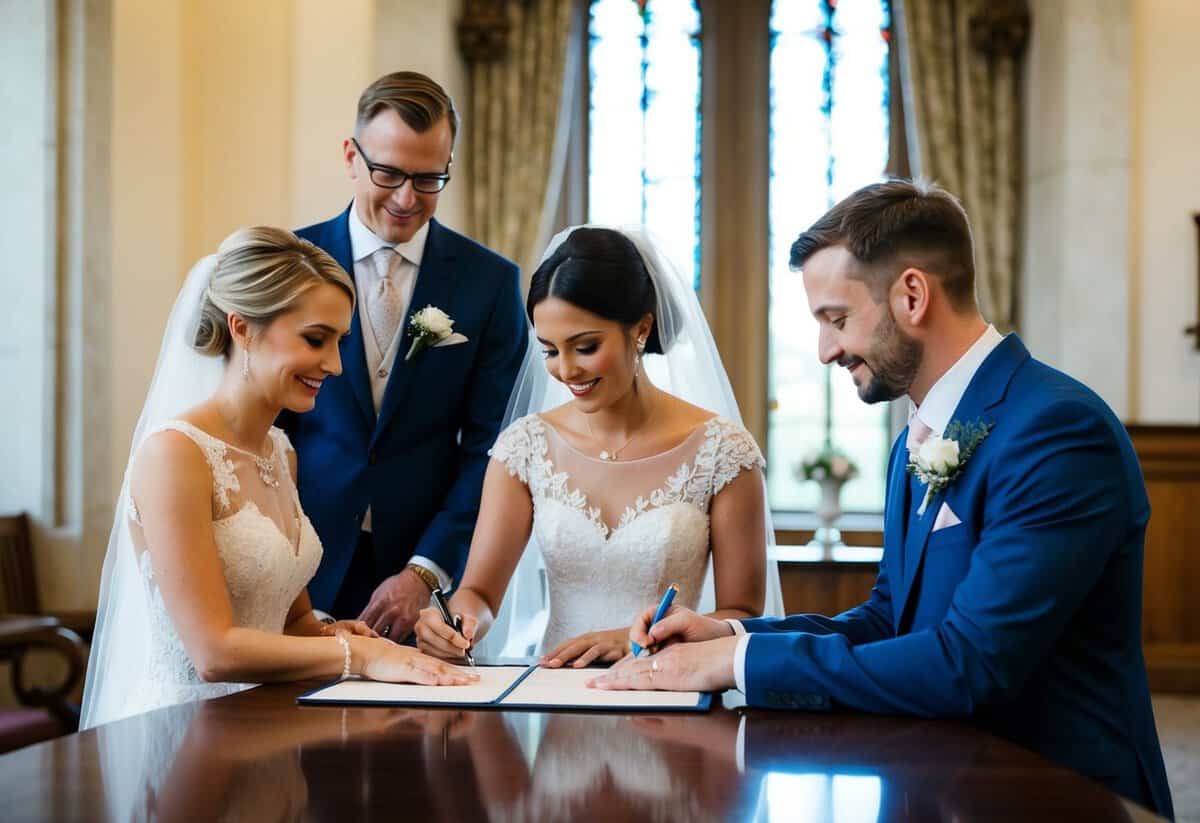
You can have a beautiful and heartfelt wedding day that is led by a celebrant, but it must be paired with the legal formalities to ensure your marriage is recognized by law. This typically involves registering your marriage at a recognized venue and having legal documentation signed.
Knowing how to navigate this process can help you focus on creating the ceremony of your dreams without any last-minute worries.
Embracing a celebrant gives you the freedom to express your beliefs and values on your wedding day. With the right guidance, you can enjoy a memorable celebration while fulfilling all the legal steps needed to make your marriage official. Let’s explore how to do just that!
Understanding UK Legal Wedding Requirements
When planning your wedding in the UK, it’s important to know the legal requirements. The process involves understanding the difference between legal marriages and celebrant-led ceremonies, as well as the steps for giving notice of marriage.
Legal Marriage vs Celebrant-led Ceremonies
To be legally married in the UK, you must have a legal ceremony. A registrar, a vicar, or a priest in a registered religious venue can conduct this ceremony. The ceremony must take place at a registered venue, such as a registry office or an approved location.
A celebrant-led ceremony, while meaningful, is not legally binding by itself. To make it legal, you need to complete a statutory ceremony at a registry office. For this, book an appointment, typically costing around £45-£50. After this, you can enjoy a celebration with your chosen celebrant that reflects your personal style.
Giving Notice of Marriage
Before you can marry, it’s essential to give notice of marriage. This involves visiting your local registry office to formally declare your intention to marry. Both you and your partner must attend in person.
You’ll need to provide documents, such as proof of identity and residence. After giving notice, you must wait at least 28 days for the notice to be posted publicly. This is vital because it allows any objections to be raised. Ensure that you complete this step to avoid delays in your wedding plans.
Planning the Legal Aspect of Your Wedding Day
Getting the legal part of your wedding right is key to ensuring your day goes smoothly. You need to understand how to book a registrar, decide on the type of ceremony, and know the role of the register office.
Booking a Registrar for Your Wedding Ceremony
To make your wedding legal, you need to book a registrar. This person is responsible for conducting the legal part of your ceremony. You should contact your local registrar‘s office well in advance to secure your date.
When you book, ask about the documents you’ll need. This often includes birth certificates and proof of residence. Remember to check if the registrar can conduct your ceremony at your chosen venue or if you need to use a register office.
Choosing Between Civil and Religious Legal Ceremonies
Deciding between a civil and religious ceremony can affect how you plan your wedding. A civil ceremony is typically held at a register office or approved venue. It focuses on the legal vows without religious elements.
In contrast, a religious ceremony might take place in a place of worship. It often includes traditional vows and can be more personalized spiritually. Think about what feels right for you and your partner when making this choice.
The Role of the Register Office
The register office plays a vital role in the legal aspect of your wedding. It is where the official paperwork is completed and signed. If you opt for a civil ceremony, this is the venue where the registrar conducts your marriage.
Many couples need to give notice of marriage at their register office. This usually requires both partners to attend in person. You’ll need to provide essential documents, such as photo ID and proof of address. Checking with your local office about any specific requirements is a good idea.
Celebrant-led Weddings Explained
Celebrant-led weddings give you the freedom to create a unique ceremony that reflects your personality and love story. You can personalize your wedding in various ways and choose the right celebrant to bring your vision to life.
Incorporating Personal Elements and Love Story
In a celebrant-led wedding, you can include personal elements that make your ceremony special. This could be sharing your journey as a couple or incorporating meaningful rituals.
Think about reading vows that resonate with your relationship. You might want to share stories that highlight your love and commitment. Including family or friends in your ceremony can also add a personal touch.
Additionally, you might choose symbolic gestures, such as unity candles or handfasting, to represent your bond. By highlighting these elements, you create a ceremony that is deeply rooted in your experiences and feelings.
Selecting the Right Wedding Celebrant
Choosing the right wedding celebrant is vital for a memorable ceremony. You have options such as independent celebrants or humanist celebrants, who each bring different perspectives.
Start by researching potential celebrants in your area. Look for reviews or testimonials to understand their style and approach. Arrange meetings to see if their personality fits with yours.
Discuss your vision for the ceremony and check if they share your values. A good celebrant will work closely with you to craft a ceremony that reflects who you are as a couple. Remember, this is your special day, and the right celebrant can help make it truly unforgettable.
Finalizing Your Celebrant Wedding Legally
To ensure your celebrant wedding is recognized legally, it’s important to organize a statutory ceremony. This guarantees that your union meets legal requirements. You’ll also want to focus on the exchanging of rings and signing the marriage schedule to complete the official process.
Arranging a Statutory Ceremony
First, you need to book a statutory ceremony. This is a short, formal event where you and your partner will legally marry. It usually takes place at a register office or a venue that is licensed for marriages.
Contact your local registry to set up this appointment. Make sure to exchange important details like your names, addresses, and any required documentation. The ceremony may only take about 15 minutes.
During this time, you’ll sign the marriage schedule, which is essential for your legal marriage. Remember to bring along two witnesses. Once this step is complete, you can enjoy the celebrant-led ceremony tailored to your wishes.
Exchanging Rings and Signing the Marriage Schedule
After your statutory ceremony, the next step is exchanging rings during your celebrant wedding. This moment is more symbolic, representing your love and commitment.
When you exchange rings, you can include personal vows to make this moment special. Following the ring exchange, you will sign the marriage schedule again during your celebrant ceremony. This confirms your legal status as a married couple.
Your celebrant will guide you through these steps to ensure everything is done correctly. This will provide you with a beautiful celebration while keeping your marriage legally binding. Remember, these steps are crucial to finalize your journey together!