
How to Not Offend People with a Small Wedding: Tips for Planning Inclusive Celebrations
Planning a small wedding can be a wonderful way to create an intimate celebration with just your closest friends and family. However, you must communicate your choices clearly and thoughtfully to avoid offending anyone. It might feel tricky, especially if you come from a big family or a tight-knit circle of friends. You want to keep the focus on your special day while also being considerate of others’ feelings.
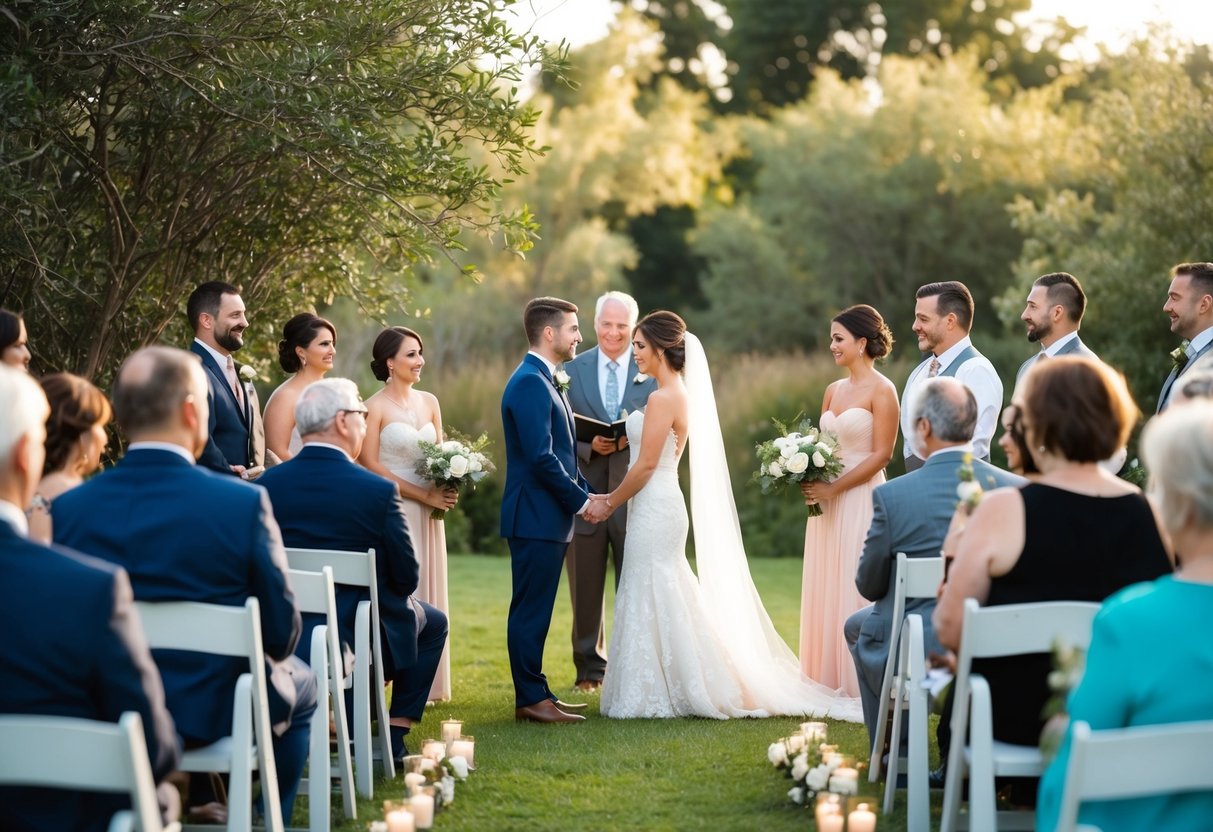
When you decide on a smaller guest list, think about who you truly want to share this moment with. It helps to explain your reasons to those who may be disappointed. Some may not understand your desire for a quiet wedding, but sharing that it feels more personal to you can ease their concerns. By being open about your vision, you can encourage support for your intimate wedding.
Remember, wedding planning is about creating the experience that matters most to you and your partner. This is your celebration, and by approaching the situation with kindness and honesty, you can navigate the complexities of a small wedding without stepping on any toes.
Crafting Your Guest List
Creating a guest list for your small wedding takes careful planning. You want to invite the right people while avoiding hurt feelings.
Determining the Size of Your Wedding
Start by deciding how many guests you want. A small wedding typically means fewer than 50 people. Think about your venue’s capacity and your budget. Too many guests can lead to stress and higher costs.
Make a rough estimate of your ideal guest count. Consider creating a list of essentials, like immediate family and best friends. Ask yourself, “Who do I want to celebrate this day with?” This step helps limit the guest list without causing offense.
Prioritizing Close Friends and Family
Next, focus on those who matter most. Begin with family and very close friends. These people are your support system and will make the day special.
You might create categories for your guest list. For example:
- Must-Haves: Immediate family and best friends.
- Should-Invite: Extended family and close friends.
- Maybe: Acquaintances or work friends.
This method can clarify who to invite first. It helps you feel confident about your choices while preventing hurt feelings among those who may not be invited.
Communication Strategies to Prevent Disappointment
Being open about your small wedding can ease potential anxieties. Start by letting people know why you are having a smaller gathering. You can explain that it’s a personal choice based on budget or intimacy.
When someone finds out they are not invited, they may feel hurt. A direct approach can help. Speak to them in person or over the phone. Share your excitement about your wedding and acknowledge their feelings. This way, you show you care about their thoughts while remaining firm on your guest list decisions.
Managing Expectations and Etiquette
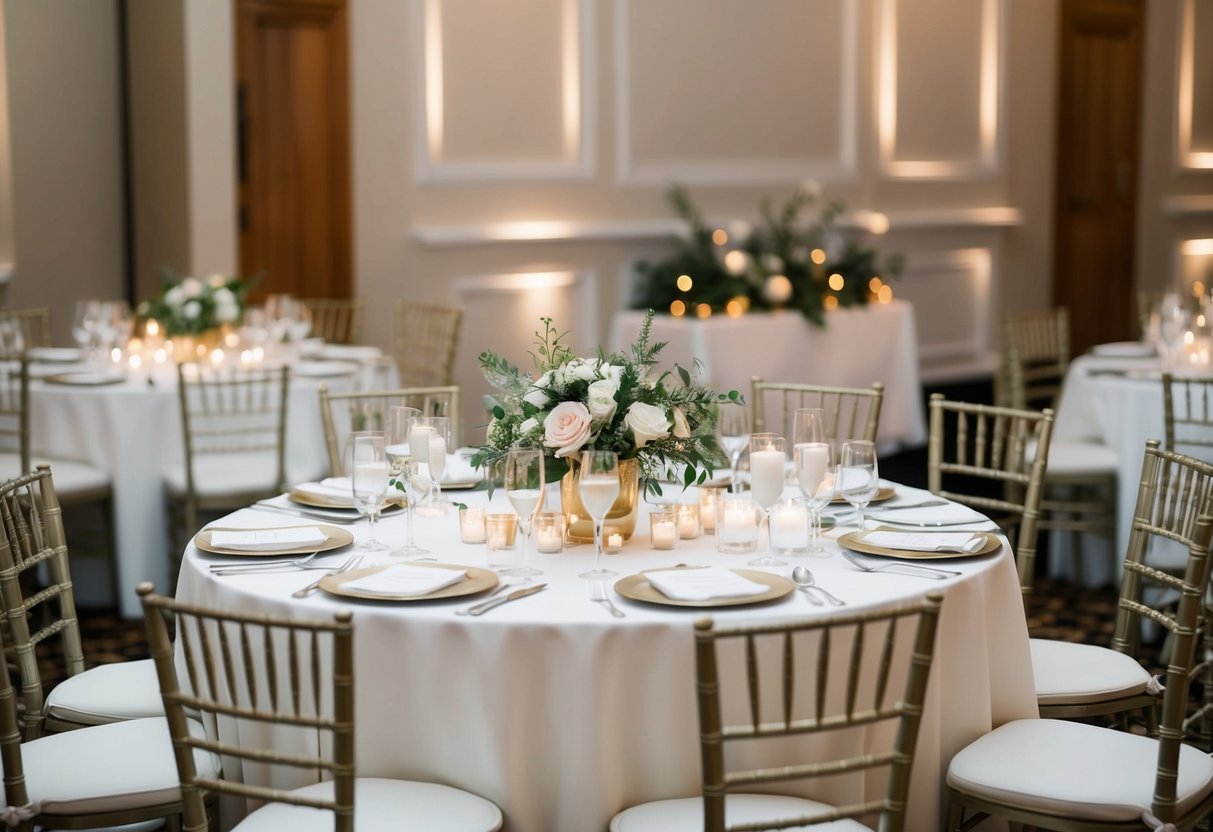
Planning a small wedding can be tricky, especially when it comes to managing your guests’ feelings. Open communication and understanding of wedding etiquette can help reduce the chances of disappointment.
Addressing Potential Hurt Feelings
When you decide to have a small wedding, some loved ones might feel left out. It’s important to acknowledge these potential hurt feelings.
Start by being open with your family and friends about your reasons for a smaller guest list. Explain that you wish to create an intimate atmosphere and spend quality time with each guest.
Consider inviting those closest to you and sharing your decision beforehand. This way, they can understand your choice and avoid misinterpretations. You might find that many will support your vision for the day.
Always remember, feelings can be sensitive. A little kindness goes a long way in this situation.
Etiquette for a Small Wedding
Having a small wedding doesn’t mean you should overlook important etiquette. It helps to set the right tone for your day.
Be Clear with Invitations: Clearly state who is invited. Personalize invitations where possible.
Communicate the Plan: Share details about the event, including dress codes and schedules. This helps manage expectations.
Gift Guidelines: Let guests know that gifts aren’t required. If they still wish to bring something, suggest experiences or simple items that reflect your style.
Thank You Notes: Send timely thank you notes to express gratitude. Personal touches in your notes can make guests feel appreciated.
Thoughtful attention to these details can help make your wedding day special for both you and your guests.
Budgeting and Venue Selection

When planning a small wedding, deciding on your budget and selecting the right venue are key steps. These choices will help you create an intimate setting while keeping costs in check.
Navigating Budget Constraints
Setting a budget is crucial when planning a small wedding. Start by determining how much you can spend. Break it down into categories like venue, food, attire, and decorations.
Identify what matters most to you, like a specific venue or quality food. Then, allocate specific amounts to each category to avoid overspending.
Sometimes, you may need to adjust your expectations. Look for venues that offer packages to keep costs low.
Choosing the Right Venue for an Intimate Setting
The venue plays a significant role in how your wedding feels. For a small wedding, look for spaces that accommodate fewer guests without feeling empty.
Consider these options:
- Local Parks or Gardens: These can offer beautiful, natural backdrops at a lower cost.
- Small Community Halls: Often more affordable, they can be transformed with decorations.
- Family or Friends’ Homes: Holding your wedding in a familiar setting can add warmth and intimacy.
Always visit potential venues to visualize how they fit your vision and budget. Check for available amenities to reduce additional costs.
Alternative Wedding Options
Choosing a small wedding doesn’t mean you have to compromise on your dream celebration. You have creative alternatives like elopements, destination weddings, and planning a festive celebration after a small ceremony. Each option offers a unique way to keep your event intimate while minimizing potential conflict with family and friends.
Considering an Elopement
Elopements provide a charming and private way to tie the knot. They allow you to focus solely on each other without the stress of planning a large event.
You can choose a picturesque backdrop, such as a beach or a mountain, that reflects your style.
You can invite only the closest people to witness your vows, or leave everyone behind for a super-private moment. Some couples even choose to elope and then host a party later to celebrate with family and friends. This keeps your wedding day special while easing any potential hurt feelings.
Planning a Destination Wedding
A destination wedding can be a fantastic way to limit your guest list naturally. By choosing a location that requires travel, many guests might opt out, making it easier for you to keep things small and intimate.
Popular options include tropical beaches or enchanting historical sites. You can combine your wedding and a mini-vacation for those who do attend, creating beautiful memories. Just be sure to communicate details early to avoid any confusion about costs and logistics.
Celebration After a Small Ceremony
If you prefer a small ceremony, you can have a larger celebration afterward. This could be a laid-back gathering with cake, drinks, and dancing. You might plan it for a weekend or holiday that works for your schedule.
This way, you can invite everyone you wanted without overwhelming yourself on the actual wedding day. A casual reception offers the chance to connect and celebrate with loved ones while keeping your ceremony intimate. You’ll have the best of both worlds!