
How to Officiate a Non-Religious Wedding Ceremony: A Step-by-Step Guide
Officiating a non-religious wedding ceremony can be a rewarding experience. Many couples today are opting for secular weddings that reflect their unique personalities and values.
To create a memorable ceremony, focus on personal touches that celebrate the couple’s love and commitment. From choosing thoughtful vows to incorporating special rituals, your role as an officiant will help set the tone for a heartfelt event.
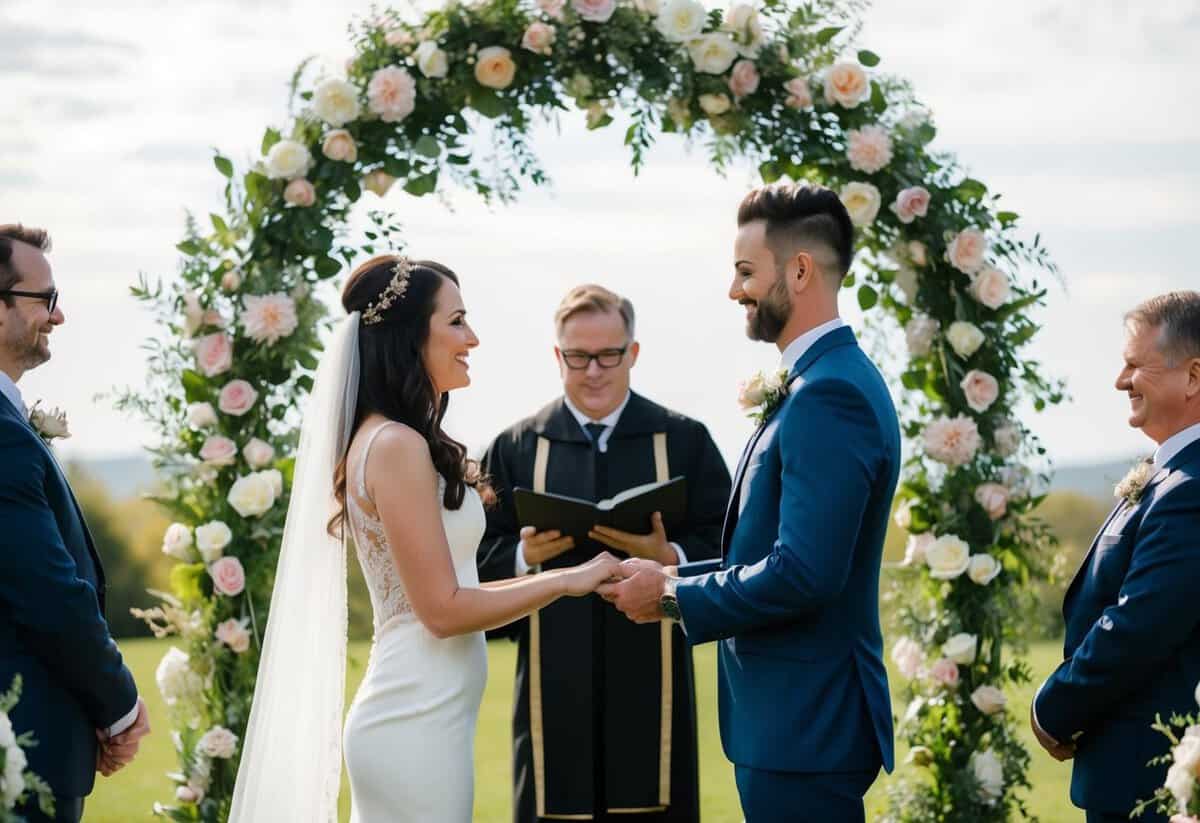
When planning the ceremony, it’s important to communicate with the couple about their vision and any specific elements they want to include.
You might explore creative wedding ceremony ideas that resonate with their story. This could mean incorporating music, readings, or even fun activities that make the day special for everyone involved.
As an officiant, you will guide the event, ensuring it flows smoothly and feels meaningful. Whether you’re a close friend or a chosen officiant, your words and presence will play a crucial role in making this joyous occasion unforgettable.
Preparing to Officiate the Ceremony
Getting ready to officiate a non-religious wedding ceremony requires understanding your role, navigating legal requirements, and building a connection with the couple. Here’s what you need to know to ensure the event is meaningful and memorable.
Understanding the Role of a Wedding Officiant
As the wedding officiant, you play a key role in the ceremony. Your responsibility is to guide the couple and guests through the proceedings. It’s essential to set a warm and welcoming tone.
You will lead the ceremony, share the couple’s love story, and facilitate any rituals chosen by the couple. Your presence should help everyone feel connected and joyful.
Remember, this event marks a significant commitment in the couple’s lives. Your words and actions can make it very special. Focus on creating an atmosphere of love and celebration.
Legal Considerations and Ordination Process
Before officiating, make sure you understand the legal requirements in your area. Each state or country has different laws regarding who can perform weddings.
To officiate, you may need to be officially ordained. Many online services offer quick ordination, usually for a small fee. Check the requirements and ensure you have the necessary paperwork.
Also, remind the couple to apply for their marriage license ahead of time. This is often a critical step that should not be overlooked.
Getting to Know the Couple and Their Love Story
A big part of making the ceremony special is connecting with the couple. Spend time getting to know them and understand their love story.
Ask them questions about how they met, their favorite memories together, and what they envision for their wedding day. This information can help you personalize the ceremony and make it truly reflective of their journey.
Consider including anecdotes or quotes that resonate with their relationship. This personal touch can make the ceremony feel more intimate and heartfelt, celebrating their unique commitment to each other.
Creating the Ceremony Script
Writing a ceremony script is essential for a non-religious wedding. It helps set the tone, structure the event, and make the occasion meaningful for everyone involved. Here are some key aspects to include for a memorable experience.
Structuring the Ceremony
Begin by organizing your ceremony script into clear sections. Start with a welcome message to invite guests and set a joyful tone. Then, move into the main parts: the couple’s vows, any readings, and the unity ceremony.
A simple structure might look like this:
- Welcome and Introduction
- Readings or Poems
- Vows Exchange
- Unity Ceremony
- Pronouncement of Marriage
This clear layout keeps everything flowing smoothly and ensures you cover all important elements.
Incorporating Readings and Traditions
Including readings adds depth to your ceremony. Choose passages that reflect your relationship or values. They can be poetry, quotes, or even lyrics from a favorite song.
Consider traditional or cultural readings that resonate with you both. If you have a favorite book, look for short excerpts that capture your love story.
For a fun twist, you might incorporate a unity ceremony, like a sand ceremony. In this ritual, you mix different colored sands, symbolizing the blending of your lives.
Personalizing with Vows and Special Moments
Personal vows make your ceremony truly unique. Instead of using traditional vows, write from the heart about your love and commitment.
Keep it simple but heartfelt. You can share a special memory, your dreams for the future, or what you love most about each other.
Consider adding special moments like a toast, a reading from a friend, or a unique unity ceremony to highlight your love. These personal touches create lasting memories for you and your guests.
Conducting the Wedding Ceremony
To conduct a non-religious wedding ceremony, you’ll want to focus on a few key moments that create a meaningful experience. These moments include the opening remarks, the exchange of vows and rings, and the essential pronouncement. Each part of the ceremony plays a crucial role in celebrating the couple’s commitment.
The Opening Remarks and Invocation
Start the ceremony by welcoming everyone warmly. Introduce yourself and express how honored you are to officiate this special day.
You might say something like, “We are gathered here today to celebrate the love shared between [Partner A] and [Partner B]. This is a moment of joy as they declare their intent to become husband and wife.”
This sets a positive tone and helps guests feel connected. You can also share a brief personal note about the couple. It adds a personal touch and highlights their unique story.
The Exchange of Vows and Rings
The exchange of vows is a heartfelt moment. Ask the couple to share their promises to each other. You can encourage them to speak from the heart.
Next, proceed to the exchange of rings. Rings are symbols of commitment. You can say, “As you place these rings on each other’s fingers, remember they represent your love and commitment.”
Make sure the couple knows that they can say their own words if they wish. Personal vows make the moment more intimate and memorable.
The Pronouncement and Presentation
After the vows and rings, the officiant will make the pronouncement. They will say, “I now pronounce you husband and wife.”
This is the climax of the ceremony. The couple will then share a kiss as a sign of their love and commitment.
Next, the officiant will present the newlyweds to the guests with excitement. They might say, “It is my pleasure to introduce for the first time, [Partner A] and [Partner B]!”
This moment captures the joy of their union, making it a celebration to remember.