
How to Officiate a Non-Traditional Wedding: Tips for a Unique Ceremony
Officiating a non-traditional wedding can be both exciting and rewarding. Whether you’re a close friend or family member chosen to lead the ceremony, focus on the couple’s unique vision for their special day. Non-traditional weddings allow for creativity, personal expression, and a departure from classic rituals that may not resonate with the couple’s beliefs.
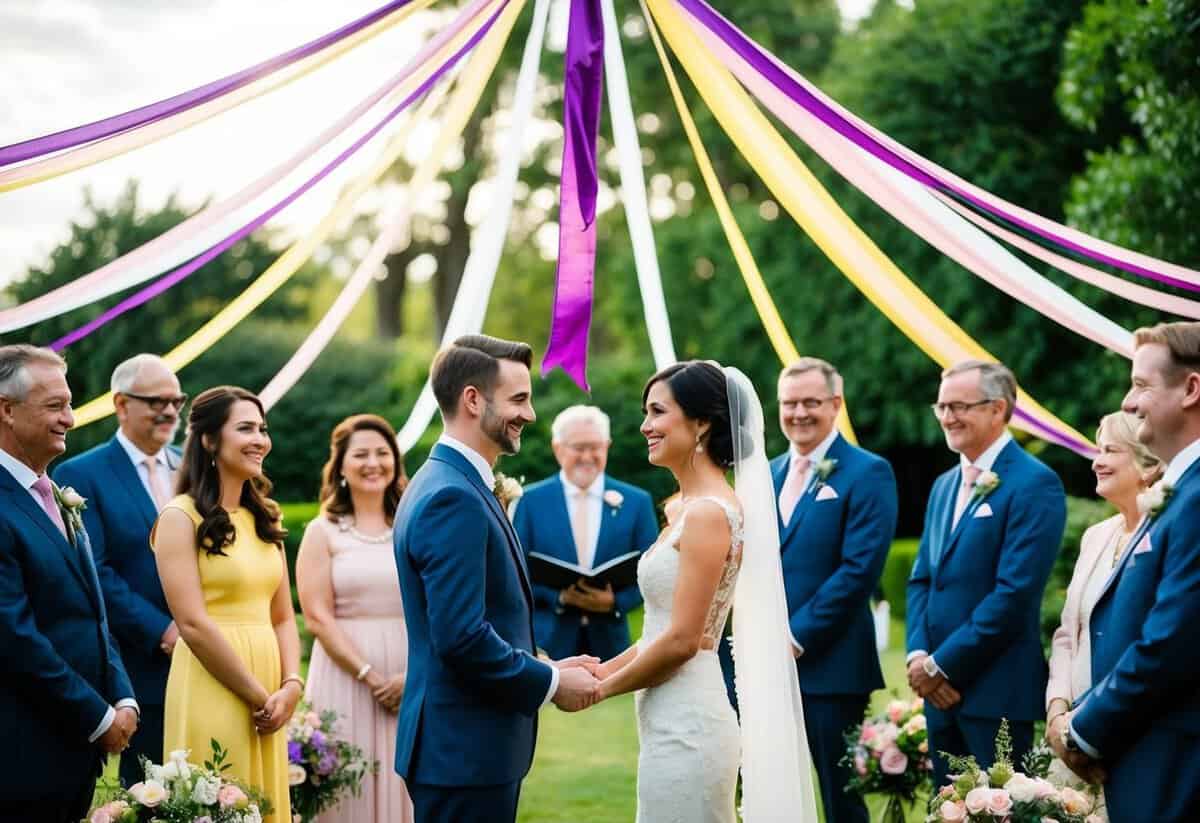
As the officiant, your role is to set the tone and create an atmosphere that reflects the couple’s love story. From crafting meaningful vows to selecting readings that reflect their journey, every element should feel authentic to them. You can even include fun traditions or unique rituals that personalize the ceremony further, making it truly memorable.
Engaging the couple in open conversations about what they want can help guide you in creating a ceremony that feels just right. Remember, it’s about celebrating their union in a way that feels genuine and fitting for their love. Embrace the opportunity to make their non-traditional wedding a heartfelt and joyful event!
Getting Started as an Officiant
Becoming a wedding officiant can be a rewarding experience. You help couples celebrate their love in a meaningful way. It’s important to know what this role involves and the necessary legal steps to take.
Understanding the Role of the Officiant
As an officiant, your job is to lead the wedding ceremony. You set the tone and guide the couple and guests through the event.
Your role includes:
- Writing the ceremony script: Create a personalized script that reflects the couple’s wishes.
- Meeting with the couple: Understand their vision and any special traditions they want to include.
- Conducting the ceremony: Deliver the script with sincerity and confidence.
Being flexible and open-minded is key. Non-traditional weddings can include various elements, so it’s your job to adapt and make the ceremony special.
Legal Considerations and Getting Ordained
Before you can officiate a wedding, you need to understand the legal requirements. Each state has different laws regarding marriage officiants.
In many places, you must get ordained to perform weddings. Here’s how:
- Choose an organization: Look for a reputable group that offers online ordination.
- Complete the registration: Fill out a simple online form and pay any necessary fees.
- Check local laws: Ensure you meet your state’s regulations for officiants.
Once ordained, keep your credentials handy. Couples often need proof of your ordination for their marriage license. Familiarize yourself with the couple’s state requirements to make everything smooth.
Designing the Ceremony
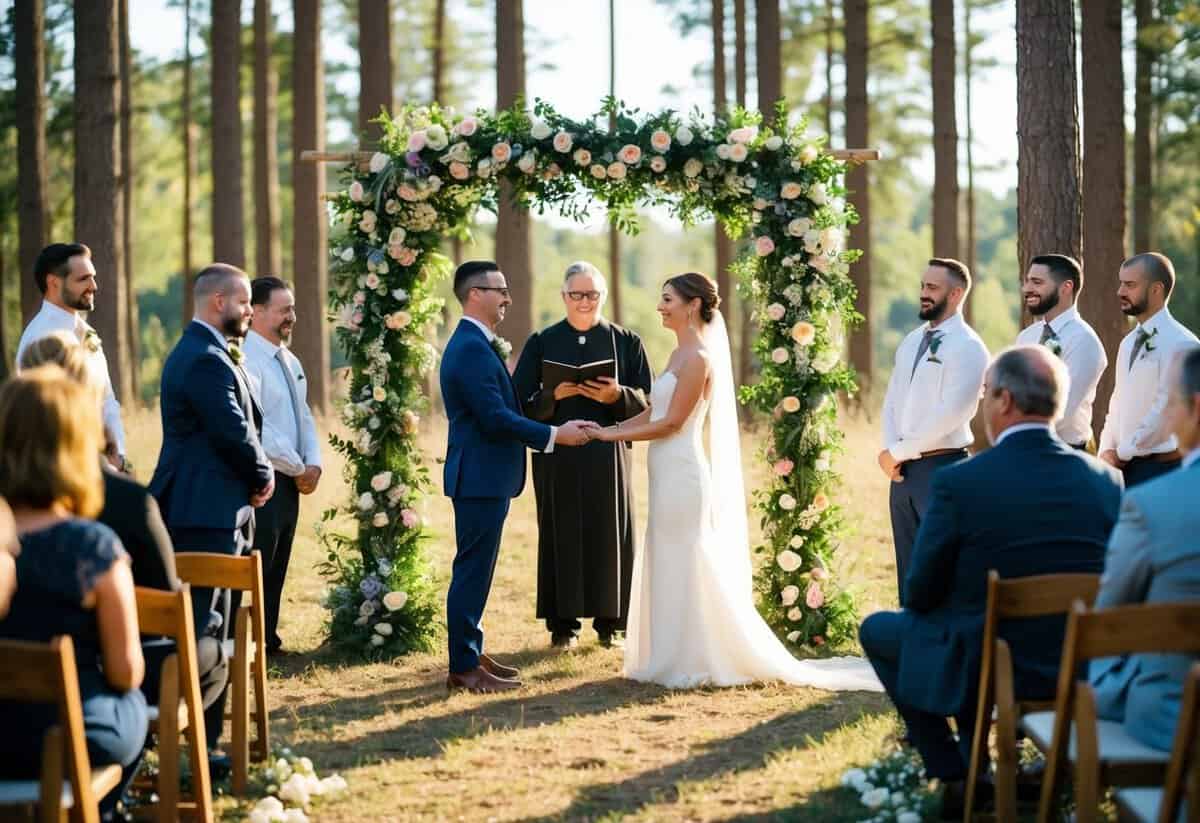
Creating a non-traditional wedding ceremony allows you to incorporate your personal style and meaningful elements. Focus on integrating personal stories, involving family and friends, and selecting rituals that resonate with your love story.
Integrating Personal Stories and Love Journeys
Start by sharing your unique love story. This could include how you met, memorable moments, and what brought you to this day. Personal anecdotes will make the ceremony relatable and heartfelt.
Consider using a storytelling format to engage your guests. You can even ask the couple to write short paragraphs about their journey together. This personal touch allows friends and family to connect deeply with the couple’s narrative.
You can also involve guests by encouraging them to share their favorite memories of the couple. This creates a warm, inviting atmosphere.
Incorporating Family and Friends
Family and friends play a big role in making your ceremony memorable. Think about including them in various ways. You can invite close friends to give short speeches or readings that hold significance.
Involve family members by having them participate in symbolic gestures, like lighting a unity candle or presenting a family heirloom. This invites loved ones into the ceremony and emphasizes community.
Consider having a “guest of honor” section where a family member gives a blessing or shares a meaningful story. This adds depth and creates lasting memories.
Choosing Meaningful Rituals and Readings
Selecting rituals that resonate with you adds a personal touch to your ceremony. You could include unity rituals, such as sand pouring or a handfasting ceremony. These symbolic gestures represent your bond in a creative way.
For readings, choose pieces that reflect your values or shared interests. This could include poems, letters, or passages from books that inspire you as a couple. Involving different family members or friends in the readings can enhance the collective experience.
Don’t forget to consider lighthearted and fun elements. You might incorporate music that defines your relationship or a modern twist on traditional vows. This makes the ceremony uniquely yours.
Executing the Ceremony
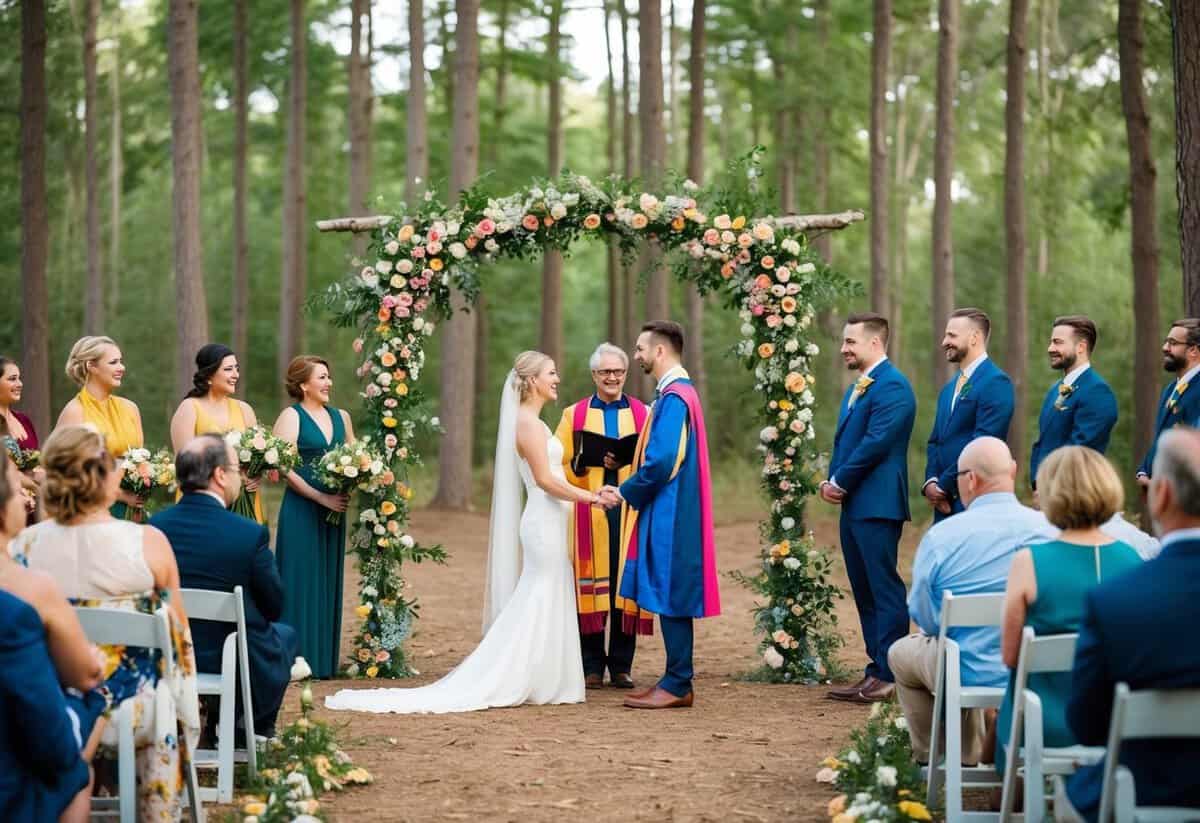
Executing the ceremony involves several key moments that set the tone for your special day. Each part, from guiding the processional to closing remarks, is crucial in making the event personal and memorable.
Guiding the Processional and Recessional
As the officiant, your role begins with guiding the processional. Make sure everyone knows the order of entry, including the wedding party and the bride. A simple script can help you announce who is walking down the aisle.
Once the ceremony is complete, lead the recessional. This is when the bride and groom officially walk back down the aisle as a married couple. Look for cues from the couple; their happiness will inspire moments of applause from guests. Celebrate this transition as a joyful beginning.
Orchestrating the Exchange of Vows and Rings
During the exchange of vows, you will read the wedding vows the couple has prepared. Encourage them to speak loudly and clearly, so all guests can hear. This moment is deeply personal, so let their words shine.
Next, during the exchange of rings, guide the couple through this meaningful ritual. You may have a script that includes prompts like, “Do you, [Name], take this ring…” This helps create a smooth flow and keeps the focus on the love being celebrated.
The Pronouncement of Marriage
After the vows and rings, it’s time for the pronouncement of marriage. Clearly announce the couple as husband and wife, making sure to add any personal touch they desire, like a fun quote or sentiment.
Closing Remarks
Finish with closing remarks. Thank everyone for attending and encourage guests to celebrate the couple’s love. Share any immediate plans, like a reception location. This helps everyone feel included in the day’s celebrations and sets a joyful mood as they move forward.