
How to Pick a Photographer for a Wedding: A Practical Guide
Choose a wedding photographer whose full galleries show the style you love, whose experience fits your plans, and whose communication and contract give you confidence. Your wedding photographer will document moments you may miss in the rush of the day, so look for someone whose work and approach feel right to you and your partner.
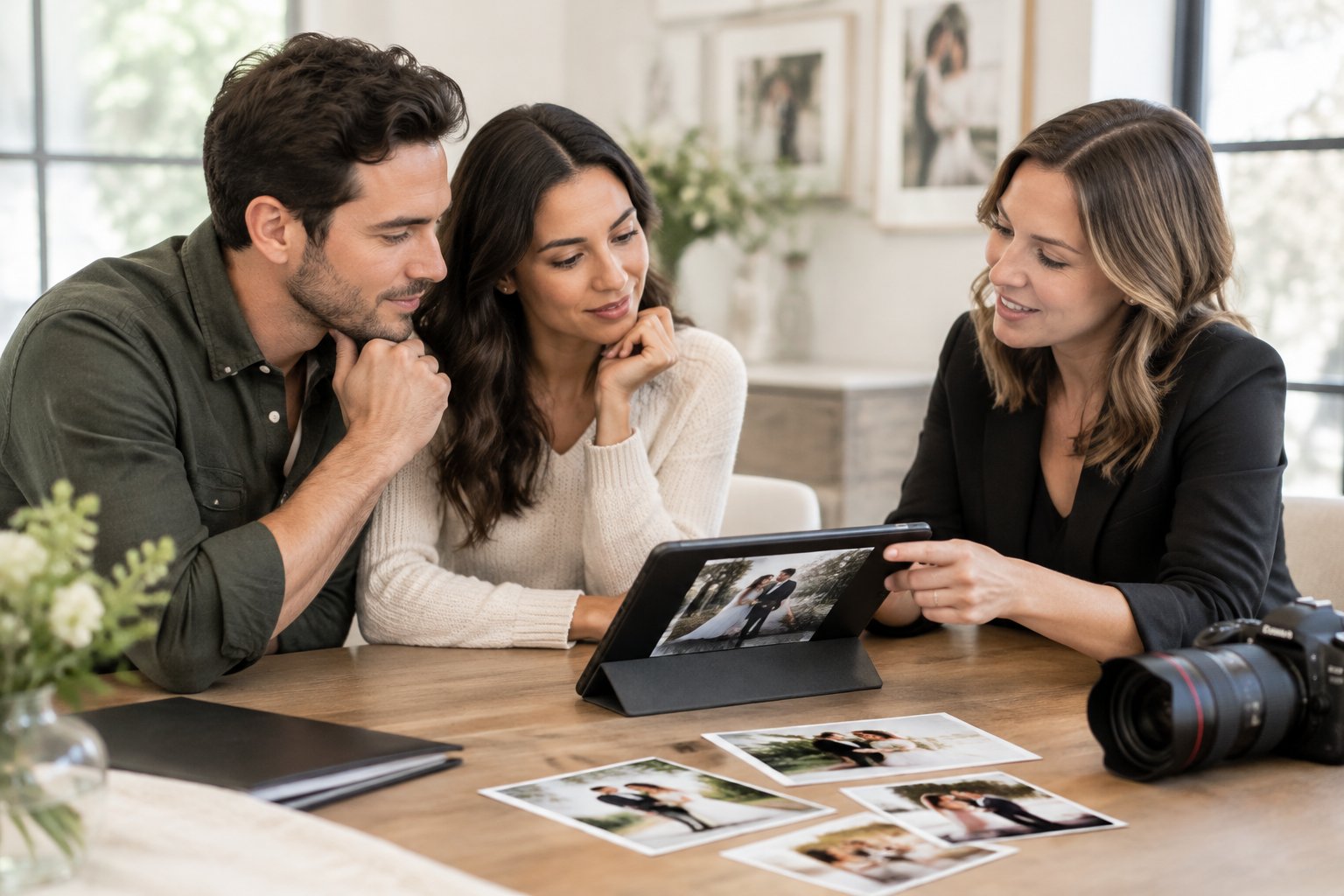
Start by choosing a look you both enjoy, then compare complete wedding galleries, ask clear questions, and review each package in writing. If you have your date and venue, begin saving photographers you like and reach out to ask about availability.
What Wedding Photography Style Fits You?
Your preferred wedding photography style should feel like a natural match for the mood and images you want to remember. Look at real wedding photos and notice whether you’re drawn to candid moments, guided portraits, classic poses, or a blend.
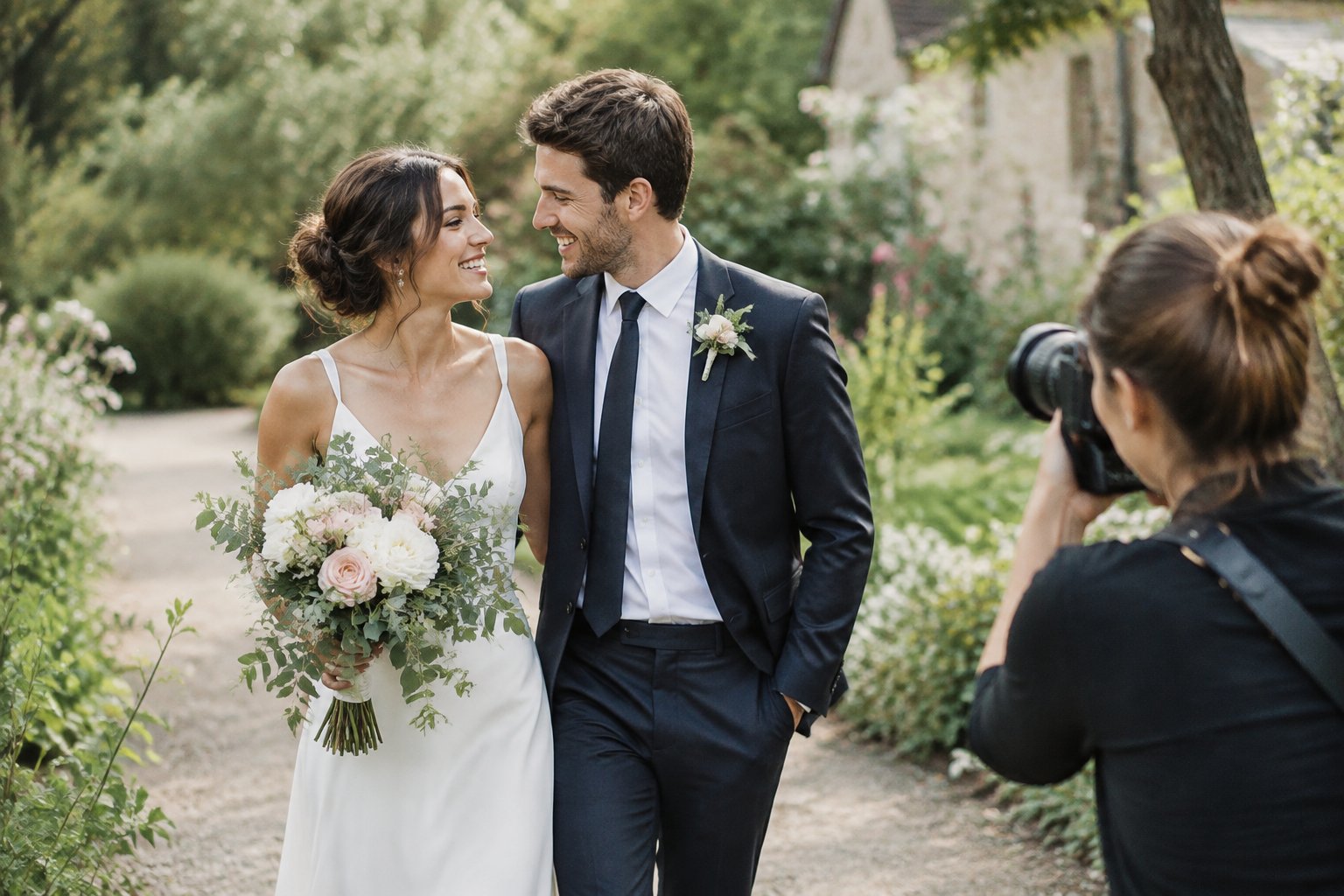
How Do Documentary, Editorial, Fine Art, and Traditional Styles Differ?
Each style gives your wedding photos a distinct feel. Use this quick comparison to put words to what you like.
| Style | Approach | Common feel |
|---|---|---|
| Documentary | Candid, observational | Natural, story-led |
| Editorial | Carefully posed and directed | Polished, fashion-led |
| Fine art | Composed with an artistic eye | Soft, romantic |
| Traditional | Planned portraits and key moments | Classic, formal |
Documentary wedding photography follows events as they unfold, capturing reactions and in-between moments. Editorial work involves more direction, with attention to posing, light, and composition.
Fine art images often use soft tones and intentional framing, while traditional coverage gives you organized portraits and familiar family groupings. Many photographers combine approaches.
Ask how they balance candid coverage with posed portraits, and share a few examples of photos you love. If you and your partner are still defining the celebration’s look, ways to figure out your wedding style can help you clarify what you want.
How Can You Match a Photographer’s Style to Your Venue and Vision?
Compare a photographer’s work with the setting, timing, and atmosphere you have planned. A garden ceremony in late afternoon brings different light and backgrounds than a candlelit ballroom reception.
Review images from weddings with similar settings, guest counts, and lighting. Then explain what you value, such as lively dance-floor photos, quiet portraits, or a balance of both. Share inspiration images as a guide, while leaving room for your photographer’s own approach.
Where Can You Find and Shortlist Local Photographers?
Start your search through recommendations and wedding-specific directories, then check each photographer’s location, availability, and experience. A short list of a few strong options makes it easier to compare their work and communication.

Where Should You Search for Wedding Photographer Recommendations?
Ask your wedding planner, venue coordinator, and recently married friends for names of local wedding photographers. Their firsthand experience can help you learn about communication, punctuality, and how a photographer worked with other vendors.
Search wedding directories such as The Knot to compare portfolios, reviews, and listed pricing. You can also use social media to find work from venues in your area. Treat recommendations as a starting point, then review the photographer’s own galleries and speak with them directly.
How Can You Narrow Your List by Location, Availability, and Experience?
Check your date first. Contact photographers whose work appeals to you and confirm that they can cover your wedding at your venue.
If your date is during a busy season, start early; many couples reach out 12 to 18 months ahead. Advice on when to start booking wedding vendors can help you plan your timeline.
Next, check the travel distance and ask about any travel fees. Look for experience with weddings similar in size or setting to yours, and read recent reviews for details about the photographer’s service.
The best wedding photographer for you should have work you admire and a clear plan for covering your day.
How Can You Evaluate a Photographer’s Work?
Review complete wedding galleries to see how a photographer handles the full day, from quiet preparations to busy reception moments. A highlight reel can show their strongest images, while a full gallery gives you a better sense of consistency.
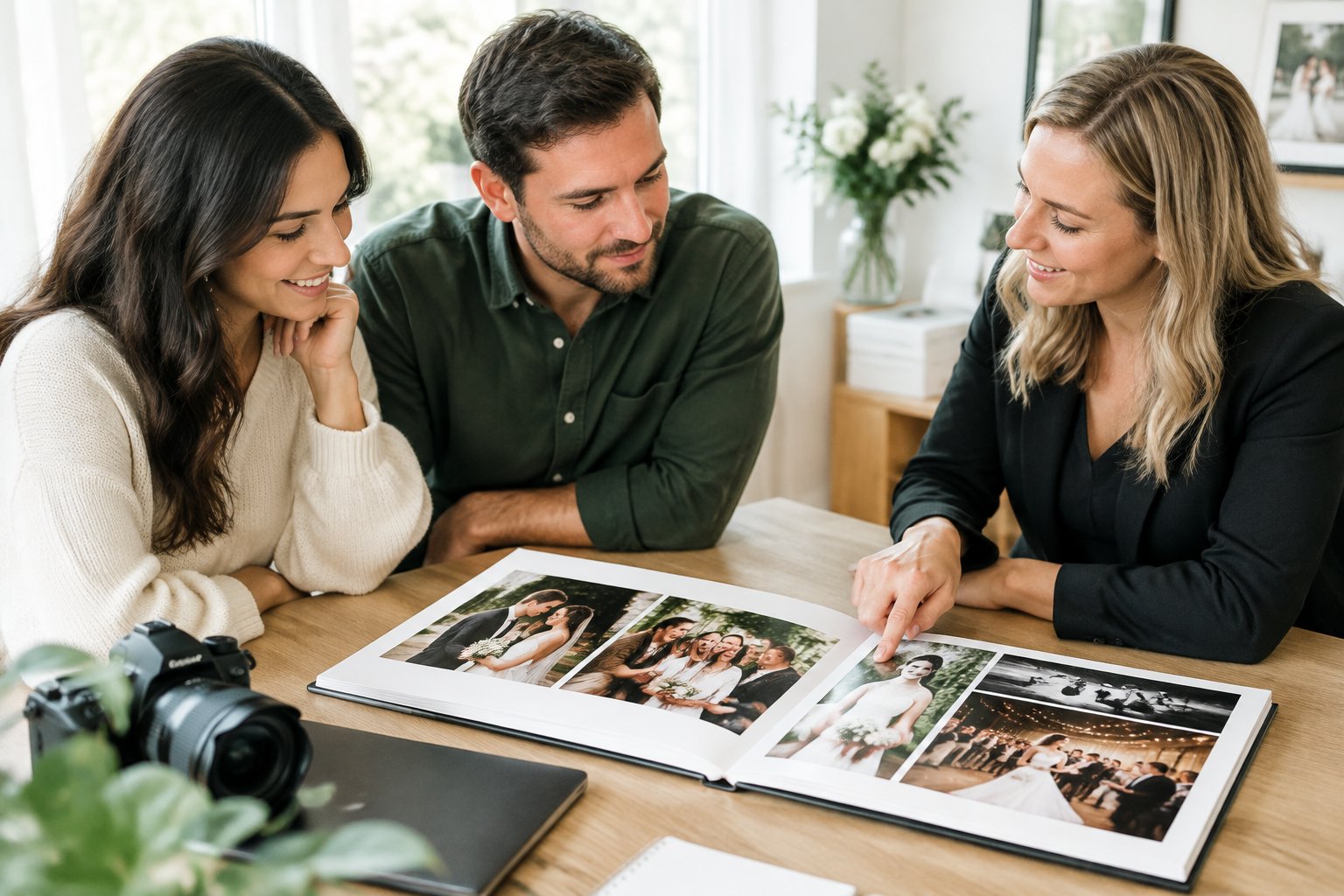
Why Should You Review Full Wedding Galleries?
A full wedding gallery shows how the photographer tells a story across different parts of a wedding. Ask to see two or three complete galleries, including one from a venue or season with conditions like yours.
Notice whether the photos feel consistent in quality and editing from start to finish. Check whether the gallery includes candid moments, family portraits, details, and reception coverage.
Ask how many edited images are included and whether the photographer delivers every image they consider finished. Learn what to expect from a wedding photographer’s image delivery.
What Should You Look for Across Different Moments and Lighting?
Look for clear, well-composed photos in both bright outdoor light and dim indoor settings. Check that skin tones look natural to you and that important moments remain easy to see in the frame.
Pay attention to the range of moments covered. Does the photographer catch expressions during the ceremony, guests reacting to speeches, and movement on the dance floor? A wedding day photo checklist can help you name the family portraits and details you want captured.
When Is a Second Shooter Worth Hiring?
A second shooter is useful when your schedule has events happening at the same time or you want more than one view of key moments. One photographer might capture your ceremony entrance while the other photographs your partner’s reaction.
Ask what the second shooter will cover and whether they will be a named member of the team. For a smaller wedding with a simple timeline, one experienced professional wedding photographer may provide the coverage you need. Compare the added fee with the extra angles and simultaneous coverage in the quote.
What Should You Ask Before Booking?
Before choosing a wedding photographer, ask how they work with couples, what the contract covers, and how they handle practical issues such as backup equipment and image delivery. A clear conversation helps you know what to expect on the wedding day.
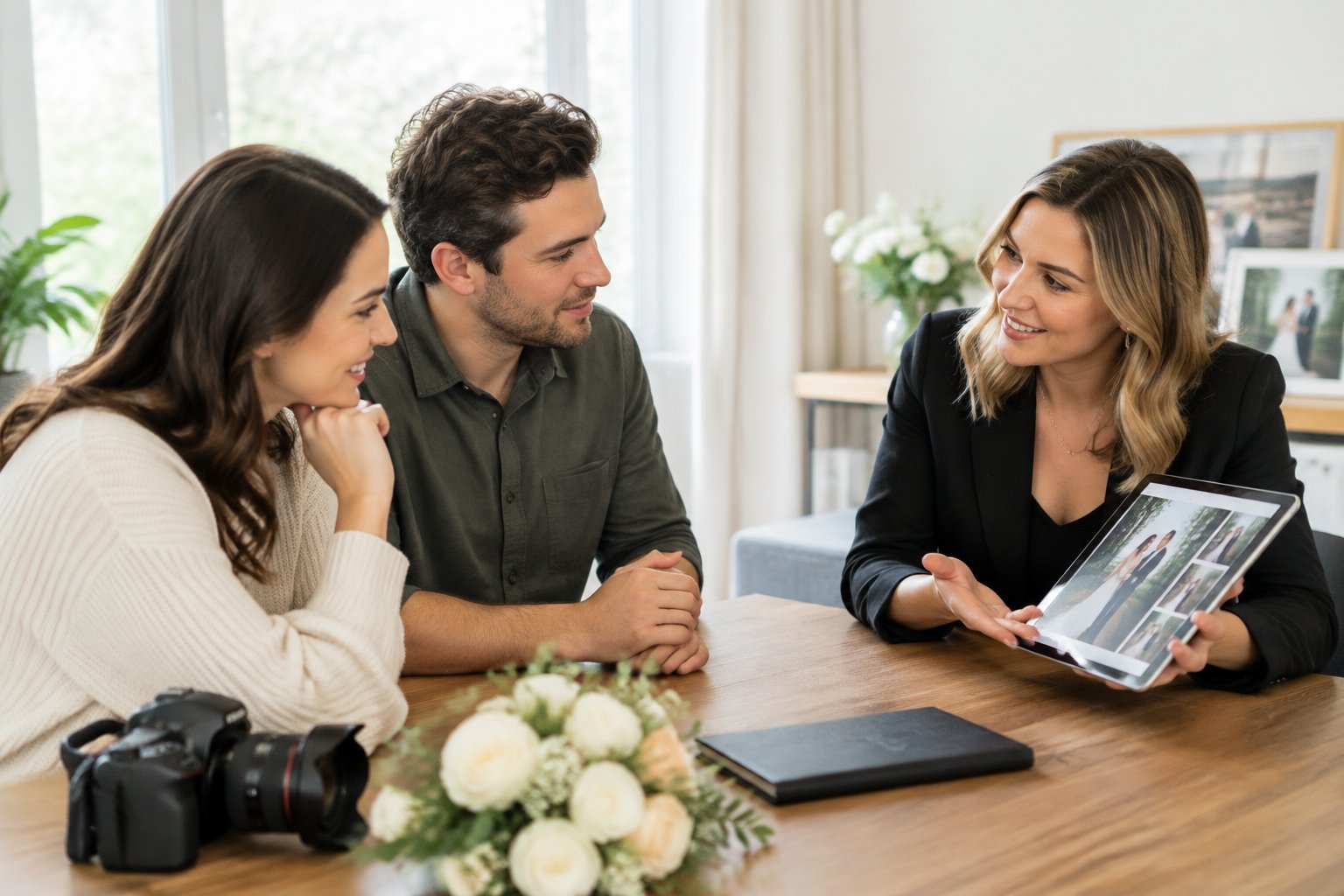
How Will the Photographer Work With You on the Wedding Day?
Ask who will photograph your wedding and how they help you plan the photography timeline. Find out how they handle family portraits, group photos, and changes to the schedule.
Your photographer will be close by during personal moments, so pay attention to how you feel in the conversation. Ask how they give direction during portraits and how they capture candid moments. A calm, clear working style can help you feel at ease in front of the camera.
What Coverage, Backup, and Delivery Details Should You Confirm?
Confirm the number of coverage hours, arrival time, overtime rate, and whether travel is included. Ask what happens if the photographer is ill or their equipment fails, and whether they carry backup cameras and memory cards.
Get the delivery timeline, gallery format, and number of edited images in writing. Ask who edits the photos and whether your contract includes printing rights.
Review the contract carefully so you know how the photographer handles schedule changes, cancellation, and any delay in delivery.
Can Engagement Photos Help You Feel Comfortable in Front of the Camera?
An engagement shoot gives you time to get familiar with your photographer’s direction before the wedding. You can practice posing, share what feels natural, and learn how the session flows.
Ask whether engagement photos are included in the package or priced separately, and confirm the session length and location. If you want to plan a session, browsing pre-wedding photoshoot ideas can help you choose a setting and activity that suit you.
How Much Do Wedding Photography Packages Cost?
Wedding photography packages in the U.S. often fall between $2,500 and $5,300, with a reported national average of about $3,000 in 2026. Your quote will depend on factors such as coverage hours, location, experience, and included services.
What Should You Compare Across Photography Packages?
Compare the total cost alongside the coverage and deliverables. A lower quote may include fewer hours or fewer services, so check each proposal for:
- Hours of wedding-day coverage
- Number of photographers
- Engagement session
- Edited digital images and delivery timeline
- Travel fees and overtime rates
Ask for the exact price of any add-ons before you book. If you’re comparing hourly rates, use a guide to wedding photographer costs per hour as a reference, then compare the full package totals.
Are Albums, Prints, Travel, and Image Rights Included?
Ask whether the package includes a wedding album, prints, travel, and permission to print your images. Some photographers include these items; others list them as add-ons.
A wedding album can also vary in page count, size, cover material, and design service, so ask what the quoted price covers. Check the image-use terms as well.
Your contract should explain how you may download, share, and print your photos, along with any limits on commercial use. Add the price of any extras you expect to order before comparing packages.
What Should the Contract Say About Payment and Cancellations?
Your contract should list the package, payment schedule, due dates, cancellation terms, and refund rules. It should also identify the photographer responsible for your wedding and explain the backup plan if they cannot attend.
Ask how much is due to reserve your date and when the remaining balance is due. If you’re sorting out payment responsibilities, this guide to who pays the wedding photographer can help you discuss the cost. Make sure every promise about coverage, delivery, and included products appears in the signed agreement.