
How to Plan a Wedding by Yourself: A Simple Guide for DIY Couples
Planning a wedding by yourself can feel overwhelming, but it can also be a rewarding experience. To successfully organize your wedding, break the planning process into smaller, manageable steps. Create a clear timeline and stick to a budget. By doing this, you can transform your vision into reality without the need for a professional planner.
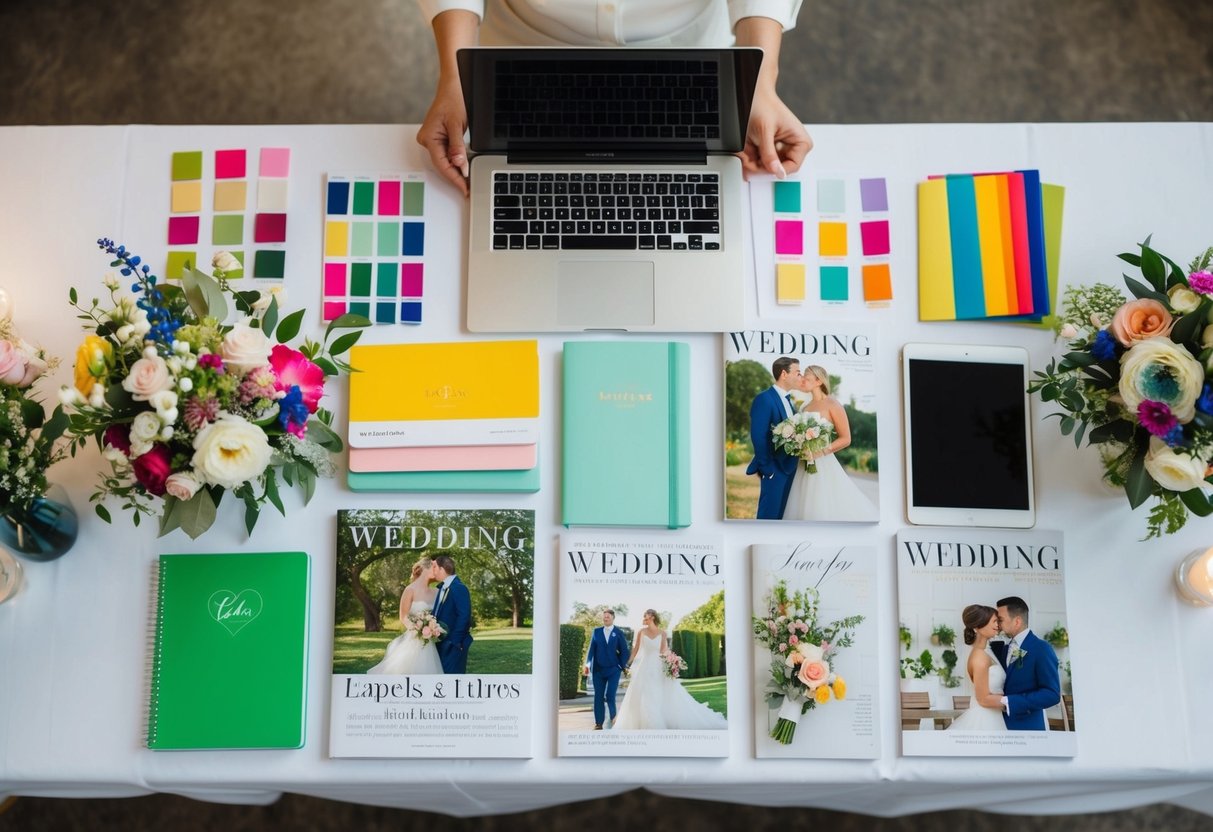
As you embark on this exciting journey, remember to embrace the DIY spirit. There are plenty of great wedding planning tips that can help you personalize your day. From designing your own invitations to selecting a unique venue, each decision is an opportunity to express your style and creativity.
Throughout the wedding planning process, stay organized and focused on what matters most to you. Whether it’s gathering your loved ones for a memorable celebration or ensuring every detail reflects your personality, the joy of planning your own wedding can lead to a beautiful and unforgettable day.
Setting Your Wedding Vision and Budget
When planning a wedding, it’s important to clarify your vision and establish a budget. Doing this helps guide your decisions and keeps you on track throughout the planning process.
Determining Your Wedding Style and Theme
Start by thinking about your preferred wedding style. Do you dream of a formal gathering or a casual celebration? Consider elements such as colors, decor, and the overall atmosphere you want to create.
You might want a rustic theme with natural elements or a modern look with sleek designs. Creating a mood board can help visualize your ideas. Gather inspiration from magazines and websites.
Also, think about personal touches. Incorporate hobbies or interests that represent you as a couple. This will make your day unique and meaningful. Remember, every detail contributes to your wedding theme, from the invitations to the centerpieces.
Creating a Realistic Wedding Budget
Budgeting is a crucial step in wedding planning. Begin by setting a total amount you can spend. This will influence all your choices, from the venue to the catering.
Use a budget tracker to keep tabs on your expenses. Break down the budget into categories like venue, food, and decorations. Allocate a specific amount for each category based on your priorities.
Be mindful of hidden costs, like service fees and taxes. It can be helpful to create a wedding planning book or spreadsheet that lists these categories. Always leave a little extra for unexpected expenses. Sticking to your budget can help you enjoy your day without financial stress.
Organizing the Big Details
When planning your wedding by yourself, getting the big details in order is essential. You need to nail down your wedding date, find the right venue, and secure vendors who will help make your day special.
Choosing Your Ideal Wedding Date
Picking a wedding date is one of the first steps in planning. Consider your engagement length, seasonal preferences, and any significant dates for you or your partner.
Tip: Check for local events or holidays that might affect guest availability.
If you want a more affordable option, consider off-peak seasons. This could save you money on venue rentals and vendor services. You should also think about weather conditions that could impact your plans.
Once you have a shortlist of dates, share them with key friends or family members to ensure their availability. This feedback can help you narrow down your choices.
Selecting the Perfect Venue
Your venue sets the mood for your entire wedding. Start by considering the type of wedding you want. Do you prefer an indoor setting, or are you dreaming of an outdoor celebration?
Make a list of potential venues in your area, like gardens, hotels, or banquet halls. Each venue option offers unique characteristics that can align with your wedding inspiration.
Important: Visit each location to get a feel for the space. Pay attention to capacity to accommodate your guest list comfortably.
Ask about package deals that may include catering and decorations. This can simplify your planning process and save you money.
Securing Key Vendors Early
Vendors play a crucial role in your wedding day. Early planning means you can secure your preferred choices.
Start with essential vendors—such as photographers, caterers, and florists. Make sure these vendors align with your vision and budget.
Create a list of questions to ask during interviews, like their availability and experience with your chosen venue. Always read reviews and ask for references.
Tip: Book vendors as early as possible to lock in your dates and avoid last-minute stress.
Having a solid group of trusted vendors will contribute to a well-organized and enjoyable celebration for you and your guests.
Finalizing Your Wedding Plans
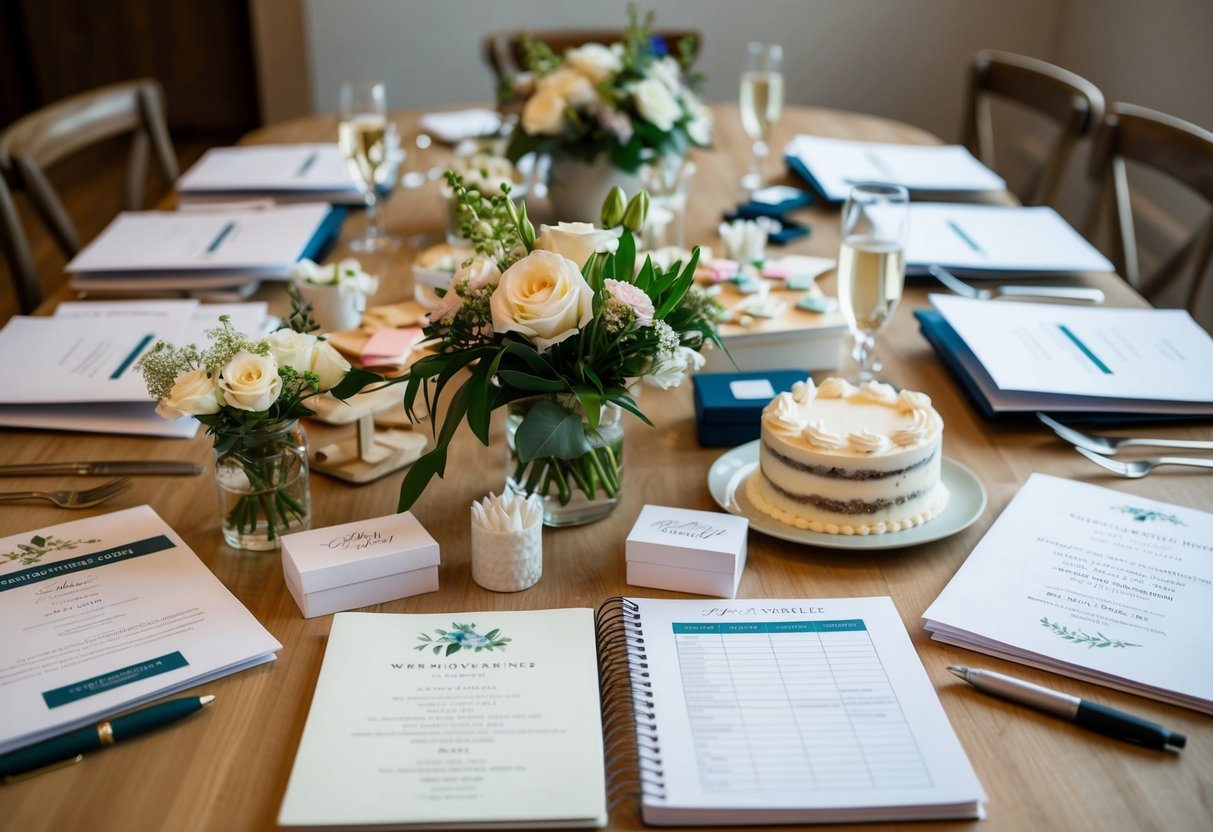
As you move closer to your wedding day, it’s time to refine all the details. You will focus on three main areas: sending out invitations, choosing attire and wedding rings, and designing your ceremony and reception.
Sending Out Wedding Invitations
Creating your wedding invitations is an important step in your planning. First, choose a design that matches your wedding theme, whether it’s rustic, elegant, or modern. Include essential details such as the date, time, venue, and RSVP information.
When selecting paper, consider options that reflect your style. You may want to use high-quality cardstock or incorporate special elements like foil or embossing. Don’t forget to address the envelopes neatly and send them out about 6-8 weeks before your wedding day. This gives guests ample time to respond and plan accordingly.
Choosing Attire and Rings
Choosing your wedding attire is one of the most enjoyable parts of the planning process. Start by deciding on your dress style. Popular options include A-line, mermaid, or ball gown. Visit various bridal shops to try on dresses that fit your vision.
For your partner, select a look that complements your attire. This may include a suit, tuxedo, or something more casual. Don’t forget about your bridal party—coordinate their outfits to match your theme as well.
Next, choose your wedding rings. Think about metals, styles, and whether you want matching bands. Personalizing the rings with engravings can add a special touch. Aim to purchase your rings at least a few months before the wedding to allow for sizing adjustments.
Designing Your Ceremony and Reception
Designing your ceremony and reception is where your vision comes to life. Start by picking a ceremony location. It could be a church, garden, or beach—wherever feels right for you.
Decide on key elements like floral arrangements, ceremony decor, and seating plans. Create a timeline for the ceremony, ensuring everything flows smoothly.
For the reception, think about your theme while selecting decorations and table settings. Incorporate lighting, centerpieces, and place cards that fit your chosen style.
Don’t forget the entertainment and menu. Choose music, food, and drinks that reflect you as a couple and keep your guests engaged. Be sure all details align with your wedding day timeline to ensure a seamless experience.
Putting the Final Touches on Your Special Day
As your wedding day approaches, making sure everything is in place is key. This section focuses on confirming details with your vendors and building an effective wedding timeline and checklist. Attention to these details will help ensure your day runs smoothly.
Confirming Final Details with Vendors
Contact your vendors a week before the big day. Confirm that they have the correct date, time, and location. This includes the photographer, caterer, florist, and venue staff.
Prepare a short list of questions to ask each vendor. For example:
- What time will you arrive?
- Who is my main contact on the day?
- What is included in your package?
If you have hired a day-of coordinator, share this information with them. They can act as a bridge between you and your vendors. This coordination helps ensure everyone is on the same page.
Don’t forget to check on the wedding registry items if there are any last-minute gifts arriving. Knowing who has sent what can help you thank them later.
Building Your Wedding Timeline and Checklist
Creating a wedding timeline will help you stay organized. Start with a broad outline and then add specific details.
Include major events such as:
- Arrival of vendors
- Ceremony start time
- Reception details
A wedding checklist can help manage tasks. You might break it down into sections—ceremony, reception, and post-wedding duties. This makes it easier to tackle all aspects of the day.
If you plan an intimate wedding, prioritize what matters most to you. Focus on the elements like the wedding cake and personal touches that reflect your unique love story.
Remember to keep the marriage license ready. Ensure you know the requirements for it to be valid on your wedding day. Making sure these details are ready will lessen stress on your special day.