
How to Plan a Wedding Step by Step: Your Comprehensive Guide to a Perfect Celebration
Getting engaged is an exciting time, and planning a wedding can be one of the most memorable experiences of your life. To ensure you are on the right path, you need to start with a clear and organized approach. From setting a budget to finding the perfect venue, each step plays a crucial role in making your big day a success.
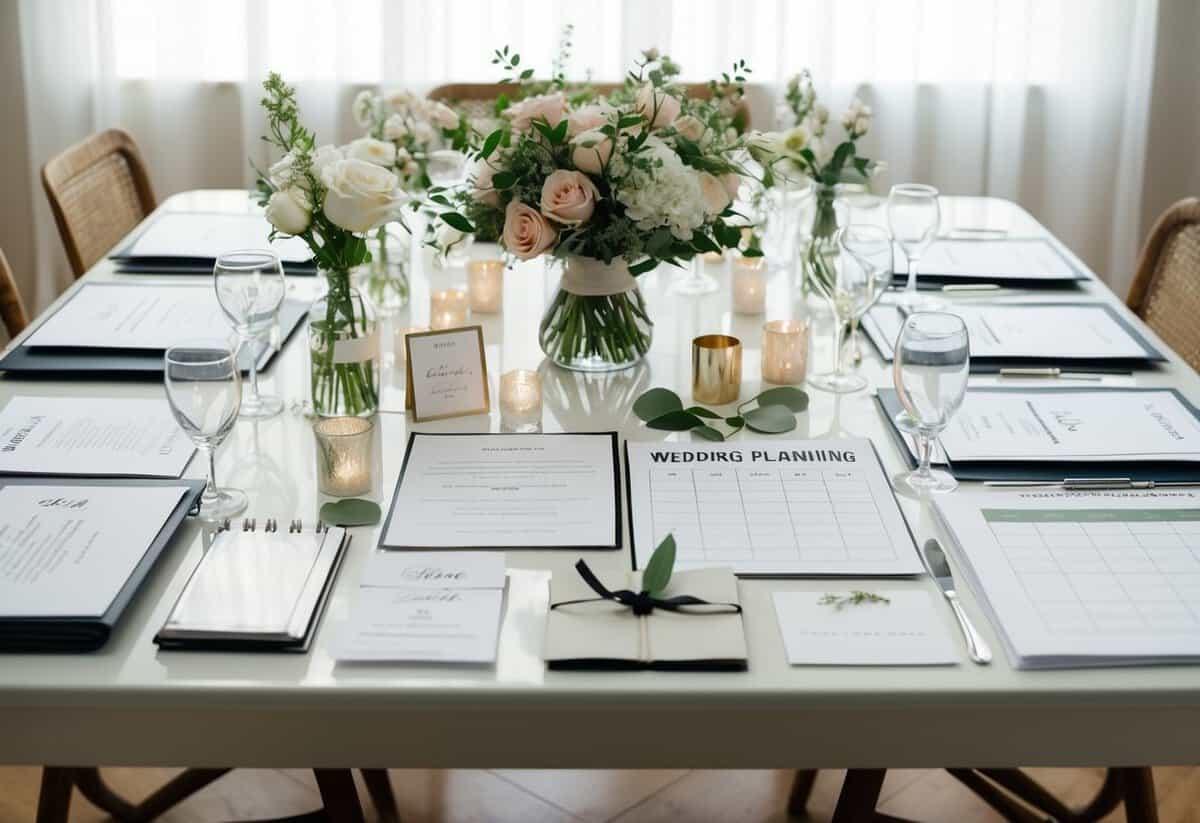
As you and your significant other dive into wedding planning, you may feel a mix of joy and stress. You might wonder where to begin or how to keep track of everything. Knowing the essential steps to take can help reduce some of that pressure so you can focus on celebrating your love with friends and family.
In this guide, you will learn how to plan a wedding step by step, making the process smoother and more enjoyable. By following a structured outline, you’ll have all the tools you need to create a beautiful day that reflects your unique relationship.
Setting the Stage for Your Big Day
Creating the perfect wedding starts with a solid foundation. You’ll need to determine your budget, choose an ideal wedding date, and find the best venue. These steps will help you build a memorable day that fits your vision.
Planning Your Budget
One of the first steps in planning your wedding is setting a clear budget. Start by discussing finances with your partner. Agree on how much each of you can contribute.
Be sure to include all costs, such as the venue, catering, attire, and decorations. A sample breakdown can look like this:
- Venue: 40%
- Catering: 30%
- Attire: 15%
- Decorations: 10%
- Miscellaneous: 5%
Consider creating a spreadsheet to keep track of expenses. It helps prevent surprises later on and keeps your spending in check.
Choosing Your Wedding Date
Your wedding date affects many aspects of planning. Think about the seasons. Each provides a unique backdrop:
- Spring: Fresh blooms and mild weather
- Summer: Longer days and sunny skies
- Fall: Cool air and colorful leaves
- Winter: Cozy settings and holiday vibes
Once you decide on a season, look at potential dates. Consider holidays and local events; they may impact vendor availability or costs.
Don’t forget to consult family and close friends, especially if you want important people there.
Finding the Perfect Venue
Your wedding venue sets the tone for your big day. Start by listing your priorities. Do you want an indoor or outdoor setting? A grand hall or a cozy space? Make sure to visit multiple venues before deciding.
Check their availability for your chosen date. Ask about capacity, packages, and hidden fees. Pay attention to the venue’s rules about decorations and catering.
Consider the location for your guests, too. Is it easily accessible? Are there hotels nearby for out-of-town visitors? These factors help ensure your day goes smoothly and everyone enjoys themselves.
Detailing Your Wedding Vision
Creating a clear wedding vision is important. It helps you define your theme and inspiration. By focusing on your wedding style and attire, you can make choices that reflect your personality and celebrate your love.
Designing Your Wedding Style
Your wedding style sets the mood for your special day. Start by gathering wedding inspiration from magazines, online blogs, or Pinterest boards. Think about colors, decorations, and themes that resonate with you.
Consider the season you’re getting married in. Spring might call for bright pastels, while fall can inspire rich, warm tones. Once you choose your theme, create a visual mood board to keep your ideas organized.
Think about how elements like flowers, lighting, and venue decor will fit into your vision. This detailed approach will help you bring your ideas to life. Make sure to use a wedding planning checklist to keep track of your choices.
Selecting Your Dream Attire
Your wedding attire is one of the most personal aspects of your day. Start by envisioning what you want to wear. Consider the style of wedding dress that makes you feel beautiful. You may prefer a classic gown, a modern silhouette, or something unique that showcases your personality.
Don’t forget about your wedding rings. Choose bands that complement each other and fit your style.
When planning your attire, also think about the outfit for your partner and bridal party. Consider coordinating colors and styles that match your overall theme. This attention to detail will ensure everyone looks fabulous on your big day and contributes to the vision you’ve created.
Organizing the Details
Organizing your wedding details is essential for a smooth planning process. This section covers important tasks that can help you stay on track and ensure nothing gets overlooked.
Creating a Guest List
Start by making a list of everyone you want to invite. Think about family, friends, and colleagues. It’s helpful to jot down names in a shared document to keep track of details.
Next, consider your budget. The guest count directly affects costs like catering and venue size. Aim for a balance between including everyone you want while staying within your set limits.
Once you have your list, begin organizing the information. Create categories like “Attending,” “Maybe,” and “Not Attending.” This will help you manage your seating chart and finalize numbers for the venue and catering.
Booking Vendors and Services
Next, you’ll need to research and book your wedding vendors. This includes catering, photography, videography, and entertainment. Start with recommendations from friends or online reviews.
For each vendor, reach out for quotes and availability. It’s good to meet them in person or through video calls. This gives you a chance to discuss your vision and ask questions.
Be sure to read through contracts carefully before signing. Confirm details like payment schedules and cancellation policies. Setting up a timeline for when you need to book each vendor will keep you organized.
Coordinating Pre-Wedding Events
Don’t forget to plan for pre-wedding events like the rehearsal dinner and bridal shower. These celebrations let you spend time with your wedding party and close friends.
For the rehearsal dinner, choose a venue that works for your budget and can accommodate your guests. Make invitations early so attendees can save the date.
When it comes to a bridal shower, coordinate with a friend to help with planning. Discuss themes, guest counts, and activities together. This can help reduce stress while ensuring these events are fun and memorable.
Finalizing Your Wedding Plans
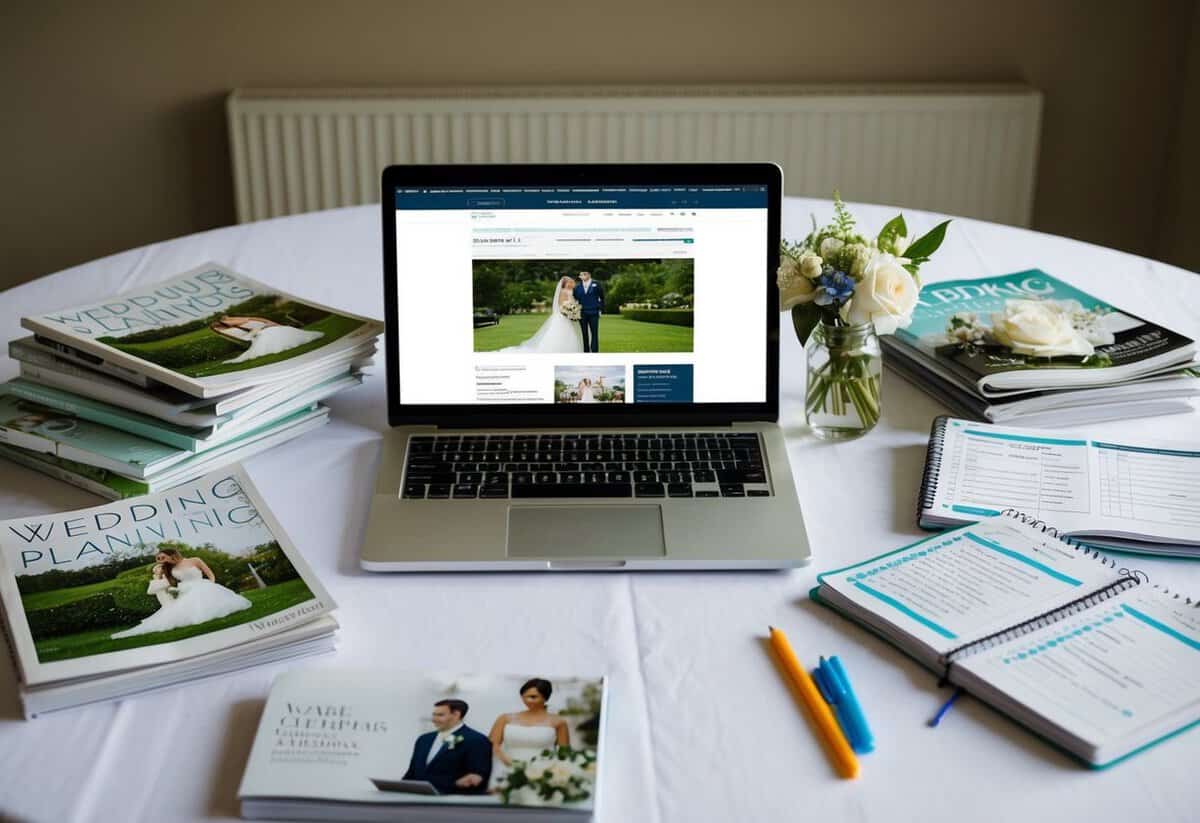
Now that you’ve arranged many aspects of your wedding, it’s time to put the final pieces in place. This phase includes sending invitations, handling legalities, and preparing for your big day. Here’s what you need to focus on.
Sending Invitations and Managing RSVPs
Start by choosing your invitations. You can opt for custom designs or DIY using platforms like Canva. Remember to include all important details such as the wedding date, venue, and dress code if there is one.
Once you have your invitations ready, consider sending out save-the-dates early, especially for destination weddings. Make sure to set a deadline for RSVPs. This will help you finalize your guest list and seating arrangements.
Utilizing a wedding website can simplify managing RSVPs. Guests can respond online, making it easier for you to keep track. Be sure to send reminders as the date approaches to ensure everyone responds.
Getting Official with Licenses and Officiants
To make your marriage official, you’ll need a marriage license. Check the laws in your state as requirements can vary. You’ll typically need to apply in person and provide identification.
Choosing the right officiant is also crucial. Decide whether you want a religious leader, a friend, or a professional officiant. Make sure to discuss the wedding details with them ahead of time, including your preferences for vows and any special rituals.
Don’t forget to confirm the schedule with your officiant, so everyone is on the same page for the wedding day.
Preparing for the Big Day
Now is the time to finalize your wedding day schedule. Create a detailed timeline that includes hair and makeup appointments, the ceremony, and the reception. Share this schedule with your wedding party to ensure smooth coordination.
Double-check your wedding registry details, as guests may refer to it for gift purchases. If you’re using a service like Zola, ensure everything is updated for easy access.
As the big day approaches, make sure you have all necessary items packed and ready. This includes your marriage license, rings, and any other essential items. Taking care of these last-minute details can help your wedding day run smoothly.