
How to Respond to RSVP? Simple Tips for Every Occasion
When you receive an invitation that asks for an RSVP, you need to respond quickly and clearly. A simple and polite reply shows appreciation for the invite and helps your host plan better. Whether you are excited to accept or regretfully have to decline, your response matters.
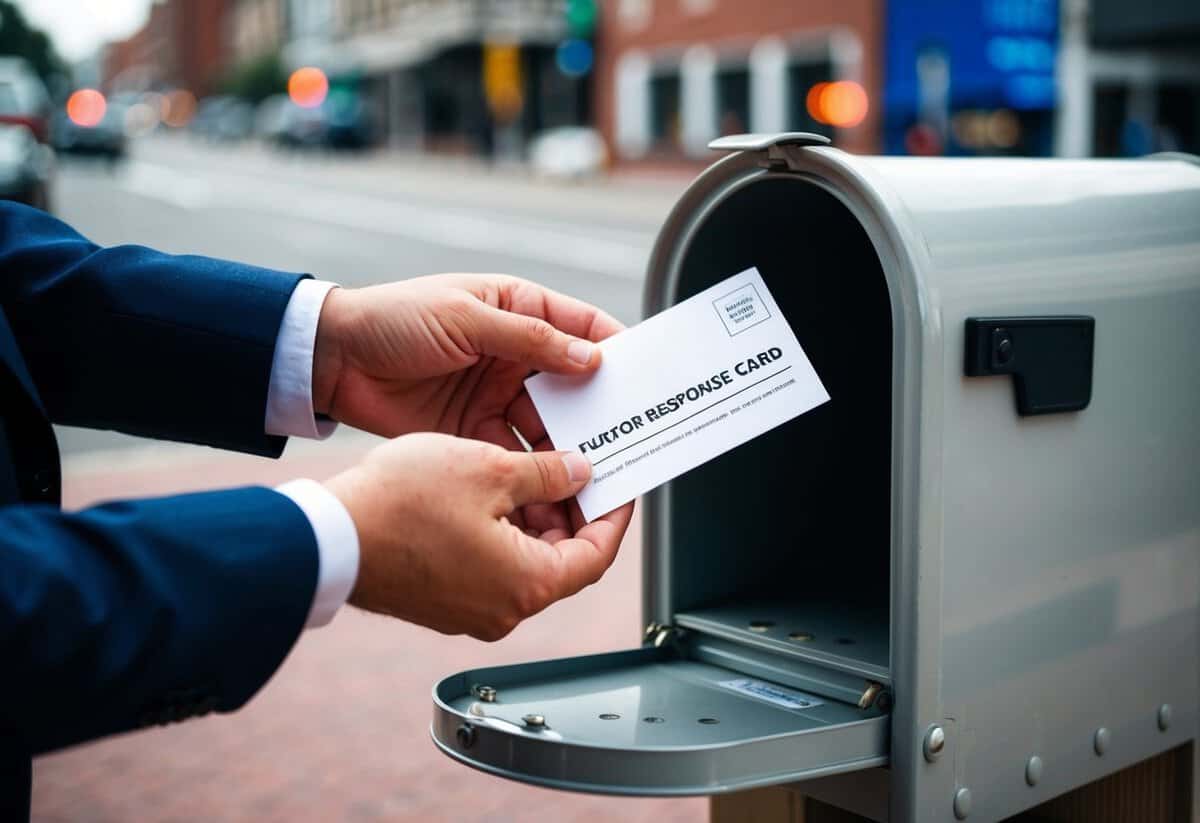
You might feel unsure about how to word your reply, but it doesn’t have to be complicated. It can be as easy as expressing gratitude and confirming your attendance or stating that you can’t make it.
This blog post will guide you through the best ways to respond to an RSVP, making it easier for you to reply appropriately.
Understanding the etiquette behind RSVPs can also improve your social skills. You will learn helpful phrases and examples that suit different occasions, from casual get-togethers to formal events. Get ready to impress your host with your thoughtful response!
Understanding RSVP
When you receive an RSVP request, it’s important to recognize its purpose and significance. This section looks into the origin of RSVP and its role in event planning, helping you understand how to respond appropriately.
Origin of RSVP
The term RSVP comes from the French phrase “répondez s’il vous plaît,” which means “please respond.” This etiquette started in the 19th century to ensure hosts could plan their events accurately.
People originally used it for formal invitations, and it signaled guests to confirm their attendance. Today, it applies to both formal and informal events, like weddings, galas, and casual gatherings with friends.
The RSVP request allows hosts to manage seating, catering, and other arrangements effectively. So, when you get an RSVP, remember it serves a special purpose in the celebration planning process.
Significance in Event Planning
RSVPs are crucial for effective event planning. A prompt response helps hosts understand how many guests to expect.
This clarity is especially important for events like weddings, where every detail matters. You might have received an RSVP for a large event that requires precise arrangements.
By replying on time, you not only show respect for the host’s effort but also foster good etiquette.
Furthermore, understanding whether you can attend or not aids your friends and family in making plans without confusion. It builds a sense of community and friendship, reinforcing connections through thoughtful communication.
How to Formulate Your Response
Responding to an RSVP is an important part of event planning. Crafting your reply thoughtfully shows appreciation for the invitation and helps the host prepare accordingly. Let’s look at how to handle different scenarios.
Accepting Invitations
When you decide to accept an invitation, it’s best to express your enthusiasm. Start your response by thanking the host for the invite. You could say, “Thank you for inviting me to your wedding!”
Make sure to confirm that you will attend. Include details like the date and time to show you’re aware. If the event has a dress code, mention that you’ll follow it. For example, “I look forward to wearing my best formal attire!”
Lastly, consider indicating if you’ll be bringing guests. This information helps the host plan better for seating and food.
Declining Invitations
If you can’t attend the event, it’s important to respond politely and timely. Start with a thank you to the host for their invitation. You might say, “I appreciate the invite to your birthday party.”
Clearly state your regret about not being able to attend. Use simple phrases like, “I won’t be able to make it.”
If appropriate, you can include a brief reason. For instance, “I have a prior commitment.” Remember to express your hope that the event goes well, such as “I hope you have a wonderful time!”
Indicating Number of Guests
Often, the invitation will ask about the number of guests you are bringing. If you’re bringing someone, include that right away. Your reply could start with, “I will be attending with one guest.”
If you’re attending alone, make that clear too. This helps the host manage seating and catering. For example, “I will arrive solo.”
Communicating this information ensures the host can plan for the right number of attendees, ensuring everyone enjoys the event.
Addressing Special Requests
Sometimes, invitations may include special requests, like dietary restrictions or specific dress codes. It’s essential to address these points in your response.
If you have dietary needs, let the host know kindly. You could write, “I have a gluten allergy; please let me know about meal options.”
If there’s a dress code, confirm your understanding. A response like, “I’ll be dressed in cocktail attire” shows respect for the event’s theme.
Being clear about these requests helps ensure that your experience and that of other guests is enjoyable.
Crafting Responses Through Different Mediums
When you receive an RSVP invitation, how you respond matters. Different mediums allow you to convey your message effectively. Each option has its own style and nuances, so it’s important to choose carefully.
Responding via RSVP Card
An RSVP card usually comes with the invitation. It’s a straightforward way to reply.
- Fill it Out Promptly: Write your name clearly, check the box for attending or not, and include any dietary restrictions. This shows your thoughtfulness.
- Return It Quickly: Send it back as soon as you can. This helps the host plan better.
- Add a Personal Note: If possible, include a brief message, like expressing excitement. It makes your reply feel warmer.
Using the RSVP card keeps things simple and clear. It’s a courteous way to communicate your intentions.
Responding via Email
Email is often the quickest method for responding to RSVPs. It allows for more detail in your reply.
- Use a Clear Subject Line: Start with something like “RSVP for [Event Name].” This makes it easy for the host to find your message.
- Be Direct and Friendly: Open with a greeting and get straight to your response. For instance, write, “I’m excited to attend!” or “Thanks for the invite, but I can’t make it.”
- Share Any Special Needs: If you have dietary restrictions or other considerations, mention these in your message.
Timely responses via email show respect for the planner’s time.
Responding via Phone
A phone call can add a personal touch to your RSVP. It’s especially nice for close friends or family.
- Choose a Suitable Time to Call: Make sure the host is available to chat. Avoid calling too late at night or too early in the morning.
- Introduce Yourself: Start by saying who you are. This sets the context immediately.
- Keep It Brief: State whether you’re attending or not. If you have questions about the event, this is a great time to ask.
Phone calls allow for immediate feedback and connection. It shows you value the relationship.
Tips for Thoughtful and Timely Responses
When you receive an RSVP, a thoughtful response goes a long way. Here are some tips to help you reply effectively.
-
Read the Invitation Carefully
Take a moment to understand the details. Note the date, time, and type of event. This will help you decide right away. -
Respond Promptly
Aim to reply as soon as you can. This shows respect for the host’s planning efforts. A timely RSVP helps everyone involved. -
Express Gratitude
Always thank the host for the invitation. A simple “Thank you for inviting me!” shows appreciation. -
Be Honest About Your Attendance
If you can’t attend, it’s better to be truthful. Saying “I can’t make it” is preferable to leaving it unclear. -
Consider Plus Ones
If you’re allowed to bring a guest, think carefully about who you want to invite. Let the host know your plans. -
Offer to Help
If you are close to the host, you might offer assistance. Something like, “Let me know if you need help with anything” could be nice. -
Use Appropriate Language
Match the tone of your response to the event. For more formal events, be respectful in your language.