
How to Sort a Wedding Seating Plan: Tips for a Stress-Free Arrangement
Sorting a wedding seating plan can feel overwhelming, but it doesn’t have to be. To create a successful seating plan, start by considering the relationships between your guests. Think about who gets along well and who might need some space. This will help you place guests at tables where they’ll feel comfortable and enjoy themselves.
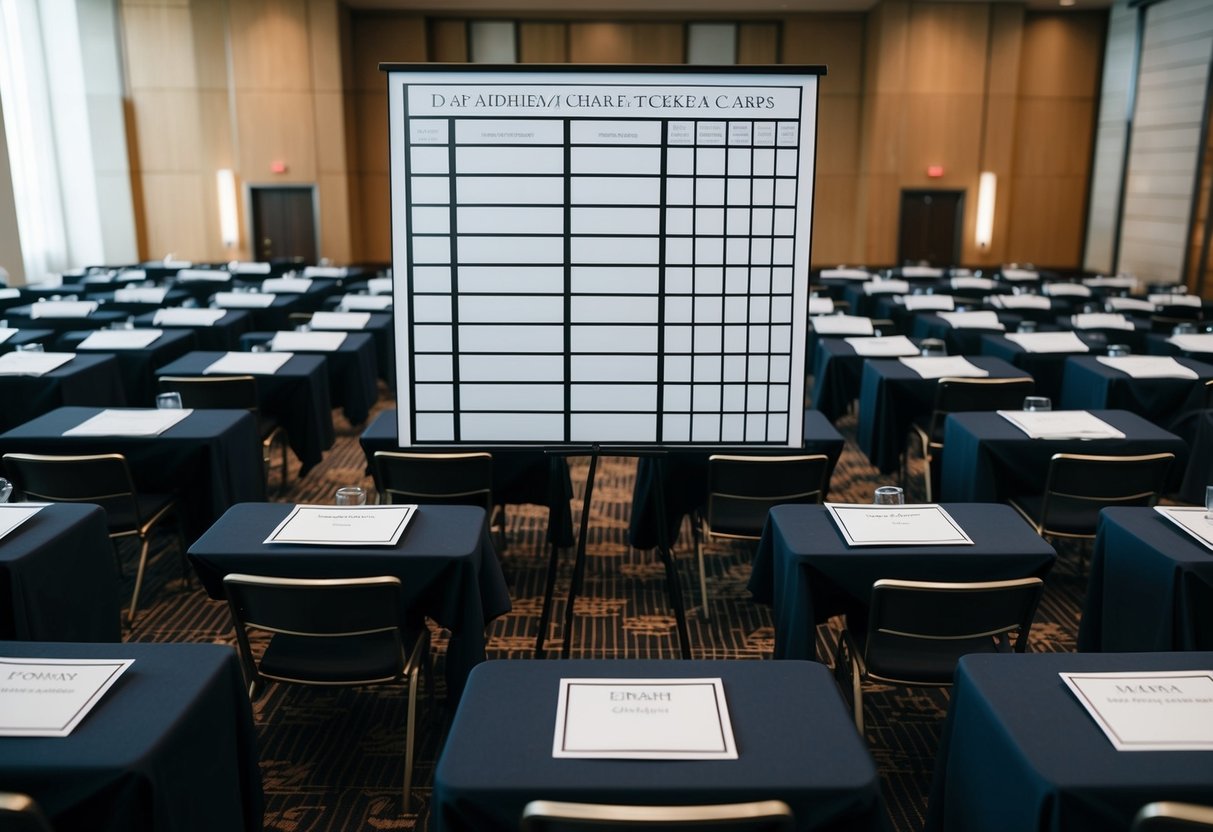
Next, keep your venue’s layout in mind. Make sure to factor in elements like walkways and access to food. A well-organized seating chart not only enhances guest experience but also helps your reception flow smoothly.
By following these simple steps, you’ll be on your way to designing a seating plan that ensures everyone has a great time at your wedding. Ready to dive deeper into the details? Let’s get started!
Getting Started with Your Wedding Seating Plan
Creating your wedding seating plan can seem daunting, but breaking it down into smaller tasks makes it easier. By understanding your venue layout, organizing your guest list, and deciding on table shapes and sizes, you’ll be on your way to an organized and enjoyable celebration.
Understand Your Venue Layout
Begin with a clear understanding of your venue layout. Request a floor plan from your venue. This helps you visualize where tables can go and how guests will move around. Look for focal points like the dance floor or stage; these areas will impact seating arrangements.
Take note of any obstacles, such as columns or exits. They can affect how you arrange tables. Decide on areas for the head table, guest tables, and other specific needs.
Create Your Guest List
Your guest list is the backbone of your seating plan. Start by compiling a list of everyone you and your partner want to invite. Aim for accuracy, including plus-ones, families, and children.
Once you have your list, think about relationships. Group guests who know each other to encourage lively conversation. Ensure you also consider any sensitive dynamics, like family members who may not get along.
Decide on Table Shapes and Sizes
Choosing the right table shapes and sizes is crucial. Rectangular tables often fit more guests in tighter spaces and can create a formal atmosphere. They work well for longer, more communal settings.
Round tables can foster a cozy vibe, encouraging conversation among guests. These tables often work better in larger venues. Measure your space to ensure that tables have enough room for chairs and movement.
Mixing table types can add visual interest. Regardless of your choice, aim to accommodate all your guests comfortably.
Organizing the Seating Arrangement
Creating a well-organized seating arrangement can help ensure your guests feel comfortable and enjoy your wedding day. By focusing on key groups like the head table, wedding party, and guests related by friendship or family ties, you can make everyone feel included.
Assigning the Head Table
The head table is one of the most important focal points at your reception. It’s usually reserved for you, your partner, and the wedding party.
When deciding who sits there, think about your closest friends and family. You might include your parents and any significant figures in your lives.
Make sure the head table is centrally located so everyone can see it. You can also use a beautiful backdrop or special decorations to highlight this area.
Seating the Wedding Party
Your wedding party deserves special attention when it comes to seating. Typically, they should sit near the head table.
Group them together to encourage camaraderie. For example, if you have bridesmaids and groomsmen, assign them seats on opposite sides of the table. This arrangement promotes interaction and can lighten the atmosphere.
Also, consider seating partners next to each other if they are part of the same group. This helps maintain conversation flow and keeps everyone feeling included.
Arranging Guests by Relationships
When it comes to your other guests, arranging them by relationships can create a welcoming environment. You want your extended family, close friends, and acquaintances to feel at ease.
Start by listing out groups, such as family members, college friends, or work colleagues. Then, place them at tables according to their connections.
For example, seat your aunts and uncles together while placing college friends at another table. If space allows, try to alternate guests who might not know each other to spark new friendships throughout the evening.
Using assigned seating can greatly help. Consider a simple chart that guests can check when they arrive. This eliminates confusion and sets the tone for a fun evening!
Finishing Touches
When finalizing your wedding seating plan, you want to pay attention to details that enhance the guest experience. This includes creating and placing name cards, accommodating any special needs, and putting the finishing touches on your seating chart.
Creating and Placing Name Cards
Name cards are an important aspect of your seating plan. These cards help guests find their assigned seats easily, adding a personalized touch to your event. Consider using elegant designs that match your wedding theme.
Place these cards on the table at each guest’s seating position. You can also create a display at the entrance that lists guests by table. This can help those without name cards find where to sit.
Make sure the names are spelled correctly. Double-check for any last-minute changes to ensure everything runs smoothly on your big day.
Accommodating Special Needs
It’s crucial to consider guests with special needs in your seating arrangement. Identify any guests who might require assistance due to mobility issues, dietary restrictions, or other needs.
When designing your seating chart, place these guests near exits, restrooms, or within easy reach of the buffet. This consideration makes your wedding more inclusive and enjoyable for everyone.
Communicate your plans with the venue staff to ensure they are aware of these special requirements ahead of time.
Finalizing the Seating Chart
Once you have all your guests and their seating assigned, it’s time to finalize your seating chart. Use a seating chart template to make this process easier.
Display your chart prominently at the venue entrance. Ensure it is clear and easy to read, using large fonts and contrasting colors.
Consider numbering tables for simplicity and including a small legend if you decide to use a more complex layout. This way, guests can quickly identify their assigned table without confusion.
Take time to walk through the layout before the event to ensure everything is in place.
Digital and Practical Tools
Using digital tools can take the stress out of planning your wedding seating arrangement. With the right resources, you can create an organized and thoughtful plan that enhances your guest experience.
Using a Seating Chart Maker
A seating chart maker is an essential tool for any wedding planner. Websites like WeddingWire offer user-friendly platforms where you can easily drag and drop tables and guests.
You can customize your setup to fit your venue layout and guests’ needs. This makes visualizing the arrangement much simpler. Plus, many of these tools allow for quick adjustments as your guest list changes.
Using such a maker simplifies the complex task of seating and saves time. You can create a digital version that’s easy to update, which is perfect for collaborating with your wedding coordinator.
Managing RSVPs and Dietary Preferences Online
Managing RSVPs online is a game-changer for organizing your wedding. You can use your wedding website to track responses and any specific dietary preferences your guests may have.
By using digital tools, you can gather information efficiently. Platforms often have features to input dietary needs directly alongside RSVPs. This helps you make informed decisions when planning the menu.
You can also send reminders to guests who haven’t responded. Keeping track of all this information in one place improves the experience for both you and your guests. It allows you to focus on creating a memorable event.