
How to Spot a Fake Marriage: Key Signs to Watch For
If you’re worried that you or someone you know might be in a fake marriage, you need to understand the signs of a sham marriage. Many people enter into fake marriages for various reasons, such as marriage fraud or gaining an immigration advantage.
Being aware of the key indicators can help you protect yourself and others from potential legal consequences.
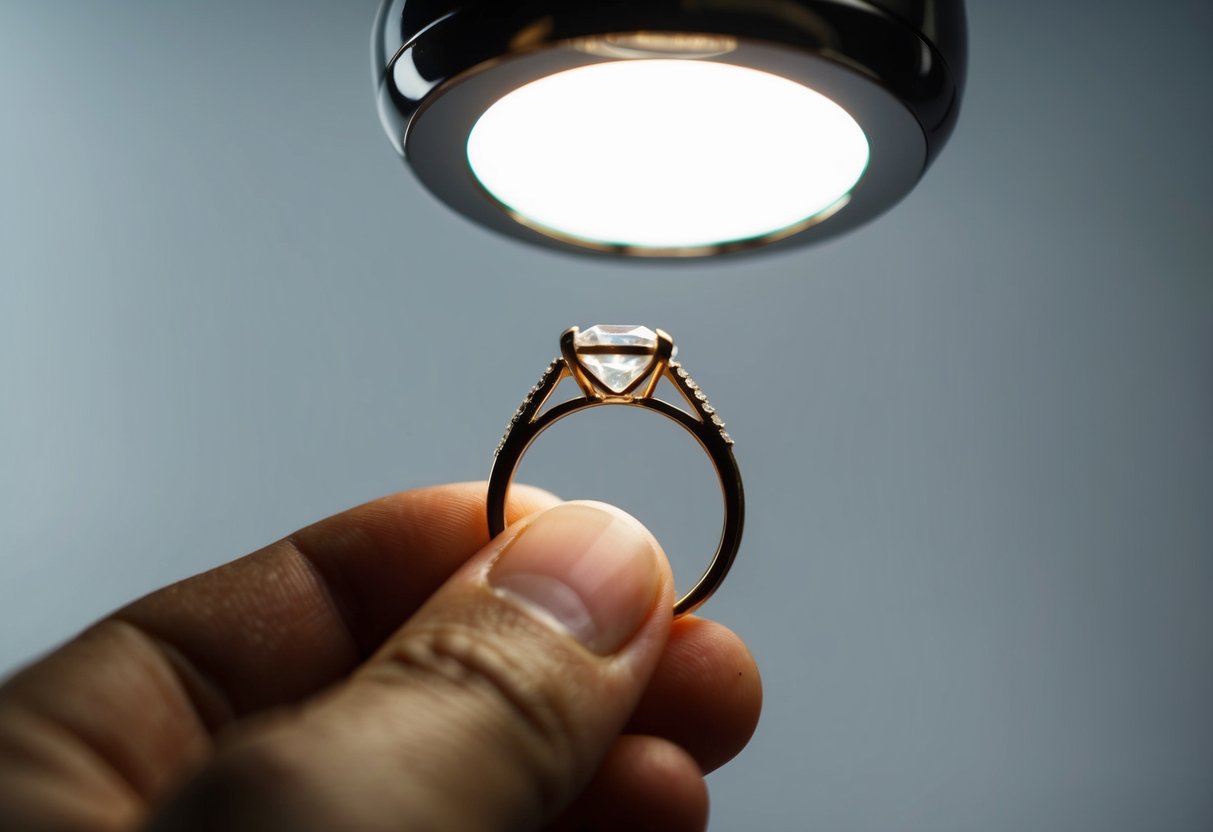
Look for discrepancies in personal details or other unusual patterns in your partner’s behavior. A lack of knowledge about each other’s life, irregularities in documentation, or inconsistencies in how you share your lives can all be red flags.
Knowing what to watch for will help you navigate your relationship or any concerns you may have about its authenticity.
Understanding how to spot a fake marriage is crucial in today’s world. If you recognize these signs, you may be able to address the situation early on and avoid the complications that come with marriage fraud.
Your awareness can make a significant difference in protecting your interests and ensuring genuine connections.
Understanding Marriage Fraud
Marriage fraud involves deceitful practices in relationships, often aimed at gaining immigration benefits. It’s essential to recognize the signs and know the legal consequences to protect yourself and others.
Defining Sham Relationships
A sham marriage is a union entered into without the intent of creating a genuine, lasting relationship. People may enter these marriages solely for benefits such as gaining immigration status or financial advantages.
In a bona fide marriage, both partners genuinely commit to building a life together. In contrast, sham marriages typically lack emotional ties and involve a clear intention to deceive authorities.
Common signs of a sham marriage include:
- Limited or no shared history: Couples often have short contact or no real experiences together.
- Lack of familiarity: Partners may not know basic details about each other’s lives.
- Financial arrangements: Payments to one partner can indicate fraud.
Legal Implications
Engaging in marriage fraud can lead to severe legal consequences. Immigration officials, including the U.S. Citizenship and Immigration Services (USCIS), actively investigate suspicious marriages.
If found guilty of fraudulent marriages, individuals face penalties like:
- Imprisonment: Criminal charges can include significant jail time.
- Fines: Offenders may be required to pay hefty fines.
- Loss of immigration status: Those caught may have their applications denied, leading to deportation.
U.S. immigration laws are strict about ensuring that marriages are genuine. Being aware of these implications can help you avoid becoming involved in marriage fraud, whether intentionally or unintentionally.
Identifying Red Flags
When trying to spot a fake marriage, look for clear indicators that suggest the relationship may not be genuine. Certain behaviors, document issues, and inconsistencies in stories can raise suspicion about the validity of a marriage.
Behavioral Indicators
Pay attention to how the couple interacts. Genuine couples usually display affection and have a comfortable rapport.
If you notice a lack of cohabitation, like living apart for extended periods, this could signal problems. Also, avoid couples who hesitate when discussing their daily routines.
Notice how they talk about shared financial responsibilities. A genuine couple will likely discuss expenses, such as renting or buying a home, utilities, and joint accounts.
If one partner seems unaware or uninterested in these topics, it may hint at a lack of commitment to the marriage.
Document Discrepancies
The documentation associated with a marriage can reveal a lot. First, check the marriage certificate for authenticity. If the certificate looks unusual or has missing details, it may raise red flags.
Expect to see proper documentation for joint assets, like bank accounts or property. If one partner does not have access to joint finances or claims they are solely maintained by the other, this may indicate an immigration advantage sought through marriage.
Finally, be alert for any inconsistencies in immigration paperwork. USCIS thoroughly investigates claims of marriage fraud. Any mismatched information across documents could jeopardize the application and suggests that the marriage may not be real.
Inconsistencies in Story
Stories should align when couples recount their relationship history. If you hear conflicting accounts about when they met or how long they’ve been together, this could be a strong sign of a fake marriage.
Look for inconsistencies in their timeline as well. Genuine relationships usually have seamless narratives involving shared experiences.
If one partner struggles to recall basic details about the other or their relationship milestones, it can signal that the relationship is not as strong as claimed.
Finally, keep an ear out for vague responses. If a partner avoids questions about family members or events, it might suggest they aren’t genuinely involved or do not know much about the other’s life.
Consequences and Prevention
When it comes to fake marriages, the risks are serious. Understanding the potential legal outcomes and the preventative steps you can take is crucial to protect yourself and your relationships.
Legal Outcomes of Fake Marriages
Engaging in a fake marriage can lead to significant legal consequences. Marriage fraud is considered a federal crime. If caught, you may face serious penalties. This includes possible prison time, hefty fines, and deportation, especially if you are not a U.S. citizen.
Many people involved in fake marriages want to deceive immigration authorities. If you are accused of participating in this type of fraud, an immigration lawyer is essential.
They can guide you through the complicated immigration process and help address any issues that arise from your situation.
Role of Legal Professionals
Legal professionals play a vital role in both prevention and dealing with marriage fraud.
An immigration attorney can help you understand your rights and the implications of your actions. They provide advice on marriage-based immigration and ensure that your documentation is valid and truthful.
When seeking a marriage license, it’s essential to work with an attorney familiar with immigration laws. They can inform you of what constitutes a genuine marriage and what documentation is required.
This can help minimize risks and avoid potential immigration issues down the line.
Safeguarding Genuine Relationships
Creating a genuine relationship is key to avoiding complications with fake marriages.
Open communication with your partner can build trust and prevent misunderstandings. Discuss your goals and ensure that both of you are clear about the relationship’s intentions.
To safeguard your marriage, consider having your relationship assessed by a counselor or therapist. This could provide valuable insights and help strengthen your bond.
You want to ensure that you are entering into a genuine marriage based on love and trust, rather than deception.
Implications for U.S. Citizens and Immigrants
Understanding the implications of fake marriages is crucial for both U.S. citizens and immigrants. Each party faces unique challenges and risks, which can affect their legal standing and personal lives.
Impact on U.S. Citizens
When a U.S. citizen enters into a fake marriage, they expose themselves to serious legal consequences. U.S. Citizenship and Immigration Services (USCIS) investigates these marriages closely.
If fraud is discovered, you may face penalties like fines or even jail time.
You might also have difficulties in future immigration applications. Your reputation can be damaged, affecting personal and professional relationships.
If the marriage is linked to a romance scam, both financial and emotional impacts can arise from the deception. This scenario could also hinder your ability to sponsor future spouses for immigration benefits.
Challenges for Immigrants
Engaging in a fake marriage can lead to dire outcomes for immigrants. Authorities might assume that you have committed immigration fraud. This can result in deportation and being barred from re-entering the U.S.
If you are a lawful permanent resident and fraud is proven, you could lose your green card.
The U.S. State Department scrutinizes immigration applications carefully. Your chances of obtaining legitimate immigration benefits may suffer if you are tied to a fraudulent situation.
Additionally, the emotional toll of being involved in deceit can lead to long-lasting consequences in your personal life.