
How to Stop Fake Tan Transferring Onto a Wedding Dress: Tips for a Flawless Look on Your Big Day
Your wedding day is one of the most important moments in your life, and looking your best is a top priority. If you’ve chosen to wear fake tan for that perfect glow, you might worry about it transferring onto your beautiful dress. To prevent fake tan from staining your wedding dress, apply it two to three days before the big day and use baby powder to lock it in.
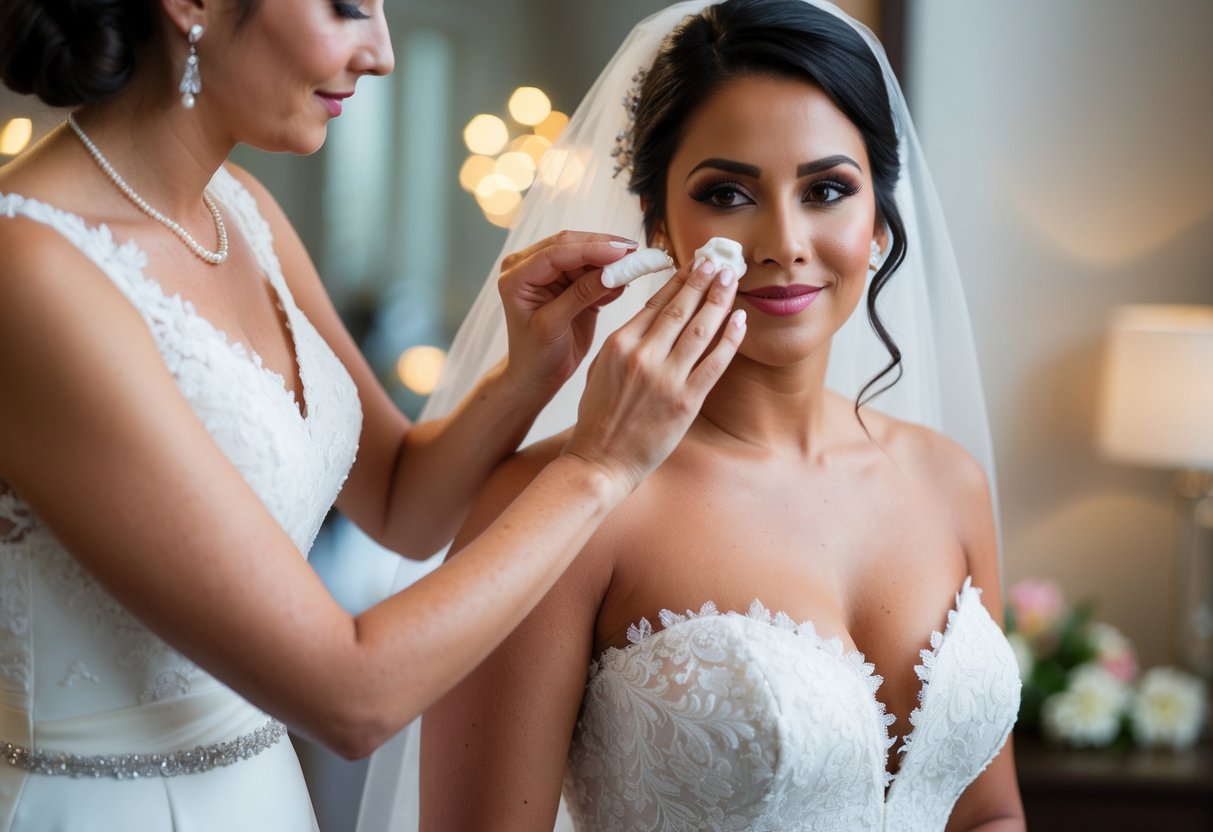
There are several simple tips you can follow to keep your dress looking pristine.
Exfoliating your skin before tanning helps the product go on smoothly and prevents uneven patches. Also, applying a barrier cream can create a protective layer that reduces the chances of transfer.
By taking these steps, you can enjoy your special day without the fear of tan mishaps.
With the right preparation, you can confidently wear your dream dress without any worries. Dive into these tips to ensure your wedding look stays flawless from the ceremony to the reception!
Preparing Your Skin for the Big Day
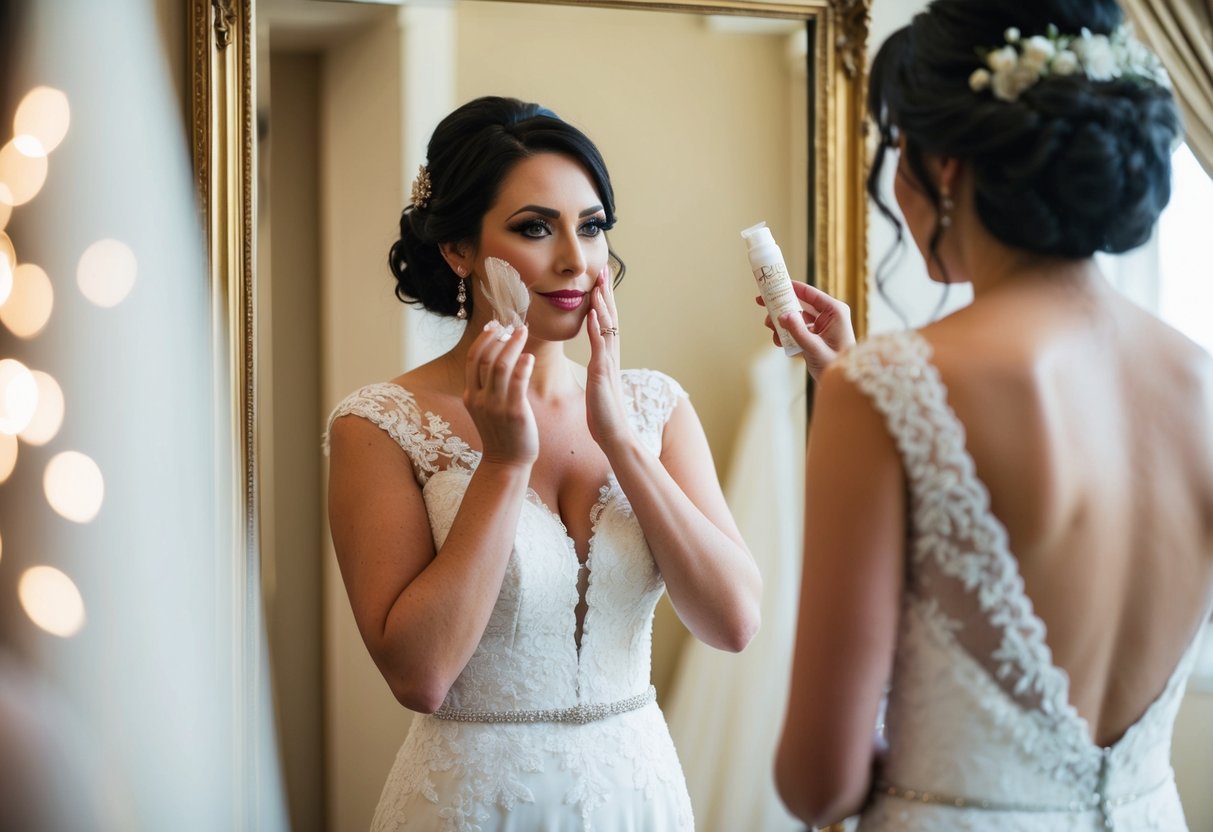
Getting your skin ready for your wedding day is essential for achieving that flawless look.
By focusing on exfoliation, moisturizing, and scheduling your tanning sessions, you can ensure your skin is at its best when it comes time for your bridal spray tan.
The Importance of Exfoliation
Exfoliating your skin removes dead skin cells and helps create a smooth canvas for your tan. About a week before your wedding, use a gentle exfoliator to buff away any rough patches. Focus on areas like elbows, knees, and ankles, as these spots can absorb more color.
You can use a store-bought exfoliant or make your own with ingredients like sugar or coffee grounds mixed with olive oil. Make sure to exfoliate the day before your tan, so your skin is fresh and prepped for a glowing color.
Skin Moisturizing Essentials
Moisturizing is a key step that should not be skipped in your skin prep routine.
Hydrated skin helps the tan go on evenly and lasts longer. Use a rich moisturizer daily, especially after exfoliating, to keep your skin soft and supple.
Pay close attention to areas that typically get dry, such as your wrists and feet. Before your tanning session, apply a light layer of moisturizer to these spots to prevent them from turning overly dark. Stay away from heavy oils or creams right before tanning, as they can interfere with the tan’s application.
Scheduling Your Tanning Sessions
Timing your tanning sessions properly can make a big difference on your wedding day.
A pre-wedding spray tan should be scheduled 2-3 days before the event. This gives the tan enough time to develop and settle into a natural-looking glow.
Consider doing a tan trial a few weeks in advance. This way, you can test how your skin reacts and see if the tone suits you. Discuss your desired skin tone with your tanning professional to choose the best shade that complements your dress and overall look.
Choosing the Right Tanning Products
Picking the right tanning products is key to achieving a beautiful glow without the worry of tan transfer on your wedding dress.
Knowing your skin tone, the active ingredients in self-tanners, and the options available will help you make the best choices for your special day.
Selecting a Self-Tanner for Your Skin Tone
When choosing a self-tanner, your skin tone plays a crucial role. If you have fair skin, look for products with subtle shades that won’t give you an orange tint. A product labeled as a “light” or “medium” shade works best.
Medium to dark skin tones can handle richer formulas which offer deeper color. Consider options from brands like Minetan or Tanceuticals that cater to diverse skin tones. Test small areas before applying widely to ensure you like the results.
Understanding DHA Levels
Dihydroxyacetone (DHA) is the key ingredient in most self-tanners. It reacts with your skin’s amino acids to produce a tan. Typically, higher DHA levels lead to a darker tan.
If you’re worried about tan transfer, opt for self-tanners with lower DHA levels, as these tend to develop more slowly and give you a more natural look. Check the product label for information about DHA content. Remember, even invisible color self tan foam has DHA, which can affect how dark your tan gets.
Natural and Gradual Tanning Options
If you’re looking for a more subtle approach, gradual tanners are a great choice.
They build color slowly, giving you control over the depth of your tan. Many gradual tanners also contain natural ingredients that are gentler on the skin. Look for formulas that feature moisturizing elements to keep your skin hydrated. These products can help prevent the dry patches that can lead to uneven tan transfer.
Brands like Minetan offer gradual tanning options that are easy to apply and blend well, ensuring a smooth finish. Whether you choose a cream or a spray tan, a gradual approach can help you achieve a lovely look without the risk of transfer.
On the Day of the Wedding
When your wedding day arrives, it’s crucial to secure your tan and protect your dress. The right steps will help prevent any issues with tan transferring onto your beautiful gown.
Securing the Tan and Protecting the Dress
To start, make sure your tan is fully dry before you put on your wedding dress. This prevents any rubbing and keeps your bronzed look intact. Use a tanning mitt to ensure an even application.
A simple tip is to lightly dust baby powder or talcum powder on your skin after the tan has dried. This acts as a barrier and absorbs any excess product. Focus on high-friction areas like under your arms and around your waist to avoid transfer to your dress.
When getting dressed, consider laying a protective cloth over your gown while you put it on. This extra layer helps shield your dress from any accidental contact with your tan.
Touch-Ups and Contingency Plan
If you notice any uneven spots or fading before the ceremony, do a quick touch-up. Use a spray tan product designed for quick fixes.
Keep a small amount of baby powder with you for quick fixes throughout the day. You can use it as a baby powder hack to gently dab areas where you feel extra tan may transfer.
Plan for contingencies by packing a stain removal wipe or cloth specifically for your dress. This way, if something unexpected happens, you can address it quickly. Remember, your goal is to enjoy your special day without worrying about tan issues!
Aftercare and Stain Handling
Taking care of your wedding dress and managing any fake tan stains is essential.
Knowing how to treat the dress after your big day, as well as handling any unexpected stains, can help keep your dress looking beautiful for years to come.
Post-Wedding Dress Care
After the wedding, it’s important to properly care for your dress.
Start by carefully inspecting it for any tan stains or marks. Handle it gently to avoid damaging delicate fabrics.
If you spot any stains, treat them right away. Use cold water to rinse the area without rubbing, which can spread the stain. If necessary, mix dish soap with warm water and gently dab the stain with a soft cloth. This solution helps to break down oils from the fake tan.
Once you’ve cleaned the dress, hang it in a cool, dry place away from direct sunlight. This prevents further discoloration. If your dress is white or light-colored, consider using white vinegar to help eliminate odors and maintain brightness.
Stain Removal Tips
If you didn’t catch a tan stain early, don’t worry. There are effective ways to tackle it.
Start with lemon juice and water. Create a mixture and apply it to the stain, allowing it to sit for about 10-15 minutes.
Next, rinse the fabric with cold water.
For tougher stains, consider using an oxygen-based bleach diluted in water. Test on a small area first to ensure it won’t harm the fabric.
After treating the stain, wash the area with your regular laundry detergent.
For stubborn marks, try soaking the dress in a solution of warm water and laundry detergent for a few hours before washing again. This method helps loosen the tan stains effectively.
Always air dry your wedding dress to avoid heat damage from dryers.