
How to Tell Family They Aren’t Invited to Your Wedding: A Compassionate Approach
Planning a small wedding can be a beautiful experience, but it also comes with its challenges, especially when it comes to your guest list. Telling family members they aren’t invited can feel uncomfortable, but honesty and kindness can make it easier.
It’s important to remember that many couples opt for intimate weddings to keep the day personal and focused on their closest friends and family.

When reaching out to family, consider explaining your decision in a gentle way. You might share your vision for a smaller celebration, emphasizing that this choice is not a reflection of your relationship with them. A direct and thoughtful message can help convey your sincerity and care.
Approaching this topic thoughtfully can help avoid hurt feelings. Open communication is key, so take the time to express your love and explain your reasons. Doing this can help your family understand your choices while maintaining your special bond.
Considering Your Guest List

Creating your wedding guest list can feel overwhelming. You’ll need to think about the criteria for who to invite, how budget and venue constraints play a role, and what to do about distant relatives and plus ones. Each of these elements will shape your decisions.
Setting the Criteria for Invitations
Start by deciding what matters most to you. Make a list of close family and friends who really support you. Think about shared experiences and important relationships.
You may want to consider categories like:
- Immediate family
- Close friends
- Work colleagues
- Extended family
Establishing these criteria helps you make tough choices. If someone doesn’t fit in the categories you set, it may be easier to leave them off the list.
Dealing with Budget and Venue Constraints
Budget constraints can affect who you invite. Weddings often come with costs for food, venue, and decor. Each person you add can raise expenses significantly.
Make a rough estimate for how much you can spend per guest. This will help you prioritize who makes the cut.
Also, check your venue capacity. If it’s too small, you may need to limit the guest list to immediate family and close friends.
The Dilemma of Distant Relatives and Plus Ones
Distant relatives can be tricky. You might feel obligated to invite them, but think about your relationship quality.
If you decide to limit invites, do so thoughtfully. You can explain that you are keeping the wedding small.
Plus ones can also complicate things. If your friends are dating someone long-term, it’s kind to invite their partner. For casual relationships, you may choose to skip the plus one.
Remember, you can be honest while remaining polite. It’s about celebrating with those who mean the most to you.
Communicating Your Decision

When you have to tell family they aren’t invited to your wedding, it’s important to approach the situation thoughtfully. You need to break the news respectfully and consider ways to include them in your celebration while managing their reactions.
How to Break the News Respectfully
Start by choosing the right setting for this conversation. A private and calm environment works best. You can say something like, “We decided to keep our wedding small due to personal reasons.” It’s key to be clear but gentle.
Explain your reasons briefly, such as budget constraints or the desire for an intimate gathering. This clarity can help them understand your choice. If it feels appropriate, mention how much you value their relationship, even if they can’t be part of the big day.
Alternative Ways to Include Uninvited Guests
Just because someone isn’t invited to the wedding doesn’t mean they can’t feel included. Consider hosting an alternative celebration like a post-wedding gathering or a casual meet-up. This way, you can still celebrate with them, even if they miss the main event.
You might also share wedding photos and videos afterward. A heartfelt message or card expressing your love and appreciation can go a long way, making them feel valued. These gestures can bridge the gap and ensure they still feel connected to your special day.
Managing Reactions and Emotions
Prepare for different reactions, which can range from understanding to disappointment. Acknowledge their feelings with empathy. If someone reacts negatively, allow them to express themselves. Listening can sometimes diffuse tension.
It’s also helpful to frame the conversation positively. Remind them that this decision is not a reflection of your relationship. Keep the communication open and encourage them to share their thoughts. This approach can help maintain a healthy relationship during a difficult conversation.
Organizing a Destination Event
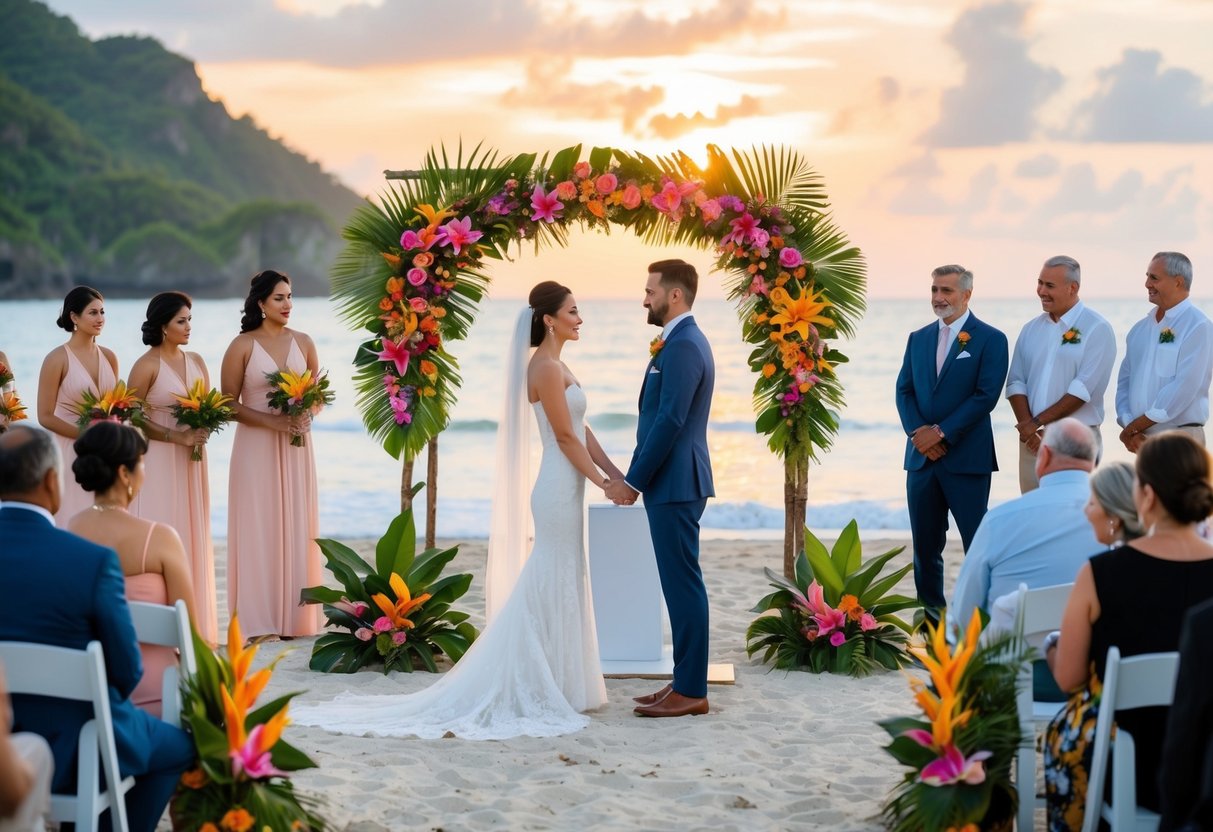
Planning a destination wedding can be exciting and unique. It allows you to create special memories in a beautiful setting. However, there are important aspects to consider for a smooth experience, such as choosing the right venue and managing your guest list.
Choosing a Destination Wedding Venue
When you’re selecting a venue, think about the atmosphere you want. Cozy beach resorts, lush gardens, or historic castles can all set the scene beautifully.
Consider accessibility for your guests. Make sure the venue is easy to reach and has accommodations nearby.
Look into the facilities the venue offers. Check if they provide wedding planning services, catering, or decoration options.
Research local vendors to ensure you can find reliable services for photography, flowers, and more.
Also, pay attention to the weather. Each destination has its peak seasons, which might affect your wedding date. Planning during off-peak times may allow you to save money and avoid crowds while still getting the wedding of your dreams.
Planning for a Smaller Guest List
Destination weddings often mean a smaller guest list, which can be a blessing in disguise. With fewer people, you can focus on spending quality time with your closest friends and family.
Be clear with potential guests about the limitations. Explain that the destination requires a smaller, more intimate gathering. Share your excitement but also emphasize the logistics involved.
Consider sending a personal message or making phone calls to those who won’t be invited. It shows you care about their feelings. You might say something like, “We’re having a small wedding at the beach.” This helps maintain open communication and softens the news.
By planning carefully, you can create a memorable experience for everyone involved.