
How to Tell If Dress Shoes Are Too Big: Key Signs to Look For
Finding the right fit for your dress shoes is important for comfort and style. If your shoes are too big, you may experience slipping or have to adjust your walk, which can lead to discomfort.
To tell if your dress shoes are too big, pay attention to how they feel when you walk. If you find yourself tightening the laces just to stay secure, they are likely too wide for your feet.
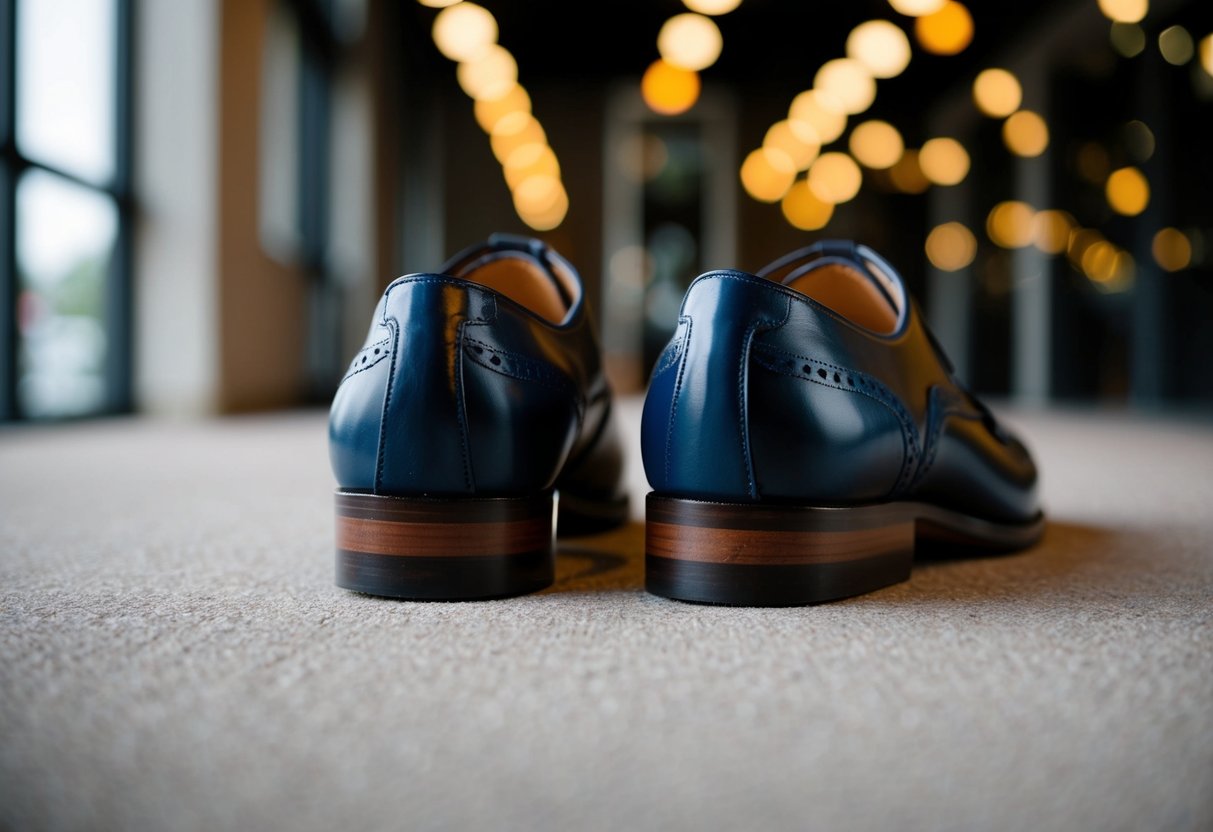
You might also notice that your heel comes out of the shoe and there is excessive space at the toe. These signs can make it clear that it’s time to reassess your shoe size.
By understanding how to recognize these common fit issues, you can ensure that your dress shoes provide the comfort and support you need for any occasion.
Let’s explore the key signs that your dress shoes may not fit properly, so you can step out in confidence and style.
Understanding Shoe Fit and Sizing
Finding the right fit for your dress shoes is important for comfort and health. This section will help you understand how to measure your feet correctly and use shoe size charts to ensure a good fit.
Measuring Your Feet Correctly
To start, it’s essential to measure your feet properly. You’ll need a piece of paper, a pencil, and a ruler.
- Place your foot on the paper and trace around it.
- Measure the longest and widest parts of your foot.
- Repeat this for both feet, as they can be different sizes.
If you have wide feet, consider extra room in your measurements.
When you have both measurements, you can check them against shoe size charts to find your ideal size.
Always measure your feet in the evening, as they tend to swell throughout the day. This helps ensure a better fit with your dress shoes.
Shoe Size Charts and How to Use Them
Shoe size charts show the size you need based on your foot measurements. These charts can vary between brands, so it’s important to refer to the specific chart for the shoes you want.
To use the chart, find your foot length and width:
- Cross-check your measurements.
- If they fall between sizes, it’s often best to go for the larger size for comfort.
Also, remember to consider the type of socks you’ll wear. Thicker socks may require a larger size. For instance, if you’re wearing dress socks, they are usually thinner, while casual socks may be bulkier.
This knowledge helps you buy properly fitted shoes for comfort and style.
Signs That Your Dress Shoes Are Too Big
When your dress shoes are too big, they can cause discomfort and affect your posture. There are clear signs to look for that help you determine if your shoes do not fit properly.
Heel Slippage and Movement
One of the biggest signs that your dress shoes are too big is heel slippage. If your heel comes up and down in the shoe while walking, it means there is excess room. This can lead to blisters and discomfort.
To check for heel slippage, walk around in your shoes. If you notice that your heel lifts out of the shoe with each step, they are likely too big.
Ideally, your heel should stay snug against the back of the shoe, allowing for comfortable movement without sliding.
Excess Space in the Toe Box
When you have too much space in the toe box, it can create a loose fit. You should not feel your toes moving around freely inside the shoe.
If you find that the front of your foot can easily slide forward, it’s a red flag.
To check this, try wiggling your toes. If they feel cramped or have extra space to move, the shoes may not be the right fit. A proper fitting shoe should allow slight movement but not excessive freedom.
The Finger Test
The finger test is a simple yet effective way to gauge if your dress shoes are too big. Slide your finger into the back of the shoe while wearing them. If you can easily fit two or more fingers, your shoes are likely too big.
This test helps you evaluate both the length and width. Ideally, you should only be able to fit one finger snugly. If there’s too much room, it’s time to consider a smaller size. This quick check can save you from discomfort in the long run.
Adjusting the Fit of Your Oversized Shoes
Finding the right fit for your oversized dress shoes is important for comfort and support. You can use various methods to help customize your fit. These adjustments will ensure you don’t have to deal with slipping or discomfort while wearing your shoes.
Using Insoles and Inserts for Better Support
Insoles and inserts can work wonders for oversized shoes. You can choose from full insoles for complete foot coverage or half insoles that focus on the front of the shoe.
Adding insoles helps to fill extra space and offers additional cushioning for your feet.
When you try insoles, make sure they’re the right thickness for your shoes. Ball-of-foot pads can help if you need extra support at the front. If you feel your heel slipping, consider adding heel pads for a snugger fit.
This simple change can make a big difference in how your shoes feel.
Padding and Heel Grips to Prevent Slippage
Using padding and heel grips is a practical way to stop your feet from sliding around in too-big shoes.
Heel strips can be placed inside your shoe to create a tighter fit around your heel area. They help keep your foot secured and reduce the chance of blisters.
Additionally, you can use tongue pads to push your foot back for a better fit. This combination of products helps fill empty spaces, making your oversized shoes feel more comfortable.
Always test these methods to find the best combination of padding and grip for your needs.
When to Use Thicker Socks
Wearing thicker socks is another easy solution for oversized dress shoes. If your shoes are only a bit big, pairing them with thick socks can fill out the space.
This method is especially useful in colder weather when you want more warmth and cushioning.
Choose socks made from materials that offer some stretch without being too bulky. This way, they’ll add padding while still fitting comfortably in your shoes.
Just remember to walk around a bit to ensure the fit feels right. This trick can help you enjoy your dress shoes without the hassle of slippage.
Maintaining Foot Health with Ill-Fitting Shoes
Wearing shoes that don’t fit well can lead to various foot problems. It’s important to understand how to prevent discomfort and maintain your foot health, especially when it comes to blisters, calluses, and other issues.
Preventing Blisters and Foot Issues
Ill-fitting dress shoes can cause blisters and pain. Here are some tips to help you avoid these problems:
-
Choose the Right Size: Make sure your shoes allow for a thumb’s width of space at the front. This helps prevent movement that can cause blisters.
-
Use Proper Support: Look for shoes that offer arch support. This can help reduce strain on your feet and prevent conditions like metatarsalgia.
-
Socks Matter: Wear moisture-wicking socks to keep your feet dry. This can reduce friction, helping to prevent blisters and corns.
-
Check for Foot Corns and Calluses: If you notice any, consider adjusting your shoe choice. These can develop when shoes rub against your feet too much.