
In What Order Do People Walk Down the Aisle? A Guide for Wedding Processions
Planning your wedding day involves many details, and one important aspect is the order of the wedding procession. Typically, the order starts with the parents of the couple, followed by the wedding party, and ends with the couple themselves. Knowing the sequence can help create a smooth and beautiful ceremony.
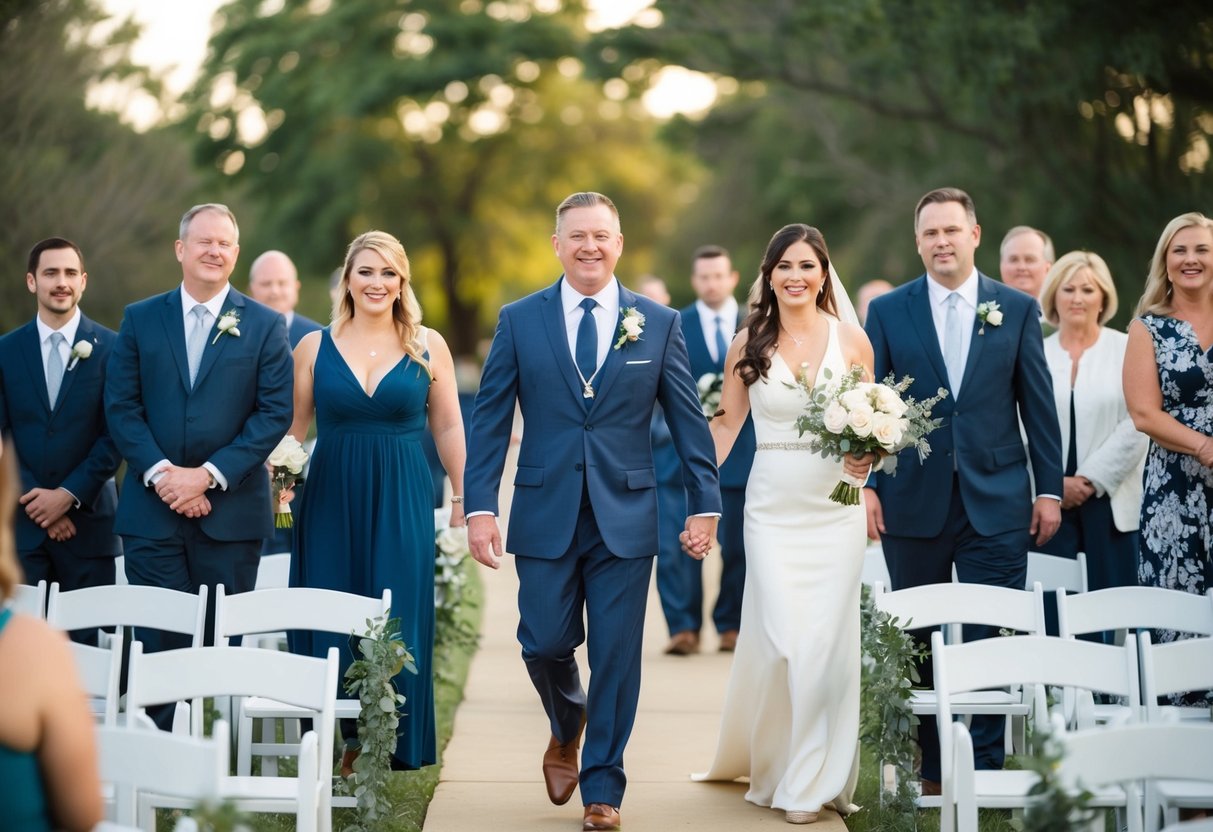
As you think about walking down the aisle, keep in mind that each couple might personalize their processional to fit their style. You might be interested in traditional models where bridesmaids and groomsmen walk down together or individually. Each choice adds a unique touch to your special day.
Make sure to communicate with your officiant and wedding planner about your chosen order. This will ensure that everyone knows their role in the ceremony, making your wedding day go off without a hitch. With the right plan in place, walking down the aisle can be a truly memorable moment.
The Basics of Wedding Processional Order
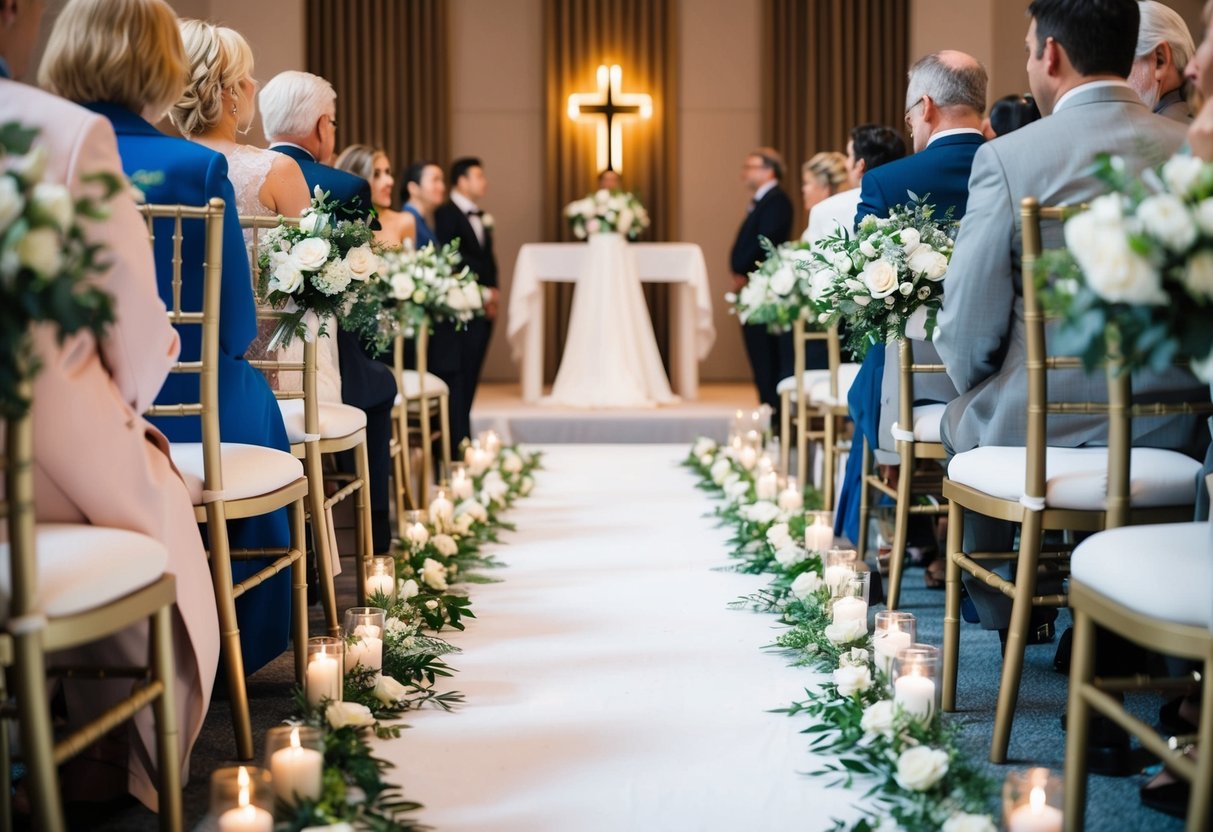
The order in which people walk down the aisle sets the stage for your wedding ceremony. Understanding this sequence is essential for a smooth flow and to honor traditional roles and customs.
Understanding the Processional
The processional is the moment when the wedding party makes their way down the aisle, signaling the start of the ceremony. This order can vary based on cultural and religious traditions.
In a Christian wedding processional, the officiant typically enters first, followed by the groomsmen and bridesmaids. The Maid of Honor walks just before the bride, who is often the last to make her entrance.
For a Jewish wedding processional, both sets of parents may walk down first, followed by the bridal party. The bride is traditionally escorted by both parents. In a Hindu wedding processional, the groom often makes a grand entrance, followed by the bride.
Roles in the Processional
Each person in the processional has a specific role. Here’s a brief look at who walks when:
- Officiant: Enters first to get ready for the ceremony.
- Groomsmen: Usually walk in pairs or singly, escorting bridesmaids.
- Bridesmaids: Follow the groomsmen, walking in a similar manner.
- Flower Girl: Comes down before the bride, often scattering petals.
- Ring Bearer: May walk alongside the flower girl, carrying the rings.
- Maid of Honor: The last to walk before the bride, sometimes with the Best Man.
In a nondenominational wedding processional, you can customize this order to fit your style. Feel free to mix elements from different traditions to make your ceremony uniquely yours!
Traditional and Cultural Variations
When planning your wedding, it’s important to understand how different cultures and traditions influence who walks down the aisle and in what order. Here are some common practices you might encounter in Christian, Jewish, and Hindu weddings.
Christian and Catholic Wedding Processions
In Christian weddings, the processional often begins with the officiant, followed by the groom and his groomsmen. Next, the bridesmaids walk down the aisle in pairs. The maid of honor usually walks last, making way for the bride.
In a Catholic ceremony, the processional can include additional elements. Here, you may see candles or a formal entrance song. The bride is often escorted by her father or a significant adult figure, emphasizing a moment of tradition and significance.
This structure highlights the importance of family and faith in the ceremony.
Jewish Wedding Processional Orders
Jewish weddings have unique customs, notably the use of a chuppah. The chuppah is a canopy symbolizing the couple’s new home together. The processional typically starts with the groom’s parents walking down the aisle, followed by the groom.
Next, the bride usually walks in, often accompanied by both parents. This inclusion represents the support of both families. Once the couple reaches the chuppah, a Rabbi will conduct the ceremony, which is rich in tradition.
The procession reflects the values of family and community in Jewish culture.
Hindu Wedding Procession Details
In Hindu weddings, the processional order is dynamic and colorful, starting with the baraat, the groom’s procession. This lively celebration often includes music, dancing, and a joyful atmosphere as they approach the venue.
The bride’s entrance follows, typically through a mandap, the decorated structure for the ceremony. She may be accompanied by her parents. As she walks, her family may shower her with flowers, signifying blessings.
This procession emphasizes joy and the coming together of two families. The rituals involved make it a memorable part of the celebration.
Executing the Perfect Walk Down the Aisle
The walk down the aisle is a special moment that sets the tone for your wedding. Getting the sequence right, creating a musical atmosphere, and coordinating with your wedding party are essential for a smooth experience. Let’s explore key details to ensure everything goes perfectly.
Sequence and Pacing
The order of who walks down the aisle is called the wedding processional. Typically, this follows a structured format, but you have the freedom to personalize it based on your desires.
A common sequence includes:
- Officiant
- Groom and Best Man
- Bridesmaids and Groomsmen
- Flower Girl and Ring Bearer (if applicable)
- Bride and Parent(s)
Be sure to coordinate the pacing. You want to maintain a comfortable speed. Walking too fast may feel rushed, while moving too slowly can create awkward pauses. Practice during your wedding rehearsal to find the right rhythm, allowing guests to appreciate the moment.
Musical Atmosphere
Music plays a big role in setting the mood. Choose the right wedding processional music to match the feel of your ceremony. Traditional options include the Bridal Chorus and Canon in D.
You can also opt for nondenominational ceremony music that resonates with you both.
Consider having a prelude to welcome guests. As your wedding party walks down the aisle, select a grand entrance song that fits your style. After the ceremony, don’t forget a postlude to celebrate your new beginning as a couple.
Coordination and Rehearsals
Good coordination can make or break your aisle walk. Hold a wedding rehearsal to align everyone’s roles. This helps everyone feel comfortable with the wedding procession order.
Use a printable wedding processional order template to visualize the lineup. Make sure each member knows when and where to stand.
Discuss important details, like when the music starts and the cue for walking. Practice it multiple times so everyone can adjust. This effort ensures a seamless, joyful experience on your big day!
Family and Honored Guests’ Involvement
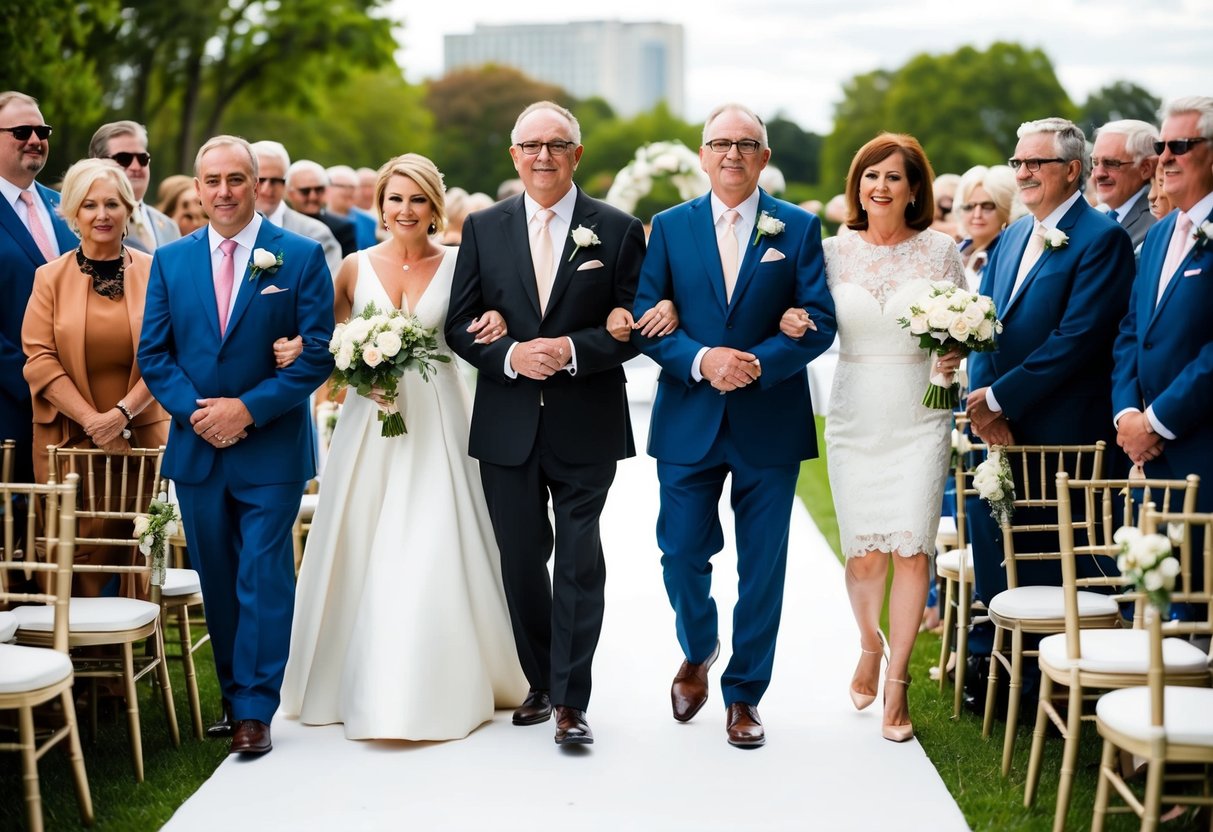
Family members and honored guests play a significant role in the wedding processional. Their participation helps set the scene for the ceremony and highlights the importance of family in your lives.
Inclusion of Family Members
Family members are often among the first to walk down the aisle. Typically, the procession starts with the grandparents. They may walk together or be escorted by parents or ushers.
Next, the parents of the couple follow. The mother of the bride usually walks down the aisle with grace, often accompanied by a family member. Then, the father of the bride may walk her down the aisle to symbolize support and love.
Having immediate family involved creates a strong emotional connection. Plus, it allows guests to recognize the loved ones who have helped shape your lives.
Roles of Children in the Processional
Children hold special roles in the wedding processional that add charm and joy to the event. The flower girl, often a young relative or family friend, usually walks down the aisle right before the bride. Her task is to scatter petals, creating a lovely path.
The ring bearer follows, typically holding the wedding rings on a pillow. This role can also include young family members, emphasizing their importance to your union. Sometimes, the flower girl and ring bearer walk together to symbolize their roles in your ceremony.
Including children makes the processional feel more personal and festive. It reflects the hope and joy of the celebration, creating lasting memories for everyone.
Special Considerations for Ushers
Ushers play a vital part in the processional. Their main task is to guide guests to their seats before the ceremony begins. This ensures everyone is settled before the event starts, making it smooth for the bride and groom.
Ushers usually consist of close friends or family members. They should be friendly and approachable, creating a welcoming atmosphere.
In some cases, ushers may also escort the bridesmaids and groomsmen down the aisle. This helps to create a flowing and organized processional. By carefully planning this, you ensure the focus remains on the couple as they prepare to exchange vows.