
In What Order Does Family Walk Down the Aisle? A Simple Guide for Your Wedding Day
When planning your wedding, you need to understand the order in which family members walk down the aisle. The traditional order often begins with the officiant, followed by the groom’s parents, then the mother of the bride, and the wedding party. Knowing this can help you create a lovely atmosphere as friends and family come together to celebrate your special day.
Each couple may have their own preferences, and this order can vary based on cultural traditions or personal choices. It’s a good idea to communicate with your family and wedding planner to ensure that everyone is comfortable and clear about their roles in the procession.
As you go through your wedding planning, take the time to think about who you want to include and how you envision the moment when everyone walks down the aisle. This thoughtful consideration will make your wedding ceremony even more meaningful.
Planning the Processional Order

When planning your wedding’s processional order, it is important to blend tradition with your personal style. Understanding traditional roles and considering modern weddings can help you create a memorable experience for you and your guests.
Understanding Traditional Roles
In a traditional wedding processional order, specific family members enter at set times. Typically, the officiant walks in first, followed by the groom’s family, then the bride’s family.
A common sequence includes:
- Groom’s parents: They usually sit in the front rows.
- Bridesmaids and groomsmen: Often walk in pairs.
- Maid of honor: She walks last among the bridesmaids.
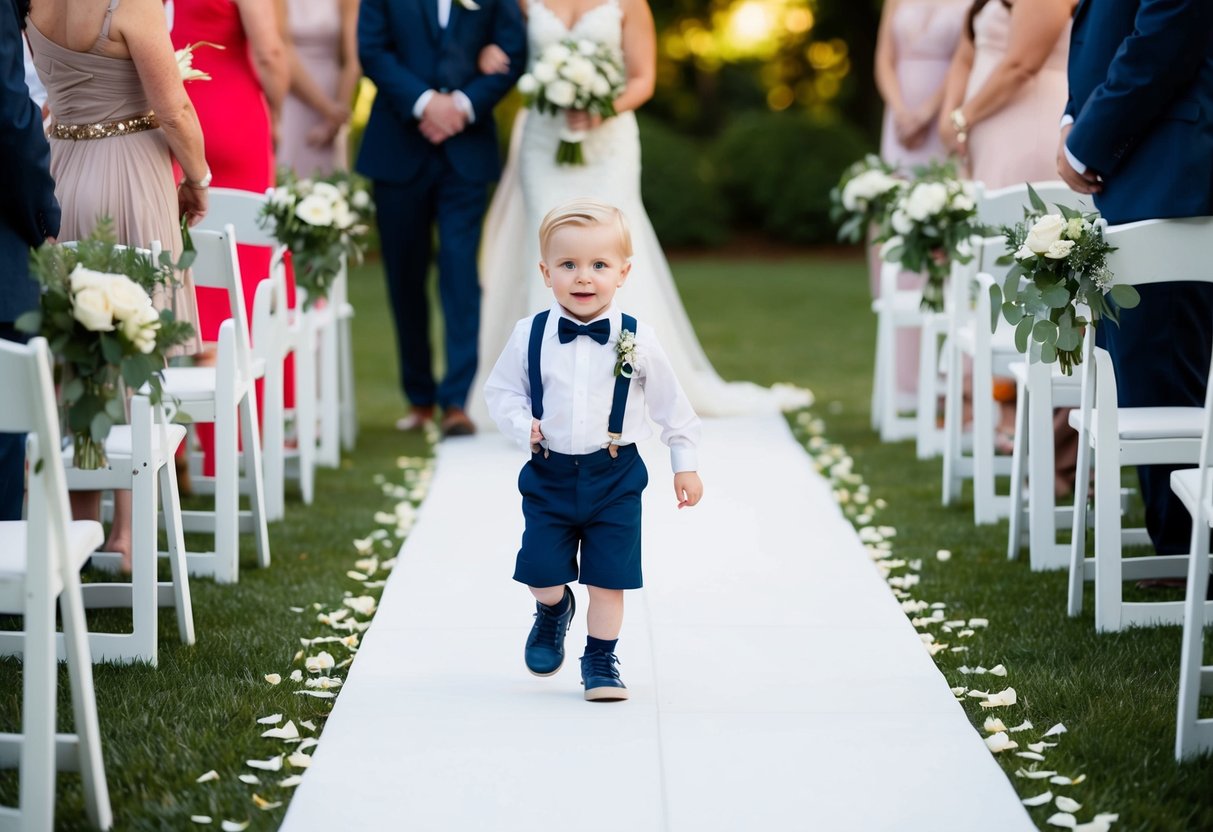
- Flower girl and ring bearer: These little ones come next.
It’s essential to have a clear plan. You might want to conduct a wedding rehearsal to ensure everyone knows their roles.
Considerations for Modern Weddings
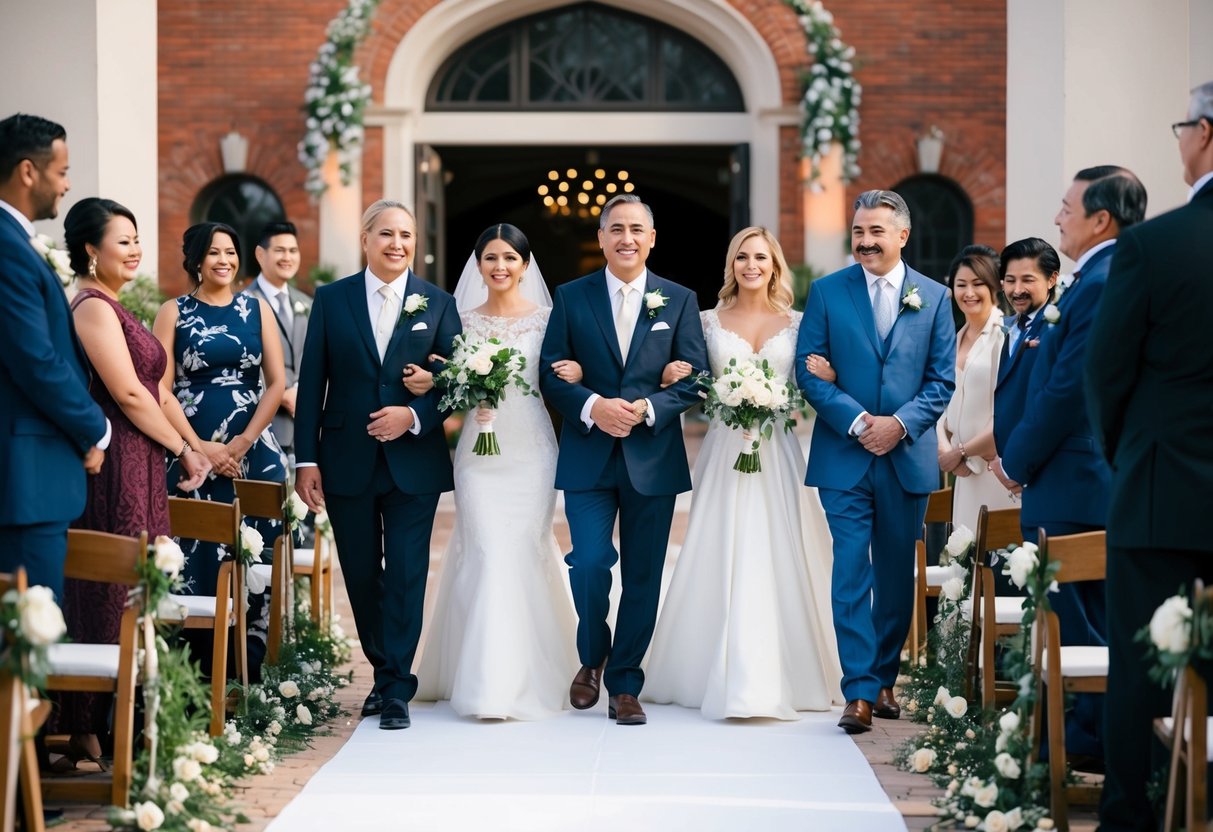
Modern weddings often deviate from traditional roles. Many couples prioritize personal preferences over established norms. This can allow for unique entries, like both partners walking down the aisle together or non-traditional family members taking part.
Consider the following when planning your order:
- Cultural Traditions: Some families have specific customs to follow.
- Personal Comfort: Choose family members who make you feel at ease.
- Wedding Planner Input: A wedding planner can provide valuable guidance on logistics.
Think about what matters most to you and how your loved ones fit into this special moment.
Roles and Entrances

Getting the order of family members right in the wedding processional is key. Each role holds significance and adds to the beauty of the ceremony. Below, you will find details about the various roles and who typically walks down the aisle first.
The Role of the Officiant
The officiant is usually the first person to enter the ceremony space. This person, who leads the wedding, sets the tone for the event. They can come down the aisle alone or from a side entrance, depending on the venue layout.
Traditionally, the officiant’s arrival marks the beginning of the ceremony. They may stand at the altar, waiting for the wedding party. The officiant also helps direct the processional, signaling when the bridal party is to enter.
Parents and Grandparents’ Entrance
After the officiant, the parents often follow. Typically, the groom’s parents walk down together first. They take their seats on the right side of the venue. Next, it’s the bride’s mother’s turn. She may enter solo or be escorted by a family member, usually sitting in the front row on the left.
Grandparents are often included next, either walking down together or individually. Their presence signifies family support. The overall inclusion of parents and grandparents adds emotional depth to the ceremony.
Wedding Party Procession
Once the family is seated, it’s time for the wedding party to make their entrance. This usually begins with the bridesmaids and groomsmen. Often, they walk in pairs, creating an elegant display.
Typically, the maid of honor follows the bridesmaids, with the best man bringing up the rear. The wedding party is a key part of the processional, representing friendship and support for the couple. They help build excitement as everyone anticipates the arrival of the bride.
The Bride’s Grand Entrance
The bride’s entrance is the most awaited moment in the ceremony. Traditionally, she walks down the aisle last, often with her father. This moment is filled with emotion and symbolizes a significant transition.
The bride’s entrance often features special music, making it memorable. Her choice of dress also plays a vital role, highlighting her unique style. As she approaches the altar, everyone stands, creating a moment of anticipation.
Special Considerations for Diverse Ceremonies
When planning your wedding processional, it’s important to think about the unique traditions that reflect your background. Different cultures and family dynamics can shape how you choose to organize who walks down the aisle.
Religious and Cultural Variances
Your wedding may incorporate specific traditions that influence the processional order. For example, in a Jewish wedding, the groom typically walks down the aisle with both parents before the bride makes her entrance with both parents. In a Hindu wedding, the bride and groom may enter separately, often with their immediate family, highlighting their respective sides.
A Christian ceremony often features the bride walking down with her father, followed by bridesmaids and groomsmen. In nondenominational ceremonies, you have the freedom to bend these rules, celebrating whatever is meaningful for you and your families.
Unique Family Dynamics
Your family situation may also impact the aisle order. For instance, if a parent is no longer present, you might choose a close family member or friend to walk you down the aisle instead. It’s important to honor relationships that mean something to you.
If you have blended families, consider including both sides in the processional. It could involve having both sets of parents walk down together or alternating between family members. This inclusion can create a sense of harmony and support during the ceremony, making it even more memorable for everyone involved.
Ceremony Music and Choreography

The right music adds emotion to your ceremony. It helps set the mood and complements the choreography as family walks down the aisle. Choosing the perfect songs and coordinating movements enhances the whole experience.
Selecting Processional Music
Choosing the right processional music is essential. This song marks the entrance of family and the couple, so it should reflect the tone you want for your wedding.
Consider options like a traditional wedding march, or something more contemporary that resonates with you. Think about songs that evoke emotions—whether joy, nostalgia, or love.
You might also want to include a prelude music segment before the processional. This can welcome guests and fill any silence as they wait for the ceremony to begin.
Make sure to test the volume and acoustics, ensuring everyone can hear the music clearly.
Choreographing the Walk Down the Aisle
Choreography is just as vital as the music. Plan who walks in what order and make sure everyone knows their timing.
Typically, family members like grandparents and parents enter before the wedding party. You want them to feel special, so practice with them.
Consider emotional moments—these can create lasting memories, especially as the mother of the bride walks down the aisle.
Tune in to the music’s rhythm; it helps everyone feel more comfortable. Sometimes, slight pauses at key moments can enhance emotional impact, so be sure to rehearse these parts.
Clear communication is key to ensuring everyone knows their role. A well-coordinated entrance sets a positive tone for the rest of the ceremony.