
In What Order Does Family Walk Down the Aisle? A Guide to Wedding Processional Traditions
Planning a wedding can be exciting, but deciding who walks down the aisle and in what order can feel overwhelming. It’s a special moment filled with emotion, and having a clear order helps make the ceremony flow smoothly. Typically, family members walk down the aisle starting with the officiant, followed by the groom’s parents, the bride’s mother, and then the wedding party.
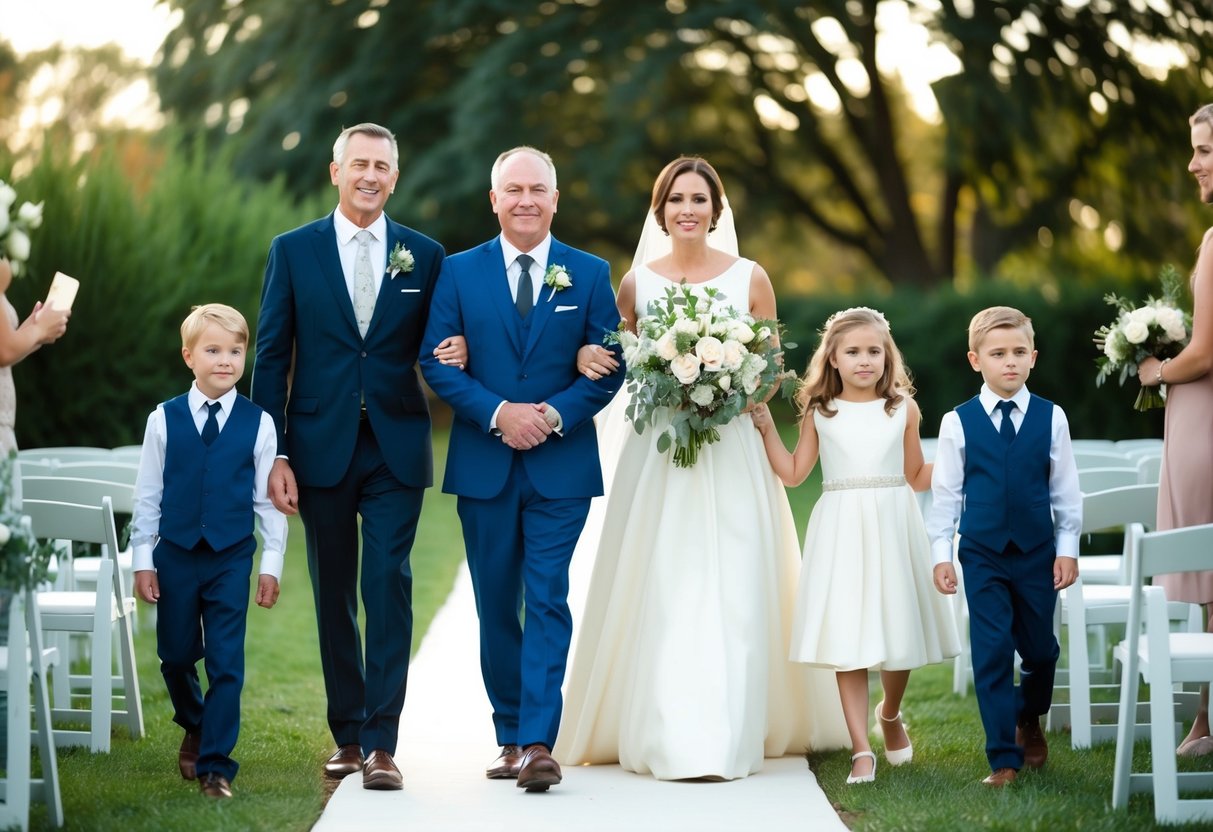
Every couple might choose to personalize this tradition, reflecting their own cultural background or preference. Knowing the traditional order can guide you in making your own decisions. Whether you embrace convention or create your own style, understanding the processional order is key to setting the right atmosphere for your big day.
Understanding the Wedding Processional
The wedding processional is an important moment in your ceremony. It sets the tone and involves specific roles, particularly the officiant. Knowing how to arrange family members can help you create a meaningful experience for everyone involved.
The Role of the Officiant
The officiant is a key figure in the wedding ceremony. This person typically enters first in the processional order. Their presence symbolizes the start of the ceremony. You may see them walk down the aisle alone or accompanied by someone special. After the officiant, the entrances usually follow a traditional pattern, with family members and the bridal party coming down the aisle.
This helps establish the atmosphere and allows guests to witness the procession-building excitement for the main event.
Significance of the Processional Order
The processional order is crucial in making your ceremony flow smoothly. It reflects family dynamics and traditions, allowing guests to feel included in your special day. The order often starts with close family members. For example, grandparents walk down first, followed by parents. After that, the bridal party, including bridesmaids and groomsmen, takes their turn. You can personalize this order to suit your preferences.
Understanding this process can help you decide how you want your day to unfold, ensuring that it feels right for you and your loved ones.
Traditional Wedding Processional Order
The traditional wedding processional order includes special roles for each member of the family and wedding party. Understanding who walks in which order can help make your ceremony flow smoothly and ensure everyone feels included.
Grandparents’ Entrance
The ceremony usually begins with the entrance of the grandparents. They hold a respected place in the family, so it’s nice to honor them first. Grandparents typically walk down the aisle together or, if needed, separately. You might want to arrange for someone to escort them if they need assistance. As they walk in, guests can show their respect with smiles or gentle applause. This sets a warm, loving tone for the rest of the ceremony.
Parents of the Groom and Bride
Next, the parents of the groom and bride take their places. Traditionally, the bride’s mother walks down the aisle first, following by the groom’s parents. This moment is significant as it signifies the families coming together. You can choose to have them walk alone or paired up. It’s often touching to see the pride in their expressions as they support you on this special day.
Groom and Best Man’s Entrance
After the parents, the groom and his best man enter the ceremony. Typically, the groom walks in alone, taking his place at the front. The best man usually enters right after him. This part of the processional sets the stage for the vows. You may want to think about the music playing during this entrance, as it can enhance these meaningful moments.
Bridesmaids, Groomsmen, and Flower Girls
Following the groom, the bridesmaids and groomsmen walk down the aisle. They often walk in pairs, starting with the bridesmaids and groomsmen alternating. Flower girls usually precede them, creating a charming spectacle as they scatter petals. You can decide how many bridesmaids and groomsmen you want. This portion of the processional adds color and joy to the ceremony.
Maid or Matron of Honor and Ring Bearer
Next up is the maid or matron of honor. Typically, she walks alone, followed closely by the ring bearer. The ring bearer may carry a small pillow or a special box with the rings inside. This is often a cute moment, especially if it’s a young child. It highlights the importance of the rings for your upcoming vows.
Bride and Father of the Bride’s Grand Entrance
The grand entrance is reserved for the bride. She typically walks in with her father, symbolizing the support of her family. You might choose to have both parents walk you down if you prefer. This moment is often the most emotional, capturing everyone’s attention. As you approach the altar, you can feel the excitement and love in the air, making it a highlight of the day.
Cultural Variations in Wedding Processional Orders
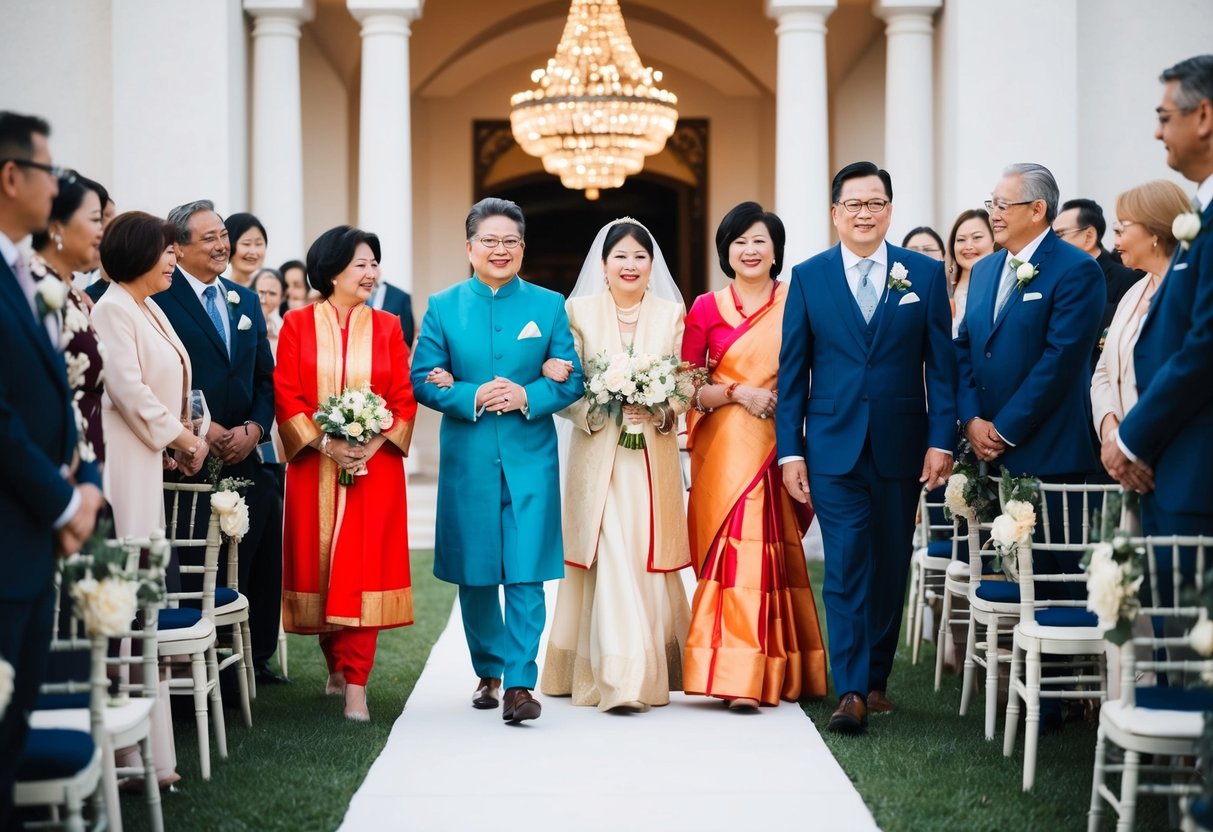
Wedding processional orders can differ greatly based on cultural traditions and personal choices. Each culture has its unique way of organizing the important moment when family members walk down the aisle. Understanding these variations can help you decide what fits your ceremony best.
Christian Wedding Processional Order
In Christian weddings, the processional typically begins with the officiant entering first, followed by the bridesmaids and groomsmen. The maid of honor usually walks in just before the bride, who is often escorted by her father or another significant family member. This order emphasizes the bride’s entrance as the focal point of the ceremony. Many choose traditional hymns or music during this time to enhance the emotional atmosphere.
Jewish Wedding Processional Order
In a Jewish wedding, the processional often includes unique customs. The groom may enter first, followed by his parents. Next, the bride walks down the aisle with both parents, usually under a chuppah (wedding canopy). The combination of family involvement and the symbolism of the chuppah highlights the importance of family and community in Jewish culture.
Hindu Wedding Processional Order
Hindu weddings are vibrant and full of tradition. The groom traditionally arrives first, marking the beginning of the ceremony with a procession known as the baarat. He may ride on a horse or arrive in a decorated vehicle. Typically, the order is:
- Groom (with his family)
- Bride (with her family)
The bride often walks down the aisle with her brothers or relatives, creating a beautiful picture of family unity. Rituals and songs accompany the processional, adding to the festive atmosphere.
Modern Variations and Personal Preferences
In recent years, many couples have embraced modern variations of the wedding processional. Some choose a non-traditional order or even opt for a joint entrance. This allows flexibility to suit personal preferences and family dynamics. Common choices include:
- Both partners walking together
- Favorite relatives escorting the couple
- Creative music choices
This approach allows for unique options that can personalize your ceremony while still respecting cultural aspects if desired.
Key Elements for a Seamless Ceremony
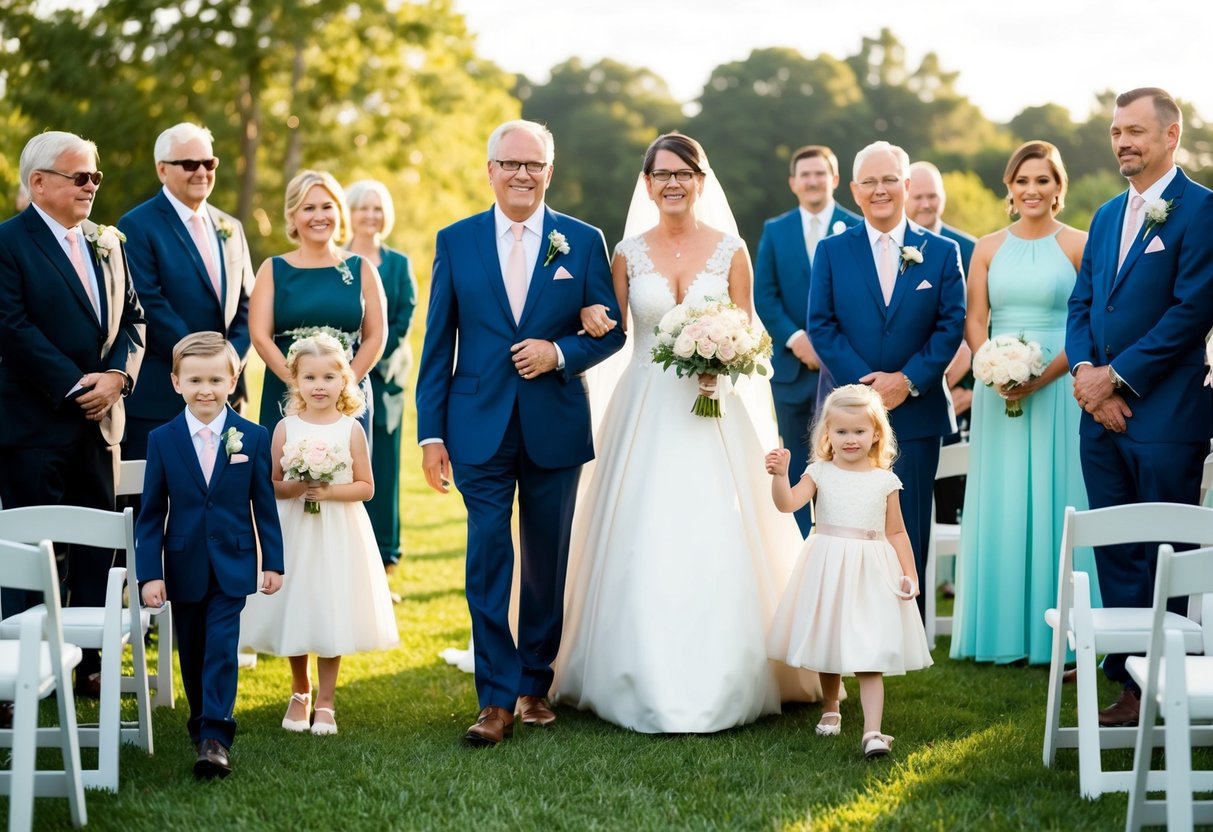
Creating a smooth and memorable ceremony involves careful attention to several key elements. From picking the right music to coordinating with your wedding planner and finalizing details during the rehearsal, everything plays a crucial role in ensuring the day goes off without a hitch.
Choosing the Perfect Wedding Processional Song
The right wedding processional song sets the tone for the ceremony. Consider songs that evoke happy memories or represent your relationship. You might want to choose something classic or modern, depending on your style.
Tips for selecting your song:
- Think about the mood you want: joyful, romantic, or sentimental?
- Listen to a few options with your partner and narrow it down to favorites.
- Ensure the length matches the time needed for family to walk down the aisle.
Discuss your selections with your wedding officiant to ensure everything flows smoothly.
Coordinating with the Wedding Planner
Your wedding planner will be invaluable in creating a seamless ceremony. Share your vision and preferences with them to align all elements of the day. Clear communication is key.
Things to cover with your planner:
- Ceremony layout and timing.
- Special moments you want to highlight.
- Who will assist with the processional and where everyone will sit.
Your planner can help manage engaging emotional moments, ensuring they are captured beautifully.
Finalizing Details at the Wedding Rehearsal
A wedding rehearsal is crucial for smoothing out any potential issues. This practice run allows everyone to understand their roles, from the officiant to family members walking down the aisle.
During the rehearsal, focus on:
- Timing for each person walking down the aisle.
- What to do if there are unexpected changes.
- Moment cues for music and any readings.
Use this time to adjust any details needed for your ceremony to feel effortless and heartfelt.