
Industrial Wedding Venue Baltimore: Spaces and Planning Tips
An industrial wedding venue in Baltimore gives you historic character, open layouts, and room to host your ceremony and reception in one memorable setting. Across Maryland, converted mills and warehouse-style spaces pair exposed brick and timber with flexible event space, so you can shape the day around your guest list and style.
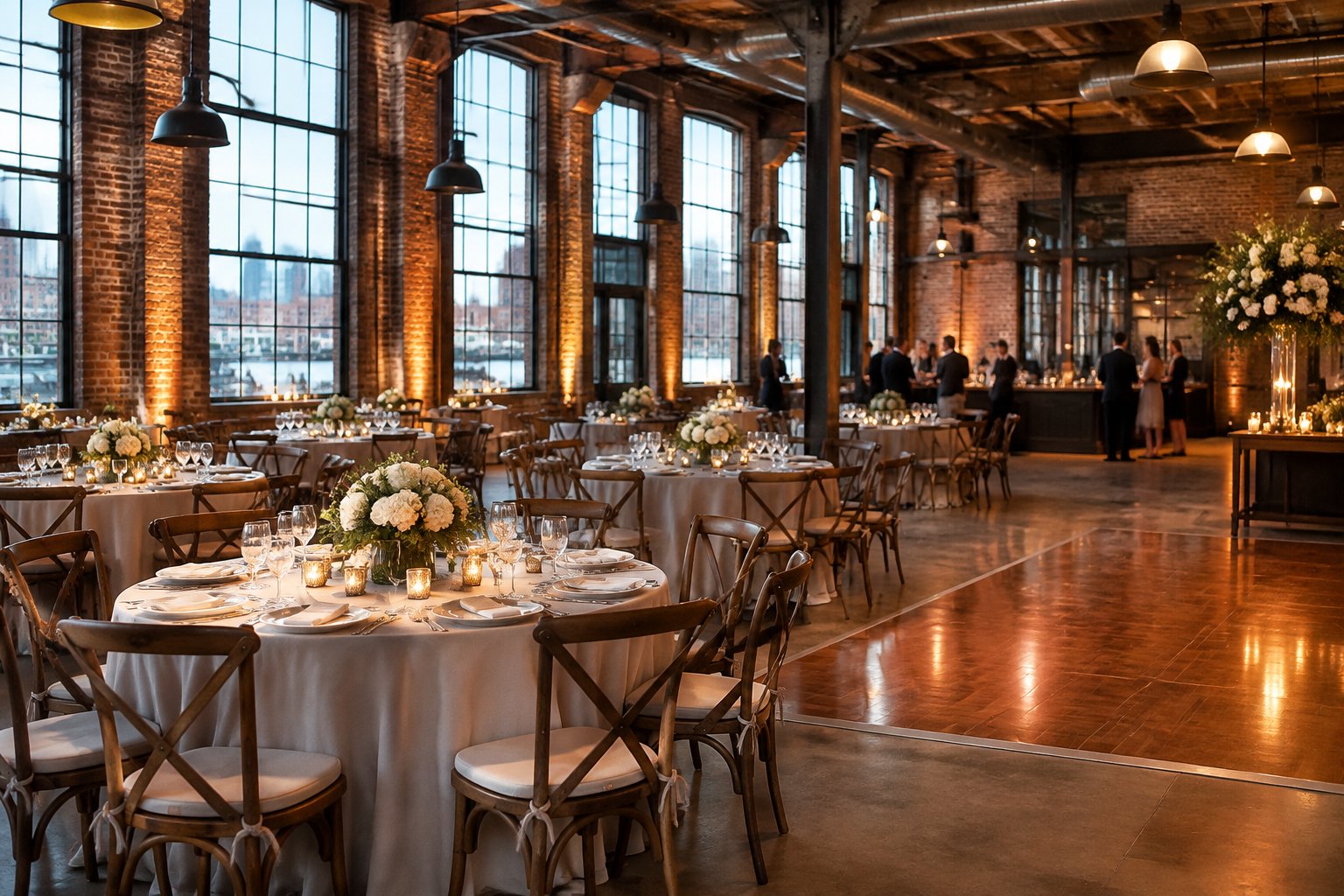
You can bring warmth to the raw architecture with soft lighting, flowers, and personal details, or let the building’s original features set the mood. Once you have a guest count and date range, contact your favorite venue to arrange a tour and see how the rooms work for your plans.
What Makes Baltimore’s Industrial Venues Distinctive?
Baltimore’s industrial venues stand out for their historic buildings, textured materials, and adaptable layouts. From downtown Baltimore to the Jones Falls corridor, you can find event spaces that blend the city’s working history with modern event needs.
Warehouse Character and Flexible Event Space
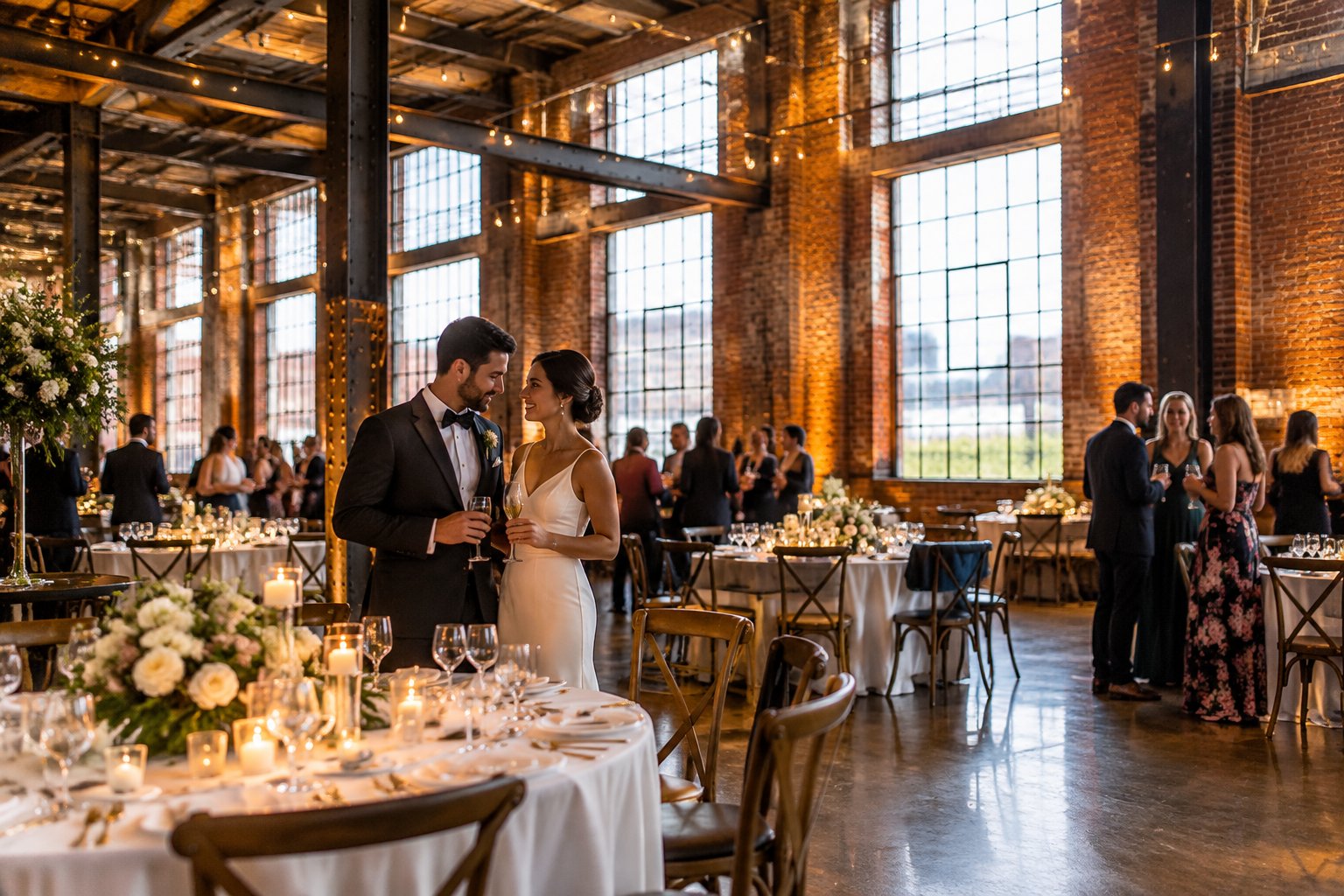
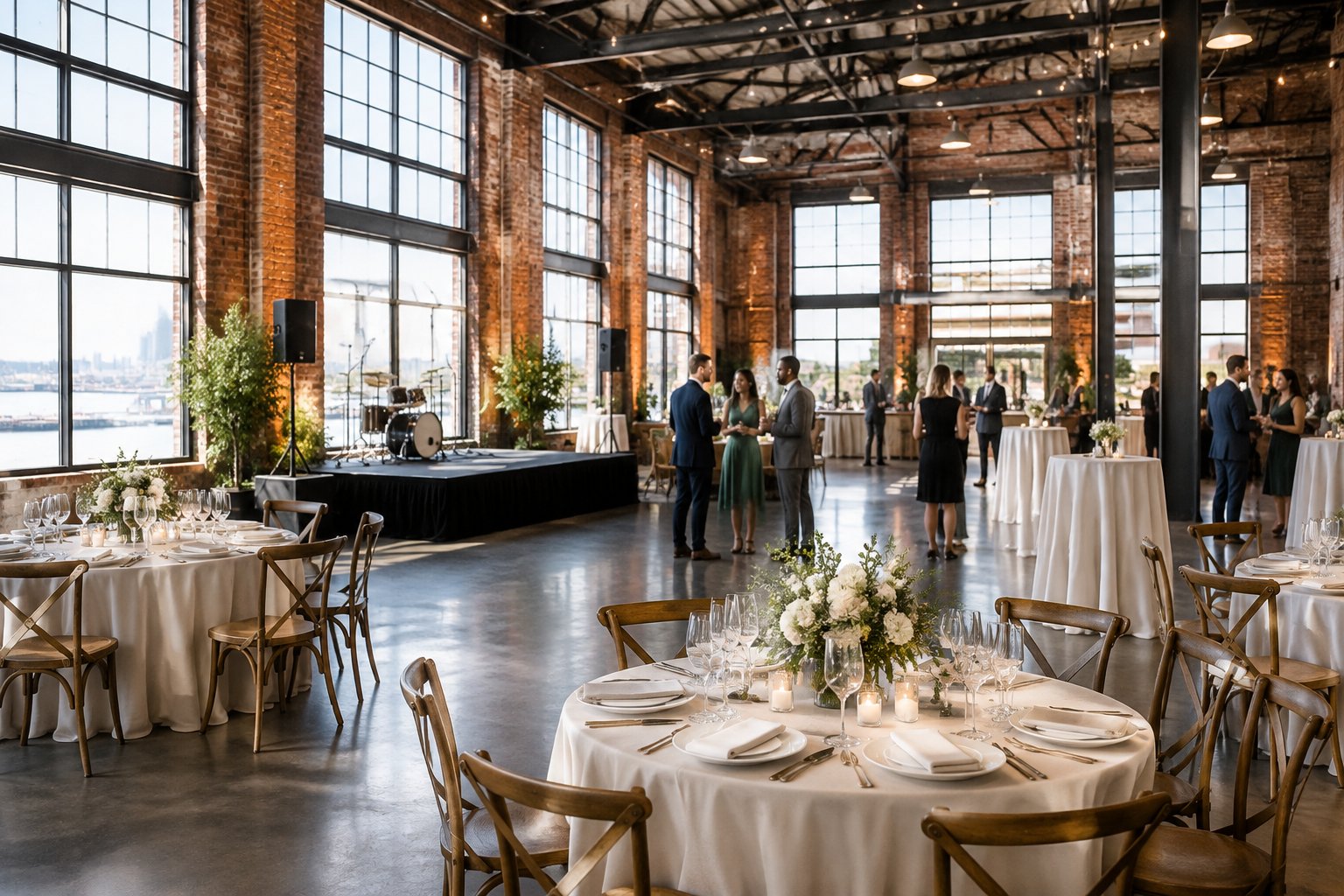
A warehouse-style event venue gives you a striking backdrop with practical room to customize. Exposed brick, steel beams, tall windows, and high ceilings bring visual detail to the space, while an open floor plan lets you arrange seating, a dance floor, and dining tables to suit your event.
You can keep the look simple with warm string lights and neutral table linens, or add colorful flowers and bold signs. Some venues also include built-in bars or separate rooms for cocktails, which helps you give guests different places to gather. For more design inspiration, browse these industrial wedding table decoration ideas.
Historic Mill Settings Along Jones Falls
Historic mill settings near Jones Falls connect your celebration to Baltimore’s industrial past. The Mt. Washington Mill Dye House, for example, has exposed brick, wood-beamed ceilings, a cocktail room, and a stone courtyard. In the Jones Falls Valley, The Loom at Meadow Mill pairs open-concept space with large windows and an exterior courtyard.
As you tour a mill or warehouse, ask which architectural details are original and which areas will be part of your rental. That helps you plan where to hold the ceremony, welcome guests, and set up dinner.
Which Spaces Can You Choose From?
Industrial venues offer a range of indoor and outdoor layouts, from a large ballroom-style room to connected reception spaces and courtyards. Check how each area fits your guest count and the activities you want to include.
Ballroom and Open-Plan Layouts
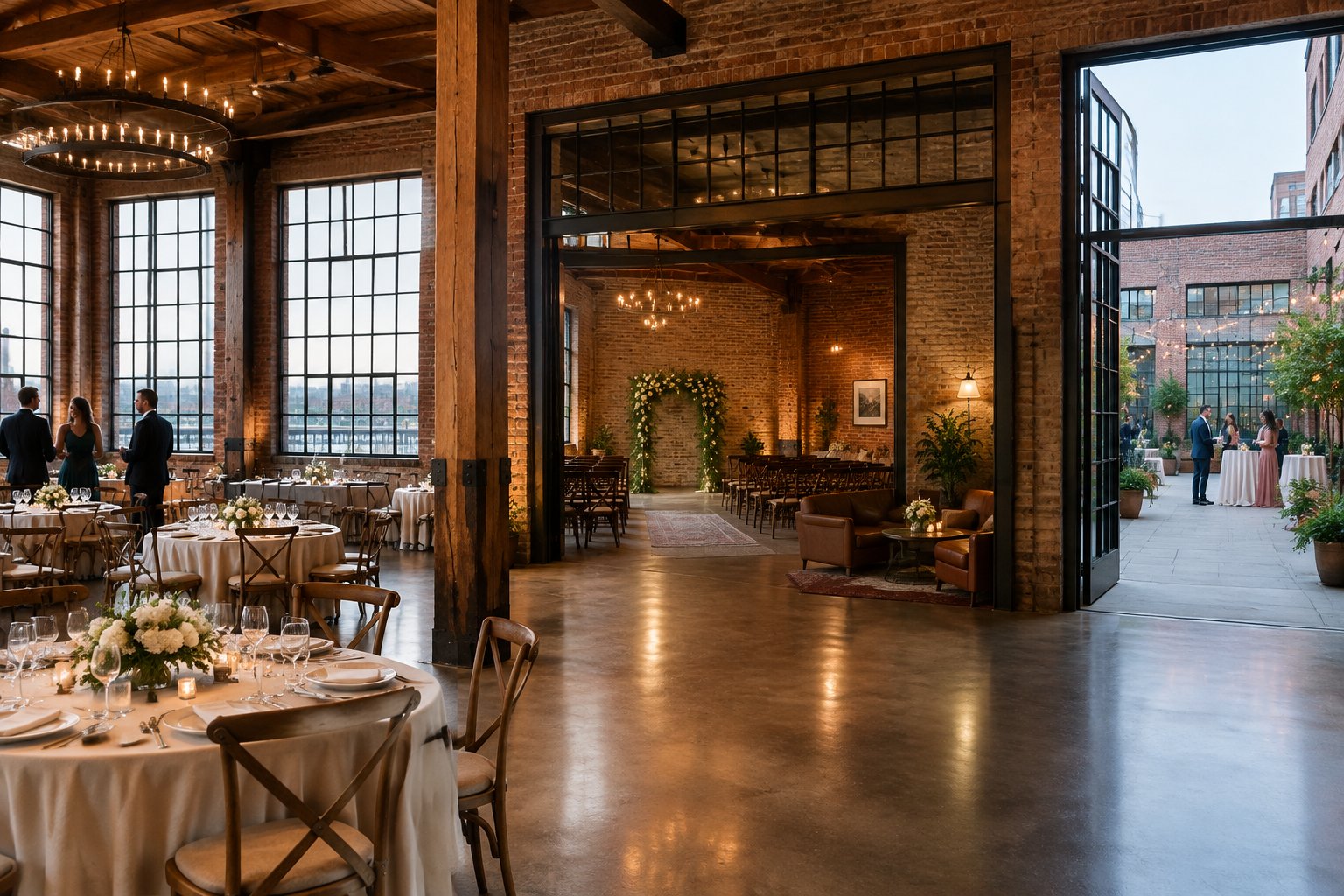
A ballroom or open-plan room can bring your ceremony, meal, and dancing together in one setting. You can use the same floor for multiple parts of the day, with a change in furniture or lighting to shift the mood from vows to dinner.
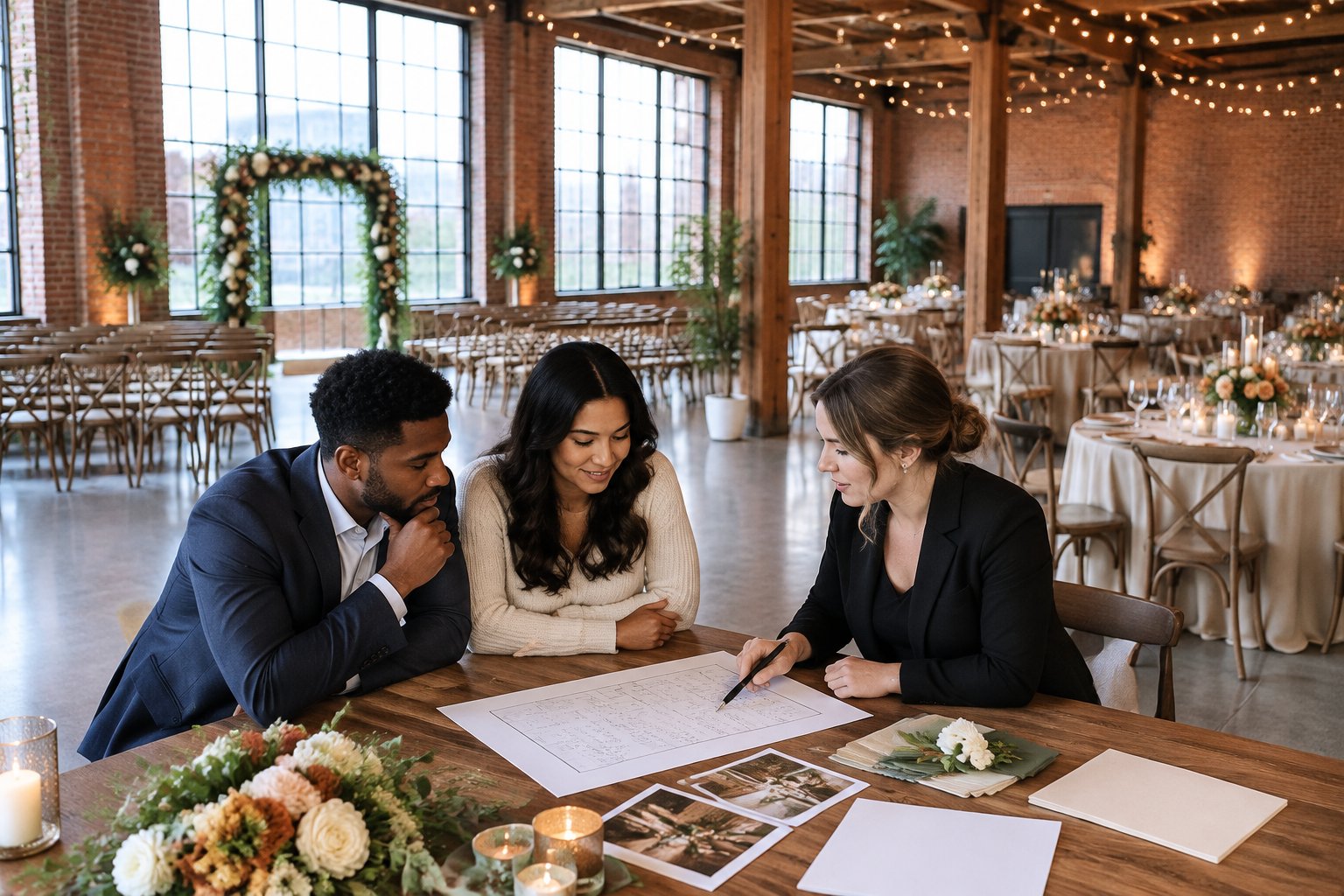
Ask for a floor plan showing tables, aisles, the dance floor, and any stage or bar. A room’s maximum capacity may differ by setup, so confirm the seated dinner count you need and whether that layout leaves space for guests to move comfortably.
Terraces, Patios, and Outdoor Areas
A terrace, patio, or courtyard gives guests an outdoor spot for a ceremony, cocktail hour, or a quiet break. Some Baltimore venues connect these areas to indoor rooms, making it easier to move between spaces during the event.
Ask how the venue handles rain, heat, and cold, and whether outdoor furniture or lighting is included. If you plan to use an outdoor area for vows, confirm where guests will sit and how the room will be reset for dinner.
How Do You Plan a Wedding Ceremony and Reception?
A well-planned wedding venue layout gives your guests a clear path from arrival to the last dance. Set the room sequence early, then coordinate furniture, timing, and decor with the venue team.
Creating a Smooth Flow From Ceremony to Wedding Reception
Start by mapping the guest journey: entrance, ceremony seating, cocktail area, dinner tables, and dance floor. If you plan to hold both the ceremony and wedding reception in the same building, ask who moves chairs and tables and how much time the reset takes.
Share the schedule with your planner, caterer, and venue contact so everyone knows when each room is needed. A wedding ceremony checklist can help you track details such as the processional order, sound checks, and seating needs. You can also ask what a wedding venue manager does so you know who will be on site to answer questions during setup.
Styling Brick, Timber, and High Ceilings
Use the venue’s existing materials as part of your design. Brick and timber pair well with soft fabric, greenery, and warm lighting, while tall ceilings give you room for suspended lights or hanging decor if the venue permits it.
Ask about wall attachment rules, lighting controls, and decor limits before ordering rentals. For a personal touch, use table numbers or place cards that complement the building’s industrial details without covering them.
What Other Events Can These Venues Host?
Baltimore’s industrial spaces can host special events beyond weddings, including business gatherings and private celebrations. Their flexible layouts give you options for daytime meetings, seated dinners, and evening parties.
Corporate Gatherings and Conferences
For conferences, workshops, and nonprofit events, you can use an open room for presentations and rearrange the setup for networking or a meal. Ask about microphones, screens, Wi-Fi, and the room’s layout options before you confirm the booking.
The Winslow offers multiple spaces and flexible floor plans for daytime meetings, lectures, and fundraising events. If you expect guests from across the region, ask about arrival instructions and on-site parking.
Private Celebrations and Holiday Parties
A historic venue can give birthdays, anniversaries, holiday parties, and other private celebrations a distinctive setting. You can use one room for dinner and dancing or combine connected spaces for a reception with separate areas for food and conversation.
Confirm which services are included in the rental and which you need to arrange, such as catering, bar service, furniture, or cleanup. If your event includes a program or speeches, ask about sound equipment and the best place for guests to gather.
What Should You Check Before Booking?
Before you book, confirm the venue’s event capacity, rental inclusions, total price, and access details. A written proposal and an in-person tour help you compare spaces on the same terms.
Guest Capacity, Catering, and Included Amenities
Ask for capacity figures for your specific setup, including ceremony seating, dinner, and dancing. At the Mt. Washington Mill Dye House, the published capacity varies by room and event style, so make sure your guest count matches the layout you plan to use.
Review the rental list for tables, chairs, setup time, a venue manager, and kitchen access. Ask whether you can select your own caterer or must choose from an approved list, and confirm any rules for alcohol service. If you’re comparing package options, use this guide to all-inclusive wedding venues in Baltimore to help frame your questions.
Pricing, Parking, and Venue Tours
Request an itemized quote that lists the rental period, staffing, setup, cleanup, and any service fees. Compare the full amount with your event budget; a guide to what wedding venues cost can help you prepare questions for each venue.
During your tour, check the parking plan, guest entrance, restrooms, and distance between rooms. Ask to see the spaces in the layout you intend to use, and confirm the available setup and breakdown times before signing.