
Industrial Wedding Venues Zimbabwe: Spaces and Planning Tips
For industrial wedding venues Zimbabwe offers a mix of warehouse-style halls, former workshops, and modern event spaces where exposed brick, steel, and open layouts set the scene. Your venue choice also shapes practical details, from power and guest access to the rentals you need to make a bare space feel ready for a celebration.
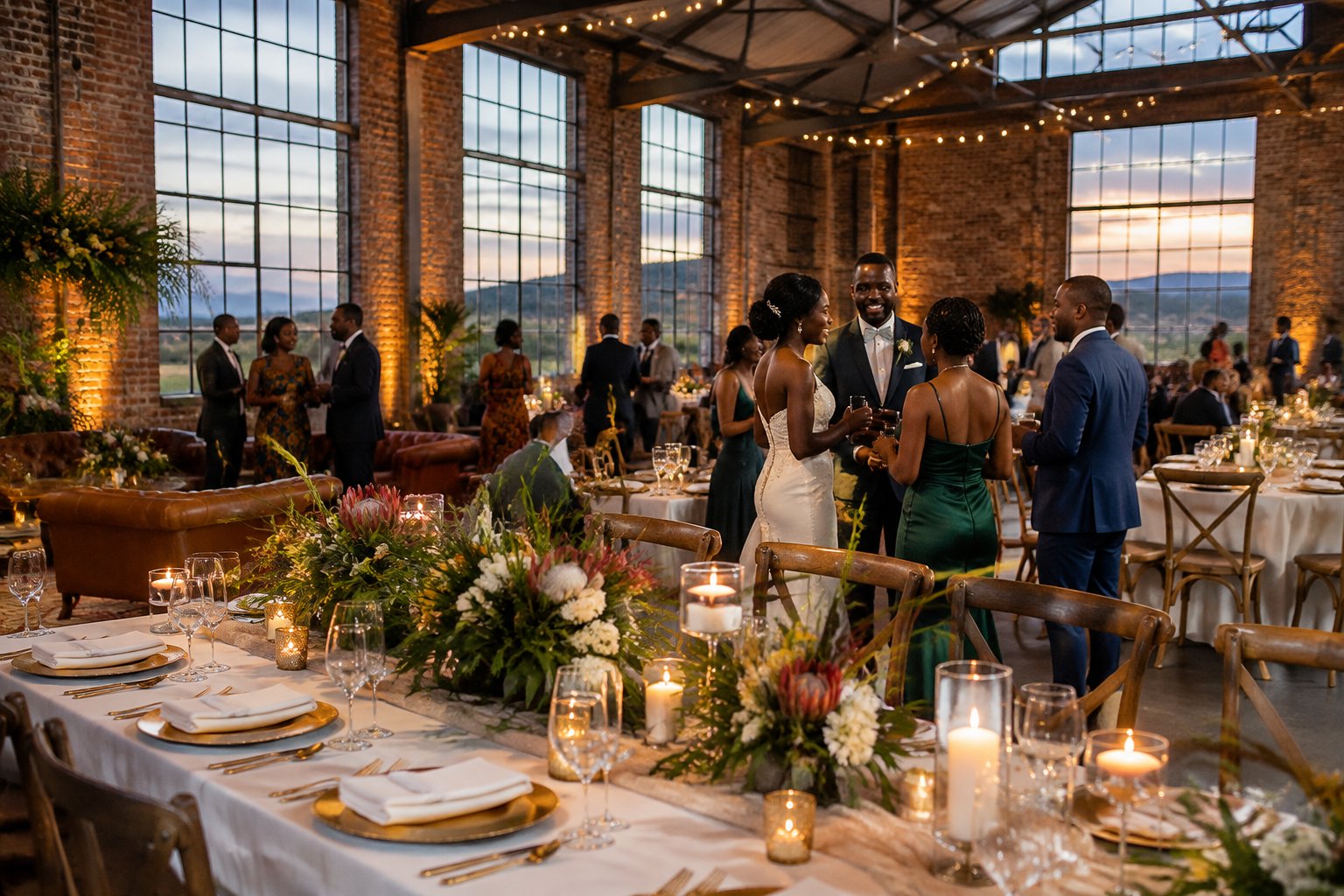
If you’re drawn to this look, start by shortlisting spaces that fit your guest count and asking for a viewing. A visit lets you see how the room feels at your event time and ask what the hire fee includes.
What Makes a Venue Feel Industrial?
Industrial style comes from visible building features such as brick, steel, concrete, and high ceilings. A guest-ready venue pairs those details with safe access, working facilities, and a layout that supports your plans.
Warehouse, Factory, and Workshop Features
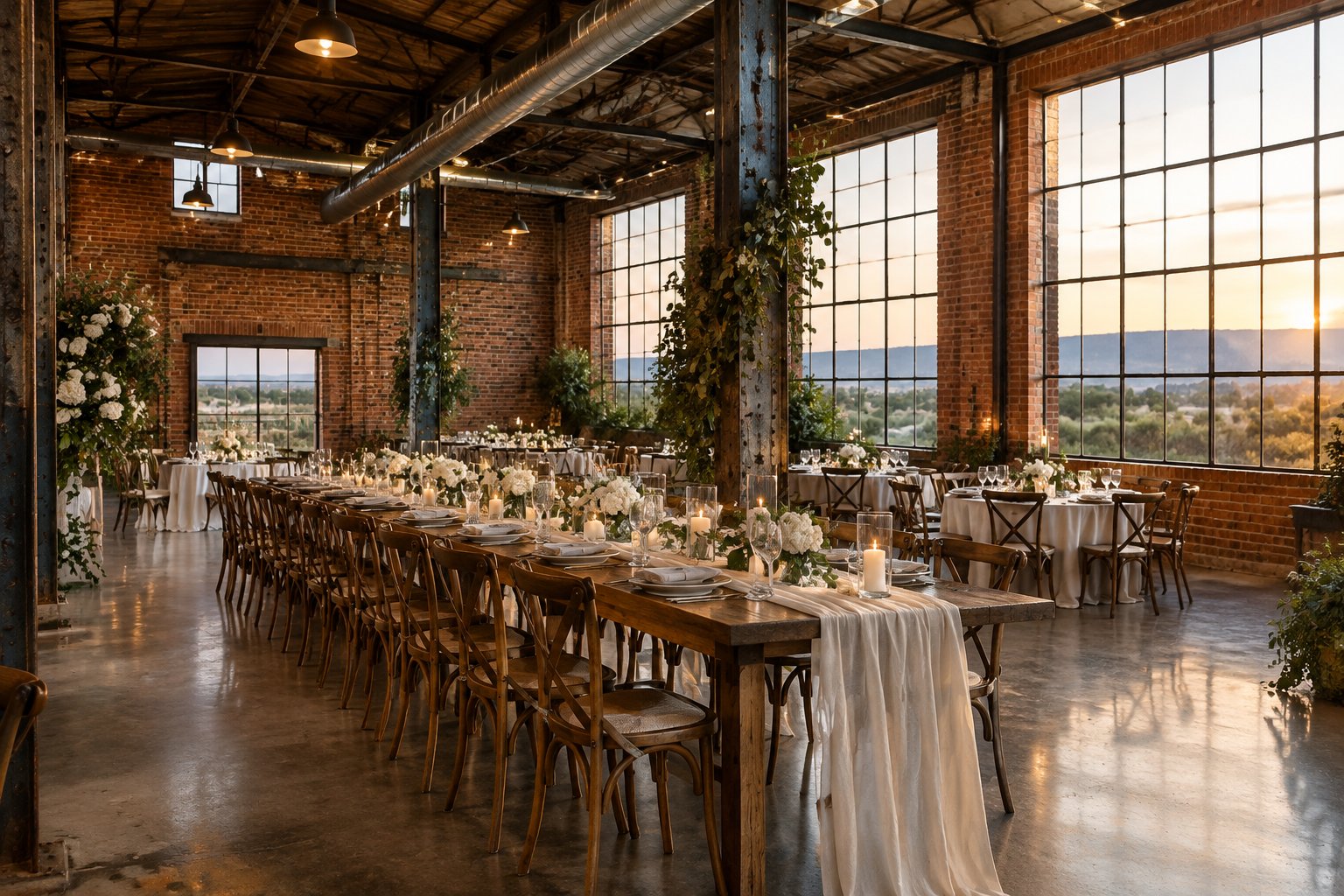
Look for details that give a space its character: exposed brickwork, steel beams, concrete floors, large windows, or visible pipes and ductwork. High ceilings can leave room for hanging lights and floral features, while broad open floors make it easier to set up a ceremony, dining area, and dance floor.
Check the building’s condition as you tour. Ask whether floors are even, windows close securely, and the restrooms and catering areas are ready for event use. A historic building can have plenty of visual charm, while a plain warehouse may need extra furniture, lighting, and decor to feel welcoming.
Industrial Style in a Non-Industrial Space
You can create an industrial look in a modern hall or other event space by bringing in a few strong materials and design details. Metal accents, simple timber furniture, and warm bulbs can suggest the style without changing the venue itself.
Use what the room already offers as your starting point. If the walls are plain, consider a feature backdrop or a few tall arrangements; if the room has bold architecture, keep added decor focused. You can use industrial wedding table decoration ideas to connect your table details to the room’s materials.
Where Can You Find Industrial-Style Spaces in Zimbabwe?
You can begin your search in Zimbabwe’s urban areas, where event halls and adaptable commercial spaces are easier to compare. Ask each venue about its past use, current event facilities, and access for guests and suppliers.
Harare and Other Urban Areas
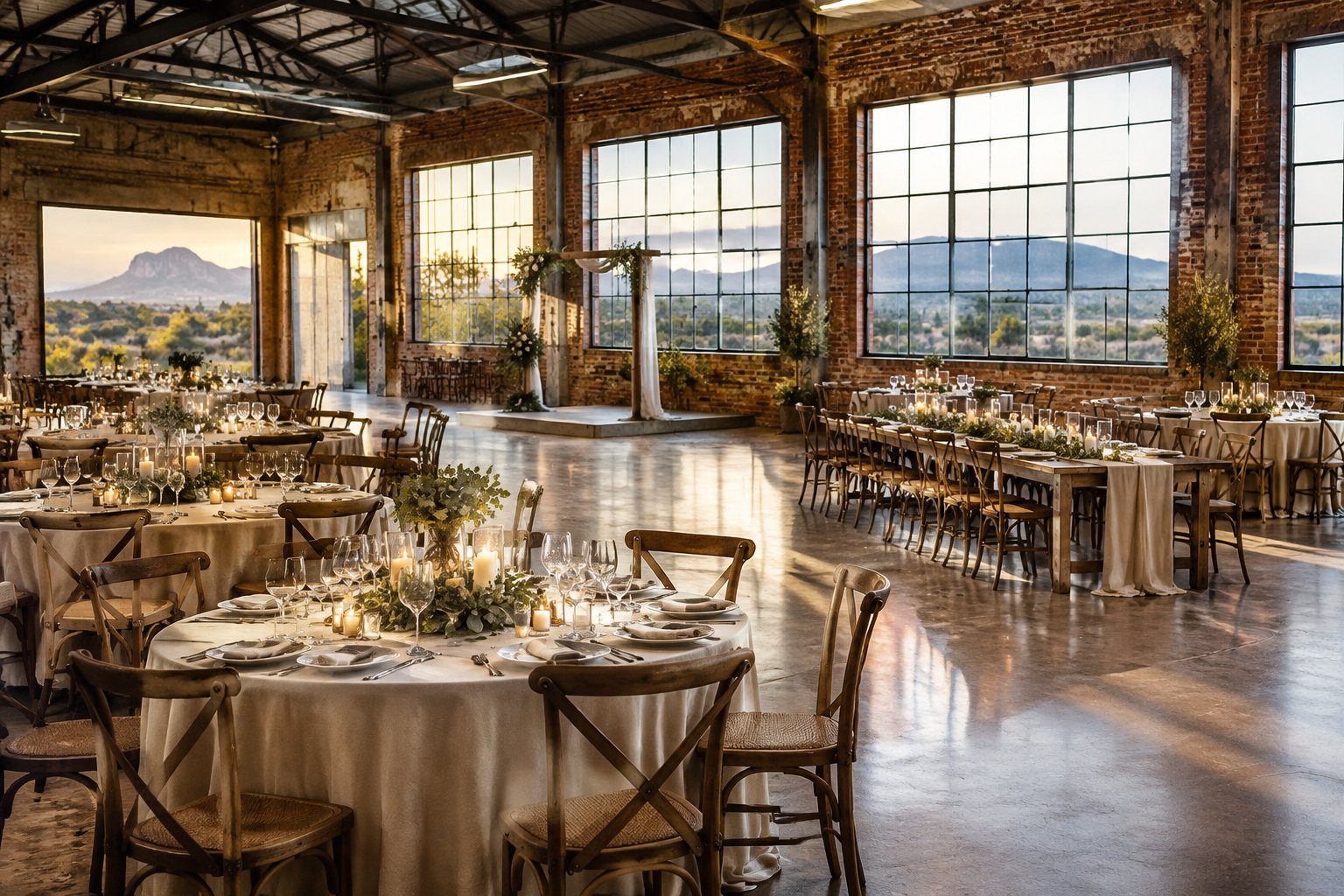
Harare is a practical starting point for finding event spaces with an urban feel. You can also search in other towns and cities, checking listings for halls, loft-style rooms, converted commercial buildings, and event venues with exposed structural details.
Search by the features you want, then confirm the venue’s current use and wedding availability directly. Compare each space’s location, parking, nearby accommodation, and travel time for your guests. If you’re weighing different types of spaces, these wedding venue ideas can help you set your priorities. You can also compare the industrial look with other affordable wedding venues in Zimbabwe as you build your shortlist.
Questions to Ask About Repurposed Buildings
A building’s previous use can affect its layout and event setup, so ask what has changed during its conversion. Find out which rooms are included, whether any areas are off limits, and how vendors move equipment into the space.
Ask about the building’s event history, too. If the venue hosts corporate events, confirm whether your wedding date allows enough time for setup and whether another event will affect access. A floor plan and a walk-through with your planner or key suppliers can help you spot layout issues early.
How Much Should You Budget for the Venue?
Build your venue budget from an itemized quote that includes the rental fee, required services, and the equipment your event needs. Prices differ by property and package, so compare the full cost for your date and guest count.

Hire Fees and Package Inclusions
Ask the venue to list what the hire fee covers, including the booking hours, setup time, cleanup, staffing, and any tables or chairs. Check whether catering and drinks are included, whether you can choose outside suppliers, and whether a minimum spend applies.
Request the quote in writing and confirm the currency, payment schedule, deposit terms, and any taxes or service charges. Compare complete estimates rather than looking at the base fee alone. A clear wedding budget plan can help you set a venue limit alongside your other costs.
Furniture, Lighting, Power, and Other Extras
A blank space can call for extra rentals. Ask about tables, chairs, linens, a dance floor, sound equipment, lighting, and power access. If you need a generator, confirm who supplies it and whether its cost is part of the quote.
Check whether the venue has setup staff and whether you’ll pay extra for security, cleaning, or overtime. The room’s built-in features may reduce decor needs, while a bare hall can require more equipment. Get rental prices before you make your final comparison.
How Guest Numbers and Dates Affect Cost
Your guest count affects the space you need, the number of seats and tables, and the scale of catering. Ask for seated and standing capacities, then request a quote based on your expected attendance rather than the venue’s maximum.
Your date and rental hours can also affect the estimate. Ask about weekday rates, seasonal pricing, and the cost of extending the event. If your guest list is still changing, ask the venue when it needs a confirmed count and whether the quote changes after that date.
What Should You Check Before Booking?
Before you sign, confirm that the venue can handle your guest list, event schedule, and supplier needs. A site visit and written answers help you catch practical issues that may not show in photos.
Capacity, Access, and Guest Facilities
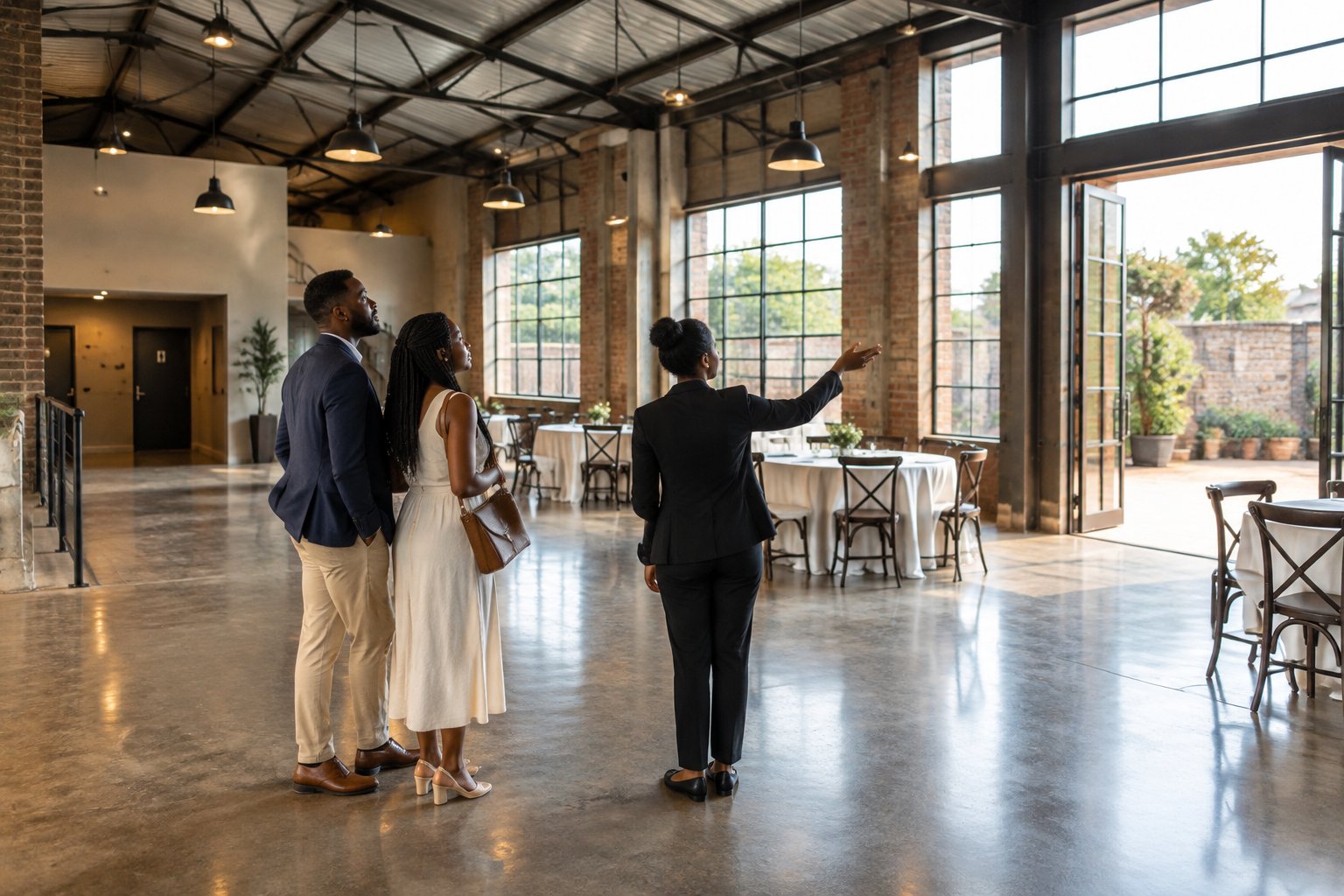
Ask for the seated capacity with your planned table layout, plus the standing capacity if you’ll host a cocktail hour. Check the route from parking or drop-off to the entrance, and ask how guests with mobility needs can reach the event area.
Count the restrooms and confirm their location. Also ask about a getting-ready room, coat storage, and a suitable space for caterers. If guests are traveling from outside the area, check nearby accommodation and transport options.
Safety, Power Supply, and Weather Backup
Ask who is responsible for fire safety, first aid, and keeping exits clear. Walk the route your guests and suppliers will use, and check that cables and temporary equipment can be placed safely.
Confirm what power is available for catering, sound, and lighting. Ask whether the venue has backup power and what happens during an outage. For any outdoor ceremony or reception element, get a clear rain plan, including the backup room and the time needed to move guests inside.
Supplier Rules and Booking Terms
Get the venue’s supplier rules in writing. Ask whether you can bring your own caterer, DJ, florist, and decorator, and check for fees or limits on deliveries, setup, and cleanup.
Review the contract for access times, payment dates, cancellation terms, overtime charges, and restrictions on candles or hanging decor. Confirm the noise rules and event end time, then share those details with your suppliers before booking them.
How Can You Style an Industrial Wedding Space?
Style an industrial venue by pairing its raw surfaces with warm light, soft textures, and a clear plan for how guests will move through the day. Use the building’s strongest features as part of the design so your decor feels connected to the room.
Balancing Raw Materials With Warm Details
Balance brick, steel, and concrete with fabric, greenery, wood, and flowers. Soft linens and natural colors bring warmth to metal tables or concrete floors, while candles and low arrangements can make dining areas feel more intimate. For ideas that suit a stripped-back room, explore ways to decorate an empty wedding space.
Choose a few focal points, such as the ceremony backdrop, the head table, or a brick feature wall. This keeps your decor focused and gives your guests clear places to look and gather. You can also use industrial wedding table decor to add character without filling every surface.
Planning Lighting and the Ceremony-to-Reception Flow
Plan lighting for both the look of the room and safe movement after sunset. Ask what fixtures are installed, where power outlets sit, and whether your supplier can hang or place additional lights.
Warm bulbs and soft uplighting can bring depth to brick and steel, while task lighting helps guests see at tables and around walkways. These wedding lighting ideas can help you shape the mood.
Map out how guests will move from arrival to ceremony, drinks, dinner, and dancing. If you’ll use one room for several parts of the day, agree on a reset plan with the venue team, including who moves furniture and how much time the change needs.