
Intimate Wedding Venues Italy: 2026 Picks and Planning
For an intimate wedding in Italy, you can choose a private villa, countryside estate, or historic property that brings your closest guests together in a memorable setting. The best intimate wedding venues in Italy give you space for a personal celebration, with the food, setting, and guest experience tailored to a smaller group.
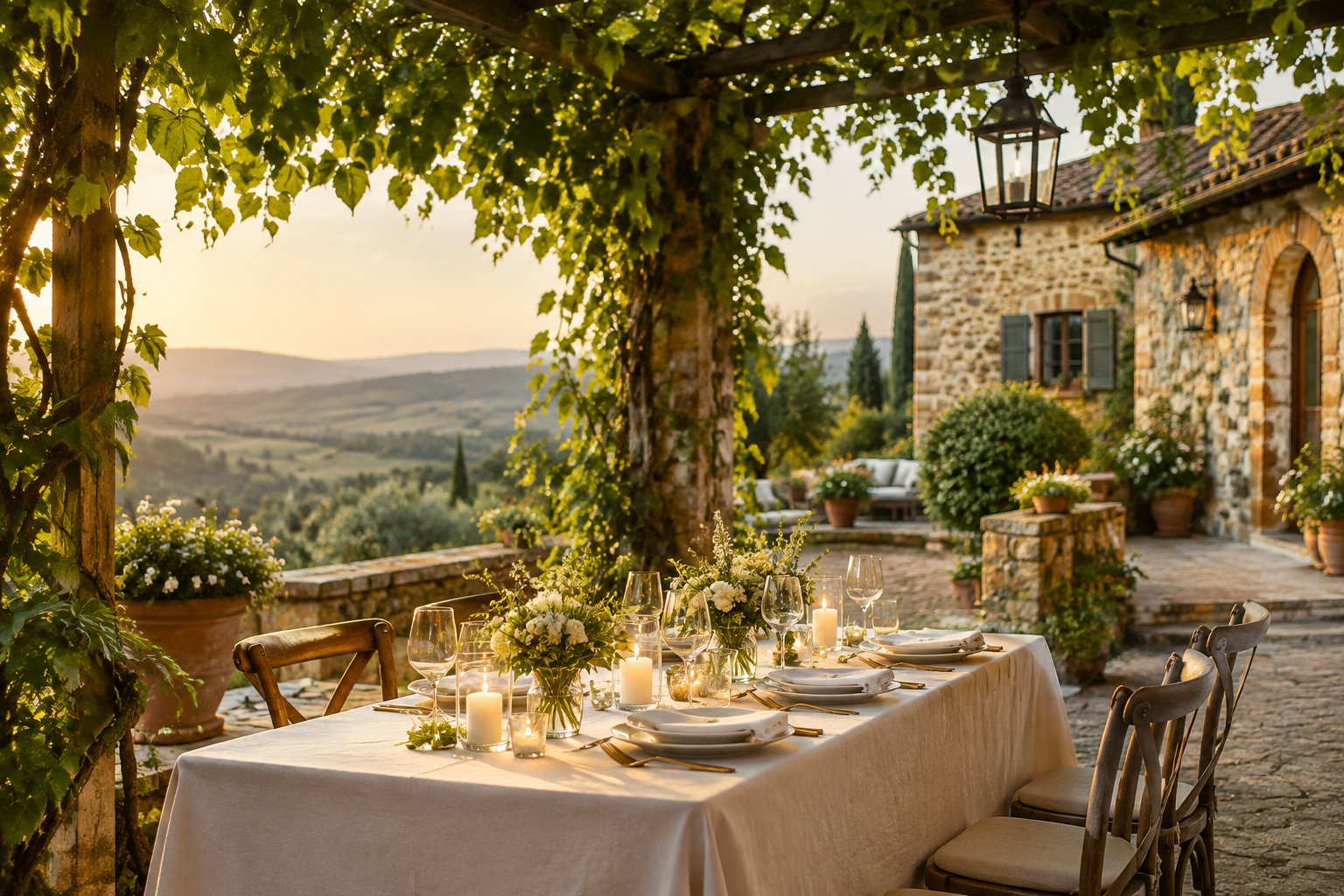
Start your shortlist with the region and guest count that feel right to you, then ask each venue for its current availability and full pricing. A few early questions can help you narrow your choices before you book travel or invite guests.
What Does an Intimate Celebration in Italy Look Like?
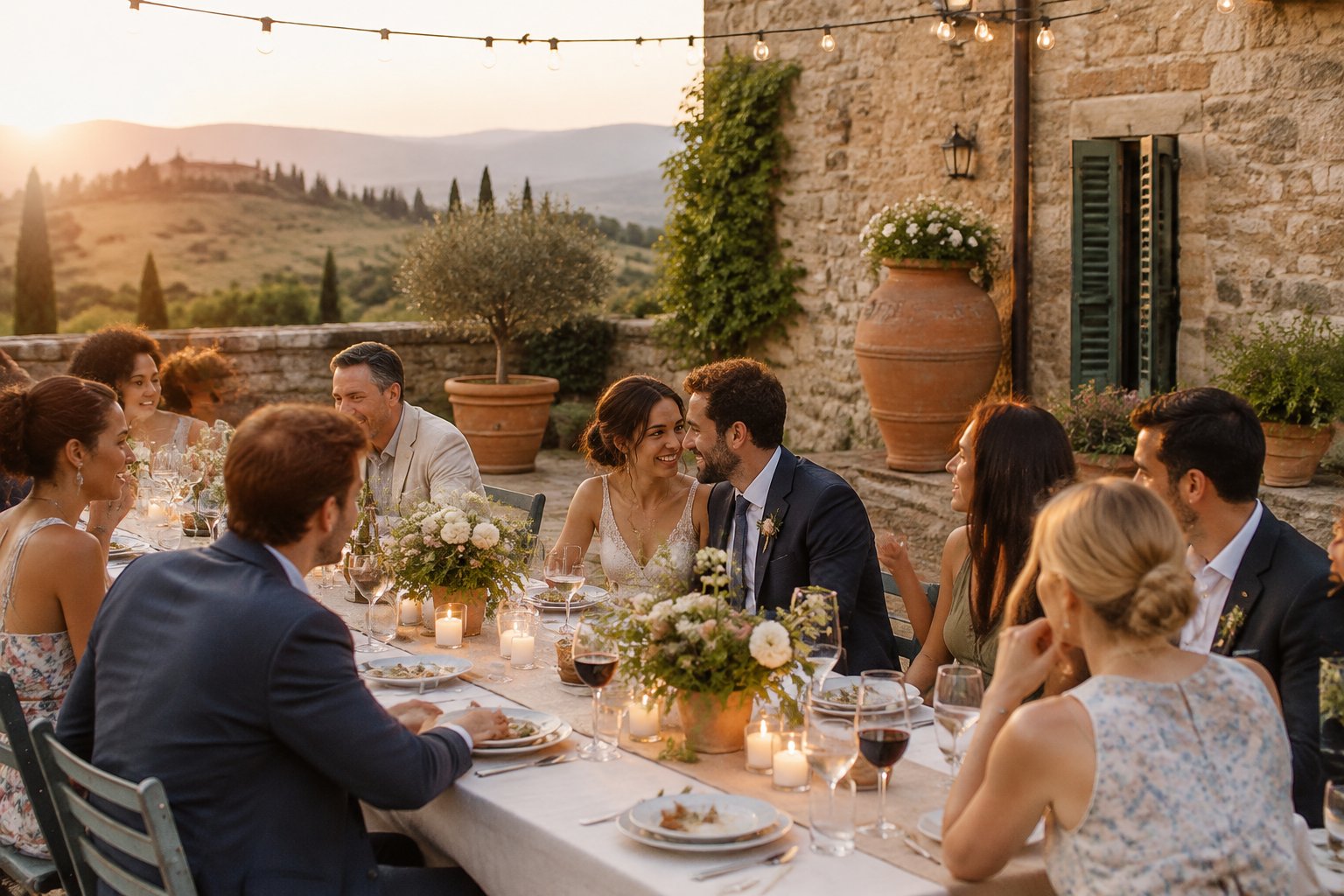
An intimate celebration brings your favorite people together for a wedding shaped around time, place, and shared experiences. Your plans might center on a long outdoor dinner, a relaxed welcome evening, or a ceremony followed by a smaller reception. If you are weighing guest counts, this guide to what an intimate wedding means can help you define the scale that suits you.
How Many Guests Count as Intimate?
There is no fixed guest limit, though many couples use “intimate” for a wedding of about 20 to 50 people. Some small weddings in Italy welcome up to 60 or 80 guests, especially at estates with room for a larger dinner and overnight stays.
Choose your number before you compare venues. Count the people you most want beside you, then leave room for any essential family, cultural, or work commitments. A clear guest list helps you assess the venue’s ceremony capacity, dining layout, and lodging.
What Makes a Smaller Celebration Feel Personal?
You have more room to plan details around the people attending. You could arrange place cards with personal notes, build the menu around regional dishes, or set aside time for a shared activity before the wedding day. Explore small wedding ideas for 50 guests if you want inspiration that fits a close-knit group.
A private dining space or an outdoor table under a pergola can help everyone feel part of the gathering. Ask the venue how it handles music, meal service, and ceremony setup for your specific guest count.
Which Italian Regions Suit Your Celebration?
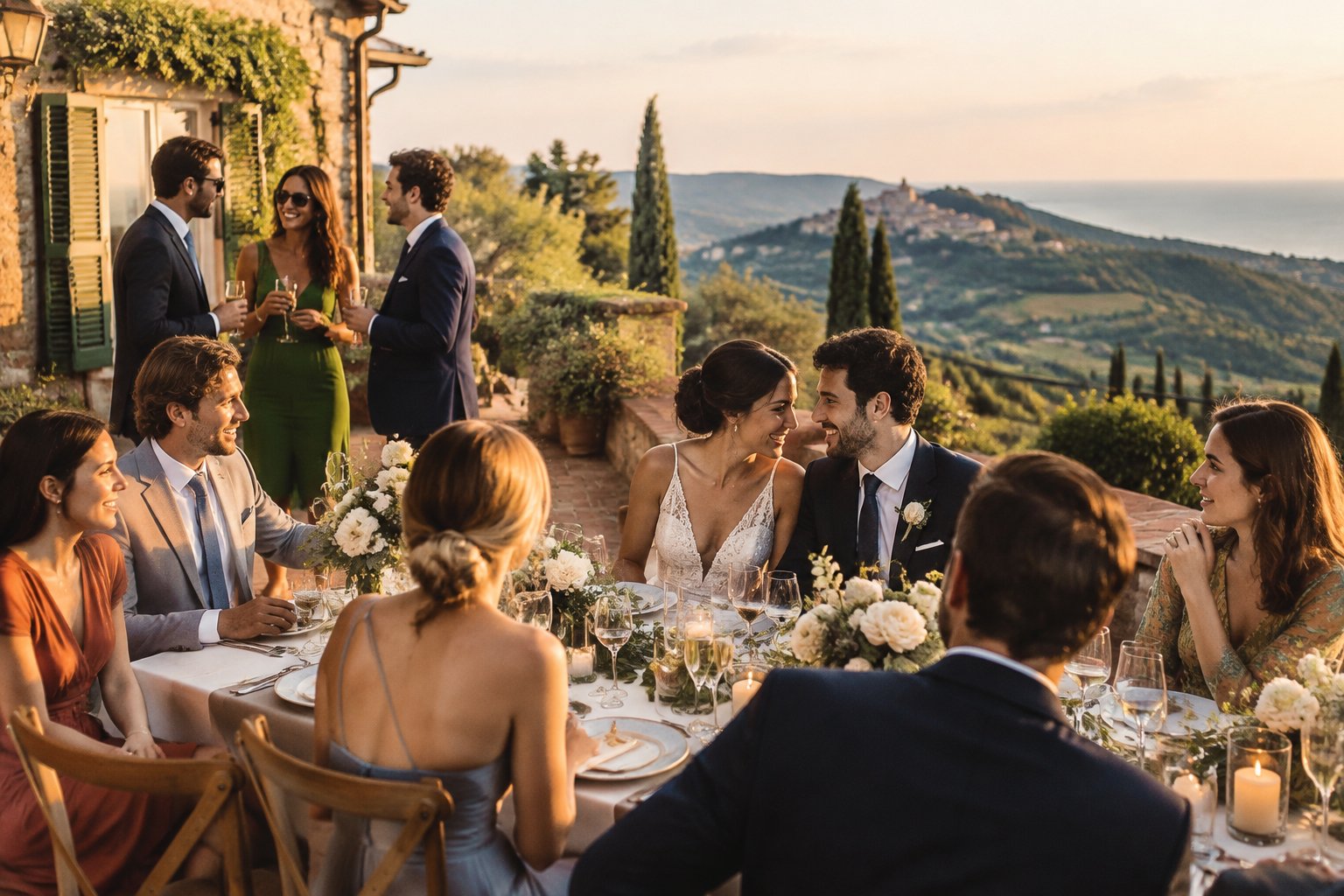
Tuscany and Umbria suit countryside weekends, Puglia brings sunlit estate settings, and the coast, lakes, or cities offer distinct scenery and travel styles. Your preferred landscape, guest travel plans, and season can point you toward the right region. Browse more wedding locations in Italy as you compare the feel of each area.
Why Choose Tuscany or Umbria?
Tuscany gives you rolling hills, vineyard country, and a broad choice of villas and restored villages. You can plan a weekend around shared meals and local wine, with guests staying together when the property has lodging.
Umbria offers a quieter countryside setting, with hill towns and estates that suit a slower pace. It also puts you close to historic towns and countryside views, so consider how far your guests will travel from an airport or train station.
What Makes Puglia Special?
Puglia’s whitewashed farm estates, known as masserie, offer a strong sense of place and a warm-weather setting. The region works well when you want outdoor dining, local food, and time together across a wedding weekend. Check the venue’s season dates and indoor options so your plan has a clear backup for rain or heat.
Are the Coast, Lakes, or Cities a Better Fit?
The Amalfi Coast and Italian Riviera offer sea views and dramatic terraces, while Lake Como and other northern lakes pair water and mountain scenery with historic villas. These settings can bring higher travel and venue costs, so check guest transport and lodging early.
Rome, Venice, and other cities give you history, restaurants, and easier access to urban services. They can suit you if your guests want sightseeing alongside the wedding, though you will need to consider city traffic and event restrictions.
Which Venues Work Especially Well for Smaller Weddings?
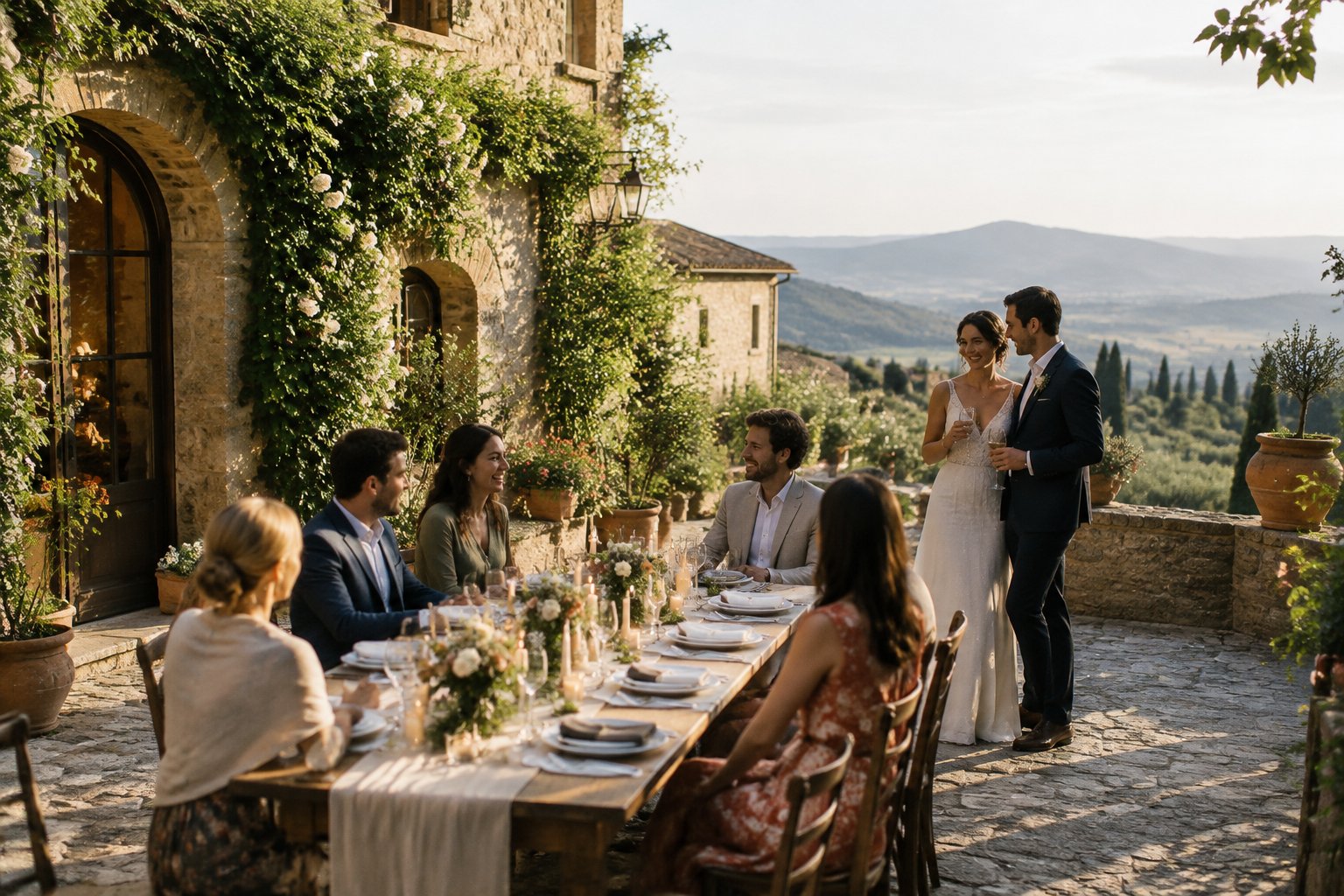
Private villas, farm estates, and historic properties are strong options when their event spaces and services match your guest list. Focus on the way each venue uses its rooms and grounds, then ask for a floor plan and a written description of what your hire includes. These tips for choosing a venue for a small wedding can help you prepare questions.
Villa Rocca 1914 in Puglia
Villa Rocca 1914 gives you a Puglian option to consider if you are drawn to the region’s estate setting. Ask the venue for its current guest capacity, event spaces, accommodation details, and rules on outside suppliers. Request sample layouts for both your ceremony and dinner, since room shape can affect how connected the celebration feels.
La Selva in Chianti
La Selva gives you a Chianti option among the Italian wedding venues you may be comparing. Ask how the property accommodates your guest count across the ceremony, reception, and any extra gathering you plan. Confirm the location and travel time to nearby lodging if your guests will stay off-site.
Historic Villas and Multi-Day Estates
Historic villas bring architectural character and garden settings, while multi-day estates can keep guests together for more of the celebration. Confirm which rooms and outdoor areas are included, how exclusive use works, and whether the property has quiet-hour or music limits. For a personal feel, ask to see examples of table layouts close to your planned headcount.
How Much Should You Budget and Plan For?

Set your budget by listing venue, food, lodging, travel, and supplier costs before you commit to a date. A modest 40-to-60-person celebration may start around €15,000–€25,000, while premium venues and added events can raise the total. Use a wedding budget per person estimate as one check, then compare it with itemized quotes.
What Costs Should You Include?
Build your estimate around these major costs:
- Venue hire, including setup or extra rental days
- Food, drinks, cake, and service charges
- Photography, flowers, music, and rentals
- Planning support, ceremony fees, and document translation
- Guest lodging, shuttles, and any welcome event
Italian menus can highlight seasonal ingredients and local specialties. Collect sample menus and check what each quote includes, such as wine, service, and taxes. These Italian wedding menu ideas can help you decide what to ask the caterer.
When Should You Book?
For a popular date or a venue that sleeps your group, start contacting properties 12 to 18 months ahead. This gives you more time to compare dates, arrange guest travel, and secure local suppliers. A weekday or shoulder-season date can open up more choices, though you should check weather patterns and venue schedules.
What Local Planning Help Might You Need?
A local planner can coordinate venue visits, supplier communication, and event-day timing. If you plan a legal ceremony in Italy, ask your planner and the local municipality what documents and steps apply to your nationality and ceremony type. Some couples handle the legal marriage at home and hold a symbolic ceremony in Italy.
How Can You Compare Venues Before Booking?
Compare venues against your guest count, travel plan, and the exact events you want to host. Ask for written answers and a full quote so you can compare Italian wedding venues on the same basis. Keep a simple shortlist with each venue’s capacity, lodging, transport, and included services.
Does the Guest Capacity Match Your Plans?
Check capacity separately for the ceremony, seated dinner, and dancing. A venue may have space for a larger outdoor ceremony but a smaller indoor dining room. Ask for layout examples at your guest count, plus the plan for rain or extreme heat.
Are Accommodation and Transport Convenient?
Confirm how many guests can sleep on-site, what nearby lodging costs, and how guests will travel between locations. Ask about parking, shuttle access, and the distance from the nearest airport or train station. If guests stay in several places, find out whether local transport providers can serve your schedule.
Can the Venue Handle Your Ceremony and Reception?
Ask whether the venue can host your ceremony and reception in spaces that fit your chosen format. Confirm setup and changeover times, sound limits, catering arrangements, and supplier rules.
Before paying a deposit, review the contract for cancellation terms, payment dates, included items, and any extra fees.