
Intimate Wedding Venues Melbourne: 2026 Small-Wedding Guide
For an intimate wedding in Melbourne, choose a venue that feels welcoming at your guest count and makes the day easy to host, whether you picture a bayside ceremony, a garden setting, or a private restaurant room. A smaller gathering gives you time to share a proper conversation with each guest, and Melbourne’s range of spaces makes it possible to match the setting to your style.
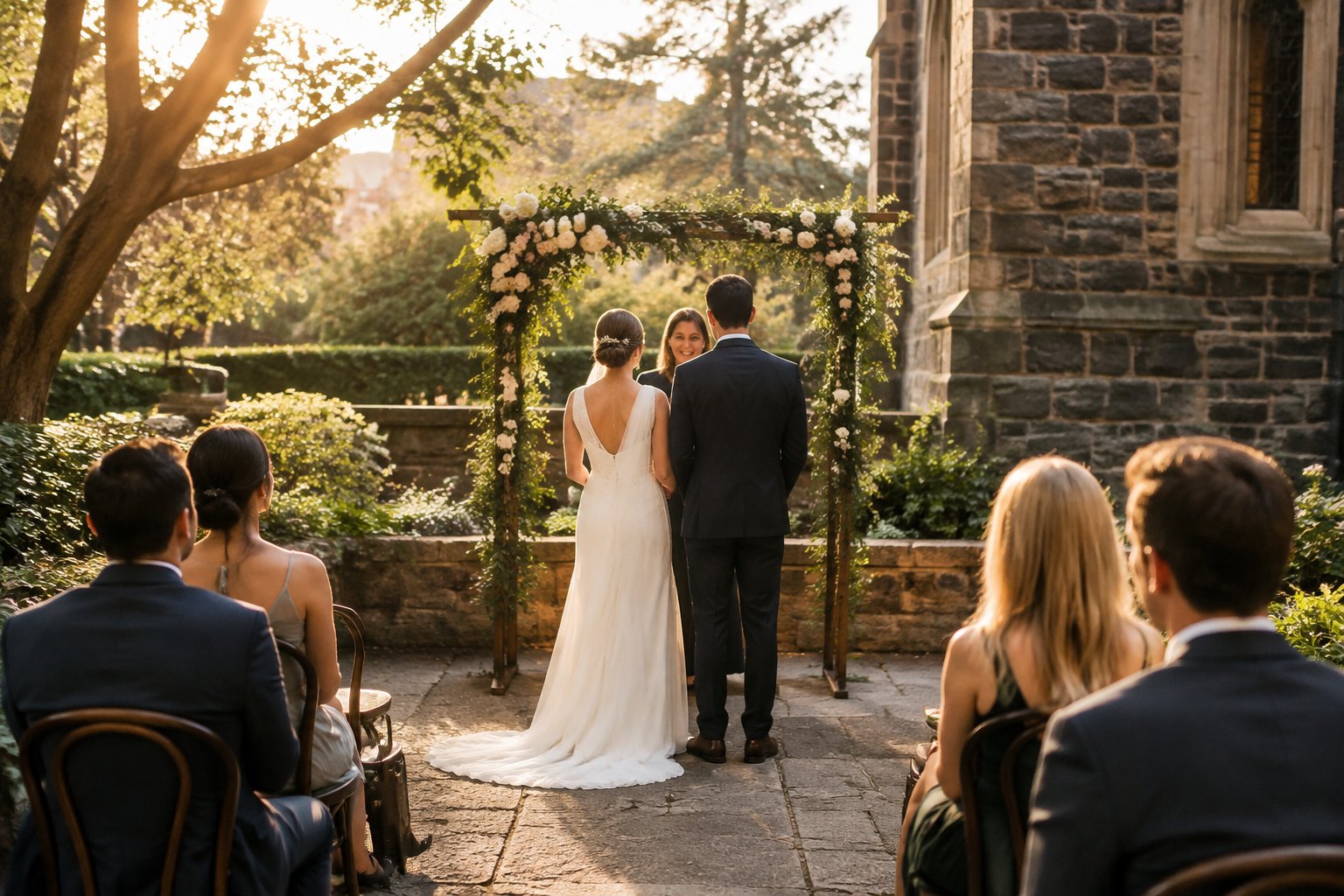
An intimate wedding can mean different things to different couples. If you’re setting your guest list, decide early which people you most want beside you; that choice will help narrow down small wedding venues Melbourne couples can consider across Victoria.
Start with your guest count and preferred feel, then shortlist venues that suit both. Once you have a few options, arrange a tour and ask for a written quote so you can compare the spaces and inclusions with confidence.
How to Choose a Venue That Fits Your Guest List
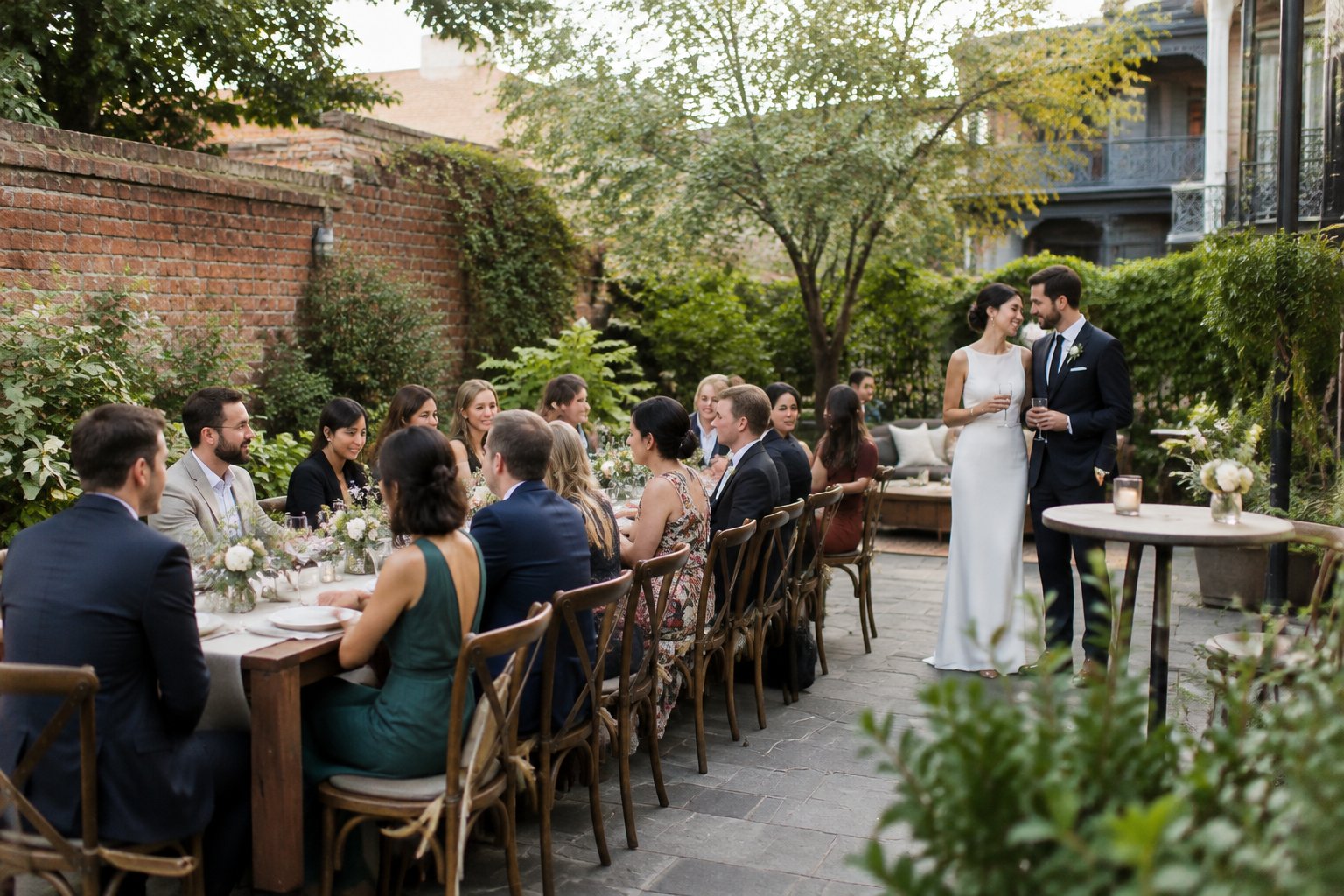
A small wedding venue should feel comfortable at your expected guest count and support the way you want to celebrate. Check the seated layout, ceremony options, package details, and guest access before you make a decision. Those basics help you compare intimate wedding venues on more than appearance alone.
What Guest Count Feels Right for an Intimate Celebration?
The right guest count is the number of people you most want to share the day with. Some couples plan small weddings for a close circle of family and friends; others keep the ceremony especially small and celebrate with a wider group later. If you’re still shaping your list, these ways to plan a small wedding guest list can help you set clear priorities.
Ask each venue how its room feels at your expected number of guests. A room with flexible seating can feel warm and lively when the tables, ceremony chairs, and dance area suit your group size. Check whether the quoted capacity refers to a seated meal, a cocktail event, or both.
How Do Venue Costs and Packages Compare?
Compare the full quote, including any room hire or minimum spend, food and drinks, staffing, and setup charges. Dates and guest numbers can affect the total, so ask for a price based on your own plans. If you’re reviewing affordable wedding venues in Melbourne, use the same checklist for every quote.
All-inclusive wedding packages can make planning easier when one team coordinates key parts of the event. Read the details closely: check menu choices, beverage service, cake handling, styling, and any extra fees. A package works best when its inclusions match what you want to serve and how you want the day to run.
What Should a Small Venue Include?
Look for a clear plan for the ceremony, meal, and guest movement. Ask who will coordinate the day and what furniture, sound equipment, and staff are included. If the ceremony and reception happen in separate spaces, confirm who manages the transition.
Also check accessibility, parking or nearby transport, supplier rules, and the wet-weather plan. A detailed quote and floor plan make it easier to compare small wedding venues in Melbourne and see which option fits your needs.
Where Can You Celebrate by the Bay or in the City?
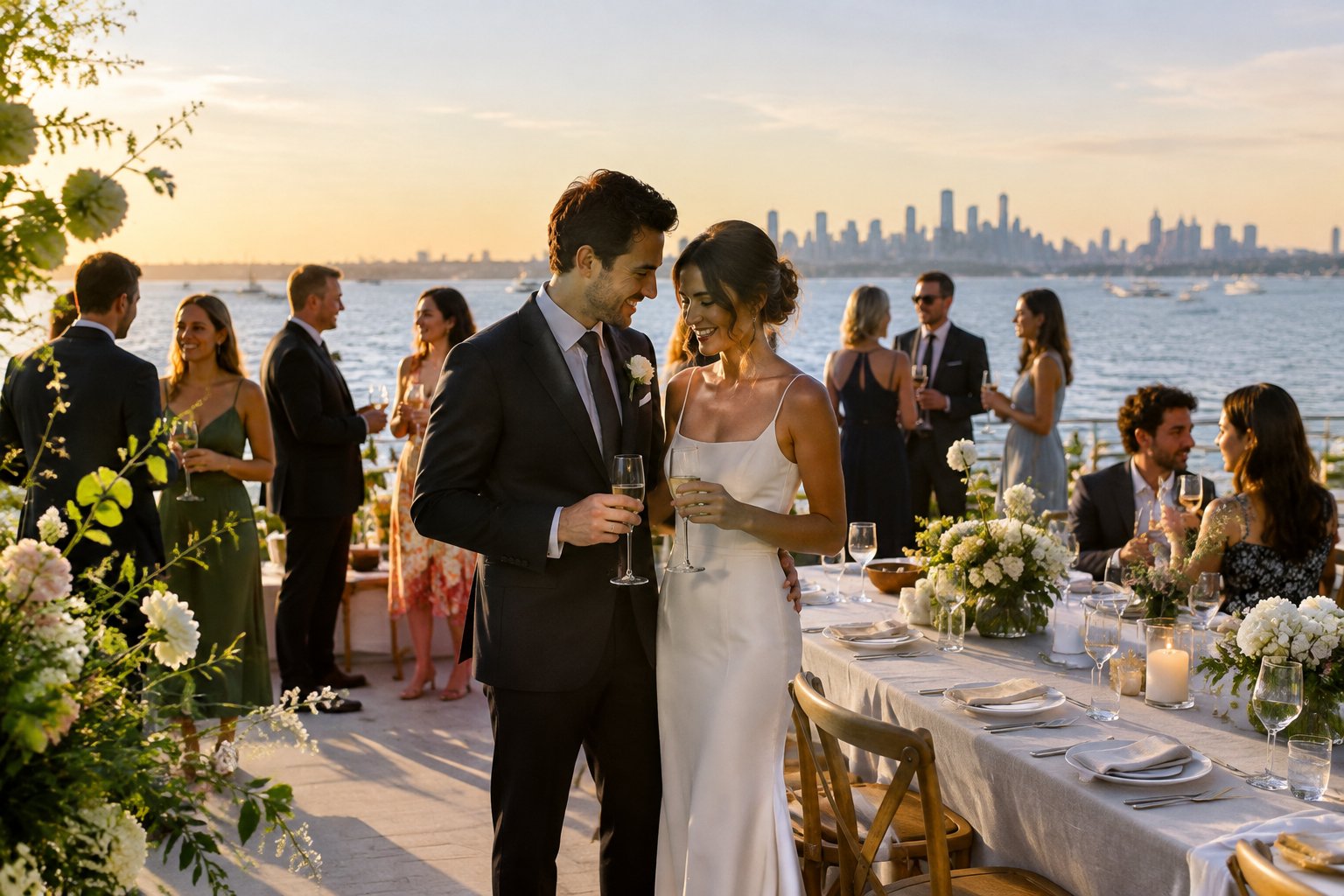
Choose a bayside venue for coastal views, or a city location for easy access to restaurants, hotels, and public transport. Melbourne gives you both, with spaces beside Port Phillip Bay and event rooms in the CBD and inner suburbs. For a coastal or city setting, compare travel time and indoor options along with the view.
Which Venues Offer a Coastal Setting?
Encore St Kilda and Encore St Kilda Beach give you St Kilda options for a celebration near the water. The Baths Middle Brighton offers a bayside setting, while The Boatbuilders Yard and Port Melbourne Yacht Club bring you closer to the harbor and bay. Ask each venue which areas are available for your event and whether guests can move easily between the ceremony and reception.
The water adds a striking backdrop, but outdoor plans need a weather backup. Check wind cover, shade, and the distance between the ceremony spot and indoor space. If you’re planning around Port Phillip Bay, confirm transport and parking details for your guests, too.
What City Venues Work for a Ceremony and Reception?
Melbourne Town Hall and the Old Treasury Building give you distinctive city surroundings. For a riverside feel, Leonda by the Yarra offers a setting by the Yarra, while The Park brings a leafy option within the city. Cargo Hall in Port Melbourne rounds out the list with a contemporary event-space feel.
If you want the ceremony and reception at one address, ask how the venue handles room changeovers and guest flow. For a city wedding, it also helps to check public transport, parking, and nearby accommodation.
Which Gardens, Estates, and Historic Houses Suit a Small Wedding?
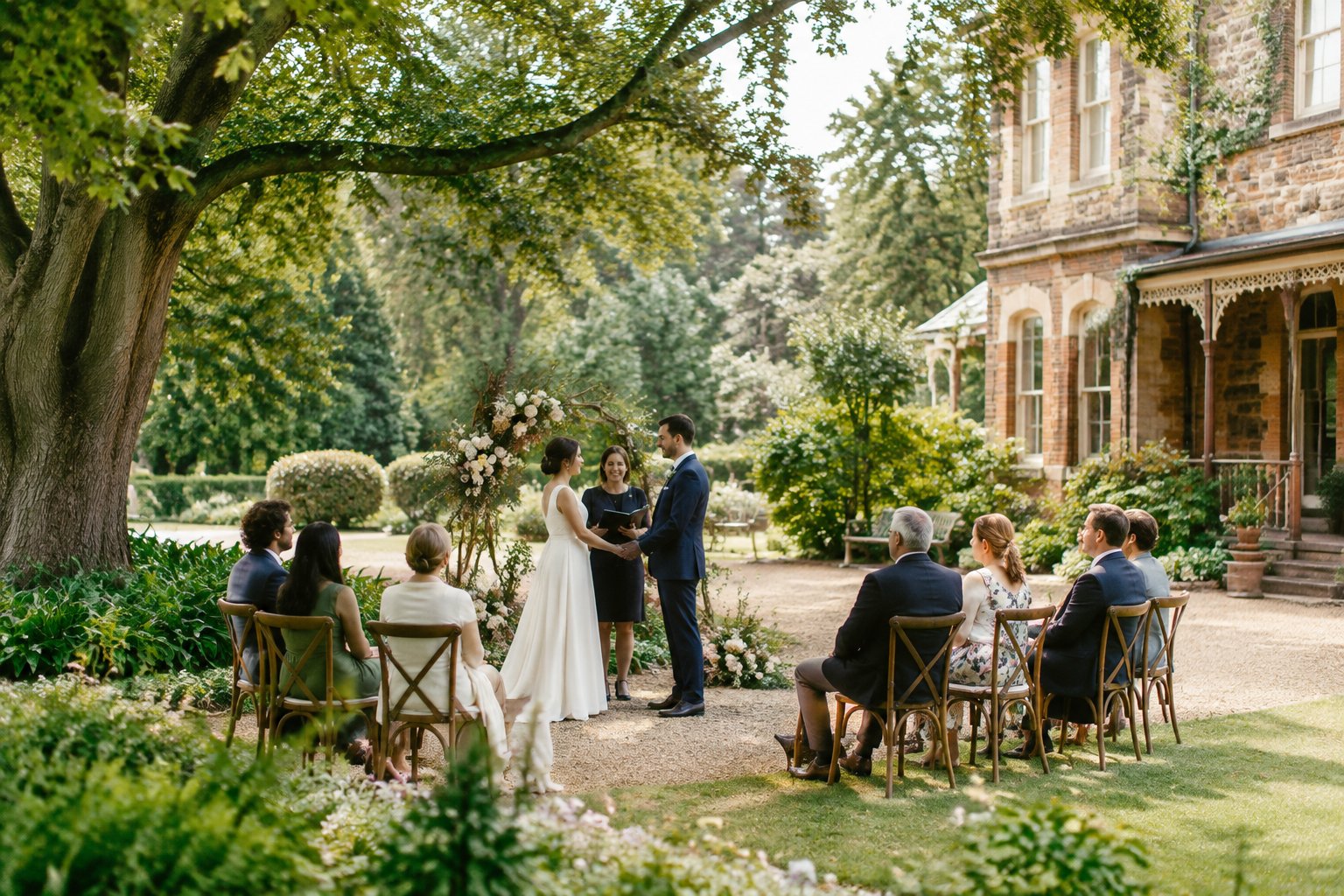
Gardens, estates, and heritage houses suit you when you want greenery, established architecture, or a country-style setting around your celebration. Melbourne and nearby Victoria offer public gardens, private properties, and venues in the Dandenong Ranges and beyond. Check ceremony access, indoor backup space, and guest travel before choosing an outdoor location.
Where Can You Exchange Vows Among Gardens and Greenery?
The Royal Botanic Gardens and Fitzroy Gardens offer leafy surroundings close to central Melbourne. Melbourne Zoo brings a distinctive setting for couples who want a lively location, while private venues such as Marybrooke Manor and Rippon Lea Estate have a more tucked-away feel. Check what permits or event arrangements apply before confirming a ceremony in a public garden.
For more private estate options, consider Quat Quatta, Warrawong Estate, or Lyrebird Falls Receptions. If a garden ceremony is part of your plan, these garden wedding ideas can help you think through the layout and details. Ask about accessible paths, shade, seating, and the indoor plan if weather changes.
Which Estates Bring a Heritage or Country Feel?
Overnewton Castle, Chateau Wyuna, and Marnong Estate offer settings with historic or country character. You can also look at venues around Kallista and Mount Evelyn for a celebration among the greenery of the Dandenong Ranges. Each property has its own rules for ceremony locations, styling, and event timing, so ask for the details before booking.
A smaller guest list can suit a country estate, where guests can gather in a garden or a room with character. Confirm how long it takes to travel from Melbourne and whether guests can arrange transport after the reception. For heritage properties, ask about access and any restrictions on decorations or candles.
Which Restaurants and Creative Spaces Feel Personal?
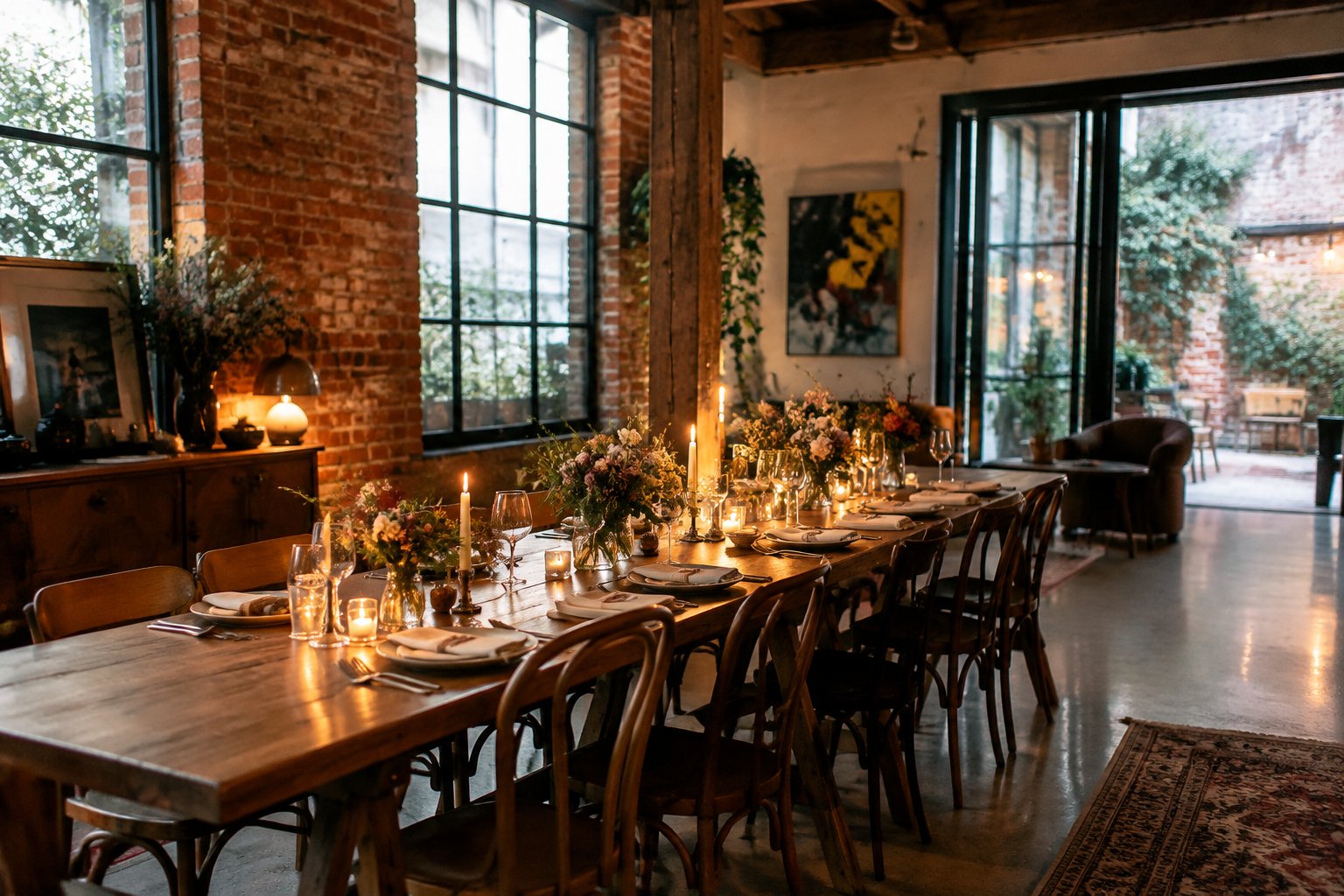
Restaurants and creative venues give a small celebration a distinctive feel, with the space itself shaping the meal, mood, and guest experience. A private dining room keeps the gathering close, while galleries and converted spaces bring a more individual style. Check the food plan, seating, and event rules before you settle on a venue.
Which Restaurants Suit a Close-Knit Reception?
Rupert on Rupert, Chiki Chan, and Pepe’s Italian are options to explore if you want a restaurant setting. Panama Dining Room also gives you a city dining-room atmosphere for a reception. Ask whether your group can book a private room or exclusive use, and confirm any minimum spend.
Your meal will be central to the evening, so request sample menus and ask how dietary needs are handled. Check whether speeches, music, and dancing fit the room and the venue’s event rules. If food is a main priority, these tips on choosing a wedding caterer can help you prepare questions.
Where Can You Find Gallery, Museum, or Garden-Inspired Style?
The Hellenic Museum and Arc One Gallery offer culture-led settings with visual character. Glasshaus Inside brings a plant-filled look, giving you a garden-inspired feel indoors. Ask each venue what furniture and event equipment it provides, and whether you can bring in your own styling.
With a smaller group, a space’s artwork, architecture, or greenery can set the tone without extensive decoration. Confirm the layout, lighting, and any limits on décor so you know what can be changed for your event.
What Unconventional Spaces Make a Memorable Setting?
Two Ton Max and Altar Electric offer alternatives to a traditional reception room. These creative spaces can suit you if you want a setting with a distinct identity and room to personalize the layout. Ask about furniture, sound equipment, catering arrangements, and supplier access.
A venue designed for events may have a clear setup plan; a more unusual space can call for extra coordination. Get a list of inclusions and restrictions in writing, including setup and pack-down times.
When Is a Ballroom or Grand Interior the Right Choice?
A ballroom can feel intimate when the room layout, guest count, and styling suit your celebration. A formal interior works well if you want a polished dinner, speeches, and dancing under one roof. Ask how the venue adapts the room for a smaller group and which spaces are available for your date.
Which Formal Rooms Can Still Feel Intimate?
The George Ballroom, Vogue Ballroom, Poet’s Lane, and Alto Event Space are names to consider when you like a grand interior. Each venue has its own character, so ask to see the room set up for a guest count close to yours. Look at table spacing and the location of the dance floor, not only the empty room.
Ask whether the ceremony and dinner can share a space or whether guests will move between rooms. A well-planned layout keeps the event connected and gives guests a comfortable place to talk.
How Can a Grand Setting Work for a Smaller Guest List?
Use a layout that draws guests together, such as a long table or a smaller arrangement of round tables. Ask the venue team which seating plan suits your numbers, then confirm how the room will feel during dinner and dancing. Your wedding seating plan can help you group guests in a way that encourages conversation.
You can also ask whether the venue can use a smaller room or section of the ballroom. Check what décor, lighting, and furniture are included, and request a floor plan before you sign.
How Do You Make the Day Run Smoothly?
A smooth wedding day starts with a clear timeline, a practical backup plan, and a named contact at the venue. Confirm how your guests will move from the wedding ceremony to the intimate wedding reception and who will manage each transition. Share the schedule with your celebrant, venue team, and vendors before the day.
How Should the Wedding Ceremony Flow Into the Reception?
Build in enough time for guests to move from the ceremony to drinks, photos, and dinner. Ask who will direct guests and manage any room reset, especially if the ceremony and reception use the same space. Confirm where older guests or anyone who needs a rest can wait comfortably.
Keep key moments on the schedule, including the ceremony start, meal service, speeches, and dancing. Share the final version with your venue coordinator and celebrant so everyone knows when to be ready.
What Practical Details Should You Confirm Before Booking?
Get the important terms in writing: the total price, payment dates, cancellation terms, event finish time, and supplier requirements. Confirm access for guests with mobility needs, the wet-weather plan, and where vendors can load equipment. Ask how the venue handles dietary needs and who will be your contact on the day.
Review the final floor plan and check the sound setup for the ceremony and speeches. These details help you set expectations with guests and suppliers before the event arrives.
When Should You Book a Melbourne Wedding Photographer?
Book your Melbourne wedding photographer once your date and venue are confirmed, especially if you have a specific photographer in mind. Share your schedule and ask how much time to set aside for portraits, family photos, and travel between locations.
For venues with gardens or waterfront views, check when those areas are available for photographs. Ask about the photographer’s arrival time, coverage hours, and backup plan for poor weather.
Send the final timeline and a short family photo list before the wedding so you can keep portraits organized and return to your guests.