
Intimate Wedding Venues Singapore: 2026 Picks for Small Celebrations
An intimate celebration gives you more time with the people closest to you and room to shape the day around your priorities. For an intimate wedding in Singapore, you can shortlist heritage spaces, garden settings, rooftops, and restaurants with private dining or waterfront views.
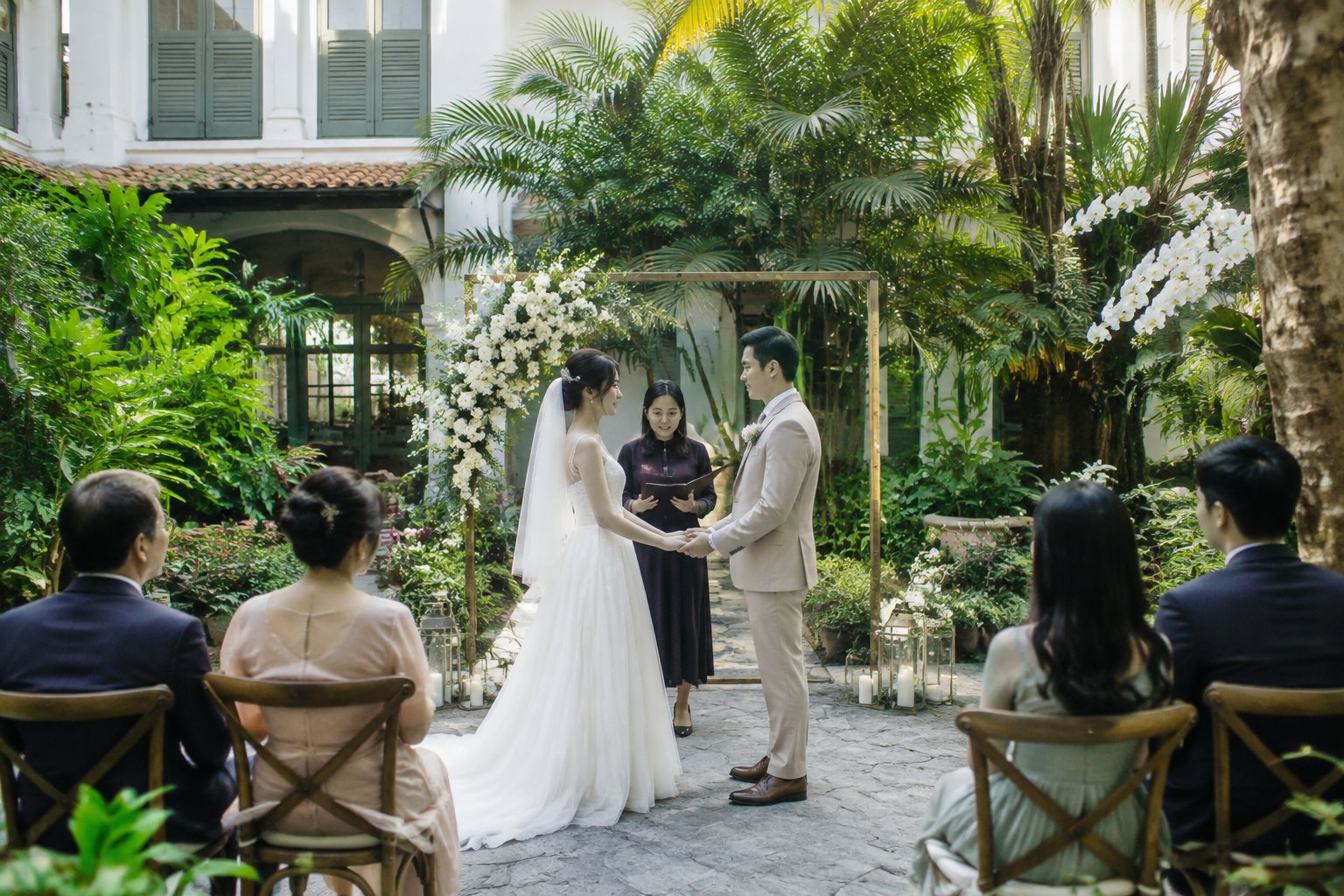
Your guest count will guide your venue search, from a private room for a small family gathering to a garden estate for a larger group. If you’re still deciding what size feels right, explore what an intimate wedding can look like and start with the people you most want beside you.
Once you have a rough headcount, you can begin asking venues about dates and viewing options.
Which Venues Suit a Small Wedding in Singapore?
Singapore’s small wedding venues range from heritage buildings and leafy outdoor settings to restaurants and waterfront spaces. Choose a place that fits your guest count and the mood you want, then confirm its current event setup and terms.
Heritage Spaces and Characterful Interiors
For a setting with architectural character, consider Alcove at Caldwell House, The Secret Patio, The Secret Haven, or Casa Bayu by The Chic Wedding. These names give you a useful starting point for exploring heritage details, distinctive interiors, or a private event atmosphere.
Ask each venue how its rooms are arranged for your guest count and whether you can host both your ceremony and reception there. When you compare wedding venues in Singapore, look beyond the photos.
Find out which areas are included in your booking, what décor the venue permits, and how much setup time you receive. You can use these tips for choosing a venue for a small wedding to build a shortlist around your priorities.
Gardens, Rooftops, and Outdoor Settings
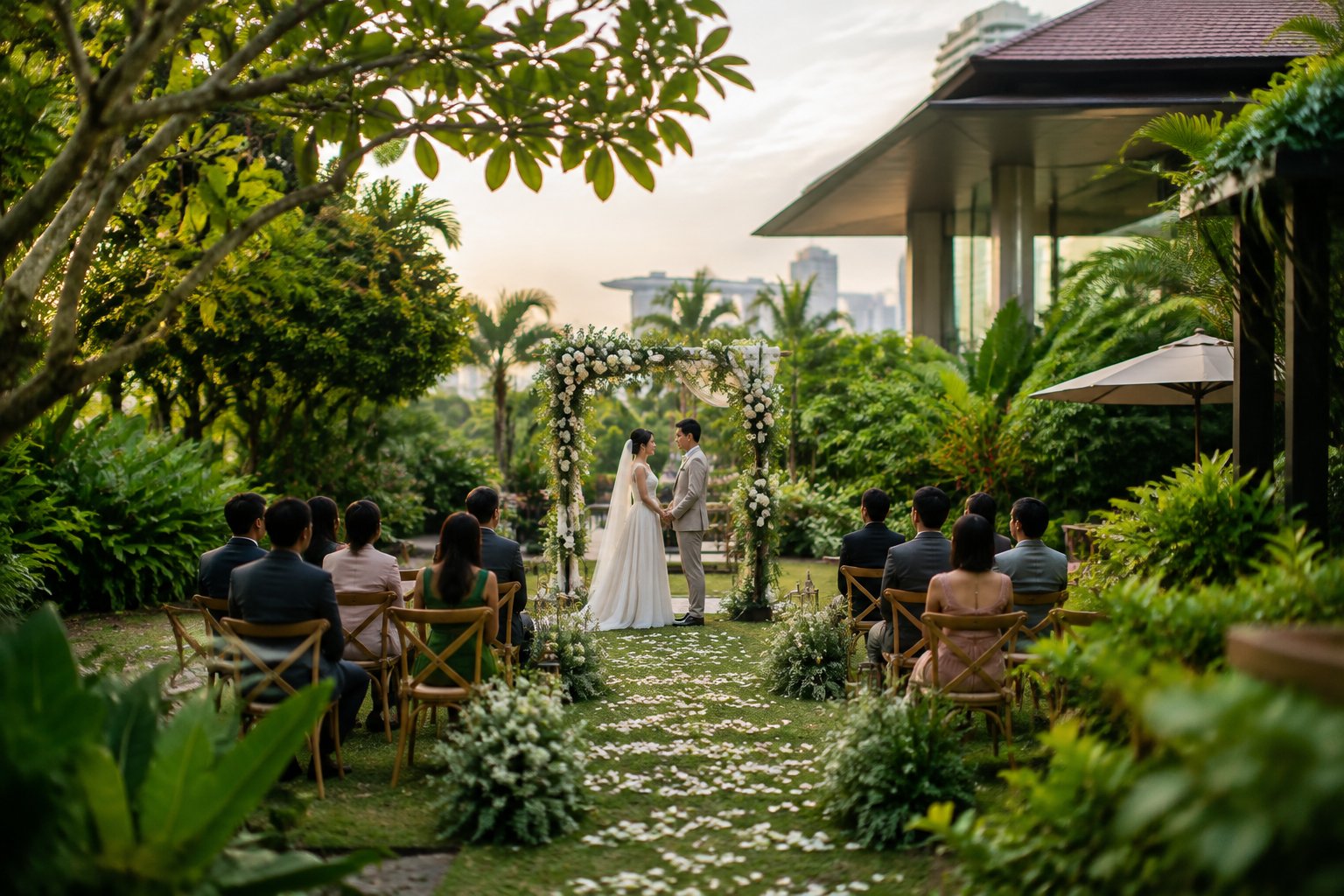
The Summerhouse, Wheeler’s Estate, and Open Farm Community are options to explore if you want greenery or an outdoor feel. Sky Garden Sentosa can suit couples drawn to an elevated setting.
For each venue, ask which areas are available for your event, how the space works at your headcount, and what happens if rain affects your plans. Outdoor intimate wedding venues give your ceremony a natural backdrop, while a nearby sheltered area can make the day easier to manage.
Check the plan for moving guests indoors, including the room’s capacity and when the venue makes the weather call.
Restaurants, Private Dining, and Waterfront Views
Restaurants and dining venues can make the meal the center of your celebration. You might compare Tiara Waterfront and Grand Copthorne Waterfront Hotel for a waterfront setting, or ask Little Island Brewing Co, Altro Zafferano, The Masons Table, PS.Cafe, and Food for Thought at National Museum about spaces suited to smaller gatherings.
A private dining room or restaurant booking can help your group feel close and relaxed. Ask about menu choices, service style, minimum spend, and whether the space is exclusive to your party.
These details help you compare unique wedding venues with more traditional small wedding venues.
How Do You Choose the Right Space for Your Guest List?
Choose a venue that fits your confirmed guest count, gives guests room to move, and supports your day’s practical needs. A clear headcount and a site visit help you judge whether a room will feel comfortable once tables, ceremony seating, and décor are in place.
Match Capacity to Your Headcount
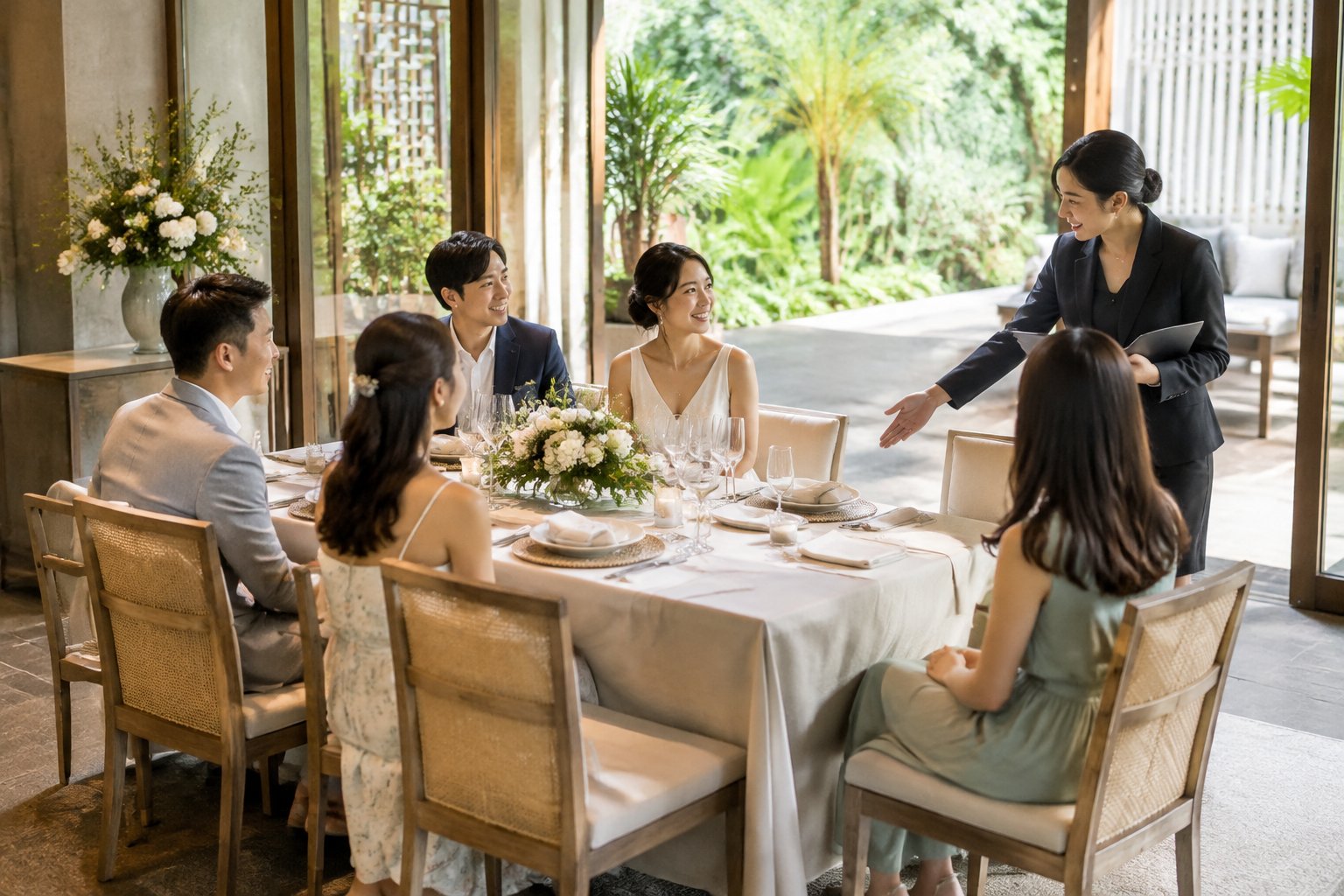
Start with a realistic guest list before you contact venues. Ask about both seated and standing capacity, and request the recommended layout for your expected number.
A venue’s maximum capacity may leave little room for a ceremony aisle, musicians, or a welcome table. If your list is still shifting, set a clear invitation rule and estimate who is likely to attend.
A small-wedding guest-list plan can help you settle on a number before you commit to a space.
Compare Layouts, Privacy, and Venue Feel
Ask to see the actual room or outdoor area you would book. Walk through where guests will arrive, sit, eat, and gather for photos.
A compact layout can feel warm and connected when guests have enough space to move between moments. Check whether you’ll have private use of the space or share nearby areas with other diners or events.
If you want a quiet ceremony followed by lively conversation, ask how the venue can arrange the seating and sound setup to support both.
Check Accessibility and Weather Plans
Make the guest journey comfortable from arrival to departure. Confirm public transport access, parking, step-free routes, lifts, and accessible restrooms, especially if older relatives or guests with mobility needs will attend.
For outdoor venues, ask to see the wet-weather setup. Confirm that the sheltered option fits your full guest list and that you know who decides when to move the event indoors.
What Should You Budget for the Venue?
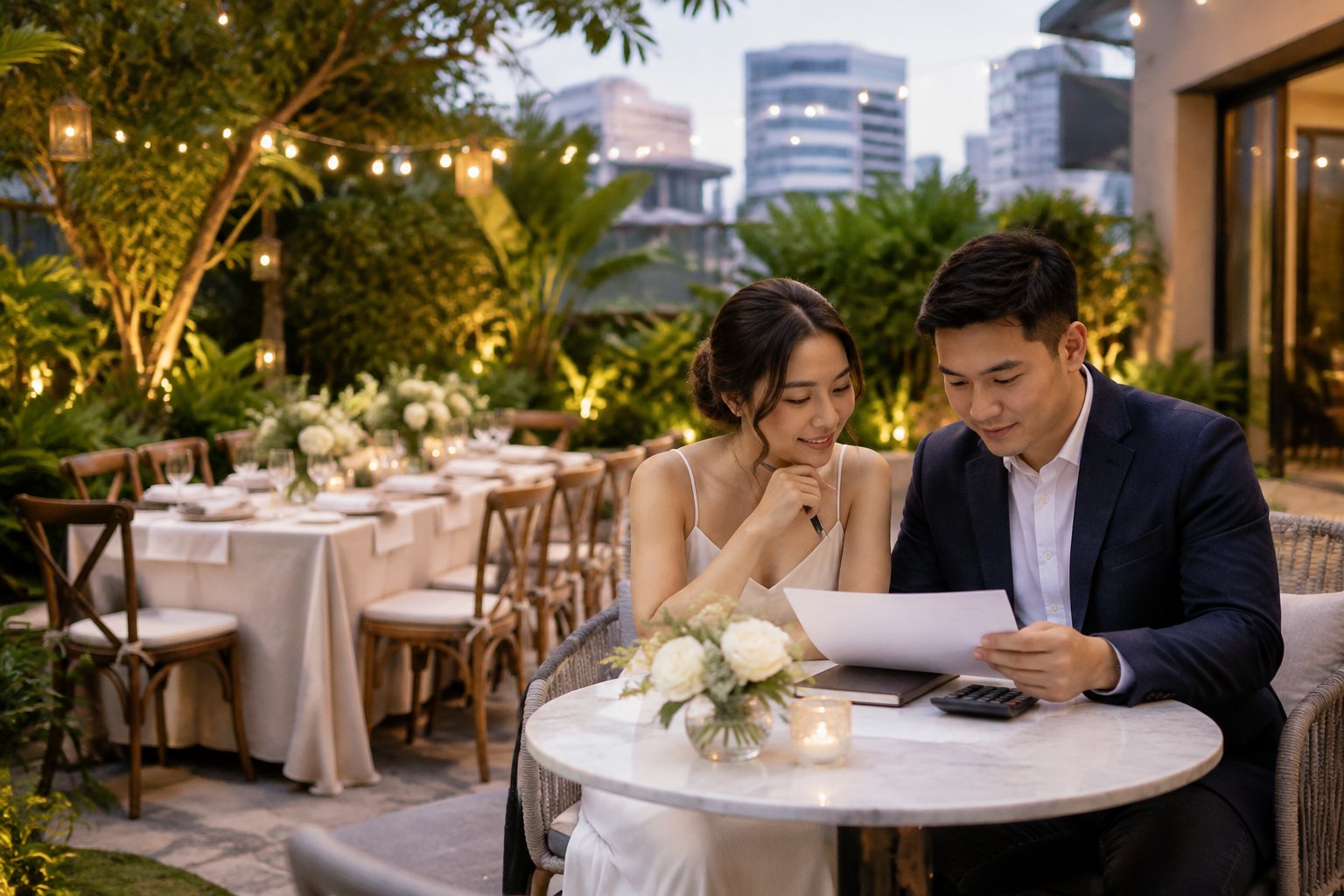
Build your venue budget from the full written quote, including the room, food, drinks, taxes, service charges, and any required extras. The price model can vary between venues, so compare the total cost for your date and guest count.
Compare Minimum Spend and Package Inclusions
Ask whether the venue charges a room-hire fee, a minimum spend, a per-person package, or a combination. Then check what the quote includes, such as tables, chairs, linens, basic sound equipment, setup, and event support.
A package with a higher starting price may include items you would otherwise rent separately. Use a wedding budget worksheet to list the costs you want to compare and keep your quote notes in one place.
Account for Food, Drinks, and Service Charges
Food and beverages can make up a large part of your venue spend. Request the menu and beverage options, ask whether you can accommodate dietary needs, and check charges for corkage, outside cakes, or extra service time.
Confirm whether the quoted prices include GST and service charge. Ask for the final amount in writing so you can compare venues on the same basis.
Set Aside Funds for Styling and Photography
A distinctive interior or garden can give your celebration plenty of atmosphere, while focused styling can bring in personal details. Ask which decorations are included and what rules apply to florals, candles, signage, or items attached to walls.
Set a separate amount for photography and styling, then check when vendors can access the venue. Clear setup times help your team plan the details without adding last-minute fees.
How Can You Make a Smaller Celebration Feel Personal?
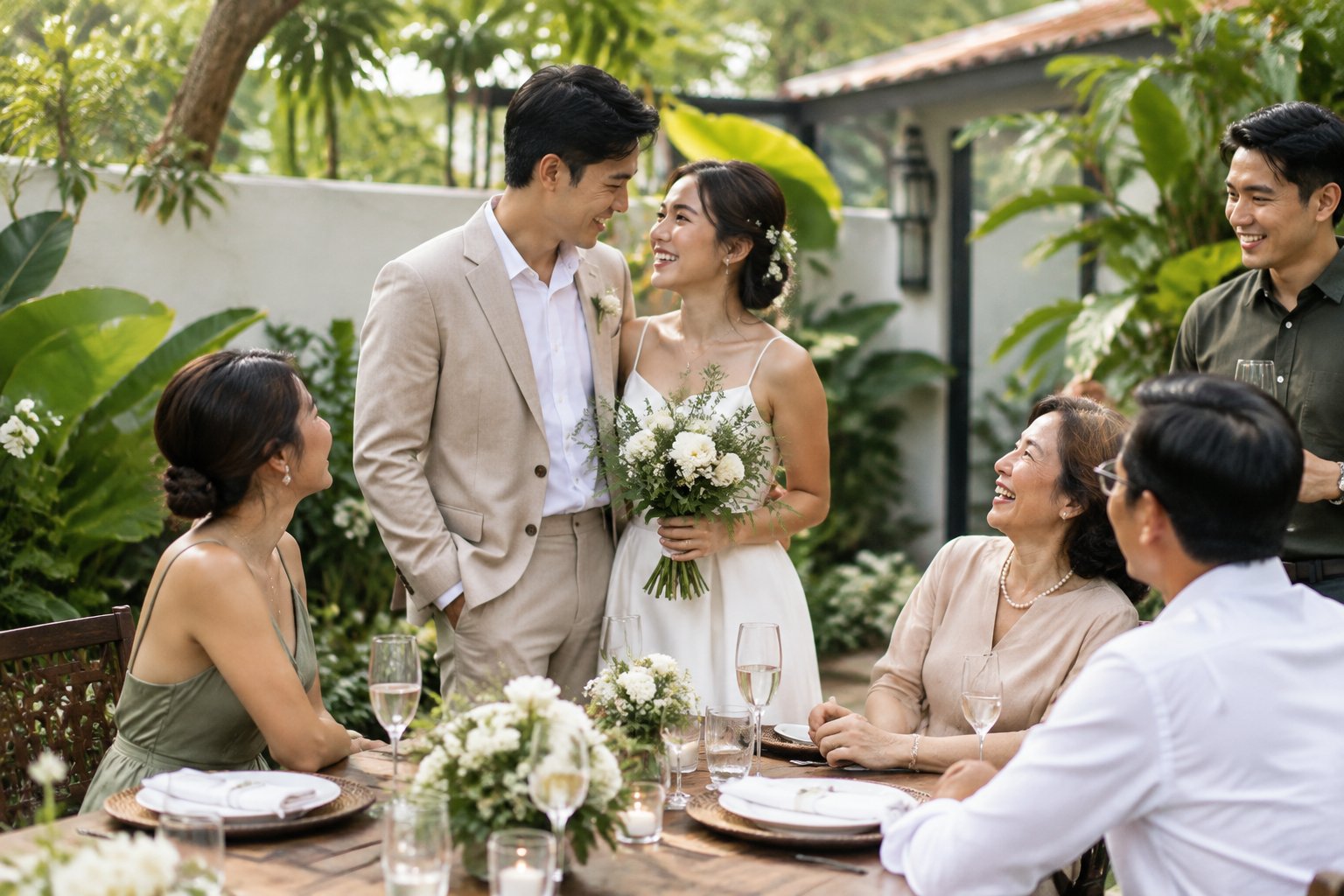
You can make a small celebration feel personal by giving the day a relaxed pace and choosing details that reflect your relationships. A thoughtful ceremony, a family ritual, and a meal designed for your guests can shape a warm experience without an elaborate production.
Plan a Relaxed Ceremony and Reception
Build your schedule around one main gathering, such as a long lunch or dinner. Leave time for greetings, photos, and conversation, and share the running order with your venue and vendors.
You can add personal vows, a short reading, or a toast from someone close to you. For more options, browse these ideas for a small wedding and choose the ones that fit your style.
Include a Tea Ceremony
If a tea ceremony is part of your family’s traditions, ask the venue where it can take place and how much time you’ll need. Confirm seating for family members, the table setup, and whether the ceremony can flow into the reception without moving guests far.
Talk through the order of events with your families as part of your wedding planning. A shared schedule helps everyone know when to arrive and where to gather.
Focus Spending on Guest Experience
A small guest list gives you room to focus your budget on the parts of the day your guests will notice. You might choose a menu that suits the group, handwritten place cards, or a playlist with personal meaning.
Ask guests about dietary needs in advance and share the details with the venue. For ideas that help you make your wedding feel memorable, choose a few personal touches you can carry through the ceremony and meal.
What Should You Confirm Before Booking?
Before you pay a deposit, get the venue’s availability, costs, policies, and event logistics in writing. A clear agreement gives you and the venue team the same expectations for the day.
Ask About Availability and Booking Terms
Confirm your preferred date and ask how long the venue can hold it while you review the offer. Check the deposit, payment dates, cancellation terms, and postponement policy before signing.
Read the agreement carefully and make sure every promised inclusion appears in the written terms. Keep copies of the quote, package details, and any email updates.
Confirm Catering, Décor, and Audio-Visual Details
Ask whether catering is in-house or handled by an outside vendor, and confirm the menu, tasting arrangements, and dietary options. Check the venue’s rules for bringing in drinks, a wedding cake, or other food.
Review the décor rules and confirm what equipment is available, including microphones, speakers, and a screen if you need one. Ask whether you can bring your own florist, photographer, or sound team, and note any access requirements.
Review the Schedule and Backup Arrangements
Confirm your access time, vendor setup window, guest arrival time, event end time, and pack-down deadline. Ask about overtime charges and who will coordinate with your vendors on the day.
For an outdoor celebration, get the rain plan in writing. Confirm the indoor location, its capacity, and the timing for the venue’s weather decision so your ceremony and reception have a clear backup arrangement.