
Is 1.6 mm Too Thin for a Wedding Band? Exploring Durability and Style
When choosing a wedding band, thickness is an important factor to consider. You might wonder if a 1.6 mm band is too thin for everyday wear. Many experts suggest that a wedding band should be at least 1.8 mm to 2 mm thick for better durability.
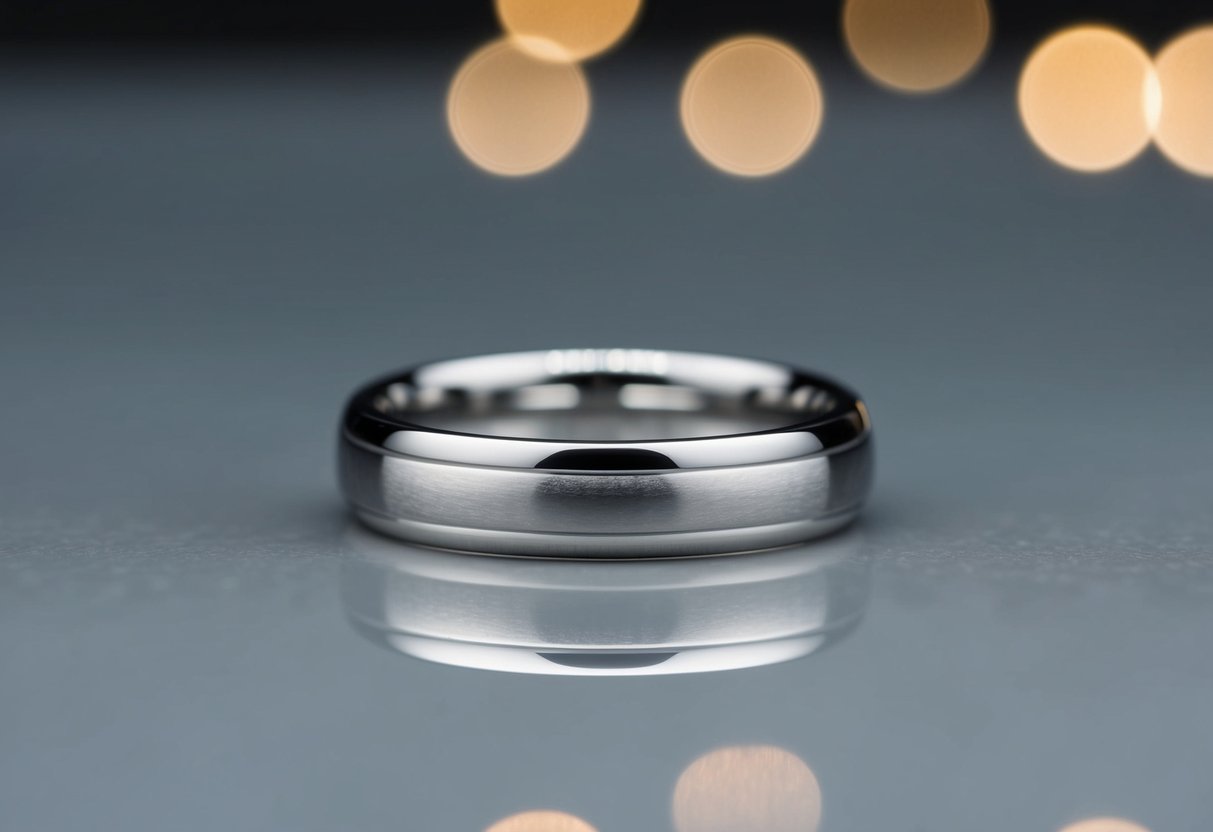
Wearing a thinner band can give you a modern and elegant look, but it may also require more care. If you’re active or work with your hands often, you might want to think twice about a 1.6 mm band, as it could bend or wear down more easily.
In this article, we will explore the pros and cons of thin wedding bands, offering tips on what to consider before making your final choice. You’ll find insights that can help you decide if a 1.6 mm band suits your lifestyle and style preferences.
Understanding Wedding Band Widths
When choosing a wedding band, understanding width can help make the right choice. Band width affects both comfort and style. Let’s look at its significance and how it compares to engagement ring widths.
Significance of Band Width
The width of a wedding band plays an important role in its overall appearance. Most wedding bands range from 1.6 mm to 8 mm wide.
- 1.6 mm bands offer a delicate look.
- 2 mm bands are often seen as standard.
- 3 mm bands are popular for those wanting a balance between elegance and durability.
Wider bands can provide a more substantial feel. These 4 mm wide options may feel sturdier and less likely to spin. However, comfort is key, so consider your everyday wear and personal style when deciding.
Comparing Wedding and Engagement Band Widths
Wedding bands and engagement rings differ in width. Engagement rings are often wider due to larger center stones. The average engagement ring width typically falls between 2 mm and 4 mm, depending on the design.
Wedding bands, like many 3 mm wedding bands, can complement engagement rings. Pairing a 2 mm wide wedding band with a thicker engagement ring can create a balanced look.
Understanding these widths will help you choose the right rings that suit your taste and lifestyle.
The Implications of Choosing a 1.6mm Band
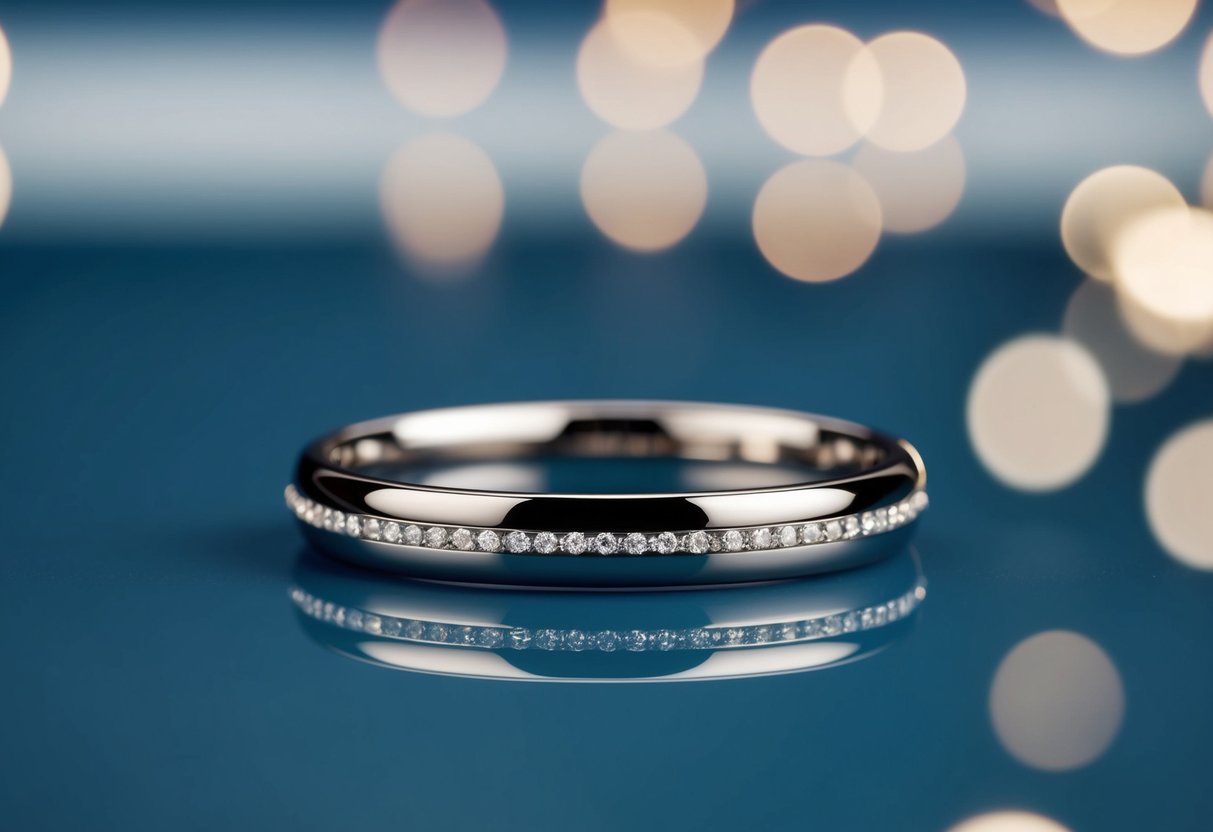
Choosing a 1.6mm wedding band brings both advantages and disadvantages. Understanding these can help you make an informed decision. This thickness often appeals to those seeking a delicate, minimalistic look, but it also raises concerns about durability and longevity.
Pros of Thin Wedding Bands
One major benefit of a 1.6mm band is its elegant appearance. Thin wedding bands offer a refined look that many people love. They are perfect for stacking with other rings or for wearing on their own.
Additionally, these bands often feel lighter on your finger. If you prefer a subtle design that won’t overpower your hand, a thin band is a great choice. You might find that it complements your engagement ring beautifully.
Thin wedding bands can also be more affordable compared to thicker options. This can give you the chance to invest in a higher quality metal, like 14k gold, without breaking your budget.
Cons of Narrow Wedding Bands
While there are benefits, a 1.6mm band may not be suitable for everyone. One concern is how easily they can bend or get damaged. If you regularly engage in activities like lifting heavy objects, your ring might not hold up well.
Additionally, they may not suit all styles or preferences. If you prefer a more substantial or bold look, a thin band might feel too delicate. It’s important to reflect on your lifestyle and personal style when deciding.
Some people may also worry about the longevity of their ring. A thin band might require more care and might need replacing sooner than a thicker option.
Structural Integrity and Durability Concerns
When considering a 1.6mm band, think about its structural integrity. Thin wedding bands are more likely to bend, especially if they are made from softer metals.
Ultra-thin bands can be particularly vulnerable. You may need to avoid rough conditions or heavy impact to keep your ring intact. Regular maintenance and checks are advisable.
If you choose a thin band, ensure you select one crafted carefully. Look for options with a solid construction, which can help improve durability.
Selecting the Right Band for Your Finger
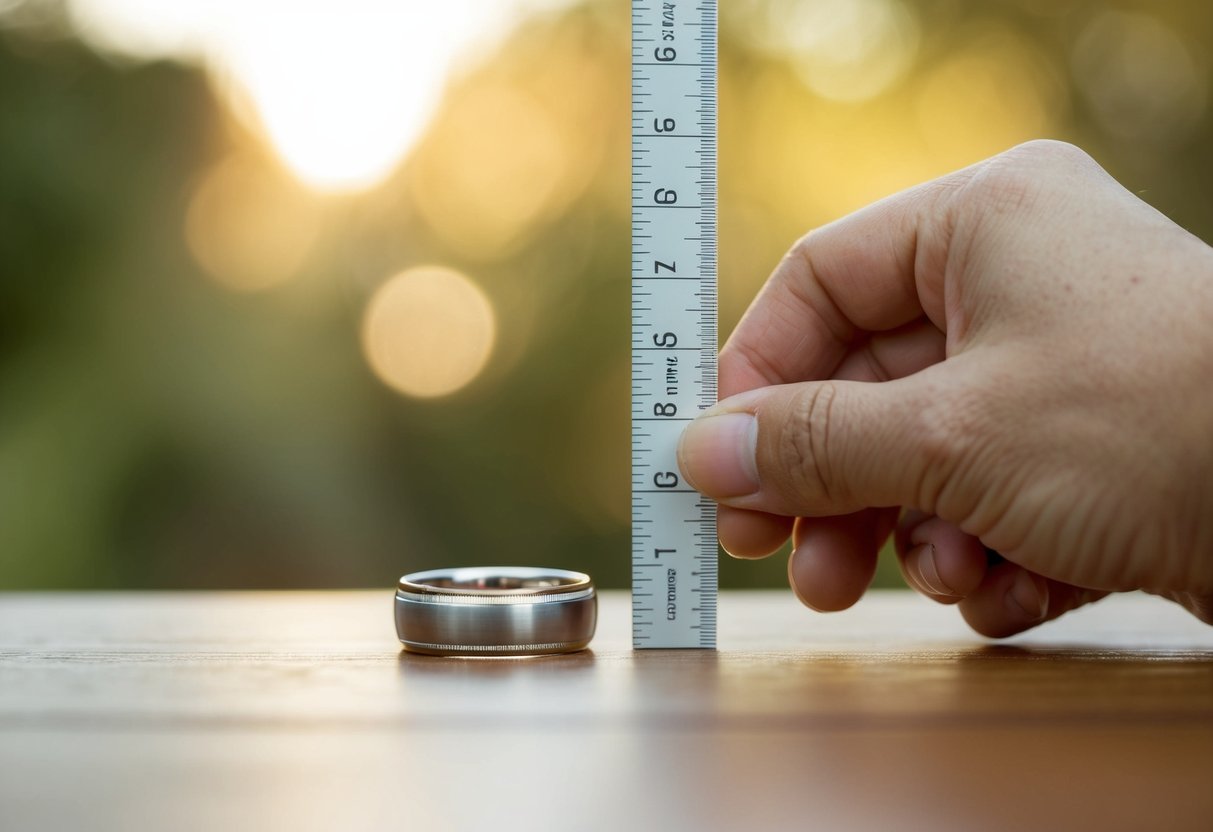
Choosing the right wedding band can greatly enhance your comfort and style. The size of your finger plays a crucial role in this decision. Additionally, considering the visual impact of thicker versus thinner bands will help you find the perfect fit.
Matching Band to Finger Size
When selecting a band, your finger size is essential. A tighter ring can feel uncomfortable, while a loose band may slip off. You want your ring to fit snugly, but not too tight.
Ring Size Tips:
- Measure your finger at the end of the day when it’s slightly swollen.
- Consider the width of the band. Thinner bands often fit tighter than wider ones.
If you’re considering a 1.6 mm band, keep in mind that it might feel different than a wider band. Individuals with larger fingers may prefer wider bands, as they can balance out the proportion and feel more substantial.
Visual Aesthetics vs. Comfort
Another important factor is balancing aesthetics with comfort. Thinner bands, like 1.6 mm, can look elegant, especially with unique designs. They may be preferred if you have smaller fingers or want a minimalist style.
Considerations:
- Wider bands (around 4-6 mm) often make a bold statement and can appear more durable.
- Narrower bands can be delicate, but may not feel as sturdy.
Think about your daily activities. If you work with your hands, a thicker band may hold up better against wear and tear.
In contrast, if you favor subtlety, a thinner band could be just right for you.