
Is 100 People Enough for a Wedding? Exploring Guest List Considerations
When planning your wedding, you may wonder, “is a 100-person guest list enough?” A wedding with around 100 guests often strikes a great balance between intimacy and celebration. This size allows you to invite your closest family and friends while creating a warm atmosphere that feels personal and joyful.
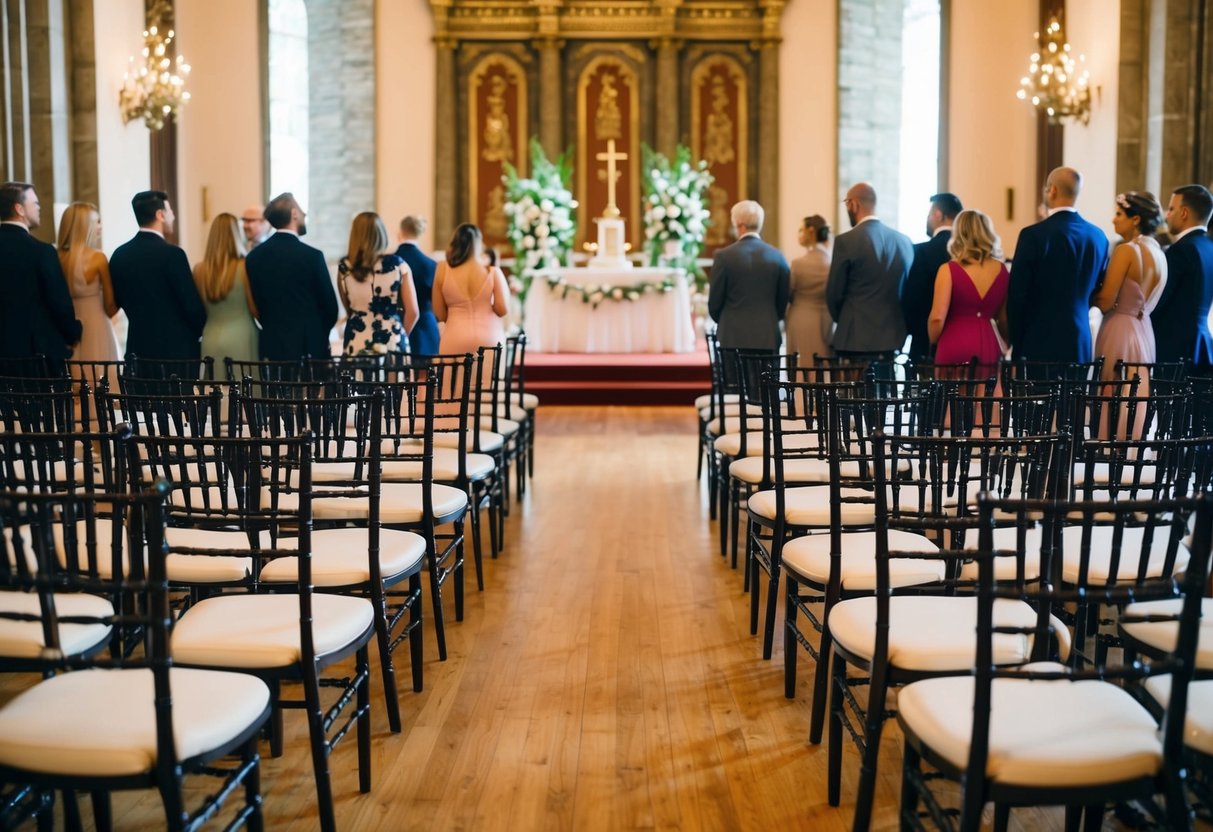
Having about 100 guests means you can share meaningful moments with everyone without the chaos of a large crowd. You can plan for the details that matter most to you, making your special day feel even more memorable. With this number, it’s easier to connect and create lasting memories with every person who matters in your life.
Determining the Ideal Guest Count
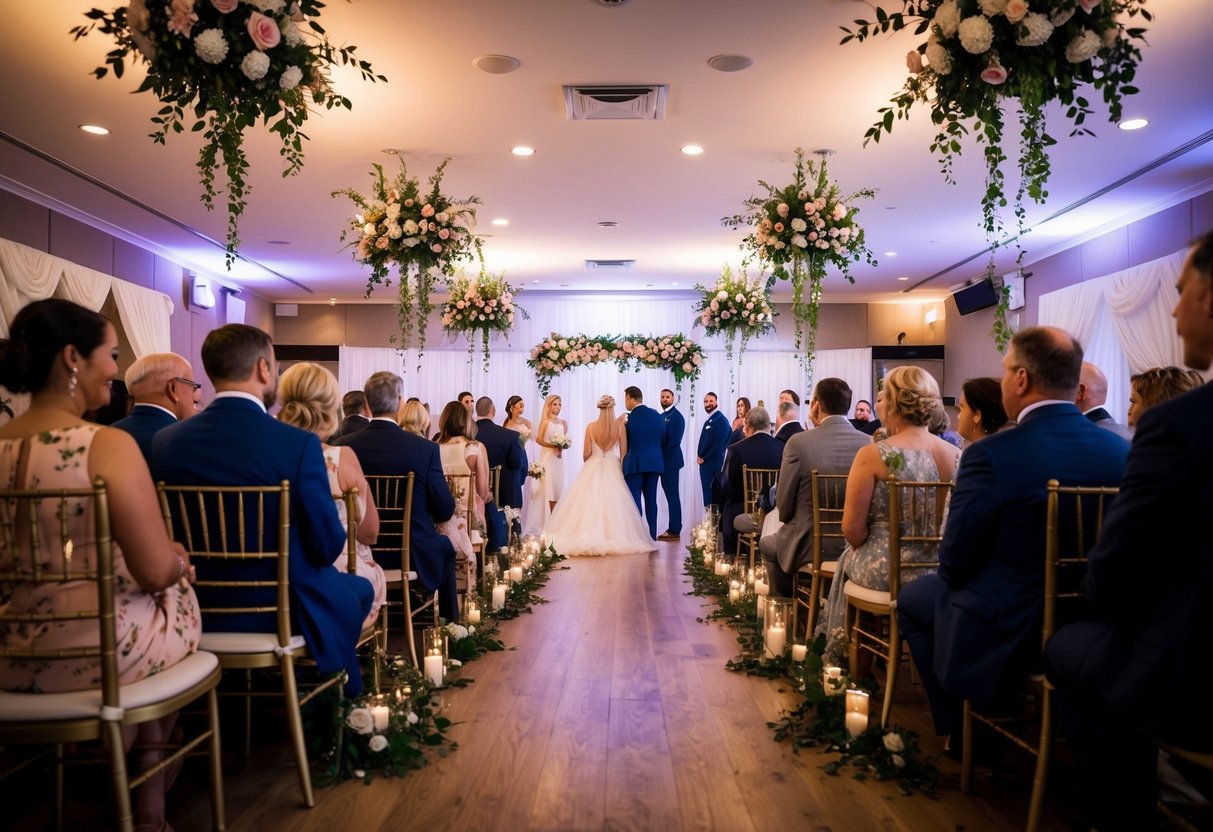
Finding the right number of guests for your wedding can make a big difference. It affects everything from your budget to the overall feel of your special day.
Consider how many people you want to include while keeping the atmosphere you desire.
Understanding the Significance of Guest Numbers
The number of guests you invite holds great importance in your wedding planning. A small guest list can create a special, intimate setting. You can connect with each guest personally, making them feel valued.
On the other hand, a larger guest list means a big celebration. It offers the chance to include extended family and friends, creating a lively atmosphere. Remember, the average wedding size in the U.S. is around 115 guests. This can help guide your decision-making process.
Tips for Guest Count:
- Reflect on your budget.
- Think about the venue size.
- Consider the type of celebration you envision.
Balancing Intimacy and Celebration
Finding the right balance between intimacy and celebration is key. When you aim for about 100 guests, you can enjoy both worlds. This size allows for a warm, close-knit gathering while still feeling festive.
With a group of this size, you can ensure that everyone gets to share meaningful moments together. It’s easier to create personal touches and connections during the event.
Pros of 100 Guests:
- More manageable logistics.
- Personal interactions with guests.
- A joyful, vibrant celebration.
Think about what matters most to you. Whether you prefer a small wedding or a larger affair, the guest count plays a vital role in shaping your day. Make sure your final decision feels right for you and your vision.
Budgeting for Your Wedding
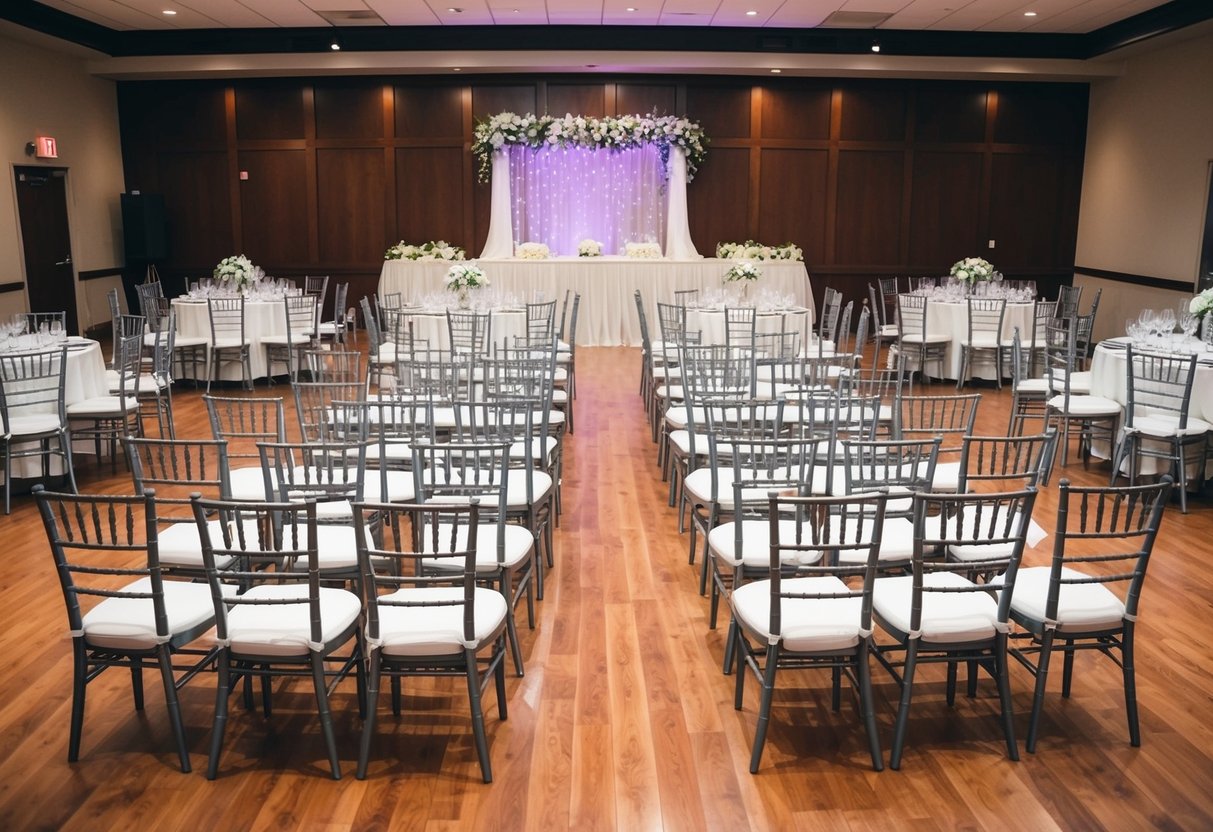
Planning your wedding budget is key to ensuring a memorable celebration without financial stress. Knowing how to allocate funds and being aware of hidden costs can help you keep everything on track.
Allocating Funds for Essential Components
Start by identifying essential components of your wedding. The major areas to consider are your venue, catering, photography, and entertainment.
The average cost of a wedding can vary significantly based on location. For example, venues can range from $5,000 to $10,000 for a 100-person event, depending on the season and amenities.
To allocate your budget effectively, consider the following breakdown:
- Venue: 30%
- Catering: 25%
- Photography/Videography: 15%
- Entertainment: 10%
- Decor: 10%
- Others (dress, rings, favors, etc.): 10%
Adjust these percentages according to your priorities. If you want a live band, you may reduce the decor budget. Always leave a buffer for unexpected costs.
Hidden Costs to Consider
When budgeting, don’t forget about hidden costs that can sneak up on you. Items like tipping vendors, service charges, and taxes can add to your total.
Here are some common hidden costs:
- Service Fees: Caterers and venues often charge fees for setup and breakdown.
- Gratuities: Don’t forget to tip your vendors, usually between 15-20%.
- Alcohol Costs: If you’re providing drinks, include taxes and service fees.
- Decor: Unexpected decor needs may arise, such as additional lighting or centerpieces.
- Transportation: Booking shuttles for guests or transport for the wedding party can be overlooked.
Planning ahead for these expenses ensures your wedding budget covers everything you need without unwanted surprises.
Orchestrating the Wedding Day Experience
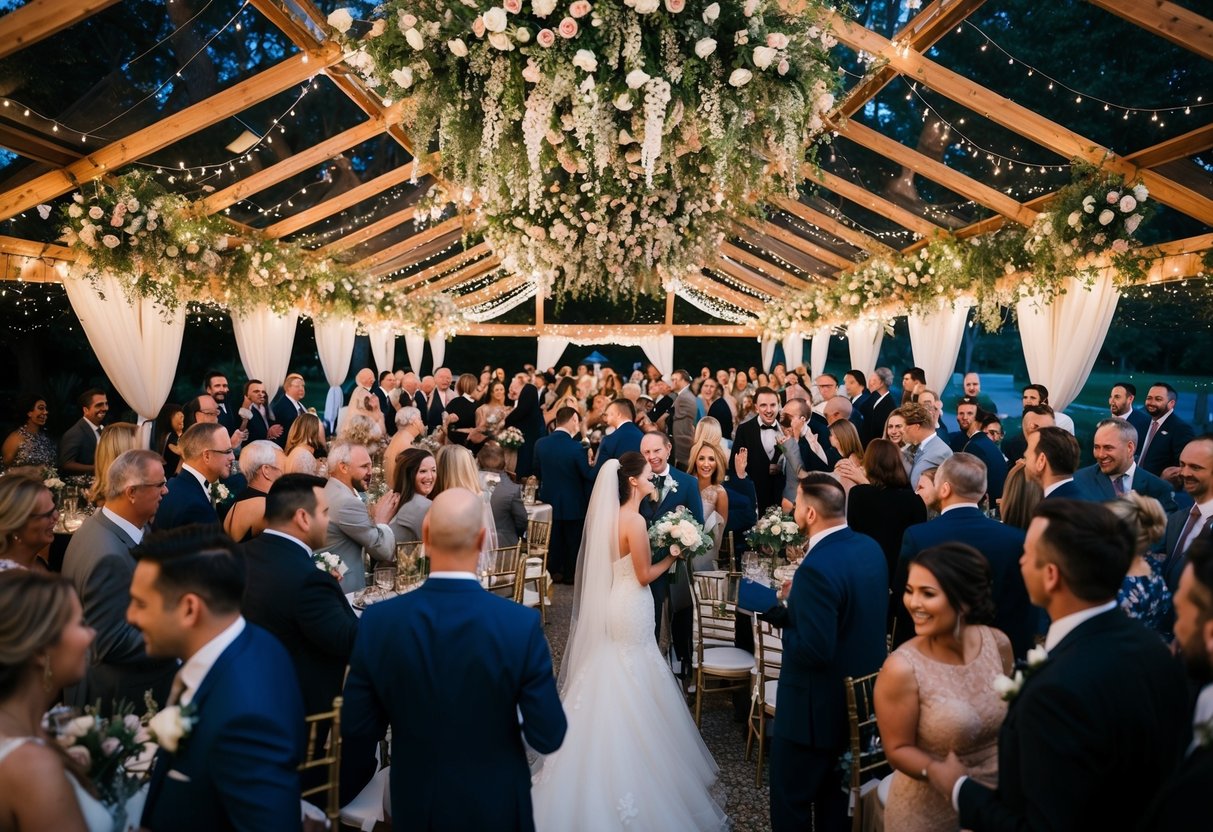
Creating a memorable wedding day with 100 guests requires careful planning. Each detail, from the venue to the entertainment, adds to the overall experience. Here are some key aspects to consider.
Choosing the Right Venue and Vendors
Selecting a venue is one of the most important decisions. Look for a space that can comfortably fit 100 guests while offering both ceremony and reception areas.
Outdoor venues can provide a beautiful backdrop, while indoor venues might be more controlled.
Next, consider your vendors. You’ll need a wedding planner, caterer, and entertainment.
Reach out to reliable wedding vendors through their marketplace. Opt for caterers who can offer a diverse menu that fits your budget.
Make sure to include options for food and alcohol, as this sets the tone for the celebration.
Also, remember to book a good photographer and videographer to capture the day’s special moments.
Flowers can enhance the venue with fresh arrangements. Keep your guest list in mind when choosing decorative elements, so the venue feels intimate yet festive.
Crafting a Memorable Atmosphere
Creating the right atmosphere is essential for an enjoyable wedding day. Lighting plays a vital role here. During the ceremony, use soft lights. For the reception, use dynamic lighting. This can set a romantic mood and energize your guests during dancing.
Think about your entertainment as well. Live music or a DJ can keep the energy high. Make a list of songs you want to hear, including special dances. Fun interactive elements like photo booths or games can also engage guests.
Finally, consider the overall decorations. Incorporate unique elements that reflect your personality as a couple. This could be thematic table settings, personalized favors, or special seating arrangements. All these aspects work together to craft an unforgettable experience for you and your guests.