
Is $100000 Too Much for a Wedding? Exploring Wedding Costs and Expectations
When planning your wedding, it’s easy to get caught up in the excitement. You want to celebrate your love and commitment in a way that feels special. Many couples may find a $100,000 wedding extravagant, but whether it is too much depends on your financial situation and priorities.
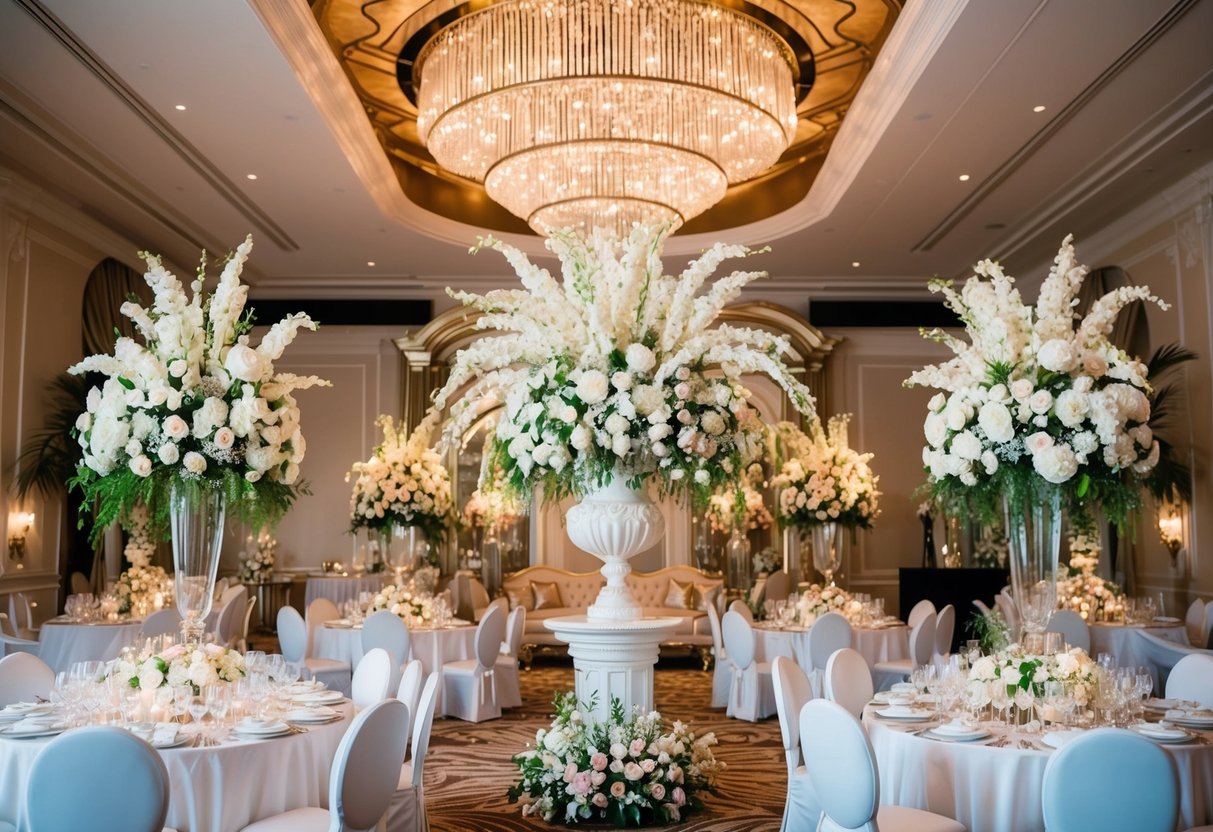
Budgeting for such an event involves more than just numbers; it’s about what feels right for you and your partner. You might envision a luxurious day filled with grand details, or perhaps a smaller, intimate gathering suits you better.
Understanding how much you can comfortably spend will help you make choices that align with your values and financial goals.
As you consider your wedding plans, think about what matters most to you as a couple. Balancing your dreams with your financial reality can lead to a happier and stress-free planning experience. Remember, your wedding should reflect your unique love story, no matter the budget.
Understanding the Costs of a Wedding
Weddings can vary greatly in cost. Knowing how much you might spend helps in planning your special day. Here, we’ll break down average expenses and discuss when a $100,000 budget makes sense.
Breaking Down the Average Wedding Cost
In recent years, the average cost of a wedding in the U.S. has been around $30,000 to $40,000. This includes expenses like the venue, catering, and entertainment. Here’s a simple breakdown of common wedding expenses:
- Venue: 30% of your budget
- Catering: 25% of your budget
- Photography/Videography: 10% of your budget
- Attire: 8% of your budget
- Flowers/Decor: 10% of your budget
- Entertainment: 10% of your budget
- Miscellaneous: 7% of your budget
These percentages can help you create a budget breakdown tailored to your needs. For every aspect, consider getting quotes from different vendors to find the best fit for your budget.
When Is $100,000 Justifiable?
Spending $100,000 on a wedding can seem excessive at first. Still, there are times when this budget makes sense. If your combined household income is high, this amount may be reasonable.
For example, if you earn $1 million yearly, spending 10% on a wedding aligns with typical financial advice.
High costs can also reflect more lavish choices. Venues in top locations, gourmet catering, and designer dresses contribute to a higher budget.
Remember, what matters most is aligning your spending with your priorities and values. It’s all about what will create the most memorable experience for you and your guests.
Allocating Your Wedding Budget
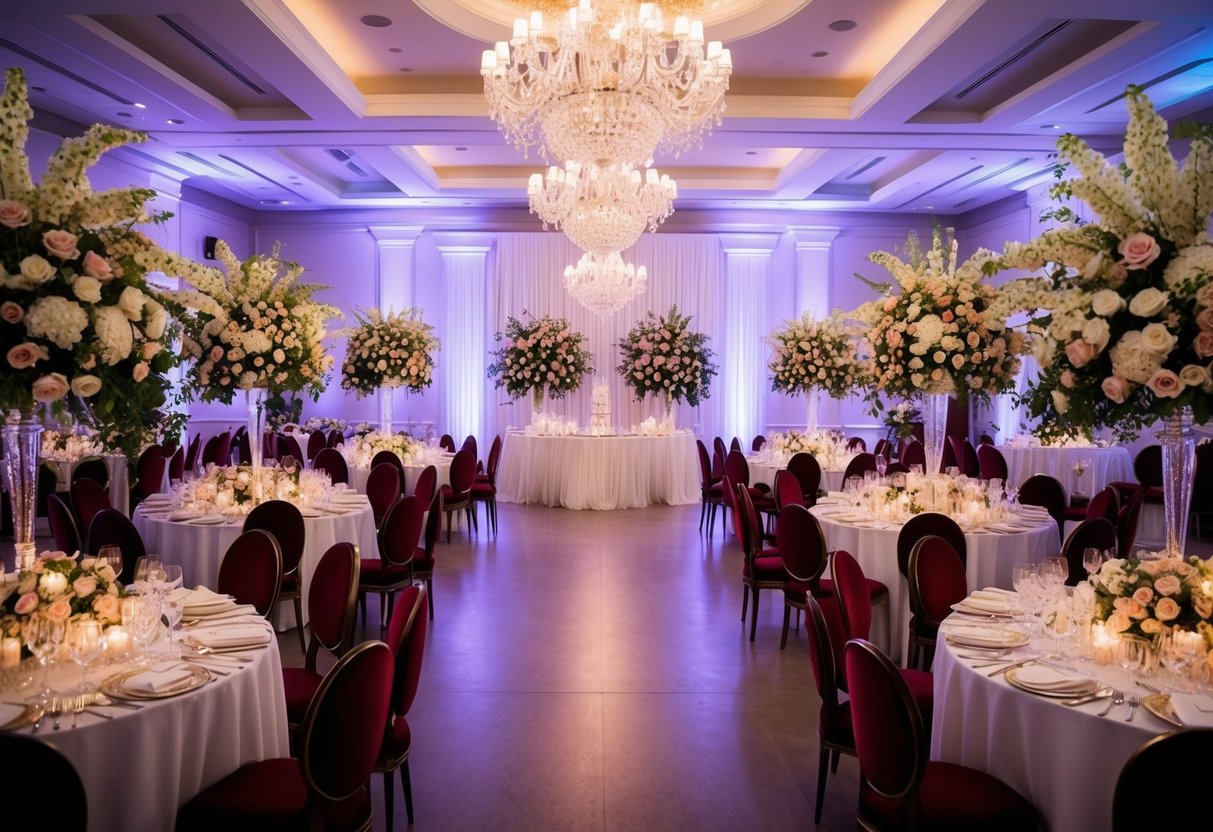
Setting a clear budget is key to a successful wedding. You want to make sure your money goes to what matters most to you while still finding areas to save.
Prioritizing Major Wedding Expenses
When you start planning your wedding, identify which expenses are most important to you. Common major expenses include:
- Catering: This often takes up a large chunk of your budget. Think about the style of food you want and the number of guests.
- Attire: Wedding attire can vary widely in cost. Setting a reasonable budget for the dress or suit is essential.
- Photography: Capturing your special day is important. Investing in a good photographer can make all the difference.
- Floral arrangements: Flowers can enhance the beauty of your wedding. Choose a florist who can work within your budget while offering creative options.
- Live entertainment: Whether it’s a band or DJ, the right entertainment keeps your guests happy.
By identifying your priorities first, you can allocate funds accordingly.
Saving on Wedding Costs Without Compromising Quality
You don’t have to sacrifice quality to save money on your wedding. Here are some friendly tips to cut costs:
- Consider off-peak dates: Weddings on weekdays or during the off-season can save you significantly, especially on venue rental.
- DIY options: If you’re crafty, consider making your own floral arrangements or simple decor. This can add a personal touch and save money.
- Limit the guest list: A smaller guest list can reduce catering and venue costs, allowing you to focus on quality over quantity.
- Shop sales: Look for discounts on attire and decor. Many vendors offer sales at different times, especially after peak wedding seasons.
- Negotiate with vendors: Don’t hesitate to discuss pricing with vendors. Sometimes, they can offer discounts or suggest affordable alternatives.
By staying mindful of your priorities and finding ways to save, you can create a memorable wedding without overspending.
The Impact of Guest Count on Your Budget
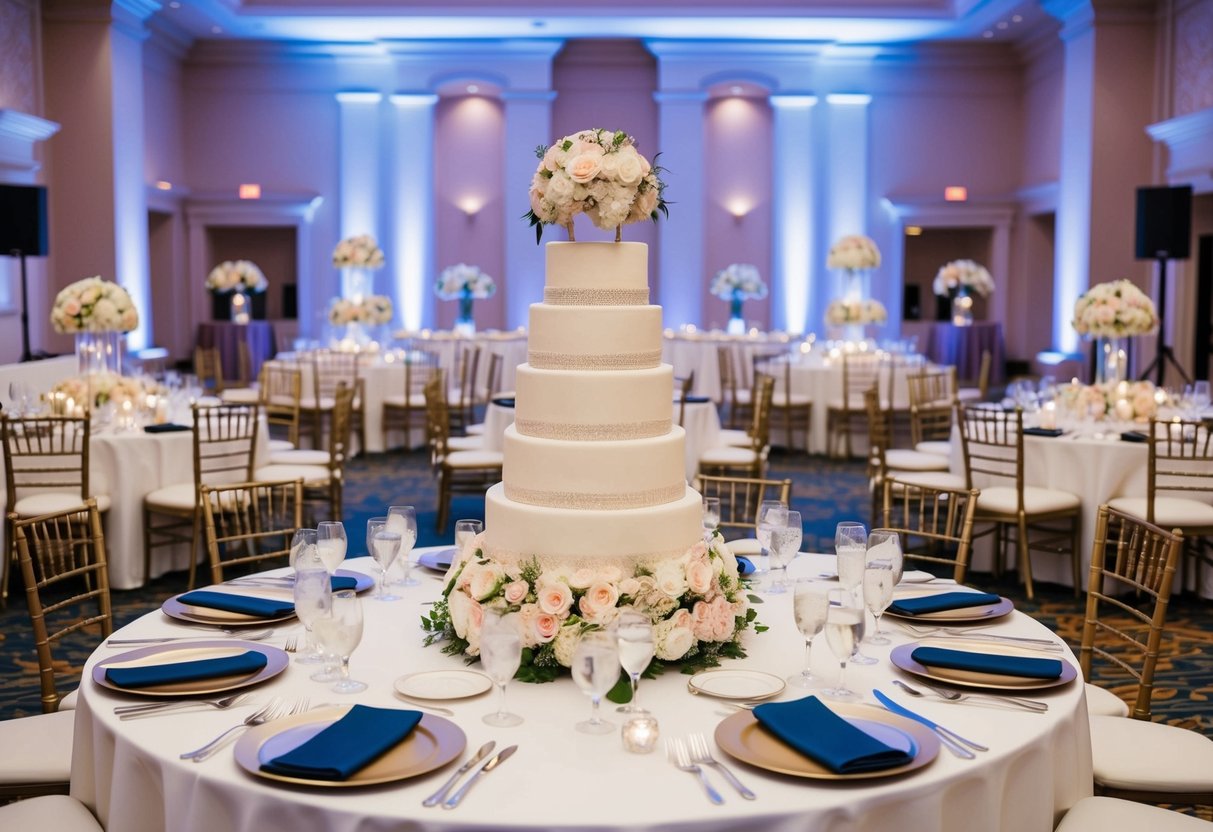
Your guest count plays a big role in your wedding budget. The more guests you invite, the higher your costs will be for food, drinks, and other expenses. It’s important to find a balance between inviting everyone you want and staying within your budget.
Determining the Ideal Guest List
Start by making a rough list of everyone you want to invite. This can include family, friends, and colleagues. Once you have a preliminary list, prioritize your guests. Consider who you feel must be there versus those you would like to invite.
Next, think about the cost per guest. For instance, if your venue charges $100 per person, a wedding of 100 guests could cost $10,000 just for food and drinks. This doesn’t include other expenses like wedding favors or decorations.
Creating a smaller guest list can significantly reduce costs while also allowing for a more intimate celebration. Use this to guide your final decisions.
Enhancing the Guest Experience
A smaller guest list can enhance the overall experience. With fewer guests, you can offer higher-quality food and personalized wedding favors. Your wedding planner can help you create unique experiences that align with your budget.
Focus on what will make your guests feel special. This could be custom drinks or fun activities during the reception. Even small touches can make a big impact. For example, if you choose to spend more on fewer favors, your guests will appreciate the thoughtfulness.
Final Considerations for a Lavish Wedding
Planning a lavish wedding involves keeping several factors in mind.
First, think about your financial stability. A budget of $100,000 can provide many options, but it’s important to spend wisely.
Consider hiring a wedding consultant. They can help coordinate your dream day, ensuring everything runs smoothly. This can reduce stress and help you enjoy the experience more.
When selecting vendors, look for experienced photographers and videographers. Capturing your special moments is crucial. Quality matters, so consider investing in skilled professionals even if it costs more.
Don’t forget about the ambiance. Custom lighting can transform any venue and create a beautiful atmosphere. You might also want to hire a professional DJ to keep the energy high throughout the event.
A fun addition like photo booths can enhance your guests’ experience. They are a great way for everyone to create lasting memories.
Lastly, think about the overall wedding experience. Your choices—from the venue to the food—should reflect what you value most. Make sure to plan elements that will make the day unforgettable for you and your guests.