
Is $100K Too Much for a Wedding? A Practical Cost Guide
A $100,000 wedding is far above the typical U.S. wedding spend, but it can fit if you can afford it without harming your other financial goals and it reflects what you both value. If you’re asking, “Is 100k too much for a wedding?”, compare the total with your finances, guest list, and local vendor prices before you commit.

A large wedding budget can create a memorable celebration, yet the number alone does not tell you whether the spend makes sense for you. Start with a shared spending limit and list what you want your wedding experience to include.
If you’re setting that limit now, choose a wedding budget that fits your plans, then compare it with real quotes before booking vendors.
How Does $100,000 Compare With Typical Wedding Costs?
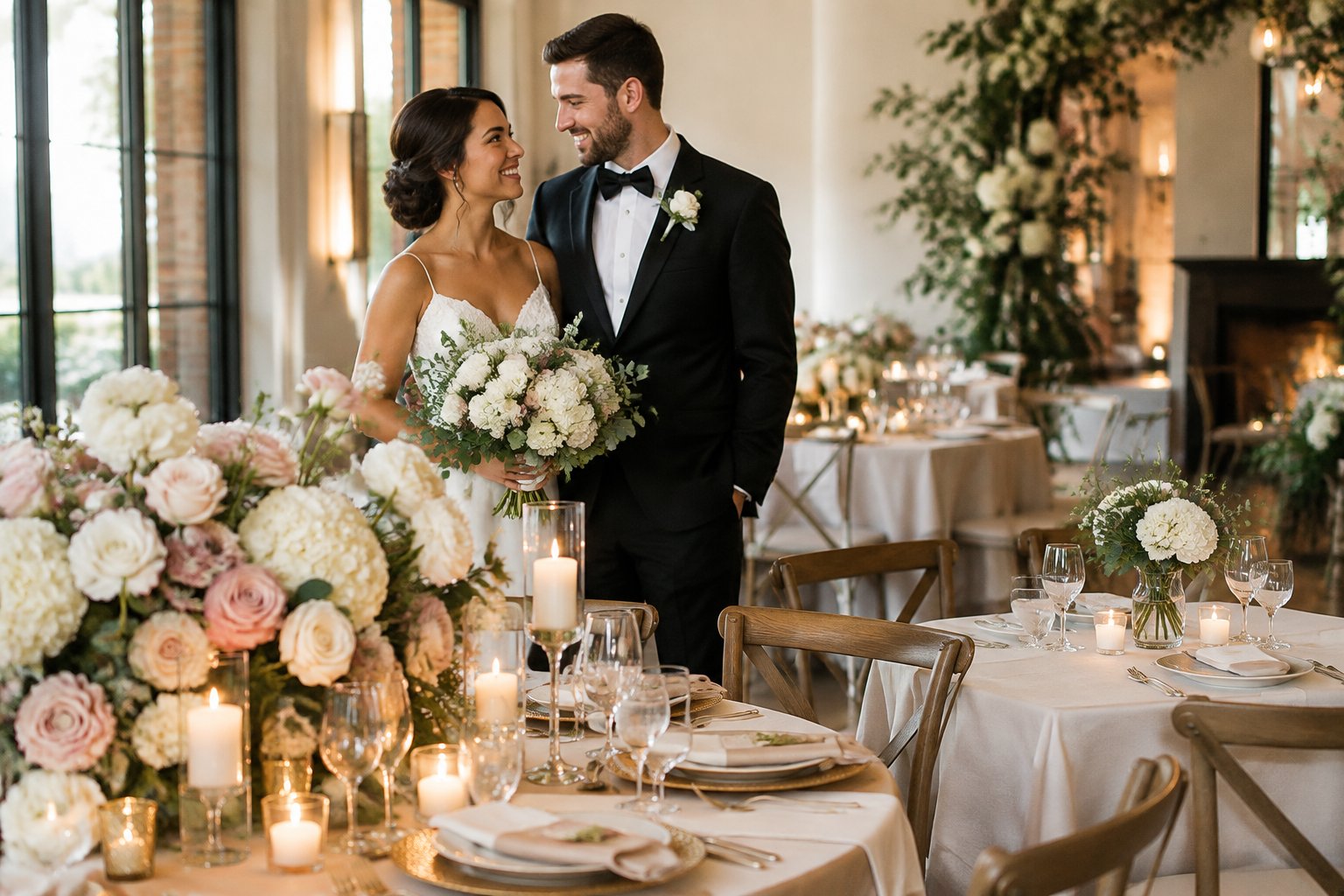
A $100,000 wedding costs close to three times the latest national average, though local prices and guest count shape the comparison. A per-guest estimate gives you a clearer way to compare your plans with celebrations of a different size.
What Is the Average Wedding Cost in the U.S.?
The average U.S. wedding cost was $34,200 in 2025, according to a national study published in 2026. At $100,000, your wedding budget is nearly three times that figure.
The average gives you a useful reference point, not a spending rule: couples’ costs differ by location, guest count, and the services they book. For a broader sense of how expensive most weddings are, look at local prices along with national figures.
A national average cannot tell you what a venue or caterer costs in your area, and it does not set a target for your celebration.
How Do Location and Guest Count Change the Comparison?
Your location and guest count can shift wedding costs sharply. A $100,000 celebration for 200 guests works out to $500 per guest when you divide the full budget by the number invited.
At 100 guests, the same budget equals $1,000 per guest, leaving more room for premium food, entertainment, or décor. That calculation includes fixed costs, such as photography and planning, so it is not the same as a caterer’s per-person price.
Compare venue minimums, service fees, and catering quotes in the place you plan to marry. A smaller city and an intimate guest list can make $100,000 feel expansive; a major city and a large guest list can use it quickly.
What Can a $100,000 Wedding Budget Cover?
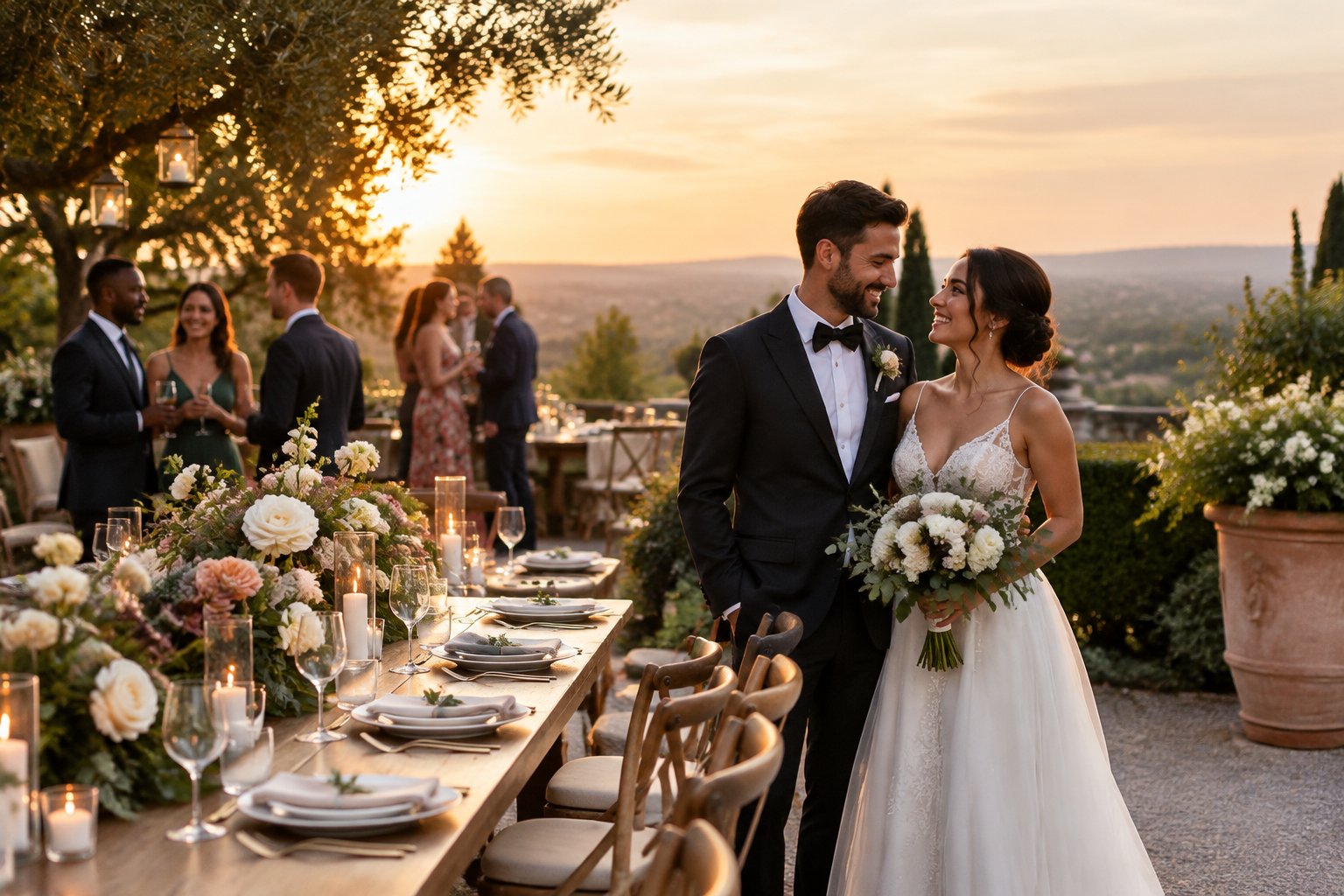
A $100,000 wedding budget can pay for a high-quality venue, generous food and drink service, and skilled vendors, with room for personal touches. Your final allocation should reflect written quotes and include a reserve for taxes, fees, and changes.
As a starting point, you could divide the budget this way:
| Category | Sample amount |
|---|---|
| Venue and rentals | $27,000 |
| Food, cake, and drinks | $24,000 |
| Photography and video | $10,000 |
| Flowers and décor | $8,000 |
| Music and entertainment | $6,000 |
| Wedding planner | $5,000 |
| Attire, beauty, and rings | $7,000 |
| Transportation, stationery, and officiant | $4,000 |
| Taxes and service fees | $4,000 |
| Contingency reserve | $5,000 |
| Total | $100,000 |
These are planning figures, not set prices. If your venue quote includes rentals or your family is paying for attire, shift those dollars to another priority.
A wedding budget breakdown helps you track those choices as quotes come in.
How Much Might Go to the Venue, Food, and Drinks?
The venue, rentals, catering, and drinks can use about half of your budget, depending on the package and guest count. Check whether a venue quote includes tables, chairs, linens, staffing, setup, and cleanup.
Ask the caterer whether the price covers service, rentals, cake, and bar staff. Food and drink costs rise with each added guest, and premium menus or full open bars raise the per-person price.
When you compare quotes, check the total after service charges and taxes. Venue and catering choices tend to set the limits for the rest of your spending plan.
For more context on the largest wedding expense, review what your venue package includes before you sign.
What Should You Set Aside for Photography, Attire, and Décor?
Set aside funds for photography and video, attire and alterations, flowers, lighting, and other décor. In the sample plan, those categories receive $25,000 combined, including $10,000 for photography and video.
You can move that balance toward the parts you care about most. Your photography quote may cover a set number of hours, editing, and an online gallery.
Confirm the coverage before you compare prices. For attire, include alterations, shoes, accessories, and beauty services.
For flowers and décor, ask about delivery, installation, and breakdown charges, as well as whether the quote includes candles, linens, or specialty rentals.
Which Often-Forgotten Expenses Belong in the Budget?
Add a reserve for costs that can be missed during early planning. Taxes and service fees can lift vendor quotes, while overtime charges can apply when an event runs late.
Your wedding planner can help you identify timing and logistics costs before they catch you by surprise. Include these items in your working budget:
- Marriage license and officiant fees
- Gratuities and vendor meals
- Alterations, steaming, and attire preservation
- Guest transportation, parking, and hotel costs you plan to cover
- Rehearsal dinner or other wedding-weekend events
- Postage, extra stationery, and last-minute rentals
Keep the reserve separate from your planned vendor spending. Use it for expenses that arise during planning, and adjust other categories if a quote exceeds your estimate.
Which Decisions Drive Wedding Expenses Up?

Guest count, location, and the level of customization have the strongest effect on the final bill. A luxury wedding can include premium services and custom design, while a lavish wedding with a large guest list can add major food, staffing, and rental costs.
How Do Guest Count and Location Affect the Total?
Every added guest can increase costs for food, drinks, place settings, invitations, and staffing. A larger list may also require a bigger venue, more tables, and more transportation or parking support.
Set a guest limit before choosing a venue so you can compare spaces that fit your plans. Location affects vendor rates and availability.
A high-demand city or popular resort area can charge more for venues and services, while travel costs can add to the bill when vendors come from outside the area. Check local quotes early and compare the full cost of hosting your guests, including transportation and lodging you plan to pay for.
What Makes a Luxury Wedding or Lavish Wedding More Expensive?
A luxury wedding budget can rise through custom builds, premium menus, high-end rentals, and well-known vendors. Large floral installations, a live band, top-shelf drinks, and extended photo coverage each add cost.
Multi-day celebrations also require additional meals, staffing, and event spaces. A lavish look comes from the full design and service plan, not one purchase.
Custom lighting or a tented reception can require labor, delivery, and setup fees beyond the price of the items themselves. Before approving an upgrade, ask for its full installed cost and decide which other budget line will fund it.
How Can You Tell Whether This Spend Fits Your Finances and Values?

A $100,000 wedding fits your finances when you can pay for it without taking on harmful debt or putting important goals at risk. Make the decision together, with a clear spending cap and shared expectations about contributions and priorities.
Can You Pay for It Without Taking on Debt?
Build your budget from savings you are comfortable using, planned contributions, and the amount you can save before the wedding. Leave retirement accounts and emergency savings protected, and avoid relying on credit cards or loans to close a gap.
If family members are contributing, confirm the amount and any decision-making expectations before you count the money in your plan. Track deposits, balances, and due dates in one spreadsheet or budgeting tool.
Keep the budget firm and adjust individual categories when a quote rises. For more steps to prepare your finances for marriage, include your wedding plans in a wider conversation about saving and future expenses.
How Does the Budget Fit Your Other Goals?
Consider what the wedding budget leaves available for housing, paying down debt, travel, starting a family, or other goals. Write down the savings you want to keep after the celebration and any large expenses expected in the next few years.
If spending $100,000 would delay a goal you both value, reduce the wedding budget or give yourself more time to save. Your budget should also account for who is paying and when the money will be available.
Do not commit to a vendor based on a contribution that has not been confirmed. A clear plan can help you avoid last-minute spending pressure.
Which Parts of the Wedding Experience Matter Most to You?
Choose your top priorities together, then direct more of the budget toward those experiences. You might care most about a relaxed dinner, a packed dance floor, thoughtful photography, or time with close family.
Name the details you are willing to simplify, too. Use those priorities when comparing vendor packages.
If the meal is central to your celebration, protect that budget line and consider simpler décor. If photos are a priority, budget for the coverage you want before adding optional rentals.
This keeps spending tied to the kind of day you want to share.
How Can You Preserve the Experience While Spending Less?
You can lower wedding costs while keeping the parts of the day you care about by adjusting the guest count, date, and service choices. Start with the largest flexible expenses, then review smaller details once your key bookings fit the budget.
Can an Off-Peak Date or Smaller Guest List Lower Costs?
An off-peak date, weekday, or Sunday celebration can reduce venue and vendor quotes when those dates have lower demand. Ask about rates for different months and days before choosing your date.
A smaller guest list can also lower food, drink, stationery, and rental costs at the same time. If you want a close-knit event, designing a budget-friendly small wedding can help you focus spending on the guest experience.
Set your list by clear rules, such as inviting immediate family and close friends, so you can make decisions consistently.
Where Can You Save Without Sacrificing What Matters?
Save by simplifying choices that have little effect on your guests’ experience. A seasonal menu, beer and wine service, local flowers, or one venue for the ceremony and reception can reduce costs while keeping the event personal.
You can also compare rental packages and choose décor that works with the venue’s existing features. Use extra care with DIY plans. Materials, delivery, storage, and setup time can add up, so price the full project before taking it on.
If you are looking at a much smaller spending limit, planning a wedding on $10,000 offers a useful comparison for deciding which parts of your celebration to scale back.