
Is 12 cm Heel Too High? Understanding Comfort and Style Choices
When it comes to high heels, finding the right heel height is key to both style and comfort. Many people wonder if a 12 cm heel is too high for everyday wear. The truth is that while 12 cm can elevate your look, it may not be suitable for everyone, especially for long periods or daily use.
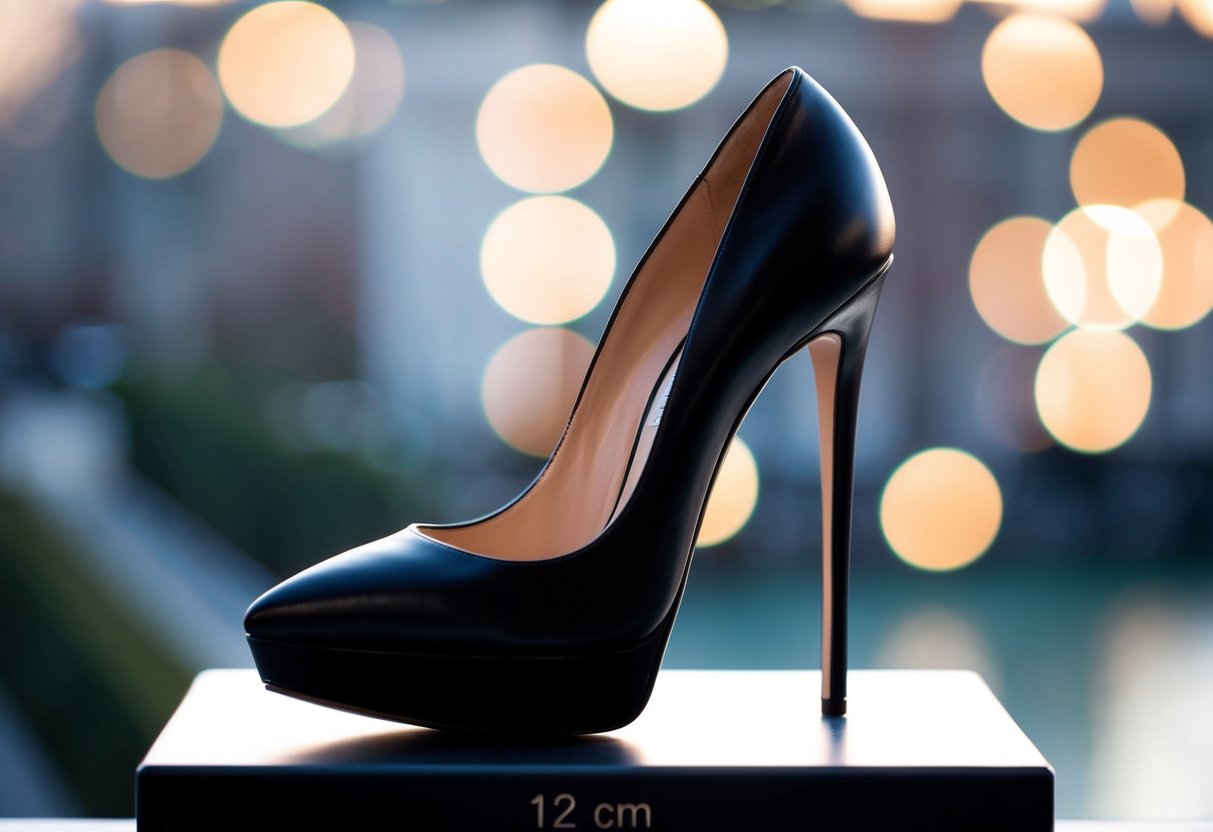
If you love wearing heels, a 12 cm heel can make a bold fashion statement. However, it’s important to consider your foot’s comfort and your ability to walk confidently in them.
As you explore this topic, you’ll learn how heel height affects stability and balance, and what you can do to make high heels more comfortable.
Choosing the right heel height can transform your outfit and your confidence. By understanding your own comfort and style needs, you can decide if a 12 cm heel is the perfect fit for you.
Understanding Heel Height
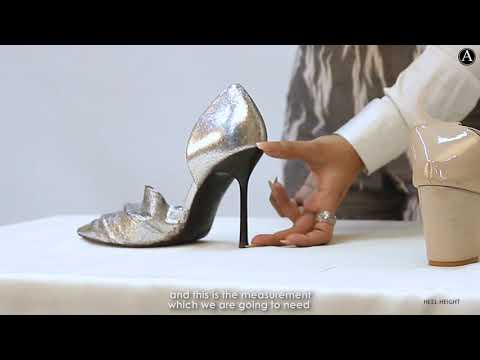
When choosing the right pair of heels, knowing how to measure heel height is crucial. It impacts your comfort and style. Different heel heights can affect how you walk and how you feel throughout the day.
Measuring Heel Height
To measure heel height, start from the bottom of the shoe’s sole to the highest point of the heel. Heel height is usually expressed in centimeters. You can use a ruler or measuring tape for accurate results.
For example, if you have a 12 cm heel, you can expect a significant height boost. If you’re uncertain about your comfort level, consider trying on shoes with similar heights first. This will help you get a feel for how a particular heel height works for you.
Heel Height Chart and Conversion
Different heel heights serve various purposes. Here’s a quick guide to help you understand:
| Heel Type | Height (inches) | Height (centimeters) |
|---|---|---|
| Low Heels | 1-2 | 2.5-5 |
| Mid Heels | 2-3 | 5-7.5 |
| High Heels | 3-4 | 7.5-10 |
| Very High Heels | 4-5 | 10-12.5 |
A 12 cm heel falls into the very high category. For clarity, this means 4.7 inches. Knowing these measurements helps you decide the best choice for your height preference. It’s essential to convert these heel measurements to suit your personal style and comfort.
Types of Heels and Their Heights

Heels come in many styles and heights, each offering its unique look and feel. Understanding these types can help you choose the right heel for different occasions and comfort levels.
Stilettos and High Heels
Stilettos are known for their long, thin heels, often exceeding 3 inches. They can add height and elegance but may not be the most comfortable option for extended wear. Stilettos usually range from 4 to 6 inches or even higher for very high heels.
High heels, in general, are designed to elevate your height significantly. They enhance your leg shape and create a more elongated appearance. If you love to stand out, stilettos might be your go-to choice for special events.
Kitten and Low Heels
Kitten heels offer a subtle rise, typically around 1.5 inches. They are perfect for those who want a little lift without sacrificing comfort. Their modest height makes them suitable for all-day wear, whether at work or casual outings.
Low heels, on the other hand, usually range from 1 to 2 inches. They provide a balance between style and comfort. Low heels are versatile, making them great for both casual and professional settings.
Mid Heels and Block Heels
Mid-height heels usually range from 2 to 3 inches. They provide a good balance between elegance and comfort. Many people find these heights more manageable for longer wear.
Block heels have a wider base, giving you extra stability. They come in various heights, making them comfortable and stylish for almost any occasion. You’ll appreciate the support block heels offer, especially if you’re going to be on your feet for a while.
Wedges and Platform Heels
Wedges have a solid heel that extends under the foot, providing height without the uncomfortable angle of traditional heels. They usually range from 3 to 4 inches. Wedges are great for outdoor events or summer parties, as they provide good balance and can be easier to walk in.
Platform heels often include a thick sole that raises the foot at the toe level. This design means you can wear higher heels with less strain on the foot. Platforms are popular for their bold look, often reaching heights of 4 inches or more while maintaining comfort.
Choosing the Right Heel Height for Comfort and Stability
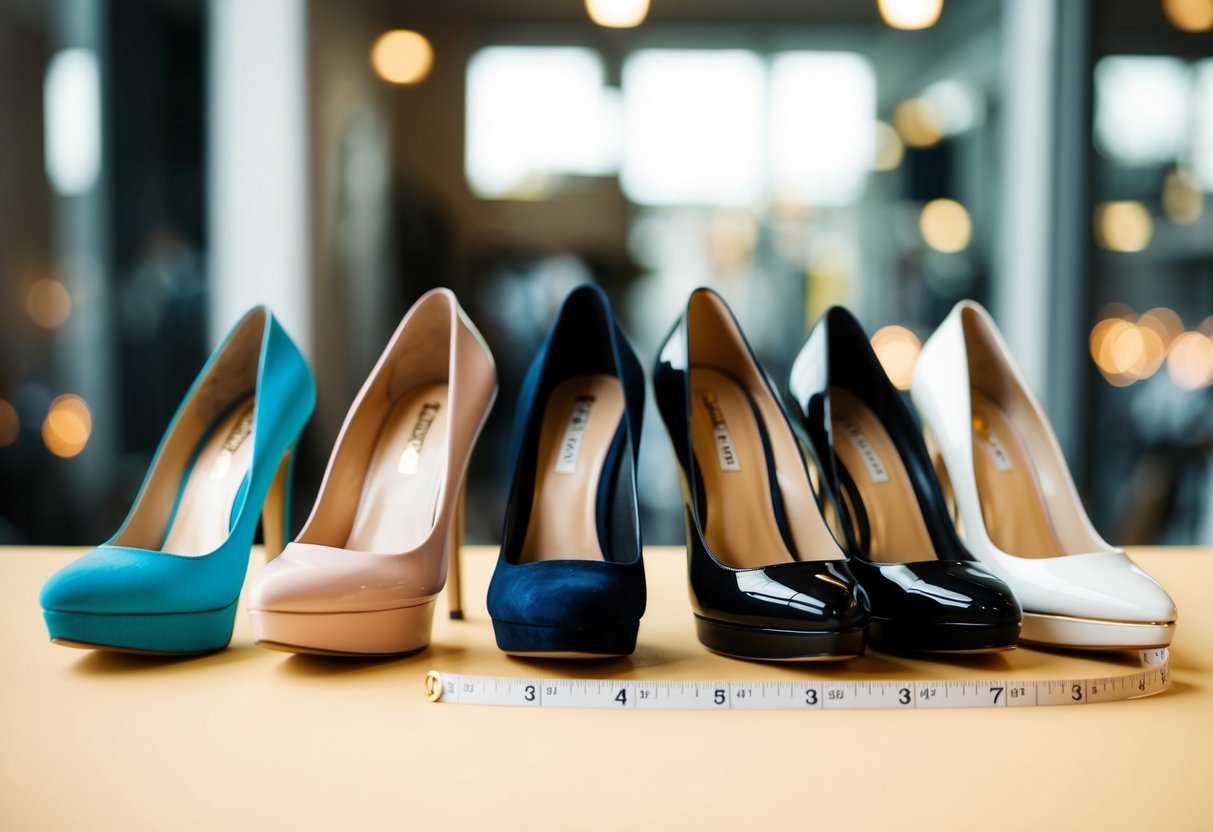
Finding the right heel height is essential for comfort and stability. Factors such as shoe fit, foot size, and specific foot conditions all play a vital role in your experience with heels. Understanding these elements will help you choose the best heels for your needs.
Factors Affecting Comfort in Heels
Comfort in heels can be influenced by various factors. One of the main aspects is the heel height. A height around 2-3 inches is generally more manageable for most people, while 4 inches or more can lead to discomfort and instability.
The shape and design of the shoe also matter. A wider toe box allows your toes to spread out, reducing pressure. Shoes with additional cushioning provide support, especially if you are wearing heels for a longer time.
Regular practice in walking and standing in different heel heights can help you identify what works best for you.
Shoe Fit and Foot Size
Proper shoe fit is crucial for comfort. If your shoes are too tight or too loose, discomfort will follow. When selecting heels, focus on both the length and width. Your foot should not feel pinched, and there should be a small amount of space at the end.
Consider trying shoes in the evening when your feet are slightly swollen. This can help ensure a more accurate fit.
Also, your foot size can change over time, so regular measurements are a good idea. Finding your perfect heel height will depend on both the fit and your foot size.
Heels for Different Foot Conditions
Different foot conditions may require specific heel choices. If you have flat feet, avoid very high heels, as they can strain your arches. A lower heel, often around 1-2 inches, offers better support.
For those with wider feet, look for brands that cater to different widths. Shoes that are too narrow can cause pain and blisters.
If you have specific issues like plantar fasciitis, consider cushioned insoles or orthotic inserts to improve comfort and stability. Finding the right heels for your needs can greatly enhance your overall experience.
Health and Practical Considerations
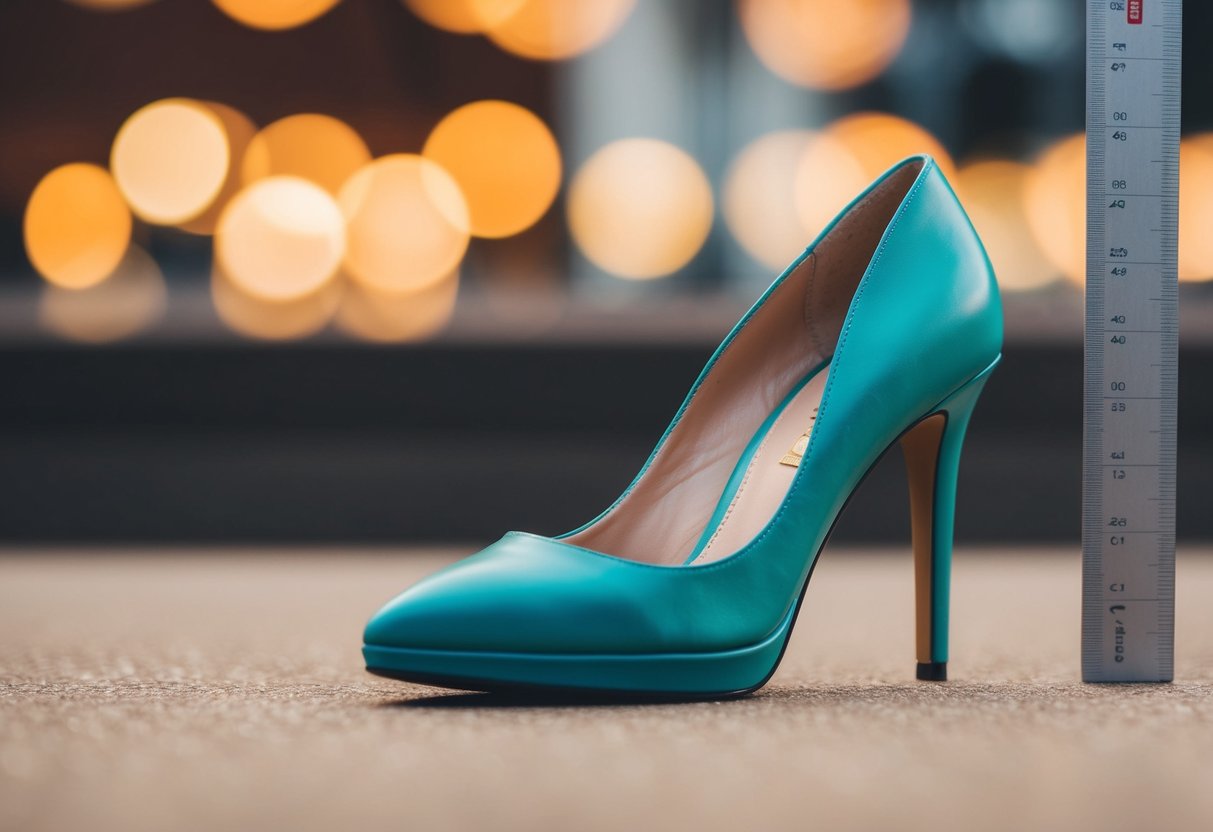
Wearing high heels, especially those around 12 cm, can impact your health and comfort. It’s important to consider how they affect your posture, their suitability for formal events, and how to prevent foot pain and blisters.
Posture and High Heels
High heels can significantly alter your posture. When you wear a 12 cm heel, your body adjusts to maintain balance. This often leads to your back arching and your hips shifting forward. Over time, this can cause discomfort and strain on your lower back and spine.
To keep your posture in check, consider these tips:
- Choose shoes with a wider toe box. This allows for better foot placement.
- Practice standing tall. Keep your shoulders back and your core engaged.
- Limit heel height for extended wear. If you must wear high heels, alternate with more comfortable shoes when possible.
Heel Height for Formal Events
When dressing for special occasions, high heels can enhance your outfit. However, a 12 cm heel may not be suitable for every event or for long periods.
For events like weddings or galas, consider these factors:
- Venue: Is there a lot of standing or dancing involved?
- Duration: Plan how long you’ll be wearing the heels. If it’s a long event, opt for lower heels or bring a change of shoes.
Avoiding Foot Pain and Blisters
High heels often cause foot pain and blisters. To prevent these discomforts, you can take specific steps:
- Correct fit is key. Make sure your shoes fit well. Shoes that are too tight can cause blisters, while those that are too loose can lead to instability.
- Use inserts. Gel inserts or cushioning can provide extra support.
- Break them in. Wear your high heels at home for a few hours before the big day to soften them up.