
Is 13 Too Old to Be a Flower Girl? Exploring Age Guidelines and Choices
When planning a wedding, you may wonder about the appropriate age for your flower girl. You might have a special girl in mind who is already past the typical age range. Flower girls are typically between three and eight years old, but a 13-year-old can definitely fulfill the role if she’s excited and ready for the responsibility.
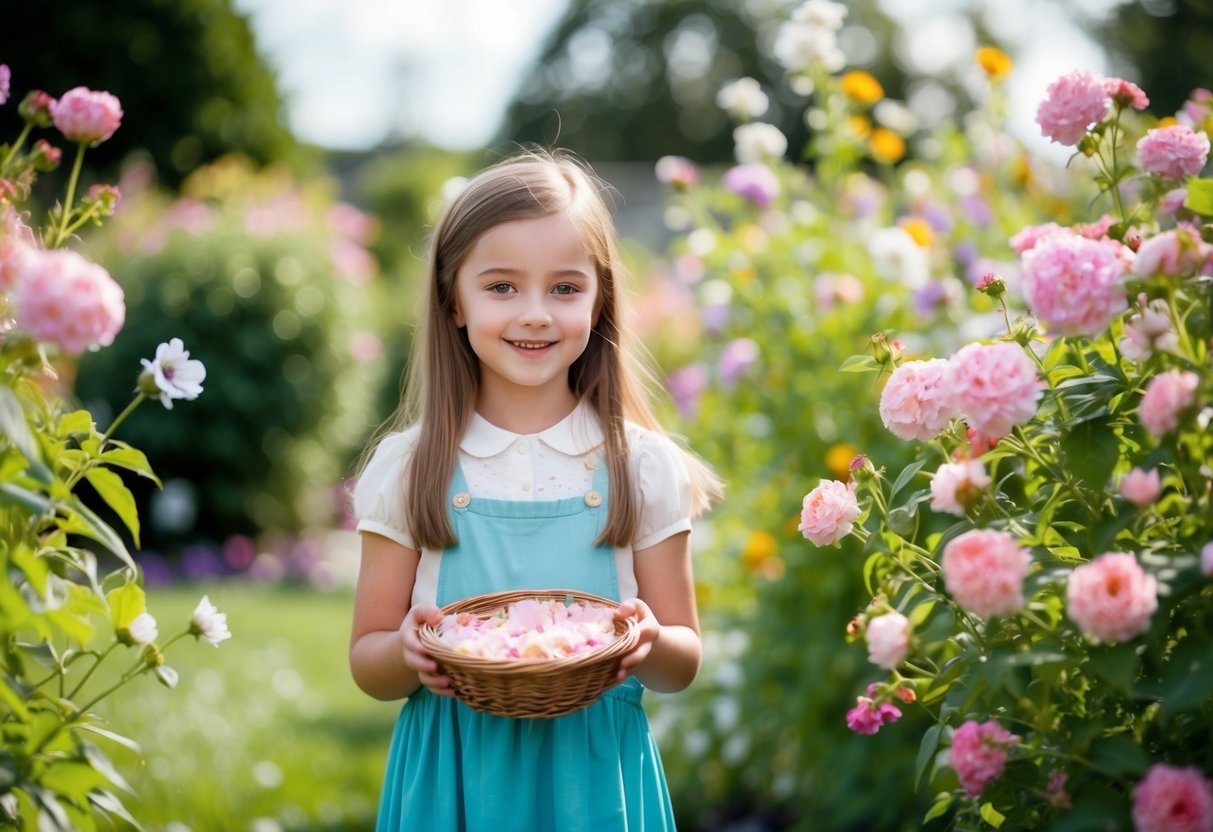
Having a teenager as a flower girl can add a unique touch to your ceremony. Many 13-year-olds possess the maturity and confidence to handle the attention and tasks that come with the role. You should consider her personality and comfort level, along with the overall feel of your wedding.
Engaging older girls can also help create memorable moments. They may enjoy wearing beautiful dresses and being a part of your special day, adding to the joy of the event. Whether she’s a family member or a close friend, a 13-year-old can still shine as a flower girl.
Understanding the Role of a Flower Girl
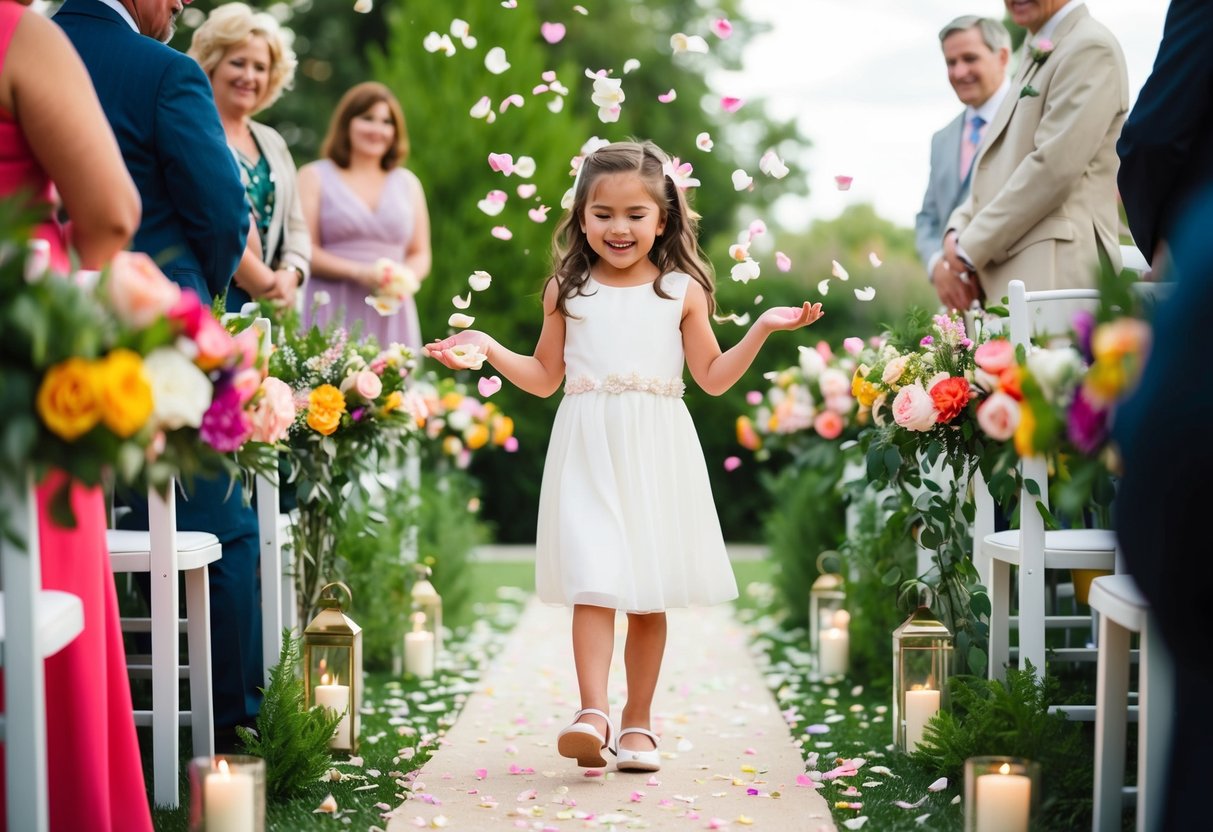
The role of a flower girl at a wedding involves unique duties and expectations. Knowing what is typically required can help you prepare for this special moment. Flower girls add a touch of innocence and charm to the ceremony, often participating in meaningful ways.
Traditional Duties and Expectations
As a flower girl, your primary duty is to walk down the aisle ahead of the bride. This moment is symbolic, representing the transition from childhood to adulthood.
Traditionally, flower girls scatter flower petals along the path. This creates a beautiful and joyful atmosphere. However, if you’re very young or nervous, you might simply hold a small bouquet instead. Some flower girls even wear lovely flower crowns to enhance their look.
Each wedding can be different, so some couples might choose to simplify the role due to age or experience. Make sure you feel comfortable and practice your walk so you can shine on the big day!
Comparison with a Ring Bearer and Junior Bridesmaid
While a flower girl has a sweet and fun role, it’s different from that of a ring bearer or a junior bridesmaid. The ring bearer is often slightly older and is responsible for carrying the wedding rings, either on a pillow or in a small box. This is a crucial duty that symbolizes the couple’s commitment.
A junior bridesmaid usually falls in the age range of 9-15 years old. This role is a step between being a flower girl and a full bridesmaid. Junior bridesmaids may assist adult bridesmaids but typically don’t participate in scattering petals or throwing flower bouquets.
In your role as a flower girl, you focus more on adding charm and youthfulness to the ceremony, while the ring bearer and junior bridesmaid have different responsibilities. Each role helps create a lovely atmosphere during the wedding.
Age Considerations for Flower Girls and Wedding Parties
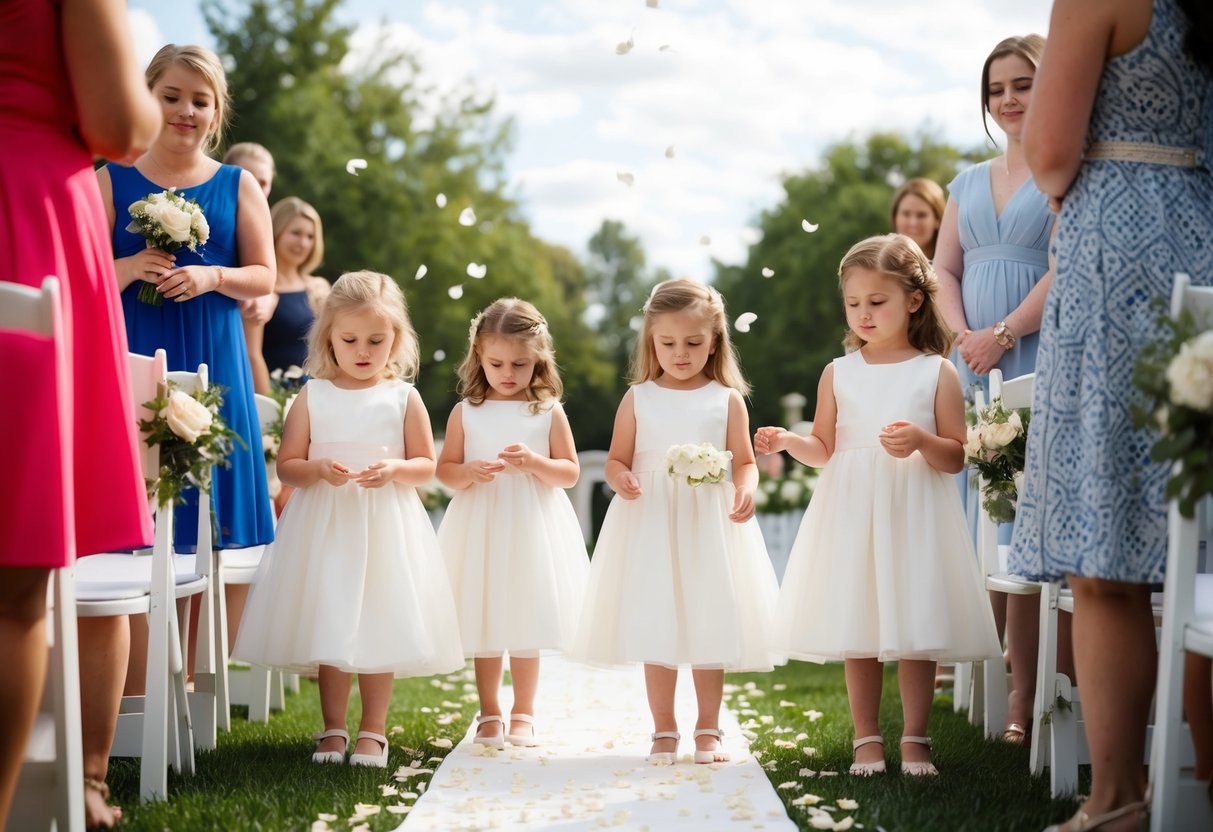
Choosing the right age for a flower girl is important for your wedding. You want someone who fits well into the special day. This section explores the appropriate age range, the benefits of selecting an older flower girl, and the idea of including multiple flower girls of different ages.
Appropriate Age Range for Flower Girls
The typical age range for flower girls is between 3 and 8 years old. Children within this range can follow directions better and handle the responsibilities of walking down the aisle.
For example, children under five might need more guidance. They can be adorable and bring a sweet touch to your ceremony.
On the other hand, girls aged 6 to 8 are often more reliable and can showcase a bit more confidence. This age group can also enjoy playing a part in the ceremony, making it memorable.
However, remember that age is not the only factor. Consider the child’s personality and comfort level with being in front of a crowd.
Benefits of Choosing an Older Flower Girl
Selecting an older flower girl, around 10 to 13 years old, has its perks. Older children often have greater maturity and confidence. They can better understand their role and responsibilities during the ceremony.
Having an older flower girl means you can relax a bit more about the logistics. They can walk gracefully, toss petals, and even stand still longer than younger kids. Plus, they usually look lovely in the dress you choose.
Another advantage is their ability to connect with guests. An older flower girl can interact more naturally during photos and between events, adding charm to your wedding.
Including Multiple Flower Girls of Different Ages
Consider incorporating multiple flower girls of various ages for a delightful touch. This can create a diverse and inclusive vibe at your wedding. For example, you might choose a cute toddler and a more mature girl.
Each age brings its own charm. The younger ones can be adorable while the older ones can add sophistication. This combination can make your ceremony feel lively and joyful.
You can also balance the roles within the wedding party. Different ages can help each other out and create a fun atmosphere. So think about how including different ages can enhance your special day!
Planning for Maturity and Responsibility
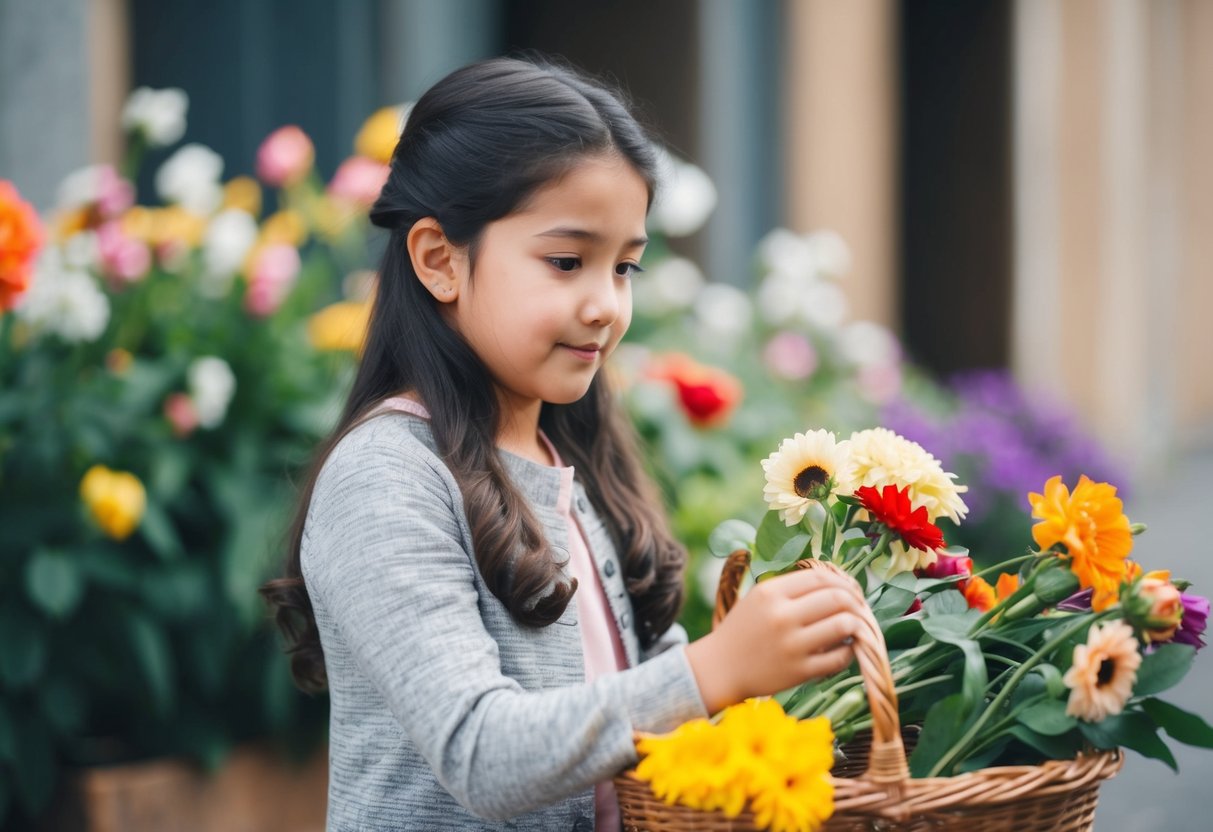
When choosing a flower girl who is 13, it’s important to consider her maturity and the responsibilities you want her to handle. Understanding how she can grow into the role can make your wedding day special.
Evaluating the Individual Child’s Maturity
Every child is different. A 13-year-old may feel ready to take on the role of a flower girl, but it’s essential to evaluate her maturity level. Consider how she handles responsibility in other areas, like school or chores.
Ask her parents about her ability to follow instructions and stay calm under pressure. Does she enjoy being part of events and interacting with guests? This insight will help you decide if she can manage the expectations of the day.
Assigning Duties Based on Age and Capability
Once you’ve assessed maturity, think about what tasks you’re comfortable assigning. A 13-year-old can manage various duties that a younger child might struggle with.
Possible Responsibilities:
- Scattering flower petals down the aisle
- Helping younger flower girls and ring bearers locate their places
- Pausing for photos without getting overwhelmed
Make sure to explain the responsibilities clearly. Knowing what to expect can help her feel more prepared and confident. This way, she can enjoy the day as much as you do!
Creative Adaptations for an Older Flower Girl
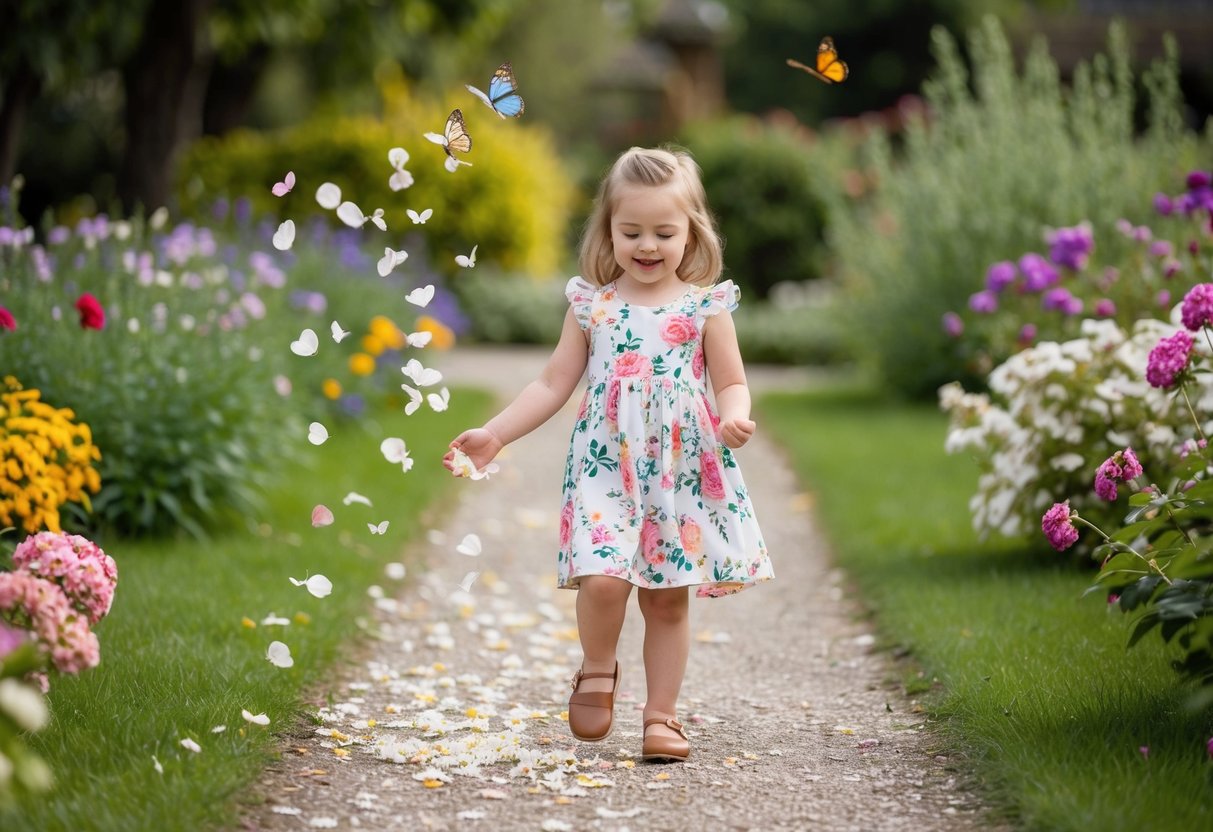
When you have an older flower girl, you can introduce unique roles and responsibilities that fit her age. You can also explore creative alternatives to traditional petals and crowns, making her feel special and included in the wedding.
Unique Roles and Responsibilities
An older flower girl can take on more significant tasks during the wedding ceremony. Instead of simply tossing petals, she can act as a mini-wedding planner. This can include guiding younger attendants and helping with setup or organization.
You might assign her a special role, like holding the rings or carrying a sign that symbolizes love and unity. This can create a moment that highlights her importance while giving her something to enjoy doing.
Alternatives to Petals and Flower Crowns
You can skip the traditional flower crown by incorporating other elements that show her personality. For example, she can wear a more stylish hair accessory like a simple barrette or a chic headband.
Instead of petals, you can have her carry a unique bouquet made of fabric flowers or even something that matches the wedding theme. These touches can be fun and meaningful, allowing her to express herself while still feeling like a vital part of the ceremony.