
Is 2 Years Too Long to Be Engaged? Exploring Relationship Timelines and Expectations
If you’ve been engaged for two years, you might wonder if this is too long. Many couples find that a two-year engagement is a reasonable time frame to plan a wedding and prepare for marriage. It allows you to focus on your relationship and ensure you’re both ready for the next step, rather than rushing into things.
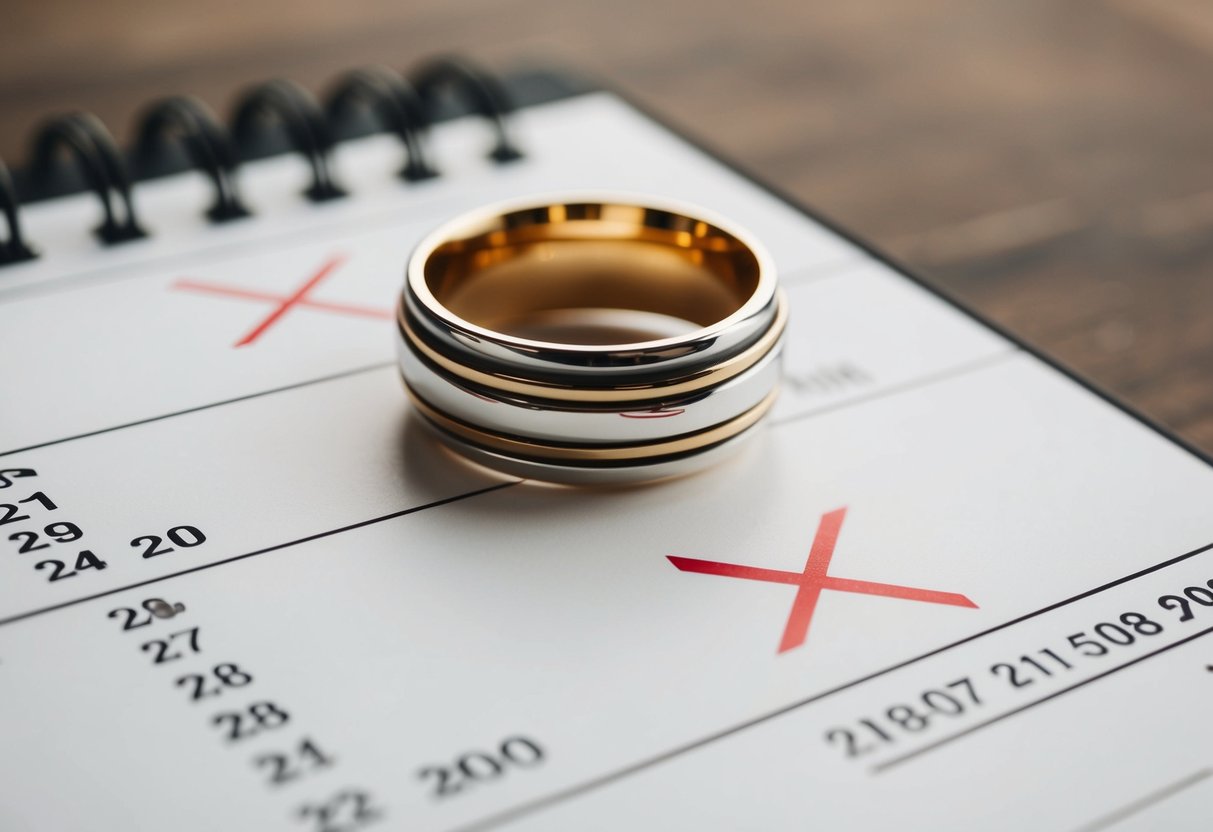
Some say a long engagement can be a chance to strengthen your bond. It gives you time to discuss important topics like finances and future goals. On the other hand, some people may feel pressure or impatience about waiting too long to tie the knot. Knowing how to balance these feelings can be key to your happiness as a couple.
The perfect length of an engagement depends on your unique situation. Instead of comparing your timeline to others, focus on what feels right for you and your partner. Engaging in open conversations about your plans can help ease any worries and make this time enjoyable.
Understanding Engagement Lengths
When you think about how long to be engaged, it’s important to consider different factors that affect your choice. The engagement period can vary widely among couples, and both long and short engagements have their benefits and challenges.
Pros and Cons of a Long Engagement
A long engagement, such as a two-year engagement, can give you more time to plan your wedding. This can be helpful if you want to save money or want to make sure every detail is perfect. You can also use this time to strengthen your relationship.
On the flip side, a long engagement may lead to pressure and frustration. Sometimes, family and friends might ask when the wedding is. This can create stress. Also, too much time can make some couples feel uncertain about their decision.
What Determines the Right Engagement Length?
The right engagement length often comes down to individual circumstances. For some, being together for two years before getting engaged is a common pattern, known as the three-four rule. This suggests that dating for 18-36 months can lead to successful marriages.
Cultural factors and personal preferences also play a role. Some couples prefer shorter engagements for emotional reasons or specific dates, like anniversaries. Others may need more time to prepare financially or learn more about each other before tying the knot.
Impact of Engagement Duration on Marriage
Engagement length can significantly affect your future marriage. Studies show that couples who date for two or more years before getting engaged tend to have a stronger foundation. You gain clarity and understanding of each other’s goals and values.
However, research also indicates that the length of the engagement itself isn’t the only factor. What matters more is the quality of communication between partners during this time. A healthy dialogue can help address concerns and strengthen the bond, regardless of whether your engagement is long or short.
Planning Your Dream Wedding

Planning your dream wedding can be an exciting journey. A two-year engagement offers you ample time to thoughtfully prepare and create the celebration you envision. This section highlights the benefits of a longer engagement and how to find the right wedding consultant to guide you.
Benefits of a 2-Year Engagement for Wedding Planning
A two-year engagement can significantly reduce stress in the wedding planning process. With more time, you can make informed decisions about your venue, guest list, and theme. For example, you can explore multiple venues to find the perfect fit for your dream wedding.
You also have time to save money, allowing for a better budget. This means you can prioritize what truly matters to you and your partner. Additionally, a longer engagement gives you the chance to find the right vendors. You can book your favorite photographer, caterer, or florist without feeling rushed.
Having extra time allows you to enjoy the journey without pressure. You can attend wedding fairs, seek inspiration, and gather ideas, making your special day even more personal.
Finding the Right Wedding Consultant
Finding a qualified wedding consultant can make a big difference in your planning. Start by researching local consultants who have experience with your wedding style. Look for reviews and ask for recommendations from friends.
A good consultant will understand your vision and help you stay organized. They can assist with budgeting, timeline management, and vendor selection. Make sure to ask questions during your initial meetings. This will help you gauge their expertise and see if they’re a good fit for your needs.
Before making a decision, ensure they align with your values and communication style. A strong partnership with your consultant can lead to a smooth planning process, helping you bring your dream wedding to life.
The Journey from Engagement to Marriage
Engagement is an exciting time filled with anticipation and planning. Understanding the journey from this moment to marriage can help you navigate the changes and choices ahead.
Stages from Getting Engaged to Saying ‘I Do’
After you get engaged, you enter a new phase that comes with its own set of steps. This period often includes planning the wedding, which can be both thrilling and stressful. During a 2-year engagement, you have ample time to map out your wedding and your future.
- Discussing Expectations: It’s essential to talk about your visions for the wedding and marriage.
- Budgeting: Setting a budget helps prevent misunderstandings later.
- Choosing a Date: Pick a date that holds significance for you both, perhaps even a date that aligns with the end of your engagement period.
Each step is vital in getting comfortable with the idea of a successful marriage. You might also experience the honeymoon phase where everything feels fresh and exciting!
Navigating the Transition from Engagement to Marriage
This transition involves significant emotional and practical adjustments. A longer engagement can provide you with the time needed to grow together as a couple.
-
Strengthening Your Bond: Use this time to deepen your relationship. Go on dates, have fun, and discuss your future together.
-
Family Planning: Talk about whether you want children and when that could happen.
-
Conflict Resolution: Learn how to manage disagreements effectively to create a strong partnership.
During this journey, staying focused on your relationship and what you both want will help you feel more prepared for the big day. As you approach saying “I Do,” embrace the changes and excitement that come with merging your lives together.